May 18, 2025|Homesteading, Livestock, Llamas, Tips
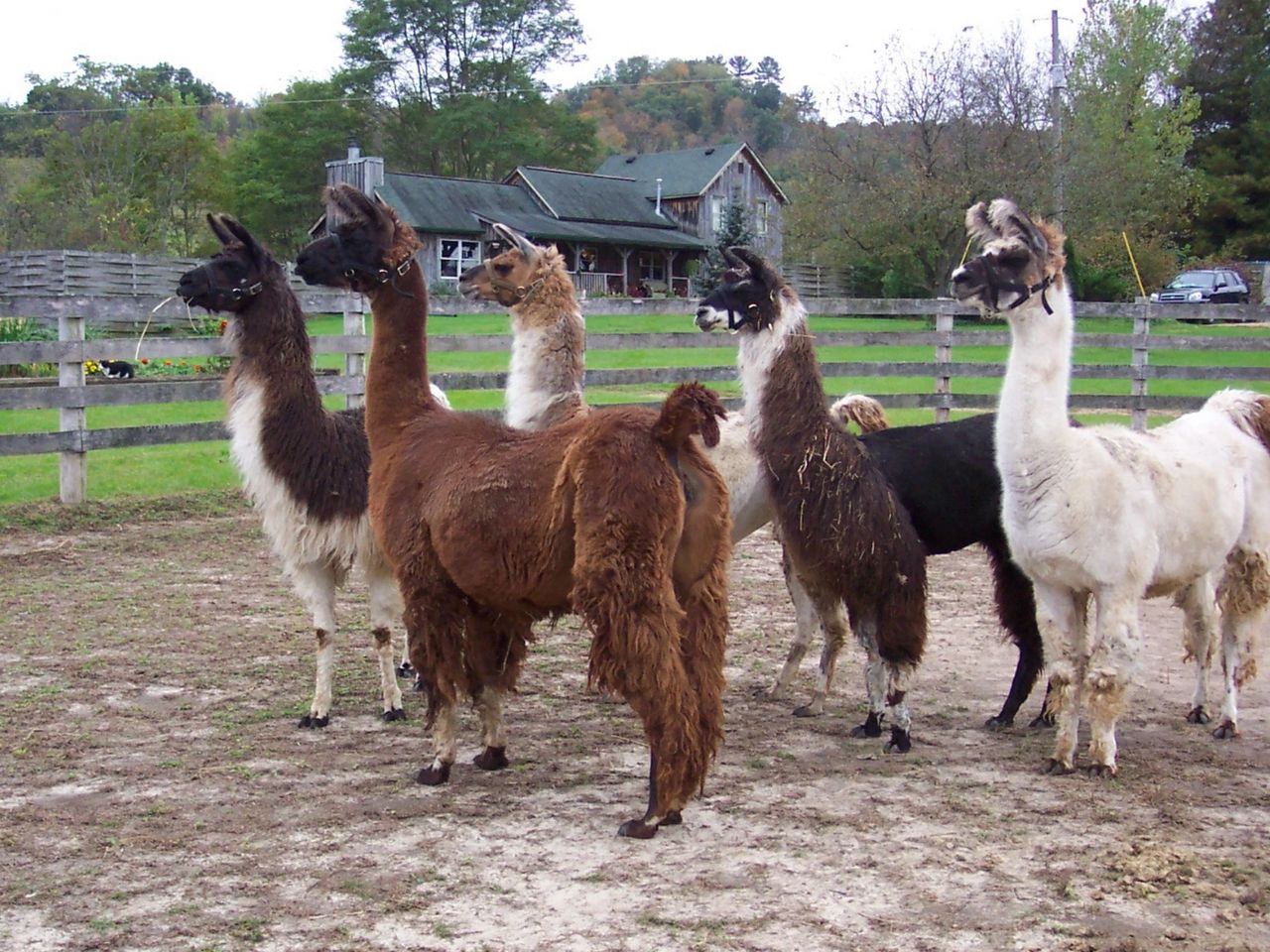
Alpaca fleece and llama wool are treasures of the fiber world, prized for their softness, warmth, and sustainability. Whether you’re a fiber artist, a homesteader, or simply curious about transforming raw fleece into yarn, processing alpaca and llama fiber is a rewarding journey. Both camelids produce unique fleece with distinct qualities, but the steps to turn their wool into usable fiber are largely similar. In this blog, we’ll walk you through the process of transforming alpaca fleece and llama wool into yarn, from shearing to spinning, with tips for handling each fiber type.
Understanding Alpaca Fleece and Llama Wool
Before diving into the process, let’s clarify the differences between alpaca fleece and llama wool, as these affect how you handle them:
• Alpaca Fleece: Alpaca fleece, from Huacaya or Suri alpacas, is typically finer (20–30 microns) and softer, with minimal guard hairs (especially in high-quality fleeces). Huacaya fleece is crimped and woolly, while Suri fleece is silky and straight, resembling lustrous locks. Alpaca fleece is lightweight, hypoallergenic (lacking lanolin), and ideal for next-to-skin garments.
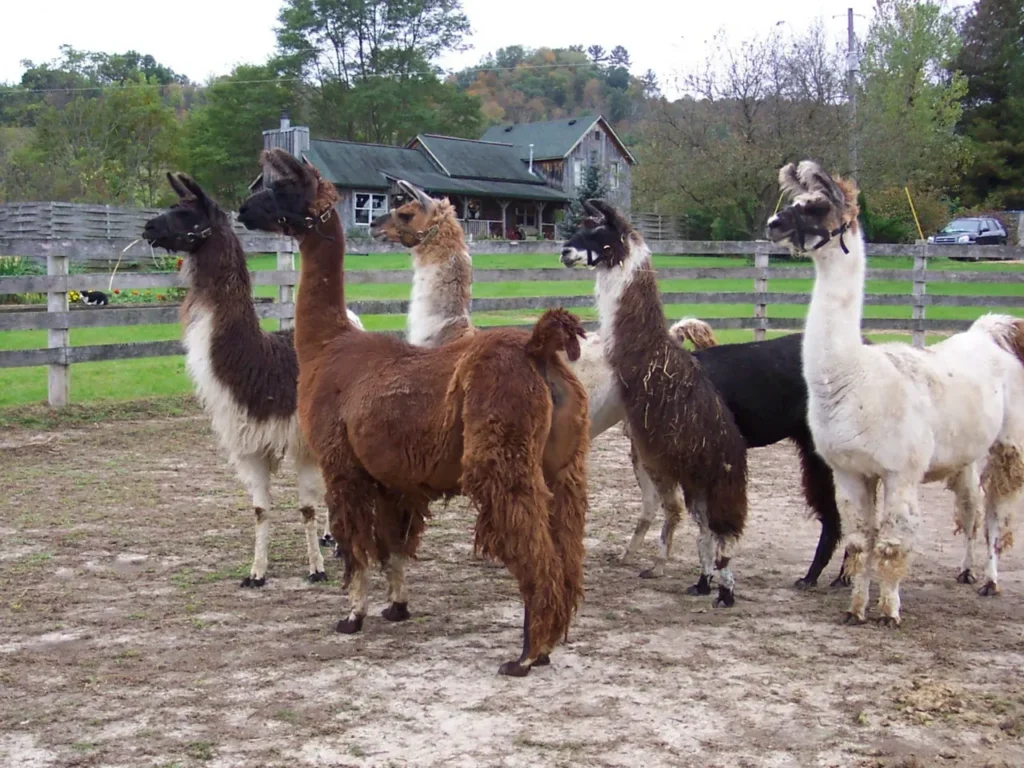
• Llama Wool: Llama wool, from Ccara or Tampuli llamas, is coarser (25–35 microns or more) and often double-coated, with coarse guard hairs over a softer undercoat. Tampuli llamas produce softer, denser fleece for textiles, while Ccara fleece is more rugged. Llama wool is durable and slightly heavier, suitable for outerwear or rugs.
Despite these differences, the processing steps are similar, with adjustments for fleece type. Here’s how to turn raw alpaca fleece and llama wool into fiber ready for knitting, weaving, or felting.
Step-by-Step Process for Processing Alpaca and Llama Fleece
Turning fleece into yarn involves several stages: shearing, skirting, cleaning, carding or combing, and spinning. Below, we outline each step with tips for handling alpaca and llama fleece.
1. Shearing the Fleece
• Process: Alpacas and llamas are sheared once a year, typically in spring, to keep them cool and collect their fleece. Professional shearers use electric clippers to remove the fleece in one piece (called a “blanket”), ensuring even cuts and animal comfort. Alpacas yield 5–10 pounds of fleece, while llamas produce 3–8 pounds, depending on the type.
• Alpaca Tips: Huacaya fleece is dense and uniform, while Suri fleece requires careful shearing to preserve the long, lock-like structure. Avoid second cuts (short, uneven clips) to maintain fiber length.
• Llama Tips: Llama fleece varies by type. Tampuli fleece is thicker and softer, while Ccara fleece is shorter and coarser. Double-coated llama fleece may require extra attention during later steps to separate guard hairs.
• DIY Note: If shearing yourself, use sharp, clean clippers and work in a calm, clean environment to minimize stress and fleece contamination.
2. Skirting the Fleece
• Process: Skirting involves removing dirty, coarse, or damaged parts of the fleece to ensure only high-quality fiber is processed. Spread the fleece on a clean table or skirting frame and remove:
• Matted or felted areas.
• Coarse edges (from legs, belly, or neck).
• Vegetable matter (hay, grass, or burrs).
• Stained or heavily soiled sections.
• Alpaca Tips: Alpaca fleece, especially from well-maintained animals, is relatively clean and uniform. Focus on removing any coarse neck or leg fibers. For Suri fleece, preserve the lock structure by handling it gently.
• Llama Tips: Llama fleece often has more guard hairs, especially in Ccara or double-coated animals. Remove as many coarse guard hairs as possible during skirting, though some may remain for later separation.
• Tools: A skirting table or clean tarp, gloves, and a trash bag for discarded fiber.
3. Cleaning the Fleece
• Process: Cleaning (or scouring) removes dirt, sweat, and natural oils from the fleece. Since alpaca and llama fleece lack lanolin, they’re easier to clean than sheep’s wool. Follow these steps:
1. Sort: Divide the fleece into small batches (1–2 pounds) for easier handling.
2. Soak: Place the fleece in mesh bags or pillowcases and soak in lukewarm water (90–100°F) with a mild, biodegradable dish soap or wool wash (e.g., Dawn or Unicorn Fibre Wash). Soak for 20–30 minutes, avoiding agitation to prevent felting.
3. Rinse: Drain and refill with clean lukewarm water to rinse. Repeat until the water runs clear (usually 2–3 rinses).
4. Dry: Spread the fleece on a clean towel or drying rack in a well-ventilated area, away from direct sunlight. Fluff gently to prevent matting.
• Alpaca Tips: Alpaca fleece is finer and more delicate, so use gentle handling and avoid hot water. Suri fleece should be laid flat to dry to maintain its lock structure.
• Llama Tips: Double-coated llama fleece may retain more dirt, requiring extra soaking. Coarse guard hairs may float to the surface during washing, making them easier to remove.
• Tools: Large tubs or a washing machine (set to soak, no spin), mesh bags, mild detergent, and drying racks.
4. Separating Guard Hairs (Llama-Specific)
• Process: Llama fleece, especially from double-coated animals, often contains coarse guard hairs that must be removed for soft yarn. Alpaca fleece typically skips this step due to its single-coated nature.
• Hand-Picking: After washing, gently pull out visible guard hairs by hand while the fleece is spread out.
• Dehairing: For large quantities, use a dehairing machine or send the fleece to a fiber mill, which separates guard hairs mechanically.
• Llama Tips: Tampuli llama fleece has fewer guard hairs, but Ccara fleece may require extensive dehairing. This step is critical for producing soft, high-quality yarn.
• Alpaca Tips: High-quality alpaca fleece (especially Baby or Royal grades) rarely needs dehairing, but lower-grade fleeces from older animals may have some coarser fibers to remove.
5. Carding or Combing the Fleece
• Process: Carding or combing aligns the fibers, preparing them for spinning. The method depends on the fleece type and desired yarn texture.
• Carding: Best for Huacaya alpaca and shorter llama fleece, carding creates a fluffy, airy fiber (called roving or batts) for woolen-spun yarn. Use hand carders, a drum carder, or send to a mill.
• Combing: Ideal for Suri alpaca and longer, smoother llama fleece, combing creates smooth, parallel fibers (called top) for worsted-spun yarn, which is stronger and shinier. Use wool combs or a hackle.
• Alpaca Tips: Card Huacaya fleece for soft, lofty yarn. Comb Suri fleece to preserve its silky, lock-like structure, ensuring smooth, glossy yarn.
• Llama Tips: Card Tampuli fleece for soft, woolly yarn, or comb for smoother, denser yarn. Ccara fleece may be carded for rustic projects like rugs, but combing is less common due to its coarseness.
• Tools: Hand carders, drum carder, wool combs, or a hackle. For beginners, hand carders are affordable and portable.
6. Spinning the Fiber
• Process: Spinning twists the prepared fiber into yarn. You can spin by hand using a drop spindle or spinning wheel, or send the fiber to a mill for professional spinning.
• Drop Spindle: A simple, portable tool for beginners. Twist the fiber into a leader, spin the spindle, and draft the fiber evenly to create yarn.
• Spinning Wheel: Offers more control and speed. Adjust the wheel’s tension to suit the fiber’s fineness and desired yarn thickness.
• Plying: Combine two or more single strands (singles) by spinning them in the opposite direction to create stronger, balanced yarn (e.g., 2-ply or 3-ply).
• Alpaca Tips: Alpaca fiber is slippery due to its fine, smooth texture, so spin with light tension and a consistent draft. Huacaya yields lofty, elastic yarn, while Suri produces smooth, drapey yarn.
• Llama Tips: Llama fiber is slightly grippier, making it easier for beginners to spin. Tampuli fleece spins into soft, warm yarn, while Ccara fleece creates sturdy, textured yarn.
• Tools: Drop spindle, spinning wheel, or mill services. A niddy-noddy or skein winder helps wind the finished yarn into skeins.
• Finishing: After spinning, wash the yarn gently to set the twist, then hang to dry with a light weight to straighten the skein.
7. Optional: Dyeing the Fiber
• Process: Dyeing adds color to the natural fleece or yarn, though many artisans prefer the natural hues of alpaca and llama fiber (white, black, brown, gray, etc.). Dyeing can be done before spinning (fiber dyeing) or after (yarn dyeing) using natural or acid dyes.
• Soak the fiber or yarn in water with a mordant (e.g., vinegar) to help the dye bond.
• Apply dye in a pot or dye bath, heating gently to set the color.
• Rinse thoroughly and dry.
• Alpaca Tips: White alpaca fleece (especially Huacaya) takes dye vividly, while Suri’s sheen enhances color depth. Avoid overheating to prevent felting.
• Llama Tips: Llama fleece, particularly white or light fawn, dyes well, but darker colors may require bleaching first. Coarser fleece may absorb dye unevenly.
• Tools: Dye pot, acid or natural dyes, mordant, and gloves.
Tips for Success
• Start Small: Begin with a small batch (e.g., 1 pound) to practice each step.
• Keep It Clean: Work in a clean environment to avoid contaminating the fleece with pet hair or debris.
• Invest in Quality Tools: Good carders, combs, or a spinning wheel make the process easier and improve results.
• Learn from Experts: Join a local fiber guild, watch online tutorials, or visit an alpaca/llama farm to learn hands-on.
• Consider a Fiber Mill: If processing large quantities or seeking professional results, mills can clean, card, and spin fleece for you, saving time and effort.
Why Process Alpaca and Llama Fleece?
Turning alpaca fleece and llama wool into yarn is a sustainable, creative, and deeply satisfying process. Alpaca fleece offers unparalleled softness for luxurious garments, while llama wool provides durability for versatile projects. Both fibers are eco-friendly, biodegradable, and hypoallergenic, making them ideal for conscious crafting. By processing your own fleece, you connect with ancient Andean traditions and create unique, handmade textiles that tell a story.
Whether you’re spinning silky Suri alpaca for a delicate shawl or carding Tampuli llama wool for a cozy blanket, the journey from fleece to fiber is a labor of love. Have you tried processing alpaca or llama fleece, or are you inspired to start? Share your thoughts or questions in the comments below, and let’s spin some magic together!