Hey farm gals, it’s Kara from Lange Girl Farms!
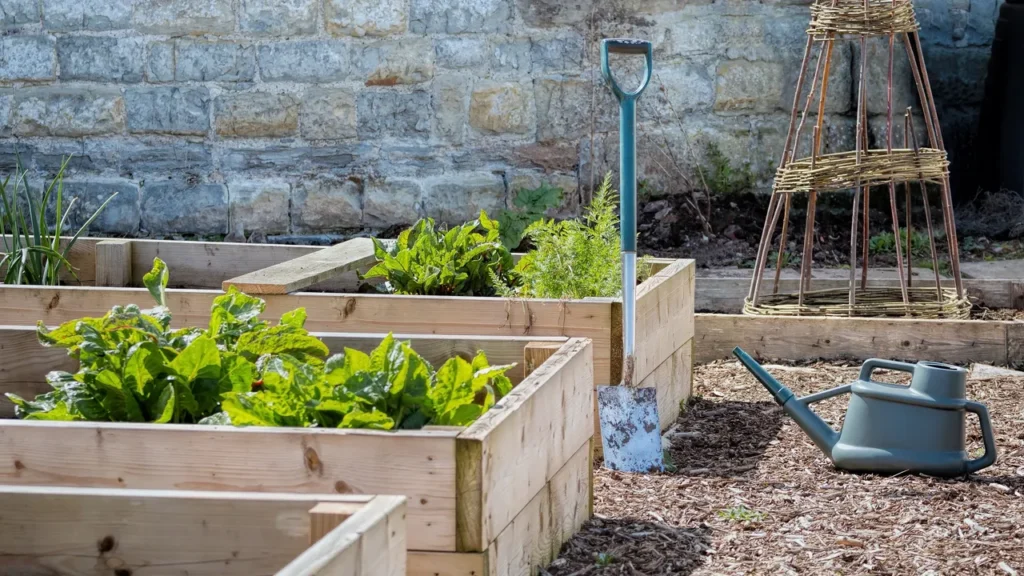
After digging into the science of how glyphosate works in Part 2, I spent the afternoon hand-weeding around our herb beds and burning a few stubborn patches with the torch. My pregnant mini mare got extra attention today—gentle grooming, fresh clean forage, and plenty of space to move without any stress. Watching her and the rest of the mini horses graze peacefully while the Siberian huskies romped and the llamas kept their calm watch over the chickens and ducks reminded me why we do this the hard way. No sprays, no drift, no residues that could reach our expectant mom or her foal. These animals depend on us to keep their world safe, and every choice matters.
In Part 1 we saw the Iowa cancer hotspots and Midwest risks. In Part 2 we broke down the chemistry—the shikimate pathway, EPSPS enzyme lock, and how surfactants make the full formulations far worse. Now in Part 3 we’re facing the real cost: the damage to humans, our livestock, wildlife, and every river and stream that carries runoff from sprayed fields. This isn’t abstract. It’s in our bodies, our animals’ organs, the fish and frogs downstream, and even places we never expected—like childhood vaccines. We’re going full nerd with the mechanisms, study details, and exact findings because you deserve the unfiltered truth as a regenerative homestead gal protecting your own land and family.
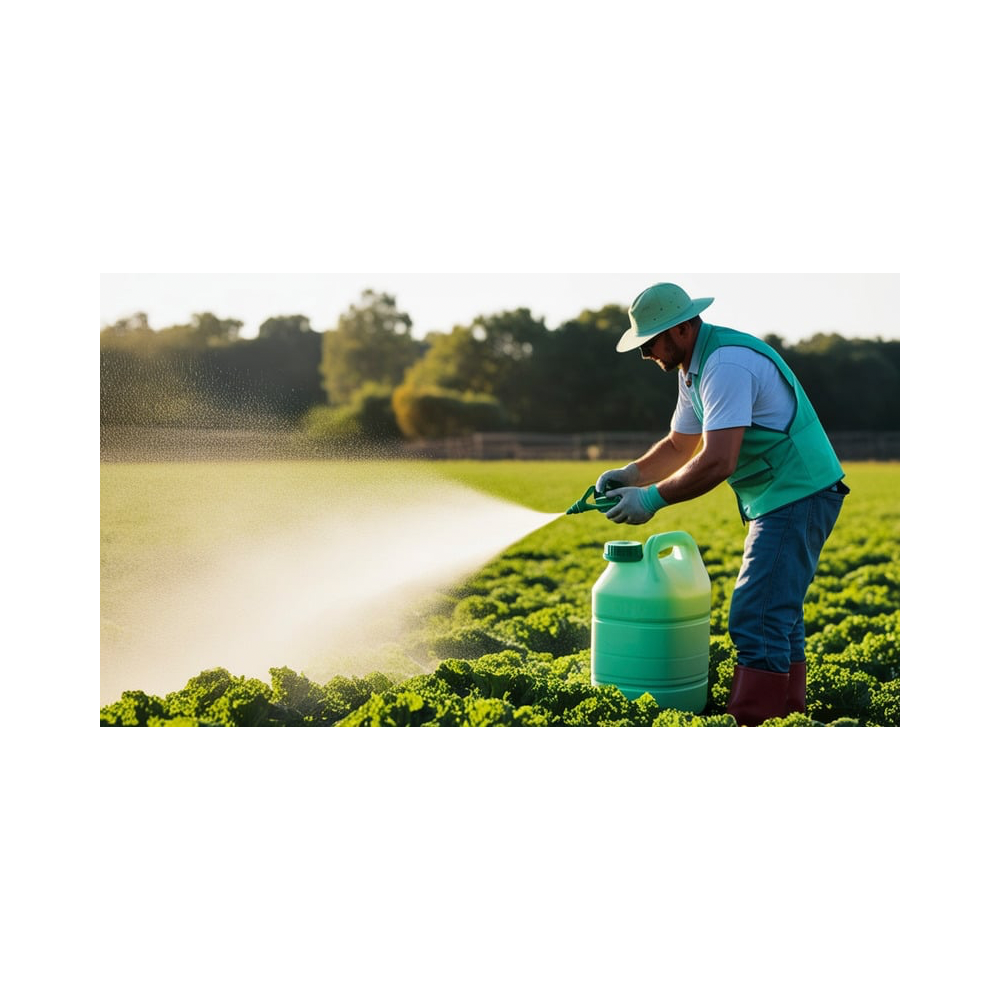
Humans: DNA Damage, Microbiome Wipeout, and Direct Exposure Routes
Glyphosate’s classification as “probably carcinogenic to humans” (IARC Group 2A, 2015) rests on strong evidence of DNA and chromosomal damage in animals and sufficient links to non-Hodgkin lymphoma in people. The Zhang 2019 meta-analysis showed a 41% increased NHL risk with high exposure. Beyond cancer, glyphosate disrupts the shikimate pathway in our gut bacteria.
Studies (Puigbò et al. 2022 and others) show that roughly 55% of common human gut bacterial species are intrinsically sensitive to glyphosate because they carry the vulnerable EPSPS enzyme. Sensitive genera include beneficial ones like Faecalibacterium and Bifidobacterium. Resistant ones (around 38%) include some linked to issues like IBS when they overgrow. This shift can lead to dysbiosis, inflammation, and impaired nutrient production. Formulations with surfactants often amplify these effects.
Recent independent testing by Moms Across America (Zen Honeycutt and team) found glyphosate in all five childhood vaccines tested, with the MMR vaccine showing levels 25 times higher than the others. This raises serious questions about additional exposure routes, especially for our kids, and how glyphosate might weaken the blood-brain barrier, allowing other toxins easier access. Breast milk, urine, and drinking water have also tested positive in U.S. samples, showing how pervasive residues have become.
Cumulative low-level exposure from food, water, and other sources adds up, hitting developing systems hardest.
Livestock: Reproductive Failure, Liver & Kidney Damage, and What We See on the Homestead
Our animals eat what we grow or source carefully—clean pasture for the mini horses (especially my pregnant mare), no contaminated grain or hay that could carry residues. Conventional livestock aren’t so lucky. Glyphosate residues in feed (from sprayed soy, corn, and grains) have been linked to serious issues.
Studies in poultry show liver and kidney histopathological changes, oxidative stress, imbalances in serum parameters, reduced productivity, weaker eggshells, embryo mortality, and impaired reproduction (including sperm quality in roosters). In cattle, sheep, and other ruminants, research points to reproductive disruptions: altered hormone pathways (including aromatase inhibition and estrogenic effects), follicular issues, and potential impacts on pregnancy outcomes. Liver and kidney stress appear early, with oxidative damage and inflammation.
Even at residue levels found in feed, effects include microbiome shifts in the gut or rumen that can affect overall health. For horses and other sensitive animals, the risks to reproduction and organ function are why we’re so careful with our pregnant mini mare—she gets forage we know is clean, because we’ve seen what happens when animals are exposed through contaminated feed.
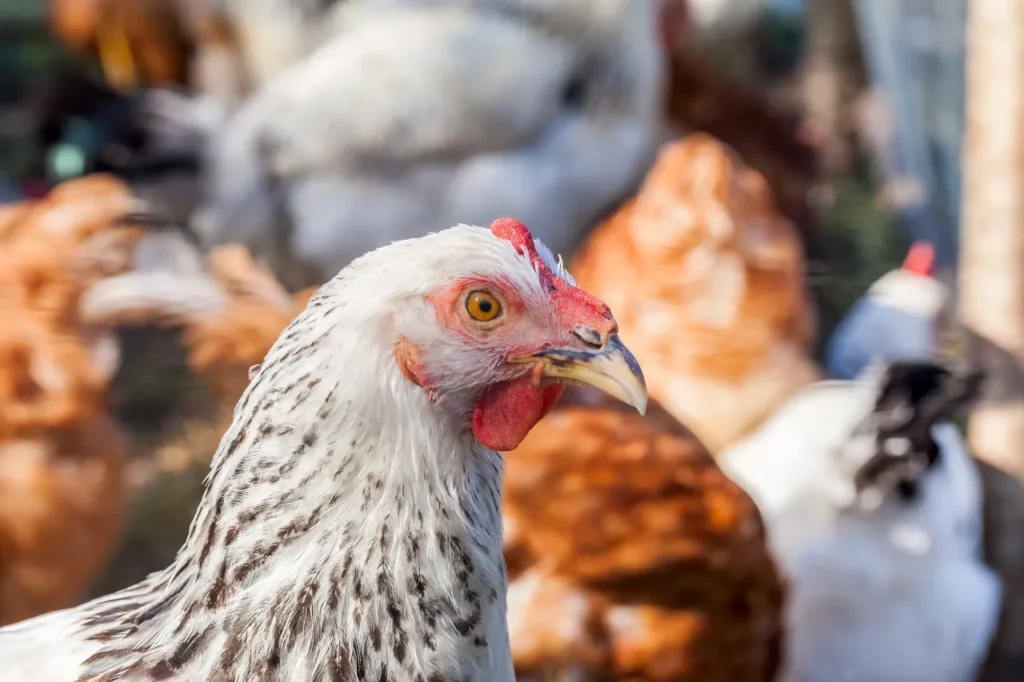
On our farm the difference is visible: vibrant eggs from the chickens, healthy growth in the ducks, strong bodies in the mini herd. We refuse to risk the toll that comes with sprayed crops.
Wildlife & Aquatic Life: Wiping Out the Base of the Food Chain
Runoff doesn’t stay on the field. Glyphosate and its formulations reach rivers, streams, ponds, and wetlands, where they hit non-target life hard.
The 2024 review by Klátyik et al. compiles evidence from 2010–2023 showing toxicity to algae, daphnia, mollusks, fish, and amphibians. Formulations are often far more toxic than pure glyphosate alone due to surfactants. Effects include:
• Oxidative stress and behavioral changes in fish
• Tadpole deformities, delayed development, and population impacts in amphibians
• Reproductive failure and population crashes in mussels, crayfish, and invertebrates
Amphibians are especially vulnerable because they live in both water and on land during different life stages. Even low environmental concentrations can disrupt development and survival. The base of the aquatic food web—plankton and invertebrates—gets disrupted, cascading up to fish, birds, and beyond. Glyphosate is classified as toxic to aquatic life (chronic category), yet detections in surface waters continue.
This isn’t “maybe”—it’s documented damage to the ecosystems our farms depend on and that support wildlife we love seeing around the homestead.
The Bigger Picture: Why This Toll Hits Regenerative Farms Hardest
We build soil life, support pollinators, and protect water quality because that’s what sustains healthy animals and nutrient-dense food. Glyphosate undermines all of it: chelating minerals, harming beneficial microbes (in soil and guts), and persisting in runoff. Our hand-weeding and torch work take effort, but they don’t leave these legacies.
Seeing my pregnant mini mare thrive on clean pasture while knowing what conventional systems expose animals to breaks my heart—and fires me up to share this. The same chemical showing up in vaccines, supermarket food (as we’ll detail in Part 4), and waterways is why so many homestead gals are choosing differently.
Series Roadmap – What’s Next
Part 4: The food contamination crisis—exact ppb levels in brands (Florida DOH breads, Quaker oats, Banza pasta, processed snacks, baby food, fast food), tables, multiplier effects, and the wheat desiccant shift.
Part 5: Follow the money—Bayer/Monsanto buyout, $7.25B 2026 settlement, pharma ties.
Part 6: The roots—1950 synthesis, 1964 Stauffer patent, full Agent Orange battlefield history (millions of gallons sprayed, dioxin devastation on veterans and Vietnamese civilians), and the 1974 Roundup pivot.
Part 7: Our methods—hand-weeding, torch burning, mulch, cover crops, animal grazing, Michigan-specific tips, free printable checklist.
This series is for every farm gal refusing to accept these costs. Pin it, save it, and comment below: Have you seen impacts on your animals or noticed changes after nearby spraying? What natural methods are you using? I read every comment.
Support clean farming by checking our shop—wildcrafted salves for sore hands after weeding or torch work, herbal teas from our gardens, or non-GMO seeds to start your own regenerative patch. Every purchase helps us keep our land and animals protected.
We can protect our families, animals, and waterways—one holistic choice at a time.
See you in Part 4, farm gals!
With love from the pasture,
Kara
Lange Girl Farms