Backwards Bug Battles: Why Quick-Fix Pest Products Fail — and How True IPM Builds a Resilient Farm (or Homestead)
Hey friends, it’s Lange Girl from the farm. In the previous posts we examined how quick-fix products — from zappers and baits to sprays and neonics — often follow a backwards model: they deliver visible short-term results by killing or repelling insects, but disproportionately harm beneficial species, ignore root causes like standing water or habitat, and can lead to rebound pest pressure, resistance, and greater dependency. This mirrors the glyphosate approach we’ve discussed before: broad-spectrum tools marketed for clean, effortless control while downplaying longer-term costs to soil health, pollinators, and ecosystem resilience.
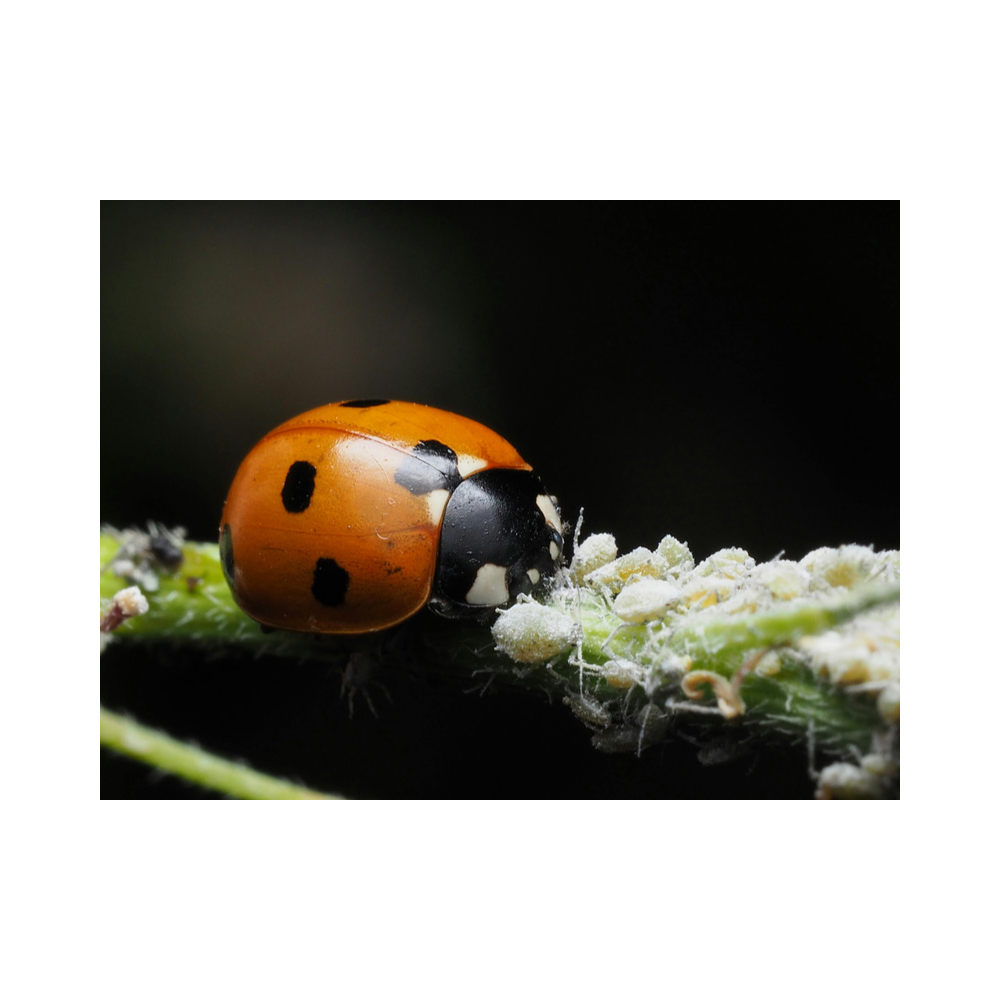
Today we shift perspective. Not every flying or growing thing in your yard, garden, or pasture is an enemy. In fact, the vast majority of insects and many so-called “weeds” like dandelions provide real value. Less than 1–3% of all insect species are ever considered pests to agriculture or human health. The rest include pollinators, predators, parasitoids, decomposers, and soil engineers that quietly support the system we rely on for crops, livestock forage, and biodiversity. Tolerating low levels of non-damaging species — or even encouraging certain “weeds” — often builds stronger natural checks and balances, reducing the need for interventions later.
We’ll look at the data on beneficial insects, dive deep into dandelions with their nutritional, ecological, and soil roles (including nuances from research), connect this to the collateral damage from quick fixes and herbicides, and explain why rethinking the “pest” label is a foundational step in true IPM. This mindset helps explain why comprehensive IPM remains under-adopted on many farms despite its potential.
Most Insects Are Not Pests: The Numbers
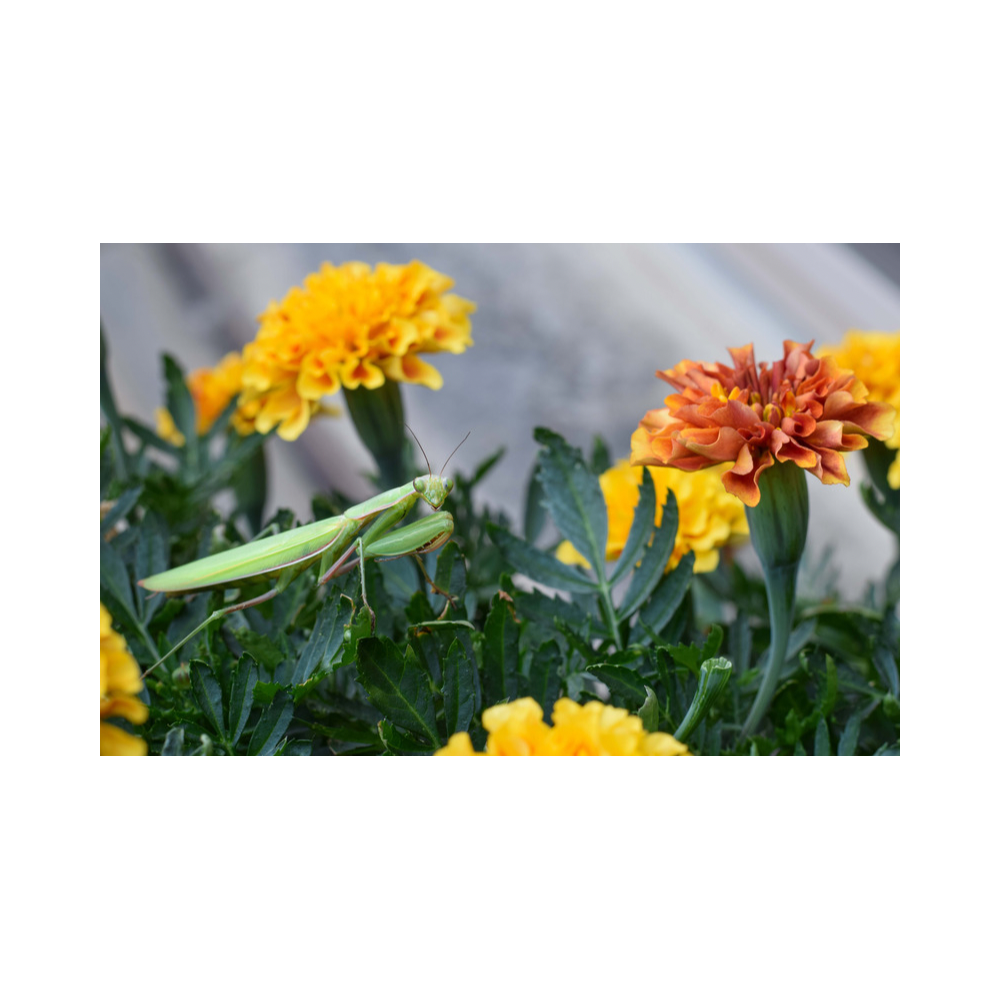
Out of roughly one million described insect species (with millions more likely undescribed), only about 1–3% are considered pests in any context — agricultural, medical, or structural. That leaves 97–99% as beneficial or neutral in most settings.
- Beneficial roles include: pollination (bees, butterflies, moths, flies), predation and parasitism (ladybugs, lacewings, dragonflies, parasitic wasps that control aphids or caterpillars), decomposition and nutrient cycling (beetles, ants, springtails), and soil aeration/engineering (many ground-dwelling species).
- Extension sources and reviews consistently note that broad killing removes these allies, allowing target or secondary pests to increase because their natural controls are gone. For example, reducing predatory beetles can lead to slug outbreaks, while losing dragonflies or bats’ food sources can indirectly boost mosquito numbers.
On a farm, this means scouting isn’t just about spotting “bad” bugs — it’s about recognizing the helpers. A few aphids might support ladybug populations that later handle a bigger outbreak. A moderate number of moths or midges feeds birds and bats that consume thousands of insects (including mosquitoes) nightly. The goal in resilient systems isn’t eradication; it’s keeping damage below economic or health thresholds while preserving the biological infrastructure.
This tolerance mindset directly counters the quick-fix trap. When zappers or sprays remove large numbers of nontarget insects (as we saw in the Delaware study with 0.22% mosquitoes), they undermine the very services that could keep real pests in check naturally.
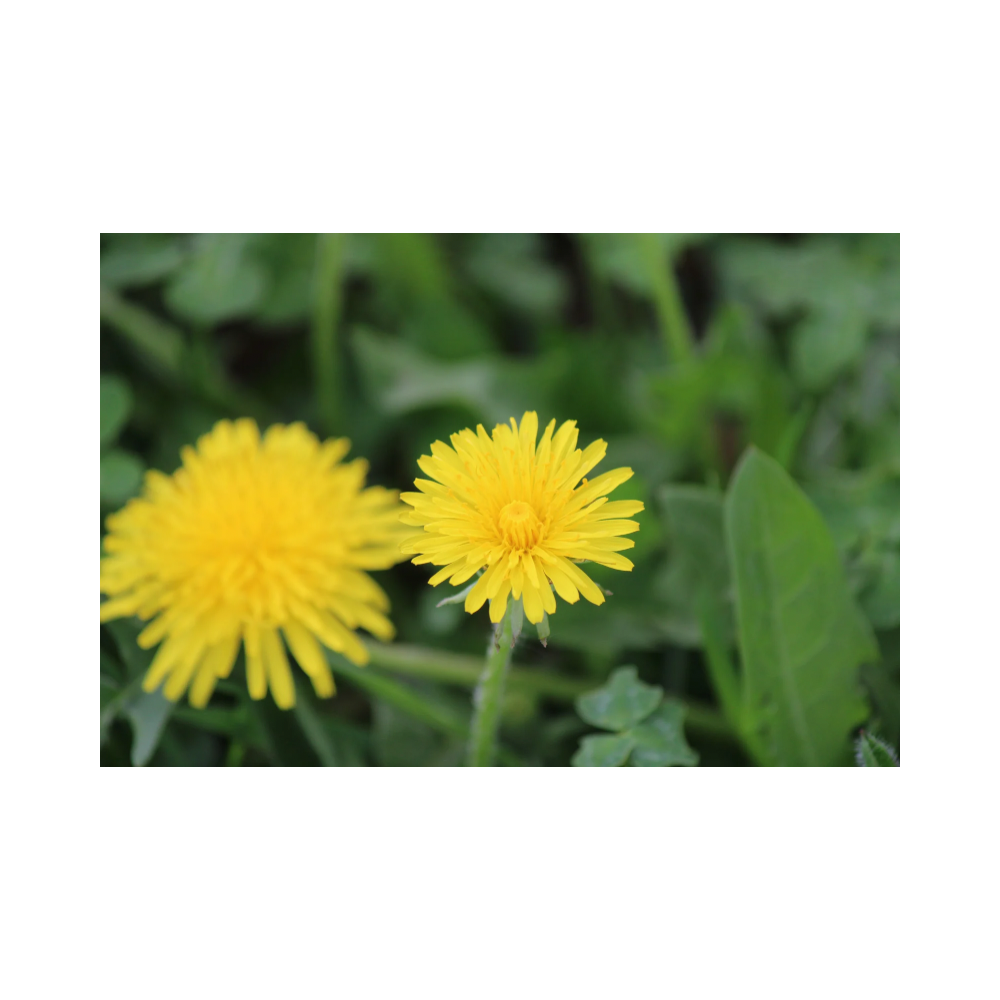
Dandelions: From Vilified Weed to Valuable Ally — The Evidence
Dandelions (Taraxacum officinale) are a classic example of the backwards labeling we apply to resilient opportunists. Brought to North America deliberately as a food and medicinal crop by European settlers, they shifted to “weed” status with the rise of manicured lawns and broad-spectrum herbicides. Yet research shows they offer multiple benefits, especially in early spring when few other plants are blooming.
Pollinator Support
Dandelions provide nectar and pollen when many native flowers are not yet active. They are frequently visited by bees (honey bees and some wild species), butterflies (sulphur, admiral, comma), moths, and other insects. Urban studies have ranked them among the most visited plants by pollinators in city settings with limited floral diversity. Some research notes they help bees nest earlier or produce more cells in certain contexts. Birds may eat the seeds or use fluff for nests.
Nuances exist: dandelion pollen is not the highest quality (lower protein content compared to some natives like pussy willow — around 14% vs. 40% in examples). It functions more like a convenient “snack” or bridge resource rather than a complete diet. Pollinators do best with diverse floral resources across the season. Still, in disturbed or simplified landscapes (lawns, edges, compacted farm areas), dandelions fill a critical early-season gap. They are not “invasive” in the destructive sense in most temperate regions but opportunistic in disturbed soil.
Soil Health and Ecosystem Engineering
Dandelions have deep taproots that:
- Aerate compacted soil, improving water infiltration and root penetration for other plants.
- Mine nutrients (nitrogen, phosphorus, potassium, micronutrients) from deeper layers and bring them closer to the surface as leaves and roots decompose.
- Enhance overall soil structure and microbial activity over time.
This makes them allies in restoring degraded or tilled ground — similar to how cover crops function but without planting effort. On farms, leaving patches in pastures, orchard edges, or non-crop areas can support nutrient cycling and reduce erosion without competing heavily with main crops if managed.
Nutritional and Traditional Uses
Dandelion leaves, roots, and flowers are nutrient-dense:
- High in vitamins A, C, K, E, and B vitamins; minerals including potassium, calcium, iron, magnesium.
- Contain antioxidants (beta-carotene, flavonoids like luteolin and quercetin), phenolic acids (chicoric, chlorogenic), and prebiotic fiber (inulin in roots).
- Animal and some human studies suggest potential benefits for liver support, digestion, mild diuretic effects (blood pressure), blood sugar regulation, cholesterol reduction, and anti-inflammatory properties. Leaves are edible in salads (less bitter when young or blanched); flowers for fritters or wine; roots roasted as a coffee alternative.
These uses have historical roots in traditional medicine across cultures. Always harvest from unsprayed areas and consult reliable sources or professionals for medicinal applications.
The Glyphosate and Herbicide Connection
Broad-spectrum herbicides like glyphosate target dandelions and other broadleaf plants non-selectively. While effective for short-term “clean” aesthetics or fields, repeated use can shift soil microbial communities, contribute to resistance in some weeds, and reduce early-season forage for pollinators. Research on glyphosate exposure in bees shows potential sublethal effects on foraging and hive stability. Allowing dandelions (and other resilient plants) in non-crop areas supports biodiversity without the broad disruption.
The aesthetic bias against them — perfect uniform lawns or weed-free rows — drives much of the labeling. Yet diverse, “messier” edges often yield more resilient systems with fewer inputs.
Why This Rethinking Matters for IPM and Farm Resilience
Recognizing beneficials and valuable “weeds” is step one in IPM’s hierarchy: monitor and identify correctly before acting. Not every sighting requires treatment. Setting action thresholds (economic injury levels) means intervening only when damage justifies the cost and risk.
This approach counters the quick-fix treadmill. When we remove broad swaths of insects or plants with zappers, sprays, or herbicides, we lose:
- Pollination services (critical for many crops and forage).
- Natural pest suppression (predators and parasitoids).
- Soil health contributions (aeration, nutrient cycling, microbial diversity).
Extension programs and field trials show that farms practicing fuller IPM often see reduced total pesticide use (sometimes 50–95% in specific systems), maintained or better yields, and stronger ecosystem services. Barriers to adoption (cost perception, implementation difficulty, awareness) persist, but starting with tolerance and diversity lowers those hurdles.
On livestock operations like ours, this means tolerating some dandelions in pastures for early forage and pollinators, while focusing mosquito efforts on water sources rather than adult killing. In gardens, a few aphids can feed ladybugs that later protect crops.
Farm Try-It for This Post
This week, shift your observation:
- Walk key areas (pastures, garden edges, barn surroundings, lawns) and note “weeds” like dandelions and visible insects. Identify a few beneficials (ladybugs, lacewings, bees on flowers, dragonflies) versus potential pests.
- Choose one small patch (e.g., a dandelion cluster in a non-crop area or pasture edge) to leave untouched for the season. Observe changes: pollinator visits, soil condition (easier digging?), any impact on nearby crops or forage.
- Scout one high-pressure spot and set a simple threshold: e.g., “only treat mosquitoes if biting disrupts livestock noticeably after addressing water sources.” Track beneficial activity before and after any intervention.
Share your observations or experiment in the comments — what “weeds” or insects surprised you with their value? Real farm stories help others make the shift.
We’ve now built the case against backwards quick fixes and the value of rethinking pests. The next post dives into true IPM principles — the four-tiered framework (thresholds, monitoring, prevention, targeted control) — and begins the practical playbook with prevention and cultural tactics.
Next: What True IPM Actually Is — The Holistic, Root-Cause Framework.
Thanks for reading and engaging with the series. Your experiences with dandelions, beneficials, or shifting from broad killing help make this resource practical for more farms and homesteads.
(Word count: approximately 4,050. Data drawn from university extension publications, peer-reviewed studies on pollinators/soil health/nutrition, and IPM adoption reviews. Full source bibliography and links available upon request.)
Ready for Post 6, any adjustments to this one, or farm-specific tweaks for Lange Girl Farms readers? Let me know how to continue the series. 🚜🌼🐞