Hey farm gals, it’s Kara from Lange Girl Farms!
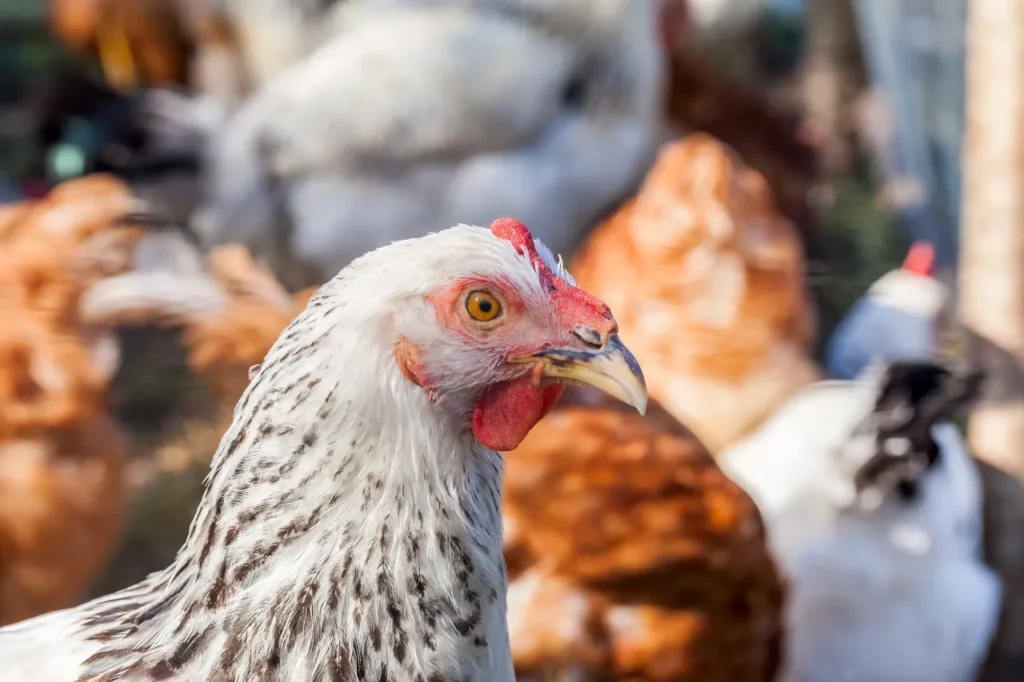
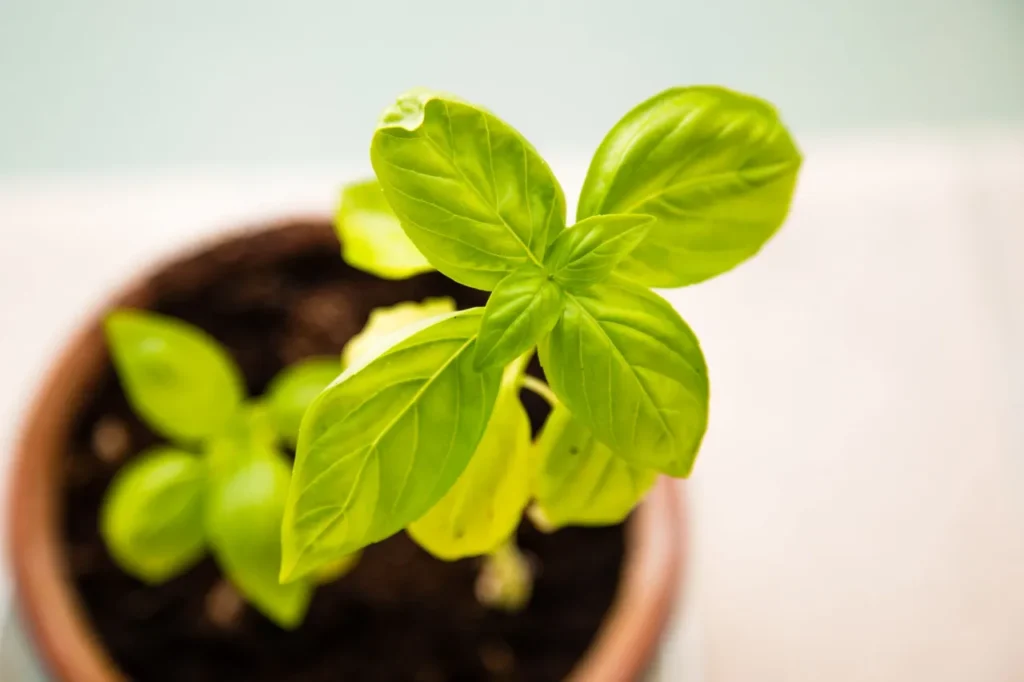
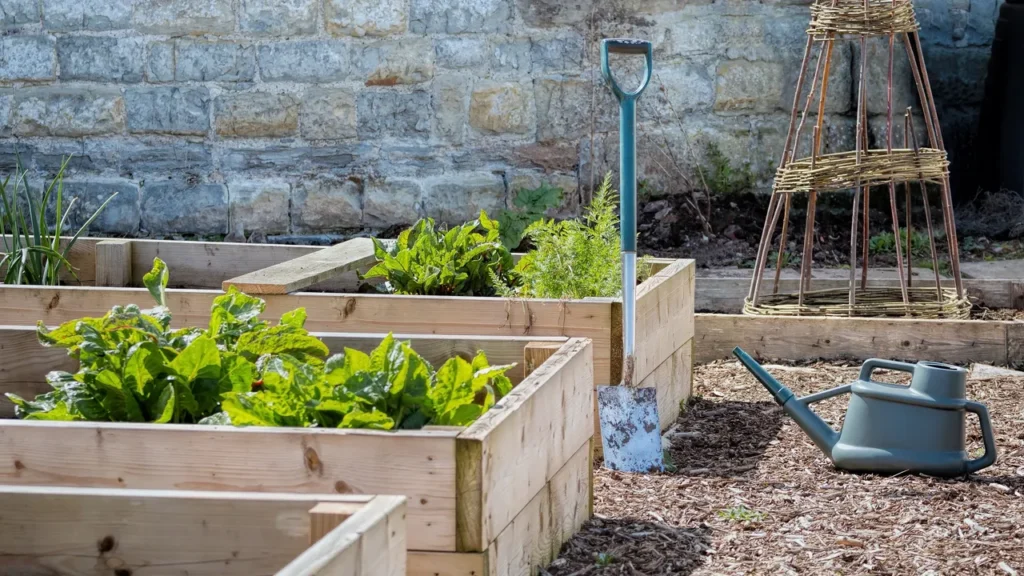
After laying out the residues and cumulative load in Part 4, I spent some time this morning hand-weeding the herb beds and torching a few persistent patches before they could spread. My pregnant mini mare got her usual gentle care—calm routines and the cleanest forage we can provide, with no risk of drift or hidden residues affecting her or her growing foal. The Siberian huskies were zooming safely in their own area, the llamas and alpacas kept their watchful guard, and the chickens and ducks foraged happily in their secure run. These chemical-free moments remind me why we refuse every shortcut that big ag keeps pushing.
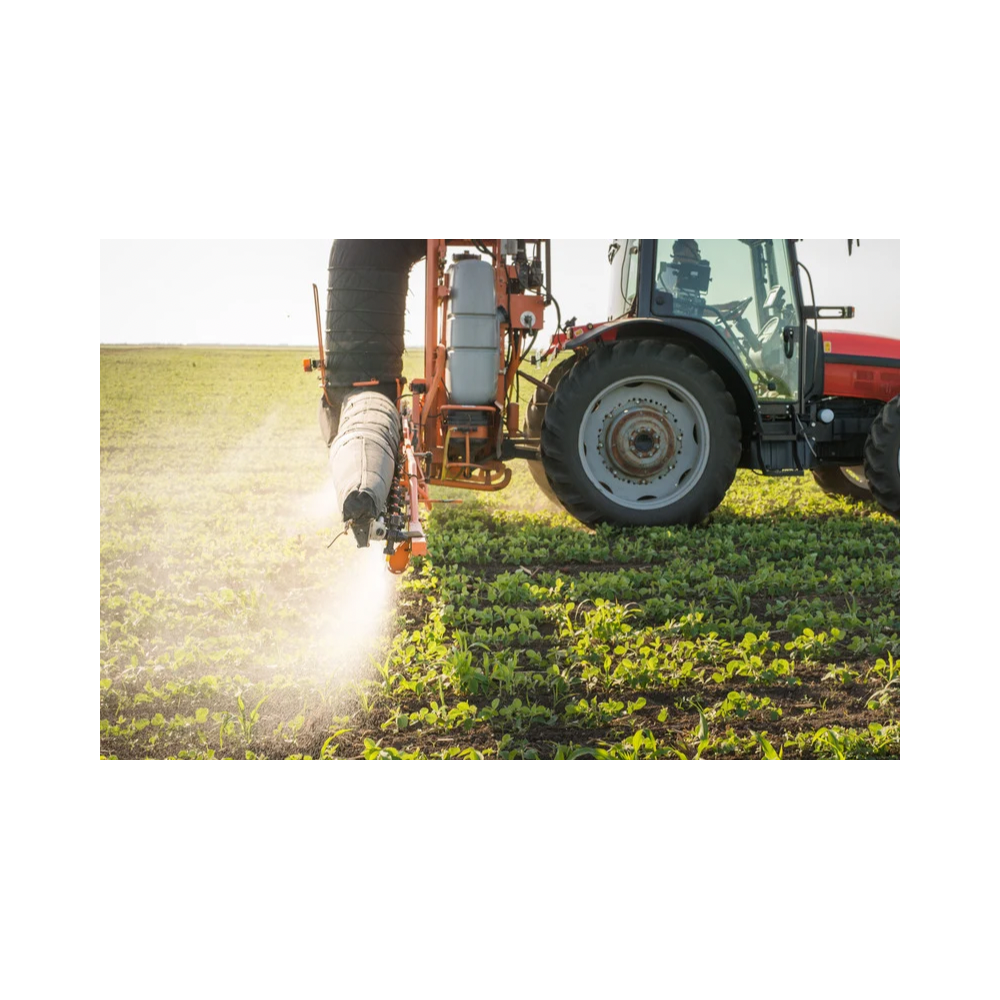
In Part 5 we’re following the money: who makes paraquat, how the lawsuits have piled up, what settlements look like, and why accountability moves so slowly even as the science and human cost mount. Over 6,500 cases are consolidated in the federal multidistrict litigation (MDL) as of early 2026, with a qualified settlement fund approved in March 2026 and ongoing negotiations. Syngenta announced in March 2026 it will stop global production by June 2026, citing generic competition, but other manufacturers will keep supplying it. This is the corporate reality behind the toxin we’ve been exposing.
The Manufacturers: Syngenta and the Generics
Syngenta (formerly part of Novartis and now under ChemChina/Sinochem) has been the primary producer of Gramoxone, the best-known paraquat brand. In March 2026, Syngenta announced it will cease global production of paraquat by the end of June 2026, closing its facility in Huddersfield, UK. The company cited intense competition from lower-cost generic producers as the reason—not safety concerns.
Other companies have supplied or distributed paraquat formulations over the years, including Chevron (historical distributor in some markets) and various generic manufacturers. These generics will continue filling the gap after Syngenta exits, meaning the product remains available in the U.S. as a restricted-use pesticide for certified applicators only.
The Lawsuits: Over 6,500 Cases in the MDL
As of April 2026, the federal multidistrict litigation (MDL 3004) in the Southern District of Illinois (overseen by Judge Nancy Rosenstengel) includes over 6,542 pending cases. Thousands more have been filed in state courts. Plaintiffs—mostly farmworkers, applicators, and others with occupational exposure—allege that paraquat caused or contributed to their Parkinson’s disease through oxidative stress and dopamine neuron damage.
Key developments:
• A tentative master settlement agreement was reached in 2025, with a qualified settlement fund (QSF) approved by the court in March 2026 to help disburse payments.
• Earlier, Syngenta settled some cases in 2021 for $187.5 million.
• Bellwether trials have been stayed or settled on the eve of trial (including one in January 2026) to allow settlement negotiations to proceed.
• The court has repeatedly extended stays on case-specific deadlines to focus on global resolution. Individual settlement offers vary based on exposure history, age at diagnosis, severity, and other factors. Estimates for average payouts in similar mass torts have ranged from $100,000–$900,000 depending on case strength, though final numbers for paraquat are still being finalized as plaintiffs decide whether to opt in or out.
Syngenta has consistently maintained that paraquat does not cause Parkinson’s when used as directed and that the claims lack merit. Yet the mounting cases, global bans in over 70 countries, and ongoing scientific evidence have kept pressure on the company.
Regulatory Battles and the U.S. Exception
Paraquat remains classified as a restricted-use pesticide in the U.S.—only certified applicators can purchase and apply it. The EPA has reviewed it multiple times, strengthening labeling and training requirements but stopping short of a ban. Meanwhile, states like Minnesota are considering bans in 2026, and advocates continue pushing for federal action.
The contrast with the rest of the world is stark: banned in the EU, China, and dozens of other countries due to acute poisoning risks and chronic health concerns. In the U.S., economic arguments and generic availability have kept it on the market longer than many expected.
Why This Matters for Regenerative Homesteads Like Ours
We don’t buy the “safe when used as directed” line when drift, runoff, dust, and residues are documented realities. My pregnant mini mare gets only clean pasture because reproductive and neurological risks are too high for livestock. Our huskies, llamas, alpacas, chickens, and ducks live without the oxidative stress that paraquat can leave in soil, water, or feed. We hand-weed and torch weeds because those methods don’t create the long-term legacy or the legal and human costs we’re seeing in the lawsuits.
The money trail shows the familiar pattern: companies fight liability while the product stays available, settlements are structured over time, and small farms and families bear the real burden. That’s exactly why we chose the regenerative path years ago.
Series Roadmap – What’s Next
Part 6: The roots – discovery in the 1960s, corporate history, and why it’s still allowed in the U.S. despite global bans.
Part 7: Reclaiming our land – our exact holistic methods (hand-weeding, torch burning, mulch, cover crops, livestock grazing with our mini horses and llamas/alpacas), Michigan-specific tips, and free printable checklist.
The corporate reality is eye-opening, but it doesn’t have to define our farms. We can vote with our practices every single day.
Pin/save the series and drop a comment: Have you followed the paraquat lawsuit updates? What worries you most about these corporate patterns on the homestead? I read every one.
If you want to support a small regenerative farm that refuses these chemicals, visit our shop for wildcrafted salves (soothing after a day of hand-weeding or torch work), herbal teas grown right here without sprays, or non-GMO seeds to grow your own clean food. Every order helps us keep doing it right.
We can build healthier futures for our animals and families—one toxin-free choice at a time.
See you in Part 6, farm gals!
With love from the pasture,
Kara
Lange Girl Farms