
Hey farm gals, it’s Kara from Lange Girl Farms!
After laying out the residues and cumulative load in Part 4, I took some time this morning to hand-weed around the herb beds and torch a few stubborn early patches before they could spread. My pregnant mini mare got her usual gentle care—calm routines and the cleanest forage we can provide, with no risk of drift or hidden residues affecting her or her growing foal. The Siberian huskies were zooming safely in their own area, the llamas and alpacas kept their watchful guard, and the chickens and ducks foraged happily in their secure run. These chemical-free moments remind me why we do the extra work on this regenerative homestead.
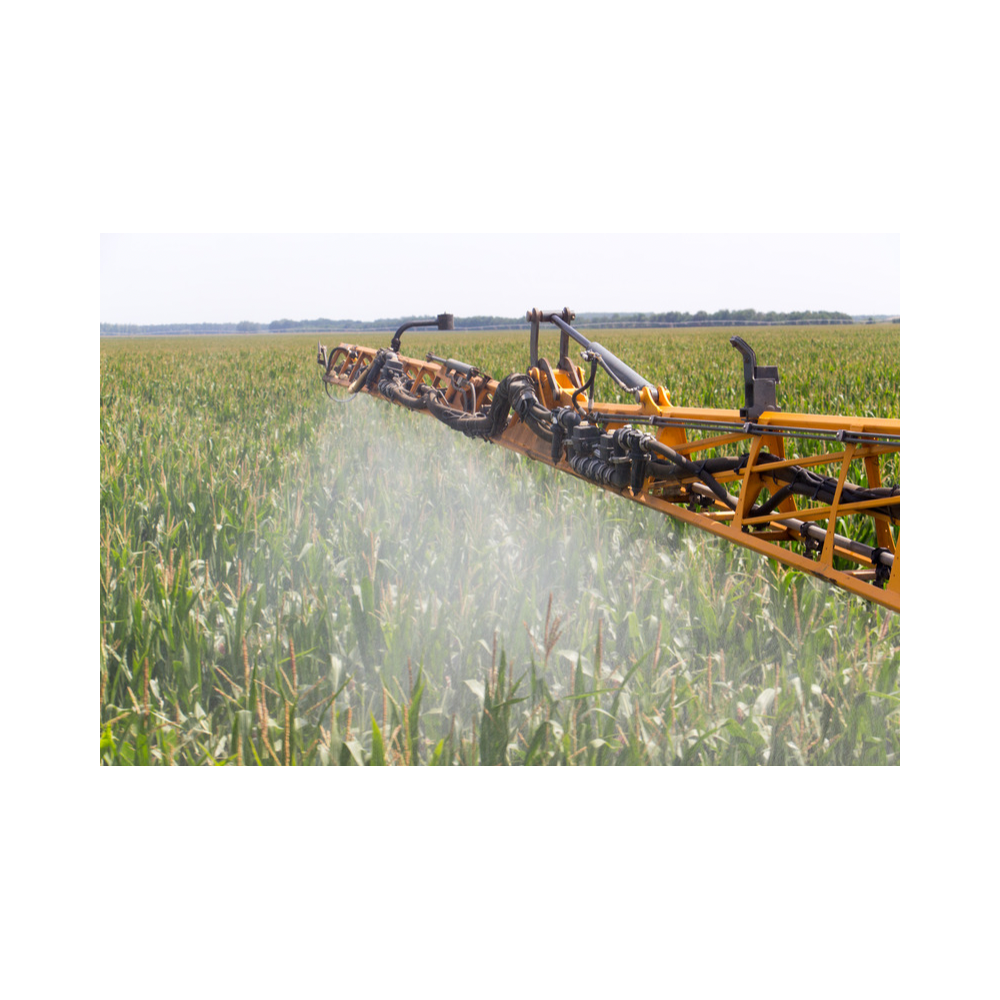
In Part 5 we’re following the money: who makes atrazine, how the lawsuits and regulatory fights have played out, and why accountability moves so slowly even as the science on endocrine disruption and water contamination continues to grow. Syngenta remains the primary manufacturer, and the battles over atrazine have been some of the longest-running pesticide controversies in U.S. history.
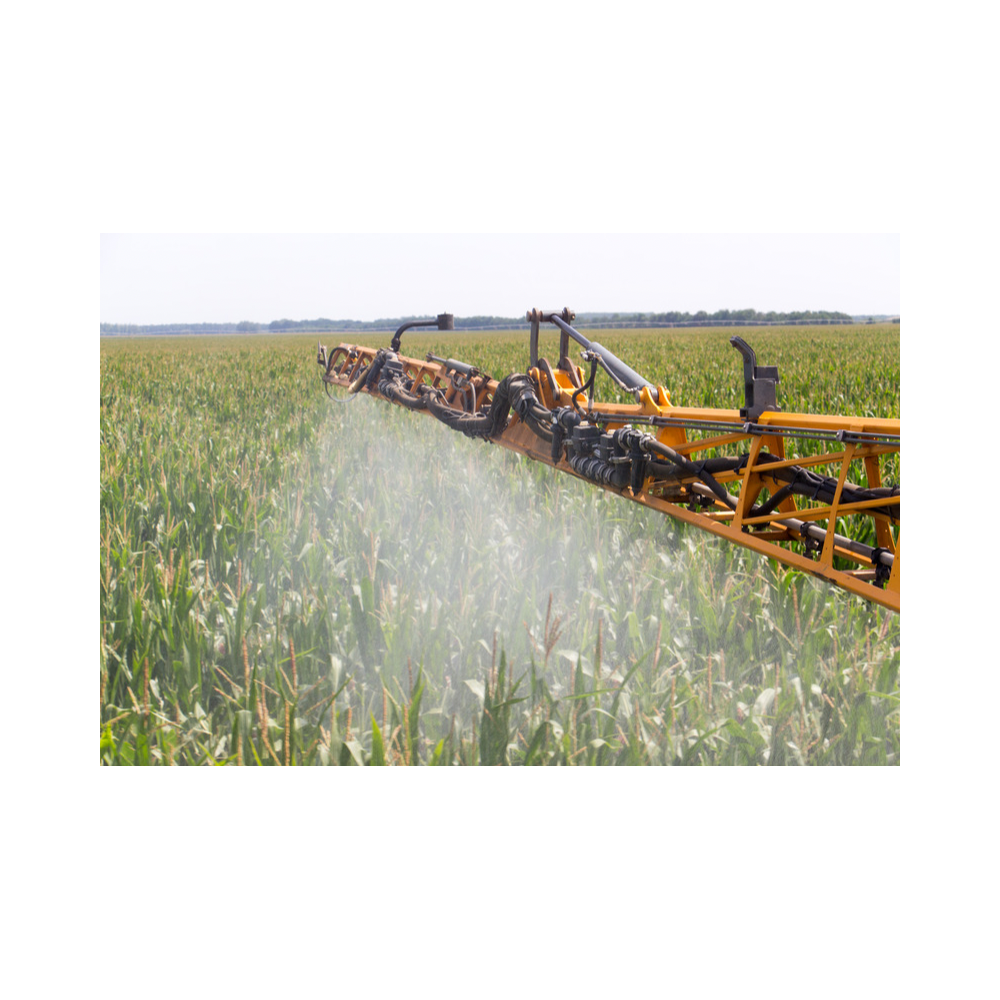
The Manufacturers: Syngenta and the Generics
Syngenta (now part of ChemChina/Sinochem) is the dominant producer of atrazine in the U.S. and globally. The company has defended the herbicide for decades, arguing that it can be used safely with proper restrictions. Other generic manufacturers also produce atrazine formulations, keeping supply high and prices low for conventional corn growers.
This economic incentive—cheap, effective weed control in large-scale corn systems—has kept atrazine in heavy use despite mounting concerns.
Lawsuits & Legal Battles
Atrazine has faced multiple waves of litigation:
• Community water contamination suits: Cities and water districts (especially in the Midwest) have sued manufacturers for cleanup costs after atrazine showed up in drinking water supplies above safe levels. Some settlements required companies to fund filtration systems or pay damages.
• Personal injury / endocrine disruption claims: Farmers, applicators, and families have filed cases alleging reproductive harm, birth defects, and other effects from exposure or contaminated water. These cases have been harder to win due to the need to prove specific causation, but they continue to pressure the industry.
• Regulatory challenges: Environmental groups and states have repeatedly petitioned the EPA to ban or further restrict atrazine. Lawsuits against the EPA itself allege the agency failed to adequately protect public health and the environment under the Federal Insecticide, Fungicide, and Rodenticide Act (FIFRA) and Safe Drinking Water Act.
While there hasn’t been a massive consolidated MDL like we saw with glyphosate or paraquat, the cumulative legal pressure has forced repeated EPA re-reviews and stronger labeling requirements over the years.
Regulatory Battles: EPA vs. Independent Science
The EPA has reviewed atrazine many times (most recently with proposals in the mid-2020s). Key points of contention:
• The agency has maintained that atrazine can be used safely with current restrictions and a drinking water limit of 3 ppb.
• Critics, including independent scientists and groups like the Natural Resources Defense Council (NRDC) and EWG, argue the EPA underestimates low-dose endocrine effects (especially on amphibians and developing mammals) and fails to account for mixtures with other pesticides.
• Several states have imposed additional restrictions or monitoring requirements. Some Midwest water utilities have had to install expensive filtration systems to remove atrazine spikes after spring rains.
Globally, atrazine is banned or heavily restricted in the European Union and several other countries due to groundwater contamination and endocrine concerns. The U.S. remains one of the largest users.
Why This Matters for Regenerative Homesteads Like Ours
We don’t buy the “safe when used as directed” line when drift, runoff, and persistent groundwater contamination are documented realities. My pregnant mini mare gets only clean pasture because reproductive and developmental risks from hormone disruption are too high. Our huskies, llamas, alpacas, chickens, and ducks live without the endocrine load that conventional corn systems introduce into the broader environment and food chain.
The money trail shows the familiar pattern: economic importance for commodity crops keeps the product on the market while small farms and families deal with the downstream costs—contaminated water, potential health effects, and the constant effort to keep our own land clean. That’s exactly why we chose the regenerative path years ago.
Series Roadmap – What’s Next
Part 6: The roots – discovery, corporate history, and why it’s still widely used in the U.S. despite restrictions elsewhere.
Part 7: Reclaiming our land – our exact holistic methods (hand-weeding, torch burning, mulch, cover crops, livestock grazing with our mini horses and llamas/alpacas), Michigan-specific tips, and free printable checklist.
The corporate and regulatory reality is eye-opening, but it doesn’t have to define our farms. We can vote with our practices every single day.
Pin/save the series and drop a comment: Have you followed the atrazine regulatory battles or water testing in your area? What worries you most about these corporate patterns on the homestead? I read every one.
If you want to support a small regenerative farm that refuses these chemicals, visit our shop for wildcrafted salves (soothing after a day of hand-weeding or torch work), herbal teas grown right here without sprays, or non-GMO seeds to grow your own clean food. Every order helps us keep doing it right.
We can build healthier futures for our animals and families—one toxin-free choice at a time.
See you in Part 6, farm gals!
With love from the pasture,
Kara
Lange Girl Farms