Hey farm gals, it’s Kara from Lange Girl Farms!
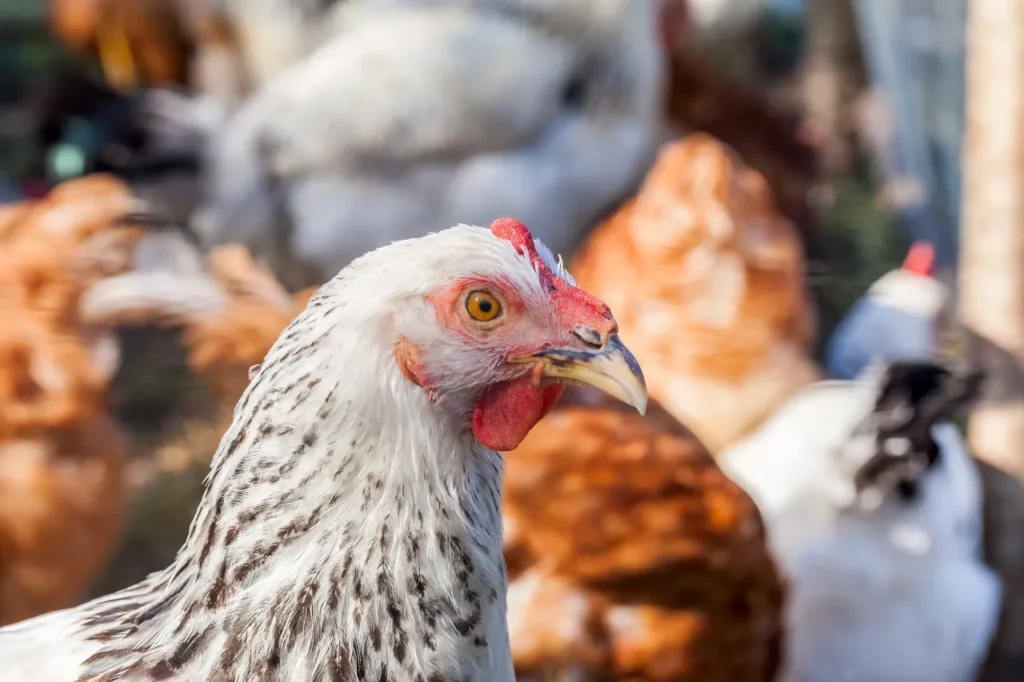
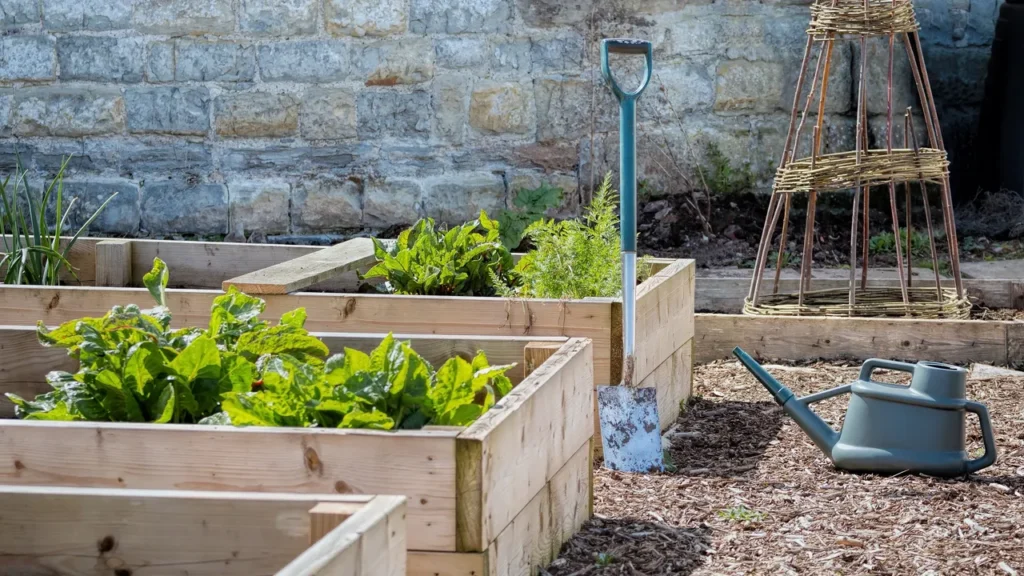
This morning I started with my usual rounds: hand-weeding a few spots in the herb garden and torching some early weeds along the fence before they could set seed. My pregnant mini mare is getting extra gentle attention these days—calm routines and the cleanest pasture we can provide so nothing can affect her or her growing foal. The Siberian huskies were zooming happily in their own safe area, the llamas and alpacas stood their steady watch, and the chickens and ducks scratched and splashed contentedly in their secure run. These simple, toxin-free moments make all the extra effort worthwhile. The soil feels alive underfoot, our animals stay strong and healthy, and we have real peace of mind knowing we’re not bringing any of these chemicals onto the land.
In Part 5 we followed the money through Syngenta’s role, the lawsuits over contaminated water, and the ongoing regulatory battles. Now in Part 6 we go back to the beginning: how atrazine was discovered, its corporate journey, and why it’s still one of the most heavily used herbicides in the U.S. corn belt despite being banned or heavily restricted in the European Union and many other countries. This history shows the same pattern we’ve seen with glyphosate and paraquat—economic convenience winning out over long-term health and environmental concerns.
Discovery and Early Development (1950s–1960s)
Atrazine belongs to the triazine class of herbicides. Its herbicidal properties were discovered in the mid-1950s by researchers at the Swiss company J.R. Geigy (which later became part of Ciba-Geigy and eventually Syngenta). Geigy scientists were screening triazine compounds for potential use as herbicides. Atrazine stood out for its ability to control broadleaf weeds and some grasses while showing acceptable selectivity in corn.
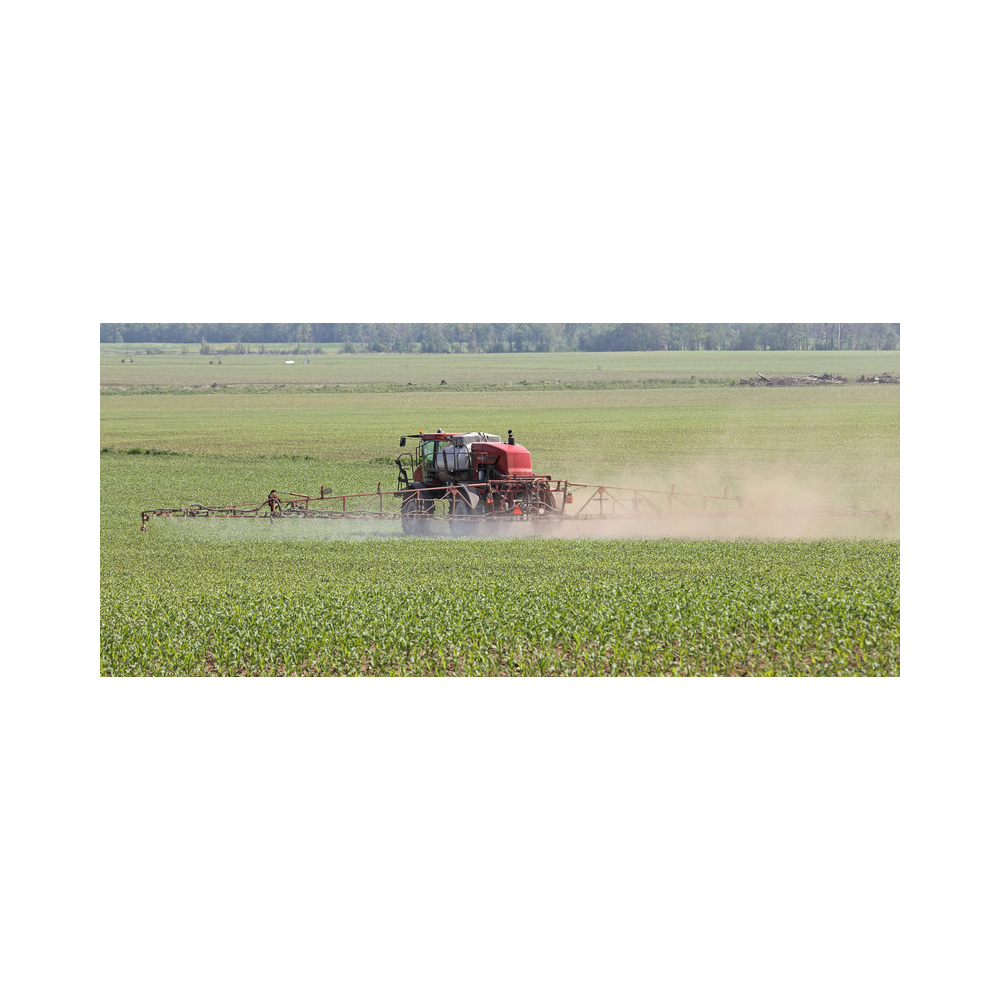
By the late 1950s and early 1960s, field trials confirmed its effectiveness. It was commercialized in the U.S. in 1958 under the trade name Aatrex (and other names). Farmers quickly adopted it because it provided reliable residual control—staying active in the soil to prevent weed emergence for weeks to months after application. This made it especially valuable in large-scale corn production.
Corporate History: From Geigy to Syngenta
• 1950s–1970s: J.R. Geigy and then Ciba-Geigy dominated production and marketing. Atrazine became a cornerstone of chemical weed control in U.S. corn farming during the Green Revolution era.
• 1990s–2000s: After mergers, the company became Novartis, then spun off its agribusiness division to form Syngenta in 2000. Syngenta has remained the primary manufacturer and defender of atrazine in the U.S. market.
• 2017 onward: ChemChina (now Sinochem) acquired Syngenta. The company continues to produce and sell atrazine formulations while fighting regulatory challenges and lawsuits.
Generic manufacturers also produce atrazine, keeping supply abundant and prices low for conventional growers. This economic accessibility has helped atrazine maintain its position as the #2 herbicide in the U.S. (behind glyphosate).
Why It’s Still Widely Used in the U.S. Despite Global Restrictions
Atrazine is banned or severely restricted in the European Union (since 2004) and many other countries due to persistent groundwater contamination and concerns about endocrine disruption. The EU cited the precautionary principle—risks to water quality and potential hormone effects outweighed the benefits.
In the United States, the EPA has conducted multiple re-registrations and special reviews. Current status:
• Classified as a restricted-use pesticide in some contexts, but still broadly available for corn.
• Drinking water maximum contaminant level set at 3 ppb, with seasonal monitoring requirements in vulnerable areas.
• The agency has proposed adjustments to allowable levels in surface water in recent reviews, drawing criticism from environmental groups who argue protections are insufficient.
Reasons it remains legal here include:
• Strong economic importance for U.S. corn production (corn is a massive commodity crop used for feed, ethanol, and processed foods).
• Perceived ability to manage risks through application restrictions, buffer zones, and certified applicator requirements.
• Industry arguments that benefits (reliable weed control, no-till compatibility) outweigh risks when used according to label directions.
Independent scientists and advocacy groups counter that the EPA underestimates low-dose endocrine effects (seen in amphibians at <1 ppb) and fails to fully account for cumulative exposure and mixtures with other pesticides.
The Pattern: Economic Convenience vs. Long-Term Consequences
Atrazine followed the familiar trajectory: rapid adoption for its effectiveness and residual activity, followed by decades of evidence on water contamination and hormone disruption, global phase-outs, and prolonged defense in the U.S. The same persistence that makes it a good weed killer also makes it a stubborn contaminant in groundwater and rivers. Yet it remains a staple in conventional Midwest corn systems because it’s cheap, effective, and deeply embedded in the current agricultural model.
On our homestead, this history reinforces why we never let it near our land. We hand-weed and torch weeds because those methods don’t leave persistent hormone-disrupting residues or force us into the cycle of contamination that conventional systems accept. Our pregnant mini mare grazes clean pasture we’ve built without these shortcuts. Our huskies, llamas, alpacas, chickens, and ducks live in an environment free from the burdens atrazine brings.
Series Roadmap – What’s Next (The Final Part!)
Part 7: Reclaiming our land—our exact holistic, regenerative methods we use every day (hand-weeding, torch burning, mulch, cover crops, livestock grazing with our mini horses and llamas/alpacas), Michigan-specific tips, and a free printable checklist.
This deep history isn’t just old news—it explains why so many of us have walked away from the chemical treadmill entirely. We can learn from the past and build something better for our farms and families.
Pin/save the entire series and comment below: Did the contrast between U.S. use and global bans surprise you? How has this history shaped your choices on the homestead? I read every comment and appreciate your stories.
If you want to support a small regenerative farm that refuses these chemicals, check our shop for wildcrafted salves (perfect for hands after torching or weeding), herbal teas grown right here without sprays, or non-GMO seeds to start your own clean garden. Every purchase helps us keep protecting what matters.
We don’t have to carry forward this toxic legacy. We can choose healthier soil, healthier animals, and healthier families—one deliberate, natural step at a time.
See you in the final Part 7, farm gals!
With love from the pasture,
Kara
Lange Girl Farms