Hey farm gals, it’s Kara from Lange Girl Farms!
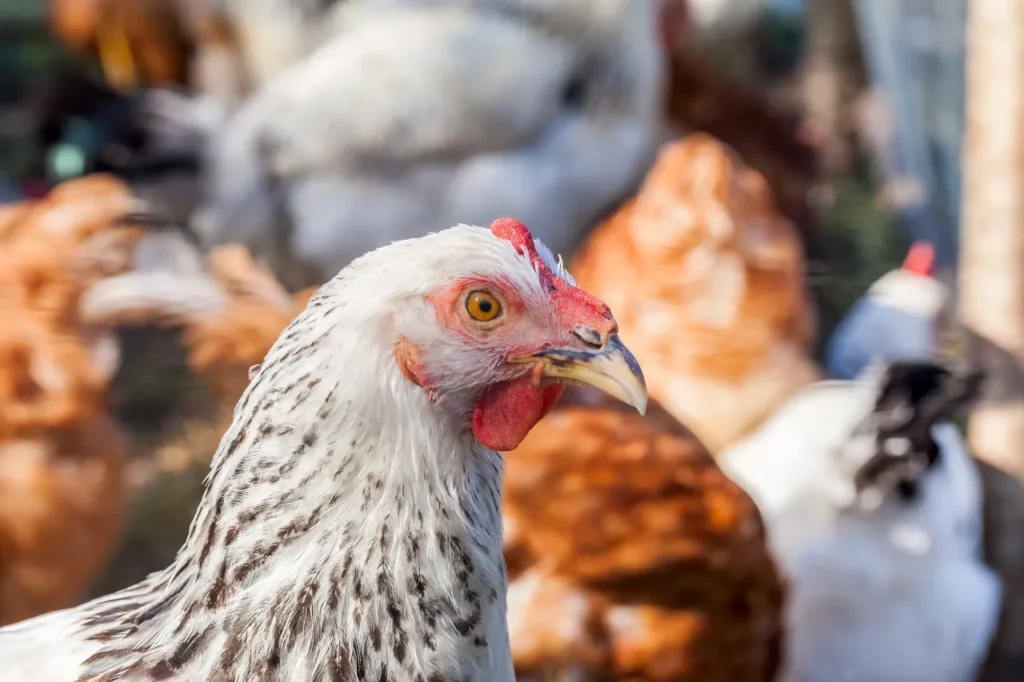
After breaking down the auxin-mimic chemistry and the volatility issues in Part 2, I spent some time this morning hand-weeding around the herb beds and torching a few stubborn early patches before they could spread. My pregnant mini mare got her usual gentle care—calm routines and the cleanest forage we can provide, with no risk of drift or hidden residues affecting her or her growing foal. The Siberian huskies were zooming safely in their own area, the llamas and alpacas kept their watchful guard, and the chickens and ducks foraged happily in their secure run. These simple, toxin-free moments remind me why we refuse every chemical shortcut on this regenerative homestead.
In Part 3 we face the real human and animal cost of 2,4-D and dicamba: hormone-like disruption, reproductive risks, damage to non-target plants (the heart of the drift wars), and broader wildlife impacts. These synthetic auxins don’t just kill weeds—they overstimulate growth in anything sensitive, and their volatility means the damage doesn’t stop at the field edge. We’re going full detail with mechanisms and documented effects because regenerative homestead gals need the unfiltered truth to protect our families, pregnant animals, and land.
Humans: Hormone Disruption & Reproductive Concerns
2,4-D and dicamba are synthetic auxins designed to mimic the plant hormone auxin, but they can also interfere with human and animal hormone systems at certain exposure levels.
Key concerns include:
• Endocrine disruption: Both chemicals can affect estrogen and androgen pathways. Studies have linked occupational or environmental exposure to altered hormone levels, reduced sperm quality, and possible reproductive issues.
• Developmental and birth defect risks: Epidemiologic data suggest associations with birth defects (e.g., hypospadias, gastroschisis) when exposure occurs during critical pregnancy windows. Farm families and communities near heavy spraying show higher concern.
• Cancer links: 2,4-D is classified by IARC as “possibly carcinogenic to humans” (Group 2B), with some studies showing elevated risk of non-Hodgkin lymphoma in heavily exposed applicators. Dicamba has fewer direct cancer classifications but shares similar concerns in mixture exposures.
• Acute exposure: Drift or direct contact can cause eye/skin irritation, nausea, and respiratory issues.
Because these herbicides are used on millions of acres of corn, soy, and cotton, low-level dietary and drift exposure is common in Midwest agricultural regions.
Livestock: Reproductive Risks & Special Concern for Pregnant Animals
Our pregnant mini mare gets nothing but clean pasture for a reason. Synthetic auxins can disrupt hormone balance in mammals, leading to:
• Reproductive effects: Altered estrous cycles, reduced conception rates, embryonic loss, and developmental abnormalities in offspring when exposure occurs during pregnancy.
• Oxidative stress and inflammation: Documented in liver, kidney, and reproductive tissues of exposed animals.
• Horses and sensitive species: Livestock studies show particular vulnerability during gestation. Even low-level drift or contaminated feed can contribute to hormonal imbalance.
That’s why we’re so careful with our expectant mare—her forage and environment stay completely free of these auxin mimics. Our chickens and ducks also benefit from the clean system, producing strong eggs without the reproductive stress seen in conventionally raised poultry exposed to contaminated feed or water.
Non-Target Plants: The Core of the Dicamba Drift Wars
This is where the “drift wars” became legendary. Dicamba (especially) is highly active on broadleaf plants at extremely low doses:
• Soybeans and cotton: Non-Xtend varieties curl, cup, and can be stunted or killed by tiny amounts of drift.
• Gardens, orchards, vineyards, and trees: Home gardens, vegetable crops, fruit trees, and ornamental plants are extremely sensitive. Drift has destroyed entire backyard gardens and commercial orchards.
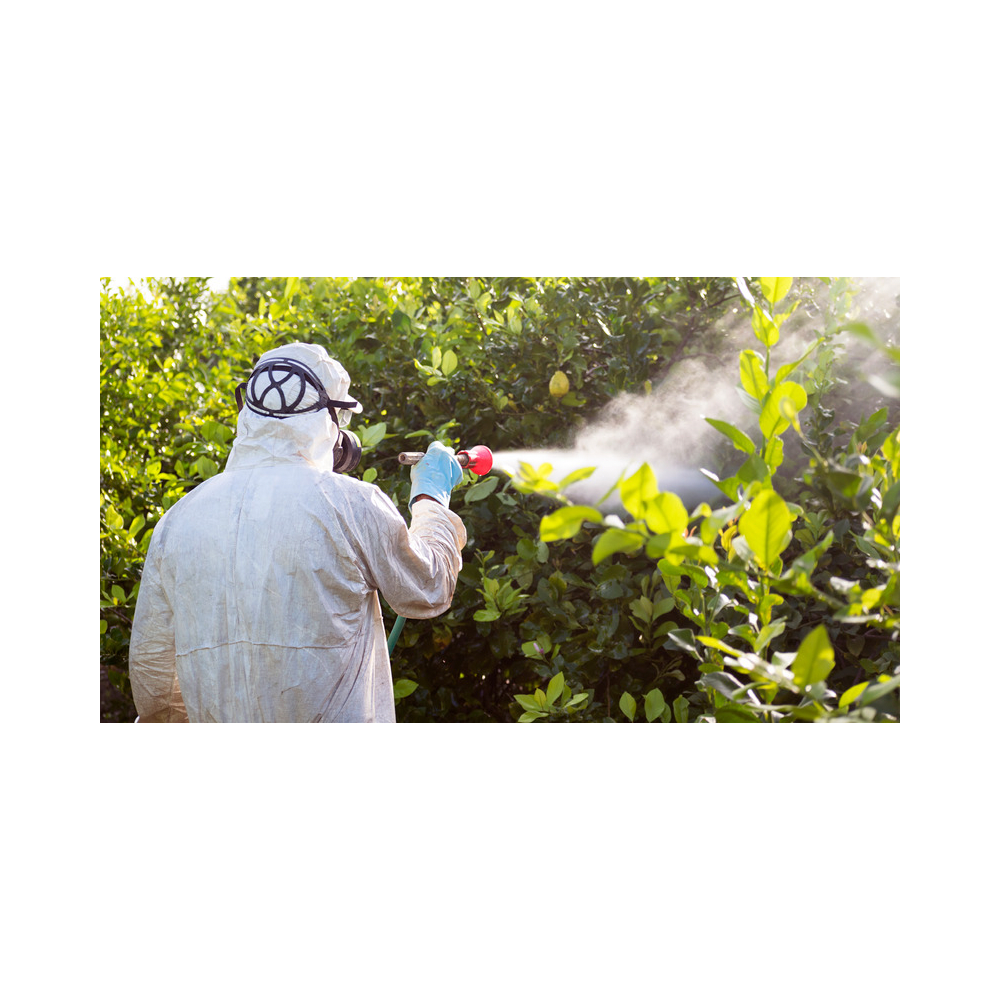
• Wild and native plants: Pollinator habitats, hedgerows, and natural areas suffer collateral damage, reducing biodiversity and food sources for insects and birds.
Even “low-volatility” formulations have caused widespread off-target injury, sometimes miles from the application site during temperature inversions. 2,4-D is generally less volatile but can still cause similar broadleaf damage under the right conditions.
Wildlife & Broader Ecosystem Impacts
• Pollinators and beneficial insects: Damage to flowering plants reduces nectar and pollen sources. Some studies suggest direct sublethal effects on bees and other insects.
• Birds and small mammals: Loss of habitat and food plants from drift can indirectly affect populations. Direct toxicity is lower than with some older herbicides, but ecosystem disruption is real.
• Aquatic life: Runoff can reach streams and ponds. While less persistent than atrazine in some cases, auxin herbicides can affect aquatic plants and indirectly harm fish and invertebrates by altering habitat.
The drift wars have turned neighbor against neighbor, with regenerative and organic farmers often suffering the most when sensitive crops or wild areas are damaged.
The Bigger Picture: Why This Toll Hits Regenerative Farms Hardest
We build soil biology, support pollinators, and protect water quality because that’s what sustains healthy animals and truly clean food. 2,4-D and dicamba undermine all of it with their volatility and non-target activity. Our hand-weeding and torch work take more effort, but they don’t travel miles on the wind or destroy someone else’s garden. Our pregnant mini mare grazes clean pasture we’ve built without these risks. Our huskies, llamas, alpacas, chickens, and ducks live in an environment free from the hormone-like disruption these auxins can cause.
Seeing our herd thrive while knowing what conventional systems expose neighboring farms and wildlife to drives home the choice we’ve made.
Series Roadmap – What’s Next
Part 4: On our plates – residues in crops, animal products, and processed foods from 2,4-D/dicamba-tolerant systems.
Part 5: Follow the money – manufacturers (Bayer for Xtend, Corteva for Enlist), massive drift lawsuits, and regulatory battles.
Part 6: The roots – discovery and history of phenoxy herbicides (2,4-D ties to Agent Orange era), development of dicamba, and the push for new GE crops.
Part 7: Reclaiming our land – our exact holistic methods (hand-weeding, torch burning, mulch, cover crops, livestock grazing with our mini horses and llamas/alpacas), Michigan-specific tips for drift-prone areas, and free printable checklist.
This series is for every homestead gal tired of watching volatile herbicides destroy what we’ve worked so hard to keep clean. Knowledge helps us make better choices.
Pin/save the series and comment below: Have you experienced dicamba or 2,4-D drift on your property? What signs have you seen in plants or animals after nearby spraying? I read every comment.
If you want to support a farm refusing these chemicals entirely, check our shop for wildcrafted salves (soothing after hand-weeding or torch work), herbal teas grown right here without sprays, or non-GMO seeds for your regenerative garden. Every purchase helps us keep protecting our land and animals.
We can protect our farms, our families, and our neighbors’ crops—one holistic choice at a time.
See you in Part 4, farm gals!
With love from the pasture,
Kara
Lange Girl Farms