Hey farm gals, it’s Kara from Lange Girl Farms!
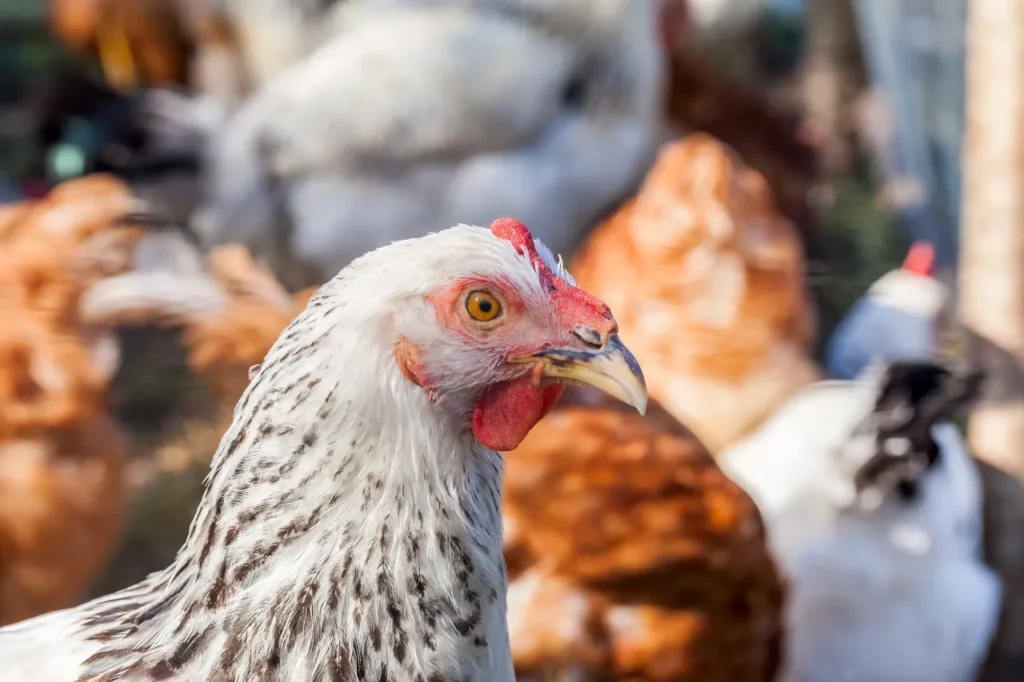
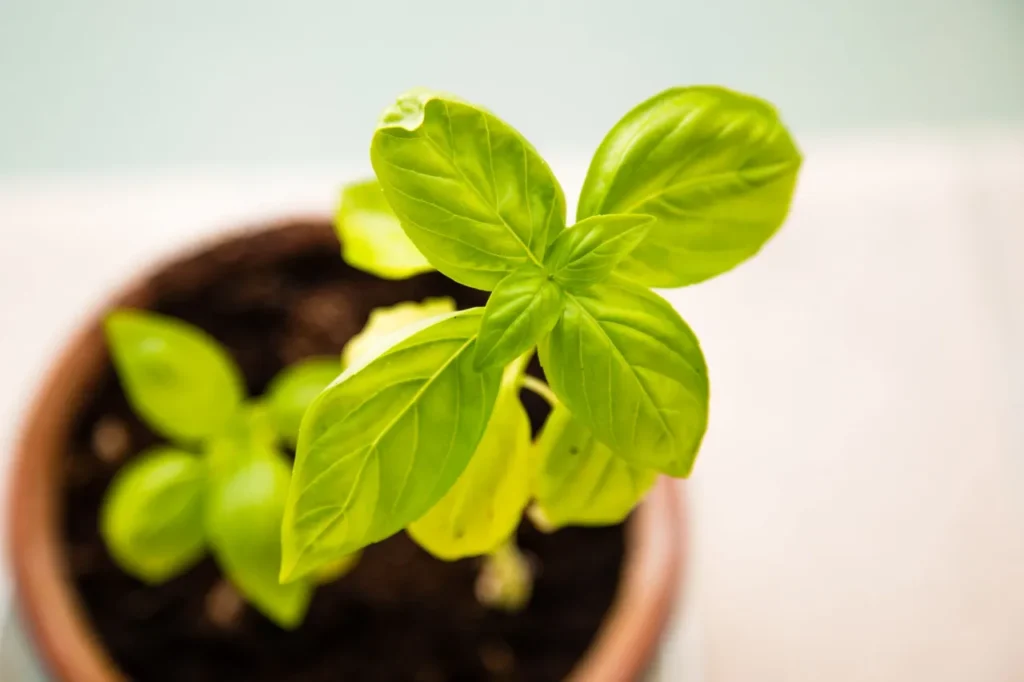
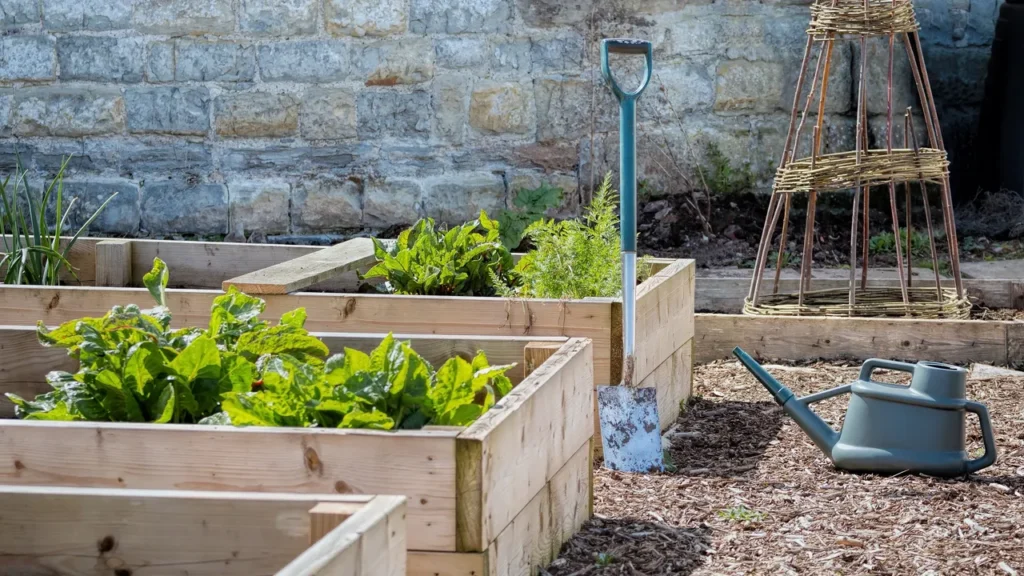
This morning I was out hand-weeding a few spots in the herb garden and torching some early weed patches along the fence line. My pregnant mini mare got her usual gentle care—calm routines and the cleanest forage we can provide so nothing can affect her or her growing foal. The Siberian huskies were zooming safely in their own area, the llamas and alpacas stood their steady watch, and the chickens and ducks foraged happily in their secure run. These simple, toxin-free moments make all the extra effort worthwhile. The soil feels alive underfoot, our animals stay strong and healthy, and we have real peace of mind knowing we’re not bringing any of these chemicals onto the land.
We’ve now finished the full series on glyphosate, paraquat, and atrazine. Today we start the next one: neonicotinoids — the systemic insecticides used as seed treatments on corn, soybeans, and other crops. These chemicals are absorbed by the plant and end up in pollen, nectar, dust, and waterways, causing widespread harm to bees, butterflies, birds, and aquatic life. They’re often called “neonics” and are among the most commonly used insecticides in the world, yet they’re banned or heavily restricted in the EU and several other countries.
This series will follow the same format as the others: seven deep-dive parts with the full science, impacts on pollinators and wildlife, human and livestock concerns, food residues, corporate money trail, history, and — most importantly — the practical holistic methods we use every day so our animals and land stay protected.
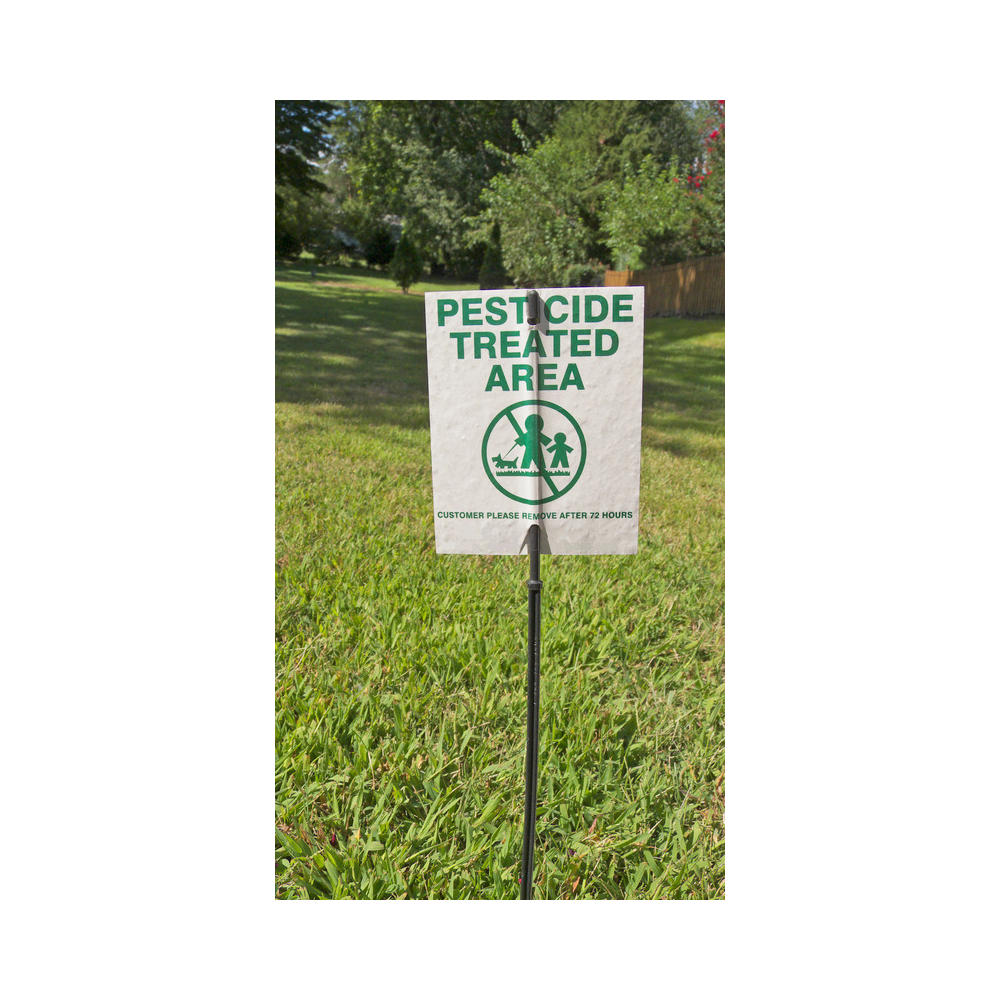
In Part 1 we’re starting with the wake-up call: how neonics are used as seed coatings, the documented collapse of bee colonies and bird populations, the contamination of Midwest waterways, and why this hits regenerative homesteads like ours so hard. No sugar-coating—just the facts and why we say no.
The Current Reality: Ubiquitous Seed Treatments in the Midwest
Neonicotinoids (imidacloprid, clothianidin, thiamethoxam, etc.) are applied as coatings on almost every corn and soybean seed planted in the U.S. They’re systemic — the chemical is absorbed by the seedling and spreads throughout the plant, including into pollen and nectar. This “prophylactic” use means the insecticide is present from the moment the seed germinates, whether pests are present or not.
In the Midwest corn and soy belts, the vast majority of planted acres are treated with neonics. The result is constant low-level exposure for anything that interacts with those plants: bees collecting pollen, birds eating treated seeds or contaminated insects, and aquatic life in runoff water.
The Devastating Impact on Pollinators and Birds
Neonics are highly toxic to insects, especially bees. They affect the central nervous system, impairing foraging, navigation, memory, and colony health. Key findings:
• Multiple large-scale studies link neonic seed treatments to bee colony collapse, reduced queen production, and weakened immune systems.
• Wild bees and butterflies are also heavily impacted, contributing to declining populations of native pollinators.
• Birds: Granivorous birds can be poisoned by eating just a few treated seeds. Studies show population declines in farmland birds correlated with neonic use. Even small amounts can cause disorientation, reduced reproduction, and death.
The European Union banned the outdoor use of the three main neonics (imidacloprid, clothianidin, thiamethoxam) years ago due to these effects. In the U.S., the EPA has placed some restrictions but has not issued a full ban on seed treatments, despite ongoing pressure from beekeepers, environmental groups, and independent scientists.
Waterway Contamination & Broader Ecosystem Harm
Neonics are highly water-soluble and mobile. Runoff from treated fields carries them into streams, rivers, and ponds, where they are toxic to aquatic invertebrates (the base of the food chain for fish and birds). Detections in Midwest surface water are common, sometimes at levels that harm sensitive species.
This creates a cascading effect: fewer insects mean fewer birds, fewer pollinators mean poorer crop yields for everyone (including us trying to grow without chemicals), and contaminated water affects drinking sources and aquatic ecosystems.
Why This Hits Regenerative Homesteads Like Ours
Living in Southeast Michigan, near heavy corn and soy areas, drift, dust from planting, and runoff are real worries. We refuse neonic-treated seeds entirely because:
• Our pollinators (and the wild bees that visit our gardens) deserve protection.
• Our pregnant mini mare and the rest of the herd get clean forage free from systemic insecticides.
• Our huskies, llamas, alpacas, chickens, and ducks live without the neurological or reproductive risks that come with contaminated environments or feed.
We hand-weed and torch weeds, plant cover crops, and support beneficial insects because those methods build a resilient system instead of poisoning it from the seed up.
Series Roadmap – What’s Coming Next
Part 2: Neonicotinoids 101 – the chemistry, how they work as systemic seed treatments, and why they persist in pollen, nectar, dust, and water.
Part 3: The devastating toll on pollinators (bee colony collapse), birds, aquatic life, and broader ecosystems.
Part 4: On our plates – residues in crops, animal products, and the cumulative load from neonic-treated systems.
Part 5: Follow the money – major manufacturers (Bayer, Syngenta, Corteva), lawsuits, and regulatory battles.
Part 6: The roots – discovery in the 1980s–1990s, rapid adoption as seed coatings, and the shift from spray to prophylactic use.
Part 7: Reclaiming our land – our exact holistic methods (hand-weeding, torch burning, mulch, cover crops, livestock grazing with our mini horses and llamas/alpacas), Michigan-specific tips, and how we support pollinators without neonics.
This series is for every homestead gal who’s watched pollinators disappear or worried about what’s really in the seeds and feed we buy. We don’t have to accept it.
Pin/save the series and comment below: Have you seen fewer bees or birds on your property? Are you already avoiding neonic-treated seeds? I read every comment.
If you want to support a farm refusing these chemicals entirely, swing by the shop for our wildcrafted salves (great after hand-weeding or torch work), herbal teas grown right here without sprays, or non-GMO seeds for your own regenerative garden. Every purchase helps us keep protecting our land and animals.
We can protect our pollinators, our animals, and our future—one holistic choice at a time.
See you in Part 2, farm gals!
With love from the pasture,
Kara
Lange Girl Farms