Hey farm gals, it’s Kara from Lange Girl Farms here in Southeast Michigan.
June is here and BBQ season is in full swing, so I’ve been thinking even more about what actually ends up on the grill and in our freezers. Different beef breeds produce noticeably different meat — in marbling, flavor, tenderness, and how well they fit a real homestead, especially in cold, wet climates like Michigan. Today we’re going deep into the major breed groups so you can see what might work best on your own place.
British Breeds – The Marbling Kings
These are the most common beef breeds in the U.S. and the ones most people picture when they think “steak.”
• Black Angus — The gold standard for consistent marbling, tenderness, and rich flavor. Grain-finished Angus often grades Choice or Prime. On pasture they still marble well but stay a bit leaner. Excellent mothering traits and good disposition make them popular for homesteaders who want reliable results.
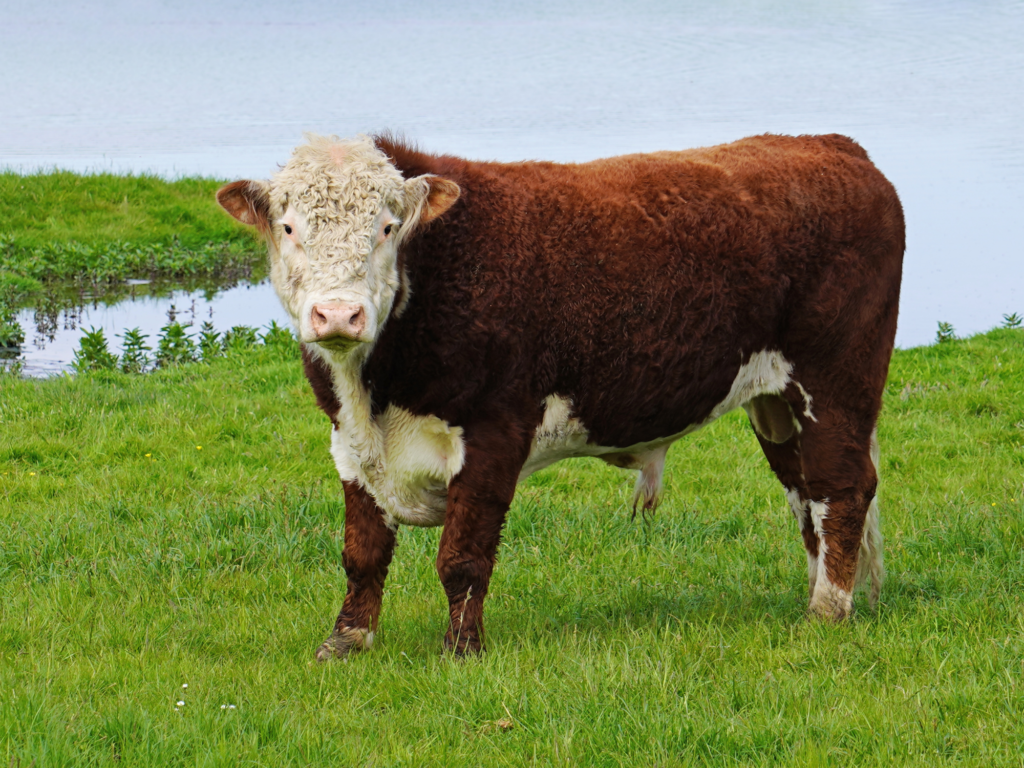
• Hereford — Similar marbling to Angus with a slightly deeper, more robust flavor. Very hardy, excellent grazers, and strong foragers. Great choice if you want cattle that do well on grass with less supplementation.
• Shorthorn — Good marbling, flavorful meat, and strong dual-purpose (milk + meat) potential in some lines. They’re hardy and adaptable.
British breeds generally give you that classic, juicy, well-marbled steak experience. They reward good finishing and proper aging.
Continental / European Breeds – Maximum Yield & Lean Growth
These bigger-framed breeds were developed for fast growth and high muscle mass.
• Charolais, Limousin, Simmental, Gelbvieh — Excellent converters of forage into lean meat. They produce high carcass yields and grow quickly. On grass they stay very lean, which some people love for clean, high-protein cuts. Tenderness can be good when slaughtered young and properly aged, but they usually have less marbling than British breeds, so the meat can be a little firmer if not managed well.
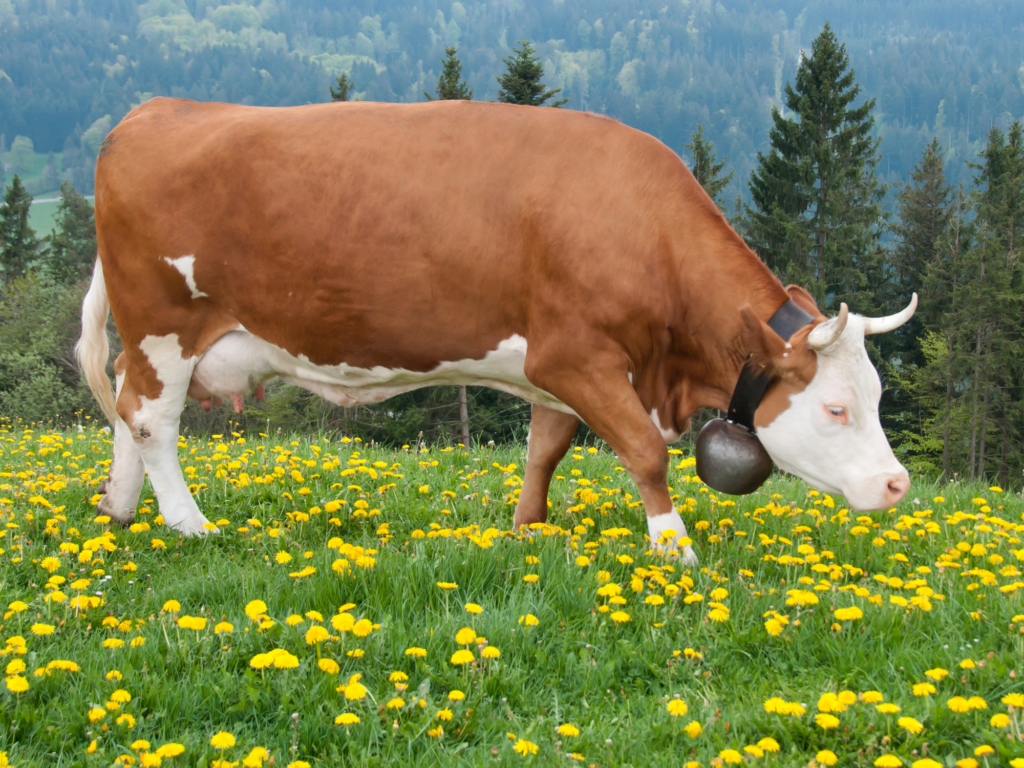
These are great if your goal is maximum pounds of beef per animal and you have good pasture or are willing to supplement.
Heritage & Specialty Breeds – Hardy & Flavorful
These are the ones many homesteaders fall in love with for their efficiency and character.
• Dexter — Small, efficient, and perfect for smaller acreages. Good marbling and very flavorful meat with much lower feed requirements. Easy to handle and great for first-time cattle owners.
• Belted Galloway — Striking looks, thick coats, excellent grazing ability, and nice marbling with rich flavor. Very cold-hardy and do well on rough pasture.
• Texas Longhorn — Extremely hardy, disease-resistant, and thrive on marginal land with minimal input. Lean meat with good flavor and lower fat. They’re survivors that can handle heat, cold, and poor forage.
Heritage breeds often shine for low-input, grass-based systems and bring unique, old-fashioned flavor.
How Breeds Perform Day-to-Day on a Real Homestead
From my Ag degree knowledge and talking with other homesteaders across cold climates:
• Cold, wet areas like Michigan: Highland (Part 3), Belted Galloway, and Dexter crosses often do best because of their coats, efficient forage use, and hardiness.
• Small acreage: Dexters or Highland crosses win for manageable size and lower feed needs.
• Maximum meat volume: Angus or Continental crosses.
• Dual-purpose (milk + beef): Some Shorthorn or Dexter lines.
There is no single “best” breed. The right one matches your land, climate, goals (pure meat, milk+meat, grass-only), and how much daily management you want. The key is choosing animals that thrive on your pasture instead of fighting the land.
In Part 3 we’ll zoom in on Highland cattle specifically — why they stand out for meat quality, marbling, cold-climate performance, and even the royal family connection.
I’d love to hear from you ladies. What beef breed are you raising or considering? Have you noticed big differences in meat quality between breeds on the grill or in the freezer? Or are you thinking about trying a heritage breed this year?
Drop your experiences below — I really do read every single comment. Let’s keep learning together and making the best choices for our families and our land.
With love and dirt under my nails,
Kara
Lange Girl Farms