Hey farm gals, it’s Kara from Lange Girl Farms here in Southeast Michigan.
June is here and BBQ season is in full swing, so I’ve been pulling more meat out of the freezer and thinking about the animals behind it. In Part 2 we walked through the major beef breed groups and how they differ in marbling, flavor, tenderness, and homestead performance. Today we’re giving Highland cattle the full spotlight they deserve — because in my opinion, and in the experience of many cold-climate homesteaders, they are one of the very best choices for raising superior meat on a regenerative homestead.
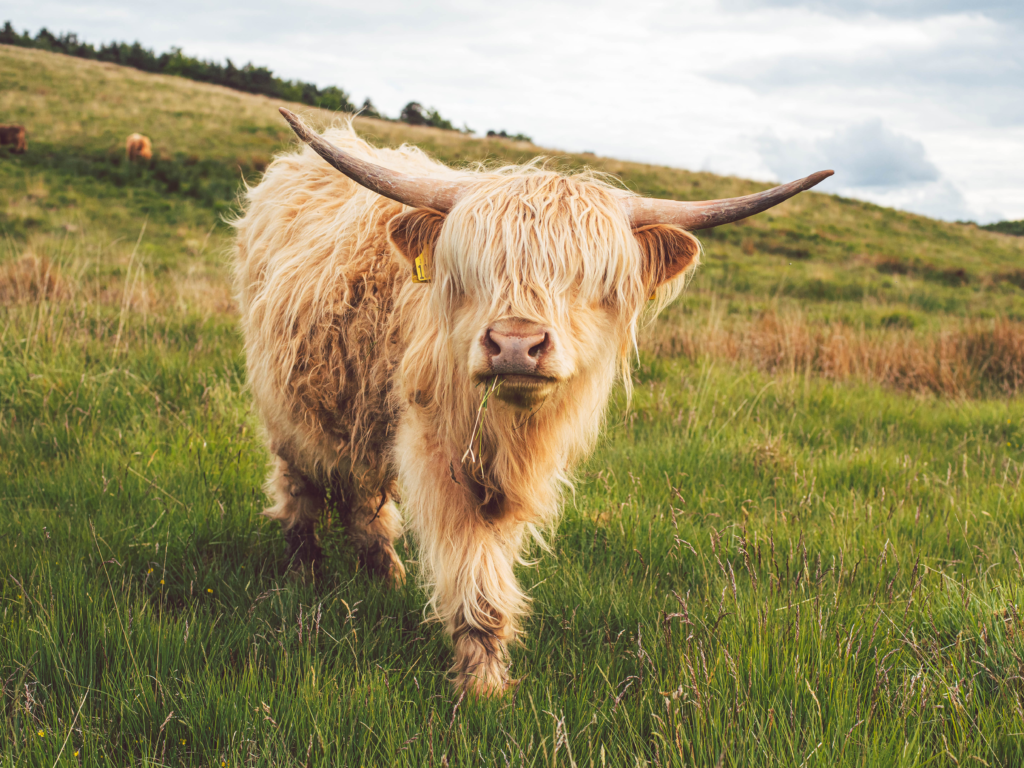
I’ve been drawn to Highlands for years. Their thick, shaggy coats, calm dispositions, and ability to thrive in tough conditions remind me a lot of our guardian Lakota — hardy, efficient, and perfectly suited to the land. As a Colorado native who grew up around Western ranching, I know how important it is to have cattle that handle cold, wet, and variable weather without needing constant pampering. Highlands check every box.
Why Highland Cattle Stand Out for Meat Quality
Highland cattle are often described as producing “old-fashioned” beef — clean, rich flavor with excellent tenderness despite being a naturally leaner breed. Here’s why they shine:
• Marbling Done Right: Highlands store fat inside the muscle (intramuscular) rather than as thick external layers. This gives beautiful marbling in a package that stays relatively lean overall. The result is juicy, flavorful steaks and roasts that don’t have the heavy fat cap you sometimes see in heavier British breeds. Many people who have tried both say Highland beef has a slightly sweet, clean taste with none of the “gamey” notes some find in other heritage breeds.
• Tenderness: Even though they are leaner, proper aging (dry or wet) brings out remarkable tenderness. Their genetics and active foraging lifestyle contribute to fine muscle texture.
• Flavor: Grass-finished Highland beef has that deep, beefy, old-fashioned taste many of us crave. It’s the kind of meat that makes you slow down and savor it — perfect for summer grilling or slow-cooked winter meals.
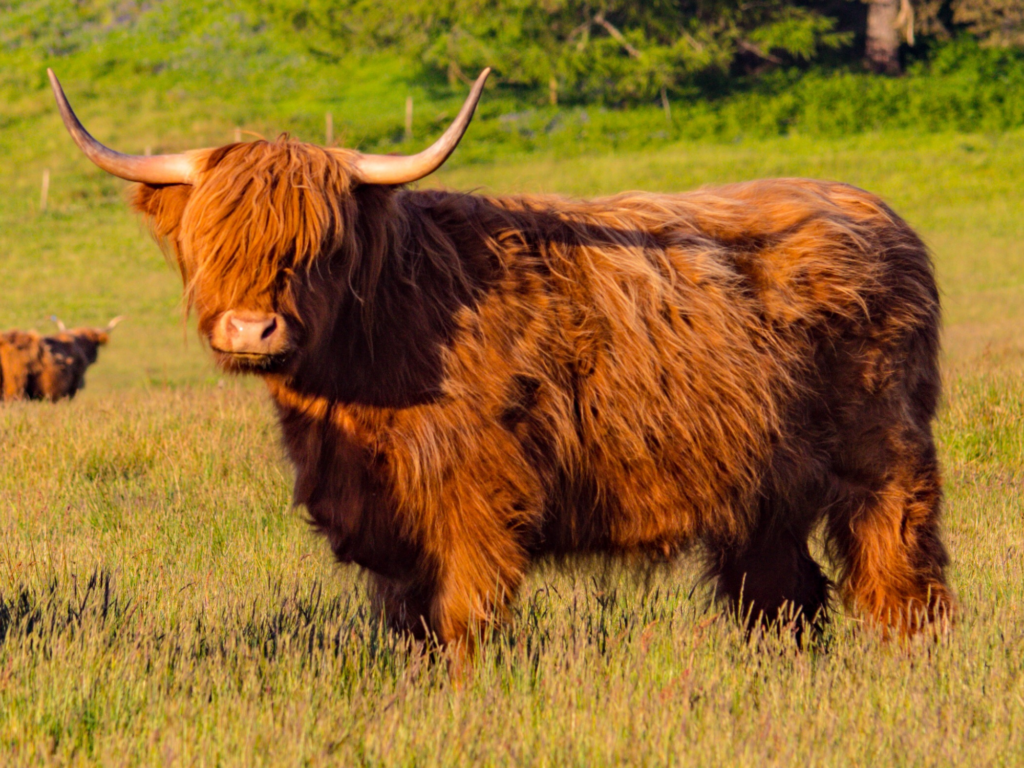
Studies and taste trials (including work from Scottish agricultural colleges and U.S. universities) consistently rank Highland beef high for flavor and overall eating quality, especially when grass-finished.
Perfect for Cold Climates Like Michigan
This is where Highlands really win for homesteaders in northern states:
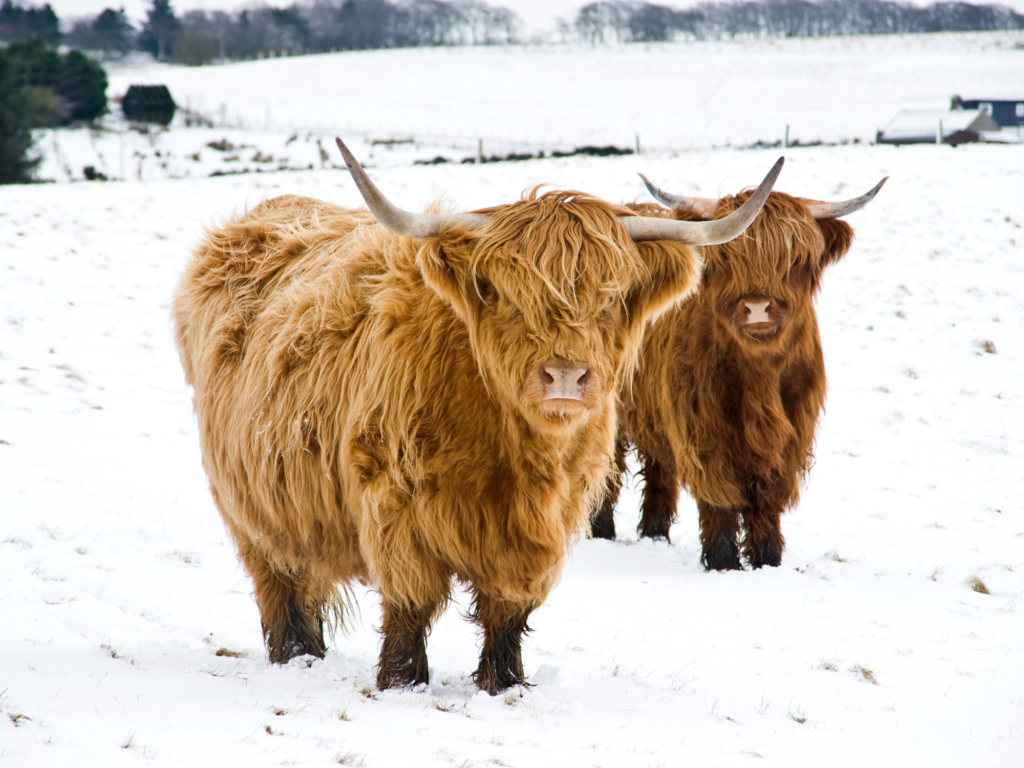
• Hardiness: Their thick double coats (outer long hair + soft undercoat) make them incredibly cold-tolerant. They do well in snow, rain, and wind with minimal shelter. We don’t have to worry about them as much during Michigan winters as we would with some thinner-coated breeds.
• Efficient Foragers: They thrive on pasture and rough forage that other breeds might struggle with. Lower input costs and less supplemental feed.
• Mothering & Temperament: Excellent mothers with calm, people-friendly dispositions — a big plus when you’re working with them on a small homestead.
For operations like ours in Southeast Michigan, Highlands (or Highland crosses) are often the smartest choice for sustainable, low-maintenance meat production.
The Royal Connection
One fun fact that always makes people pause: the British royal family has maintained a herd of Highland cattle at Balmoral Castle in Scotland for generations. They specifically choose Highland beef for the royal table. That’s not marketing hype — it’s a long-standing preference for the quality, flavor, and leanness of the meat. When one of the most tradition-minded families in the world picks Highland cattle, it says something powerful about the breed.
How Highlands Compare on the Homestead
Compared to the breeds we covered in Part 2:
• Vs. Angus: Less extreme marbling but often better flavor depth and hardiness in cold/wet conditions. Lower maintenance.
• Vs. Continental breeds: More marbling and flavor, better mothering, and superior cold tolerance.
• Vs. other heritage breeds: Excellent balance of size, meat quality, and efficiency.
Many homesteaders in northern climates report that Highlands give them the best combination of easy keeping, great-tasting meat, and realistic yields without needing intensive grain finishing.
In the next part we’ll do the full head-to-head nutrition comparison — Highland and other beef breeds versus chicken, lamb, goat, pork, turkey, and then move into wild game.
I’d love to hear from you ladies. Have you raised Highland cattle or tried their meat? What drew you to them (or what’s holding you back)? Or if you raise another breed, how does it compare in your experience?
Drop your thoughts and experiences below — I really do read every single comment. Let’s keep learning together and making the best choices for our families and our land.
With love and dirt under my nails,
Kara
Lange Girl Farms