Hey farm gals, it’s Kara from Lange Girl Farms here in Southeast Michigan.
June is here and BBQ season is in full swing, so I’ve been pulling different cuts out of the freezer and really paying attention to how they taste and how they make us feel. In Part 2 we looked at major beef breeds and how they perform on the homestead. In Part 3 we spotlighted Highland cattle and why they shine for meat quality and cold-climate operations like ours. Today we’re getting into the numbers that matter at the dinner table: a head-to-head nutrition comparison between beef breeds (with Highland highlighted) and the other common livestock meats — chicken, lamb, goat, pork, and turkey.
I’ve pulled from university studies, USDA data, and real pasture-raised comparisons because that’s what most of us aim for on the homestead. Grass-fed and pasture-raised options consistently show better fatty acid profiles and higher levels of beneficial compounds. Here’s the practical breakdown so you can see what’s actually going onto your family’s plates.
The Comparison Framework
We’re looking at approximate values for 100g (3.5 oz) cooked servings of common cuts, focusing on grass-fed/pasture-raised where data is available. Key metrics: calories, protein, total fat, saturated fat, iron, zinc, B12, omega-3s, and CLA (conjugated linoleic acid).
Beef Breeds – The Nutrient Powerhouses
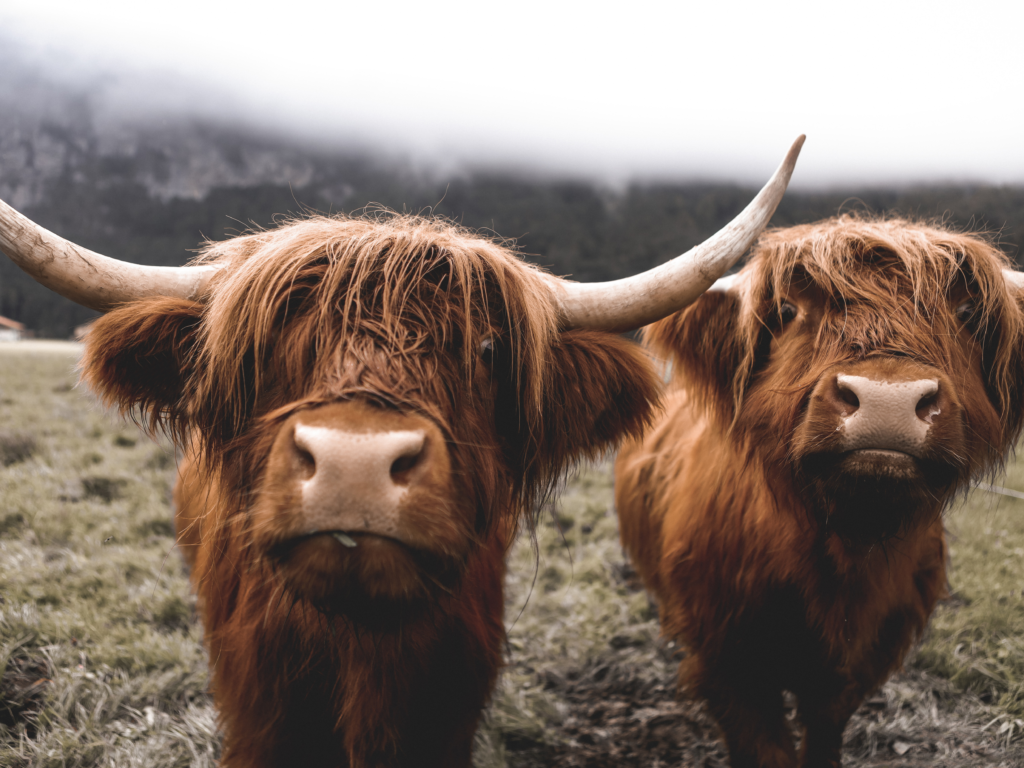
Grass-fed Highland Beef
• Calories: ~180–210
• Protein: 26–29g
• Total Fat: 8–12g (well-marbled yet lean overall)
• Iron & Zinc: Excellent (higher than average beef)
• Omega-3s & CLA: Strong due to grass diet and efficient fat storage
Highland stands out for delivering rich flavor and good marbling in a relatively lean package. It’s often described as having old-fashioned, clean taste with tenderness that surprises people.
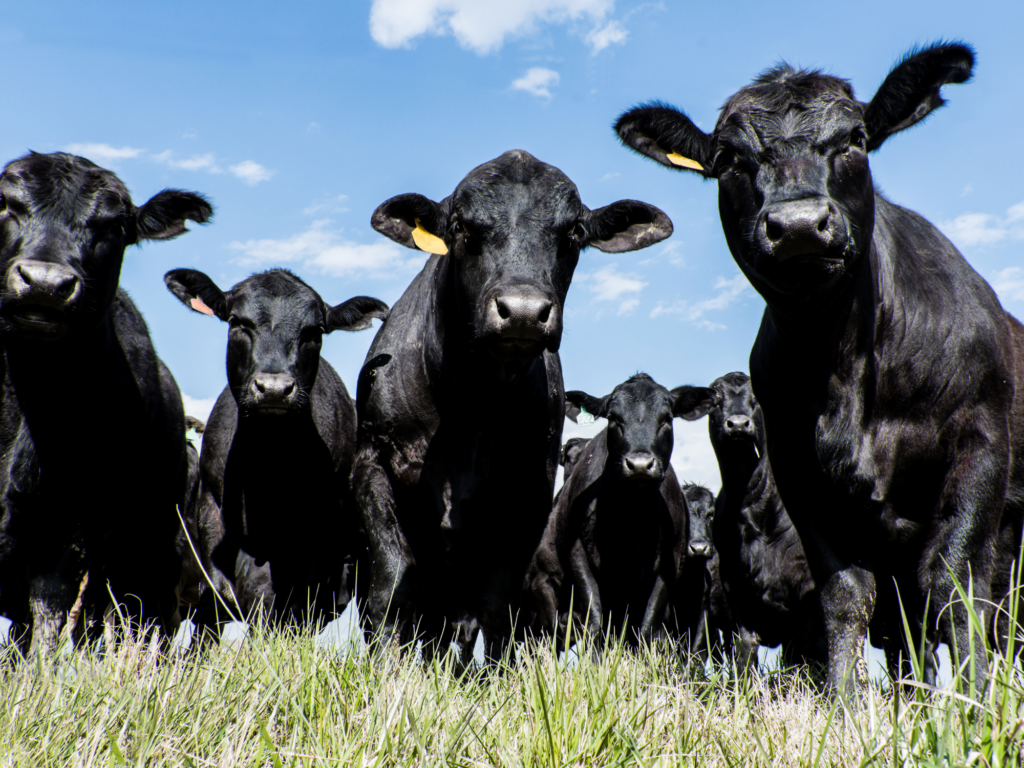
Grass-fed Angus / British Breeds
• Calories: 190–230
• Protein: 25–28g
• Total Fat: 10–15g
• Higher marbling = great flavor and juiciness, solid iron/zinc, good CLA when grass-finished.
Continental Breeds (Charolais, etc.)
• Calories: 170–200
• Protein: 27–30g
• Total Fat: 6–10g (very lean)
• High yield and protein density, but usually less marbling and slightly lower flavor intensity unless finished well.
Beef in general wins on iron, zinc, B12, creatine, and overall nutrient density compared to white meats.
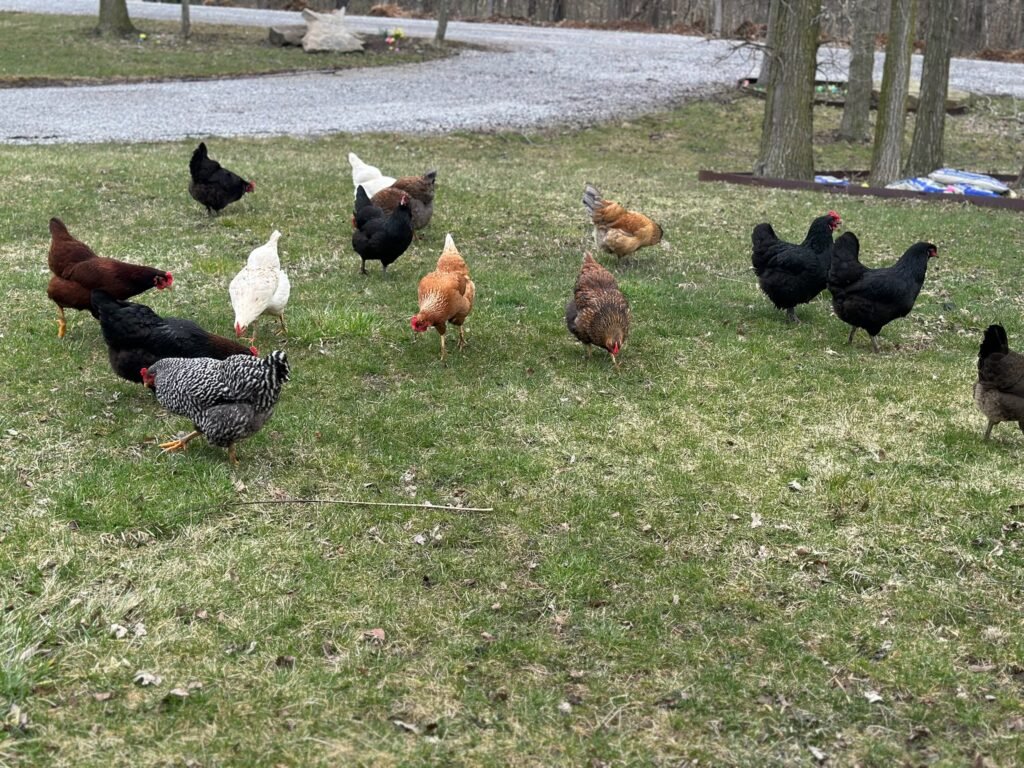
Chicken & Turkey – Lean Protein Kings
Pasture-raised Chicken Breast
• Calories: ~165
• Protein: 31g
• Total Fat: 3–4g
• Excellent lean protein and selenium, but much lower in iron, zinc, and B12 than red meats.
Turkey (mix of light/dark)
• Calories: 160–180
• Protein: 29–30g
• Total Fat: 4–8g
• Similar profile to chicken — very lean, high protein, lower mineral density than beef or lamb.
Chicken and turkey are fantastic for pure lean protein, but they don’t match red meats for iron, zinc, or overall micronutrient density — important if you have growing kids, active family members, or anyone prone to anemia.
Lamb & Goat – Flavorful & Mineral-Rich
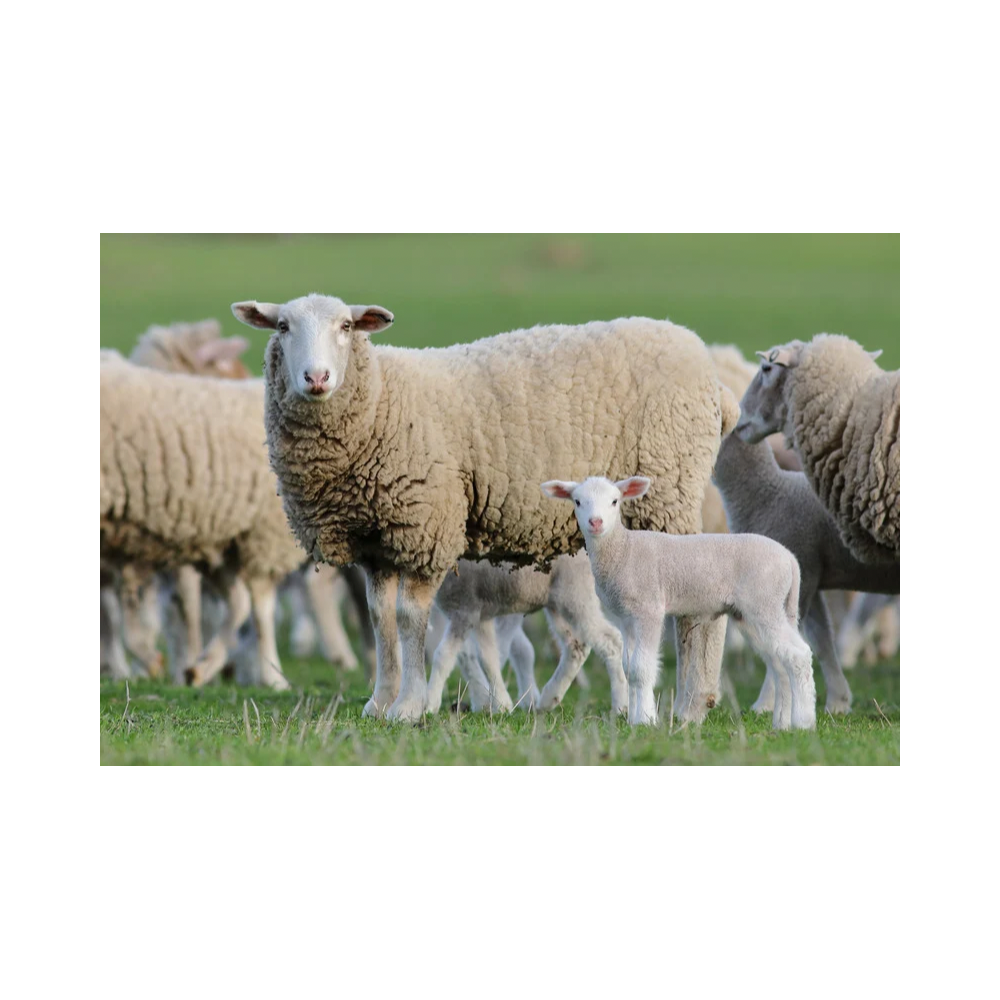
Grass-fed Lamb
• Calories: 200–250
• Protein: 25g
• Total Fat: 12–18g
• Outstanding iron, zinc, and B vitamins. Rich, distinctive flavor and good CLA/omega-3 levels when grass-finished.
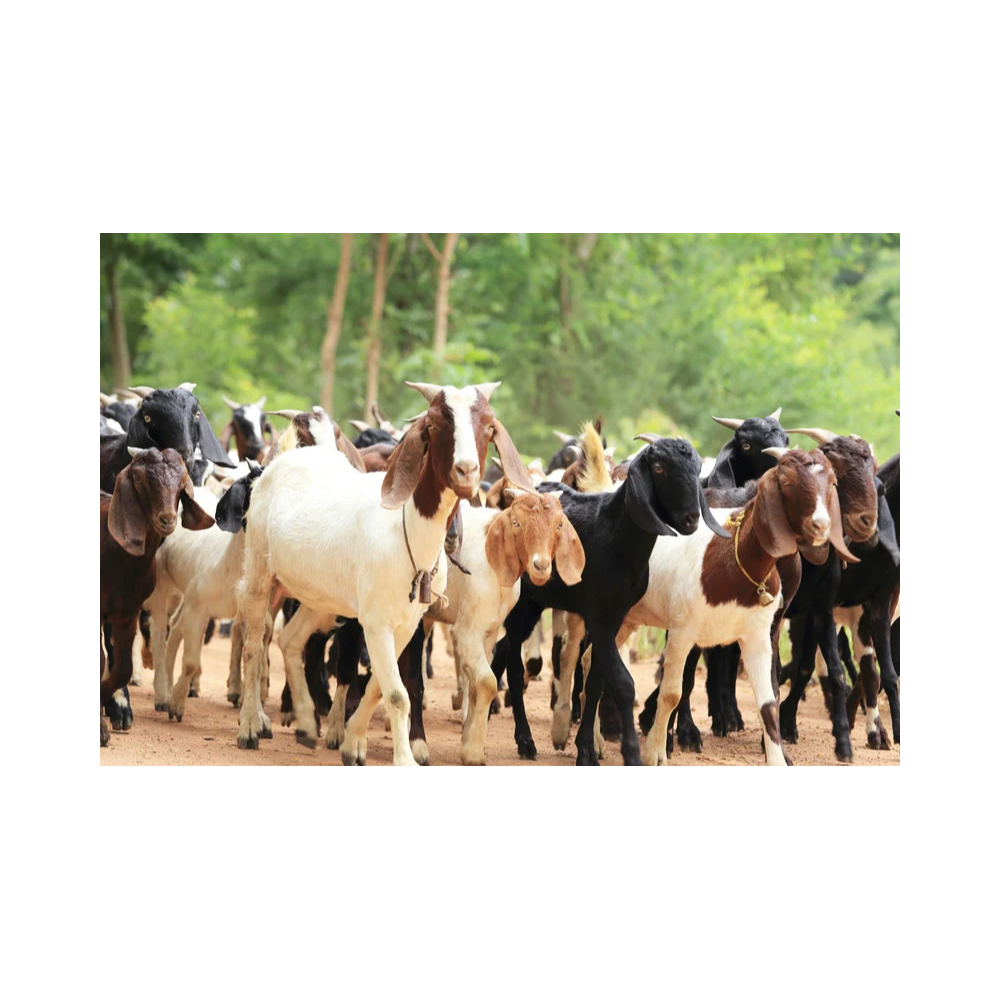
Goat
• Calories: 150–180
• Protein: 27–30g
• Total Fat: 4–8g (very lean)
• Excellent iron and zinc. Often called one of the most nutrient-dense red meats, especially on marginal pasture.
Both lamb and goat are excellent homestead options — flavorful, mineral-dense, and able to graze brushy or rough land where cattle might struggle.
Pork – Versatile but Variable
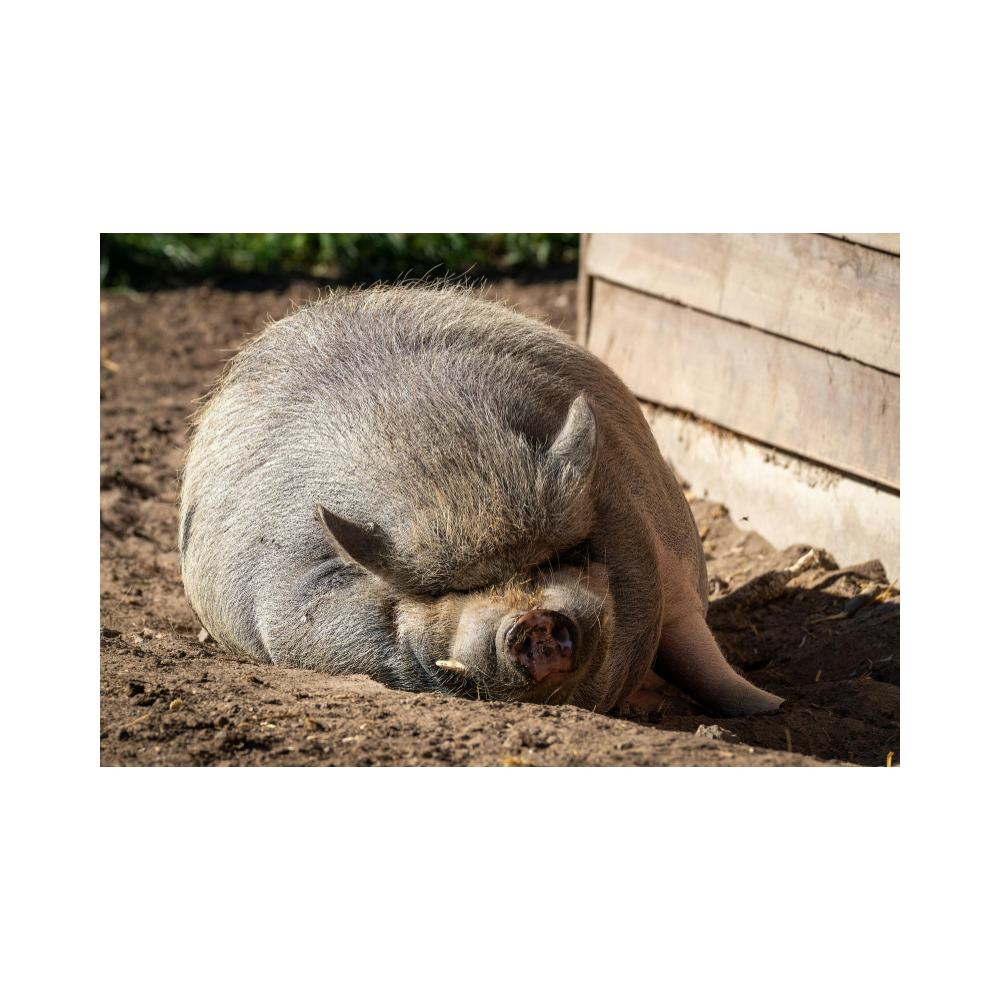
Pasture-raised Heritage Pork
• Calories: 200–250
• Protein: 25g
• Total Fat: 12–20g
• Good B vitamins and selenium. Heritage breeds on pasture have better fatty acid profiles than conventional pork (lower omega-6s).
Pork brings versatility and flavor, but it generally sits between chicken and red meats in nutrient density.
Quick Head-to-Head Takeaways for Your Freezer
• Highest protein density: Chicken breast and turkey, followed closely by lean beef (especially Highland/grass-fed) and goat.
• Best iron, zinc & B12: Red meats (beef, lamb, goat) dominate — crucial for energy and immune support.
• Omega-3 & CLA winners: Grass-fed Highland beef, lamb, and goat.
• Leanest overall: Chicken/turkey and Highland-style beef.
• Most flavorful & satisfying: Grass-fed lamb, Highland beef, and heritage pork.
For a cold-climate homestead like ours in Michigan, Highland beef offers one of the best balances: lean enough to feel light, marbled enough for great grilling flavor, and packed with the minerals and healthy fats we want in our food.
In Part 5 we’ll move into wild game — deer, elk, bison, bear, wild turkey, and more — and see how they compare nutritionally and practically for the homestead hunter.
I’d love to hear from you ladies. Which meat is the staple on your table right now? Have you noticed big differences in how different meats make you feel energy-wise or in flavor? Are you leaning toward more red meat, poultry, or wild game this summer?
Drop your thoughts and experiences below — I really do read every single comment. Let’s keep learning together and making the best choices for our families and our land.
With love and dirt under my nails,
Kara
Lange Girl Farms