Hey farm gals, it’s Kara from Lange Girl Farms!
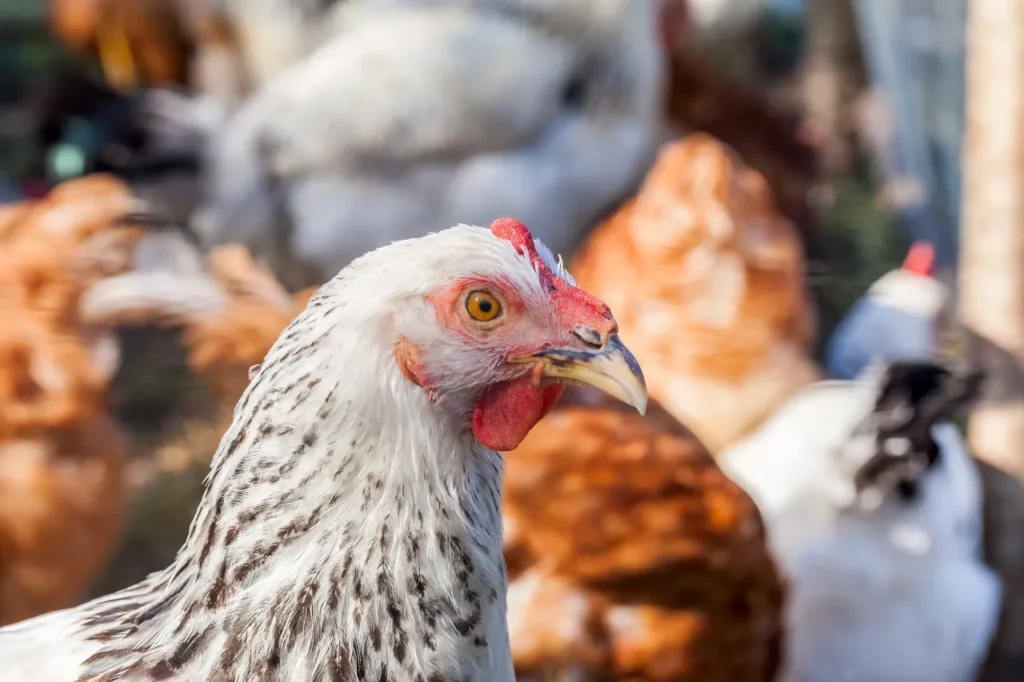
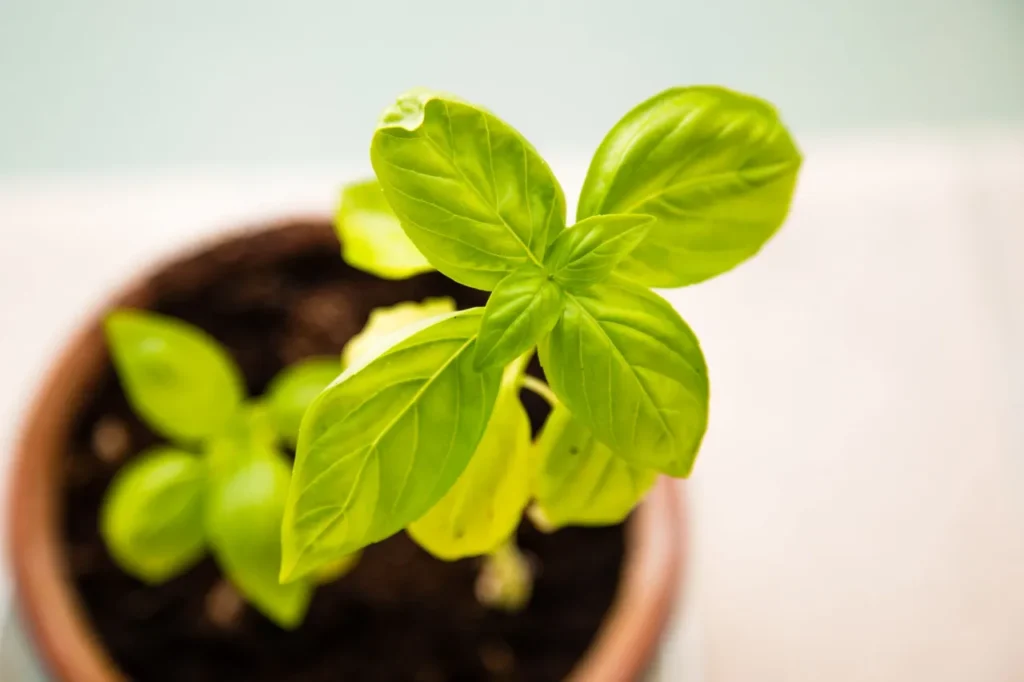
The big horses were grazing steadily this morning while the alpacas explored the fenceline with their usual watchful energy. I took time to hand-weed a few stubborn spots near the herbs and torch some young weeds before they could spread. The Siberian huskies had their own space to run, the llamas kept their quiet lookout, and the chickens and ducks were happily occupied in their secure run. These simple mornings without chemicals feel right — the land stays alive, the animals stay strong, and we have real peace of mind.
In Part 4 we looked at how fluxapyroxad residues show up in strawberries, berries, and other foods. Now in Part 5 we’re following the money: who makes it, how Driscoll’s licensing model fits into the picture, and why regulatory oversight has been relatively light despite its presence in foods marketed to children and families.
The Manufacturers
Fluxapyroxad is primarily developed and marketed by BASF, one of the world’s largest chemical companies. It is a key part of BASF’s SDHI fungicide portfolio and is sold under various brand names, often in pre-mixes with other active ingredients. BASF has promoted fluxapyroxad for use on high-value crops like strawberries, berries, grapes, and cereals because it provides strong preventive and curative control against a wide range of fungal diseases.
Generic manufacturers also produce fluxapyroxad formulations, keeping supply abundant and prices competitive for conventional growers. This combination of branded innovation and cheap generics has helped drive increased adoption as resistance to older fungicides grows.
Driscoll’s Business Model – Licensing Without Direct Responsibility
Driscoll’s is one of the largest berry companies in the world. Importantly:
• They do not own most of the farms or apply the pesticides themselves.
• They develop patented strawberry varieties and license them to hundreds of independent growers worldwide.
• They provide genetics, technical support, and powerful marketing while taking a significant share of the revenue.
This structure allows Driscoll’s to distance itself from direct liability for pesticide use while still benefiting from the high yields and appearance that conventional fungicide programs (including fluxapyroxad) help achieve. When independent testing finds multiple pesticides (including fluxapyroxad) in their conventional berries, Driscoll’s often points out that they don’t spray the fields — the licensed growers do. This licensing model is common in modern agribusiness but makes accountability more complicated when health or environmental issues arise.
Regulatory Status & Oversight
Fluxapyroxad is approved by the EPA for use on a wide range of crops, with established tolerances for residues in food. It is considered to have relatively low acute toxicity to mammals compared to some older fungicides, which is why it remains widely registered.
However, concerns persist:
• Cumulative exposure with other pesticides on strawberries and berries.
• Potential for resistance development in target fungi.
• Runoff and drift impacts on non-target plants and aquatic life.
• Limited long-term data on low-dose mitochondrial and developmental effects.
Some states and countries have tighter restrictions, but in the U.S. it remains a standard tool for conventional berry growers. Advocacy groups continue to push for more protective tolerances and better monitoring, especially near schools and residential areas.
Why This Matters for Regenerative Homesteads Like Ours
We don’t buy the “it’s just one tool” line when multiple applications on conventional strawberries and berries contribute to the overall pesticide load reaching our tables and potentially our land through drift or contaminated water. Our alpacas and big horses graze clean pasture we’ve built without these fungicides. Our huskies, llamas, chickens, and ducks live without the added chemical burden.
The money trail shows the familiar pattern: companies develop the chemical and the genetics, growers apply it for yield and shelf life, and regenerative farms are left protecting their clean systems and choosing carefully what they buy or grow themselves.
Series Roadmap – What’s Coming Next
Part 6: The roots – discovery and development as an SDHI fungicide.
Part 7: Reclaiming our land – our exact holistic methods (hand-weeding, torch burning, mulch, cover crops, livestock grazing with our alpacas and big horses), Michigan-specific tips, and how we grow or source clean berries without these fungicides.
The corporate and regulatory reality is eye-opening, but it doesn’t have to define what we feed our families. We can vote with our choices every single day.
Pin/save the series and drop a comment: Have you looked into Driscoll’s or other berry brands after seeing these reports? What worries you most about fungicide use on fruits marketed to kids? I read every one.
If you want to support a farm refusing these chemicals entirely, swing by the shop for our wildcrafted salves (soothing for hands after hand-weeding or torch work), herbal teas grown right here without sprays, or non-GMO seeds to grow your own clean food. Every order helps us keep doing it right.
We can build healthier futures for our animals and families—one toxin-free choice at a time.
See you in Part 6, farm gals!
With love from the pasture,
Kara
Lange Girl Farms