Hey farm gals, it’s Kara from Lange Girl Farms!
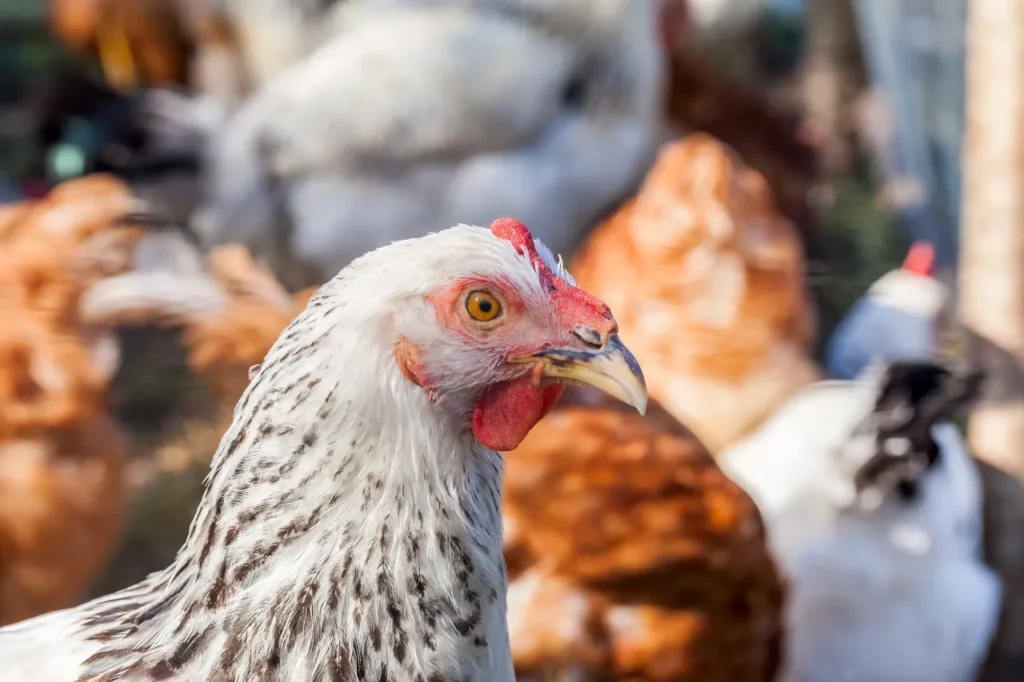
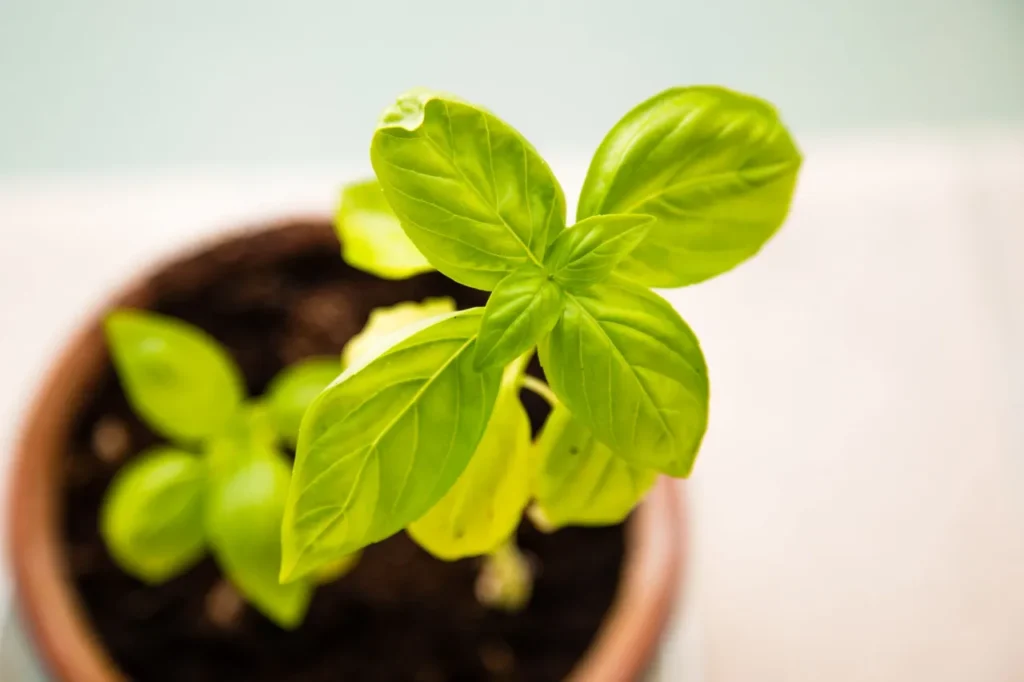
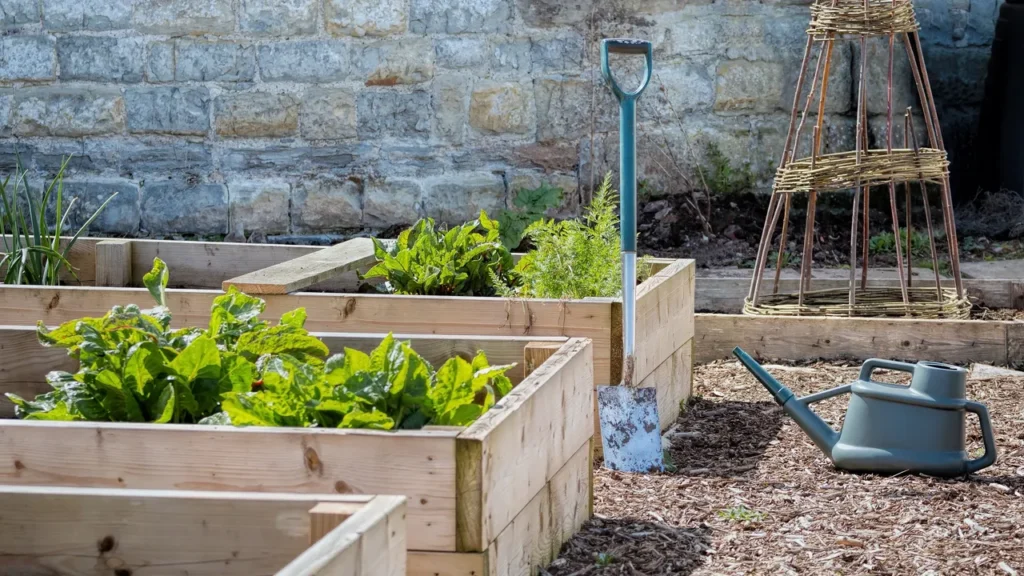
I started the morning watching the alpacas browse the pasture edges with their usual calm curiosity while the big horses grazed nearby. As I hand-weeded near the herbs and torched a couple of early weed patches along the fence, the Siberian huskies raced around in their own safe space, and the chickens and ducks stayed busy in their secure run. These quiet, chemical-free mornings are everything. They remind me why we refuse broad-spectrum herbicides like glufosinate on this regenerative homestead.
In Part 5 we followed the money and the regulatory fights. Now in Part 6 we go back to the beginning: how glufosinate was discovered in soil bacteria, developed into a commercial herbicide, and later paired with genetically engineered LibertyLink crops. This history shows the same cycle we’ve seen across every series — a new “solution” is introduced, adoption surges, and regenerative farms are left protecting their clean systems from the fallout.
Discovery: From Soil Bacteria to Herbicide
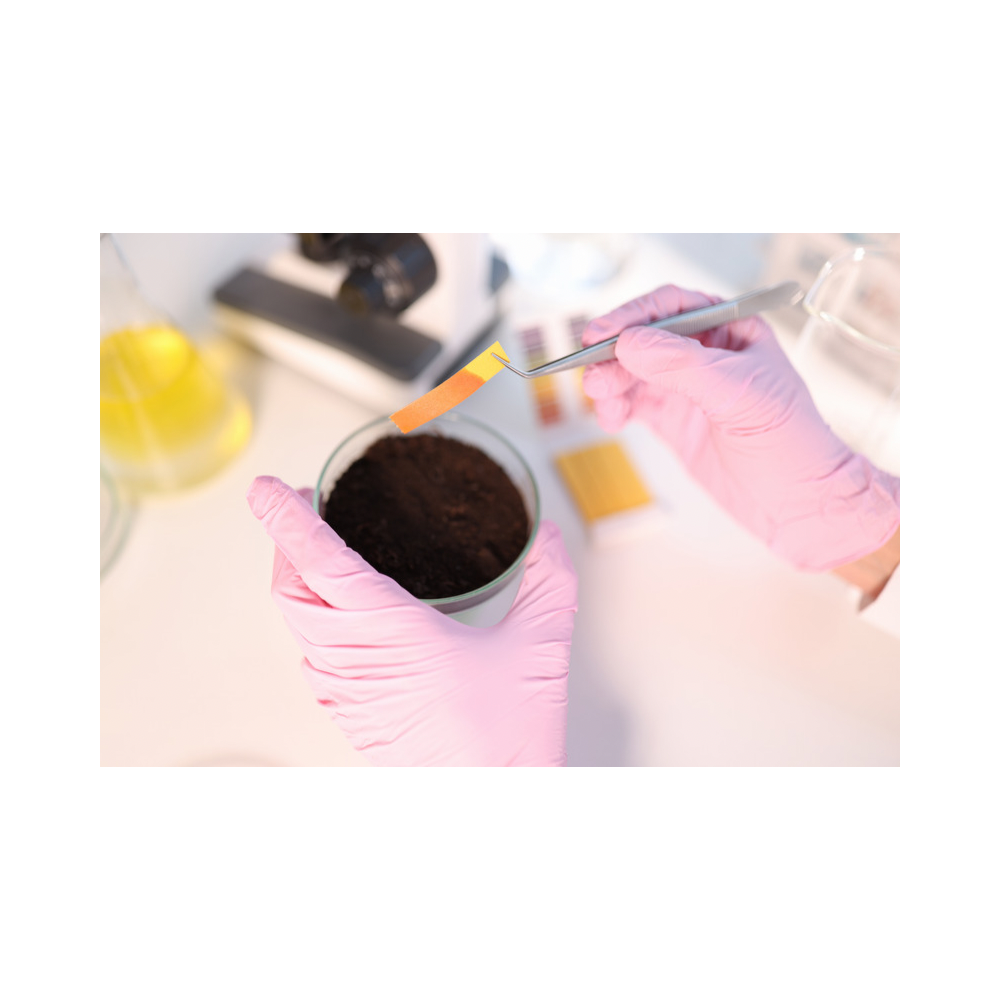
Glufosinate (phosphinothricin) was first isolated in the 1970s from Streptomyces hygroscopicus, a soil bacterium. Scientists noticed that this microbe produced a compound that inhibited the growth of other bacteria and plants. The active molecule was identified as a natural amino acid analog that disrupts glutamine synthetase — the same enzyme we covered in Part 2.
• Early research focused on its antibiotic properties.
• By the 1980s, Hoechst AG (later part of Bayer) recognized its potential as a herbicide and began developing synthetic versions for commercial use.
• It was commercialized in the late 1980s/early 1990s under brands like Basta and Liberty.
Unlike many synthetic chemicals created in labs, glufosinate has a natural origin — but the commercial formulation and massive application scale turned it into a broad-spectrum tool with significant off-target risks.
Development and the Push for Tolerant Crops
Glufosinate was initially used as a non-selective burndown herbicide for total vegetation control before planting or in orchards and vineyards. Farmers liked its fast action and relatively short soil persistence compared to some older chemicals.
The big shift came in the 1990s–2000s when companies developed genetically engineered crops tolerant to glufosinate:
• LibertyLink technology inserts a gene (from the same soil bacteria) that allows the plant to detoxify glufosinate before it can inhibit glutamine synthetase.
• This created a convenient “system”: plant LibertyLink seeds + spray Liberty (glufosinate) for weed control without killing the crop.
Bayer aggressively marketed this as a solution for glyphosate-resistant weeds. As resistance problems grew, LibertyLink adoption increased, driving higher glufosinate use — exactly the same treadmill we saw with glyphosate and the dicamba/2,4-D systems.
The Pattern: Innovation That Creates New Problems
Glufosinate followed the familiar path:
• Natural compound → synthetic herbicide → GE trait package → widespread use → resistance development → calls for more applications or new mixes.
• Each step increases overall chemical load on the landscape while off-target drift, runoff, and non-selective killing affect neighboring farms, gardens, and wild areas.
On our homestead we refuse the entire system. We hand-weed, torch weeds, plant cover crops, and let the alpacas and big horses help manage vegetation because those methods build true resilience instead of creating dependency on tolerant seeds and broad-spectrum sprays.
Why This History Matters for Regenerative Homesteads Like Ours
The story of glufosinate — from soil bacteria to GE crop tool — shows how even “natural-origin” compounds become problematic when scaled up for profit. Our pregnant mini mare, big horses, alpacas, huskies, llamas, chickens, and ducks all benefit from land kept completely free of these herbicides. We choose the harder path because it protects soil life, pollinators, and our animals without creating the resistance and drift issues that conventional systems keep cycling through.
Series Roadmap – What’s Next (The Final Part!)
Part 7: Reclaiming our land – our exact holistic methods (hand-weeding, torch burning, mulch, cover crops, livestock grazing with our mini horses, alpacas, and big horses), Michigan-specific tips, and how we manage weeds without broad-spectrum herbicides.
This deep history isn’t just background — it explains why so many of us have walked away from the chemical treadmill entirely. We can learn from the past and build something better.
Pin/save the entire series and comment below: Did the soil bacteria origin or the LibertyLink push surprise you? How has this history shaped your choices on the homestead? I read every comment and appreciate your stories.
If you want to support a small regenerative farm that refuses these chemicals, check our shop for wildcrafted salves (perfect for hands after torching or weeding), herbal teas grown right here without sprays, or non-GMO seeds to start your own clean garden. Every purchase helps us keep protecting what matters.
We don’t have to carry forward this cycle. We can choose healthier soil, healthier animals, and healthier families—one deliberate, natural step at a time.
See you in the final Part 7, farm gals!
With love from the pasture,
Kara
Lange Girl Farms