Hey farm gals, it’s Kara from Lange Girl Farms!
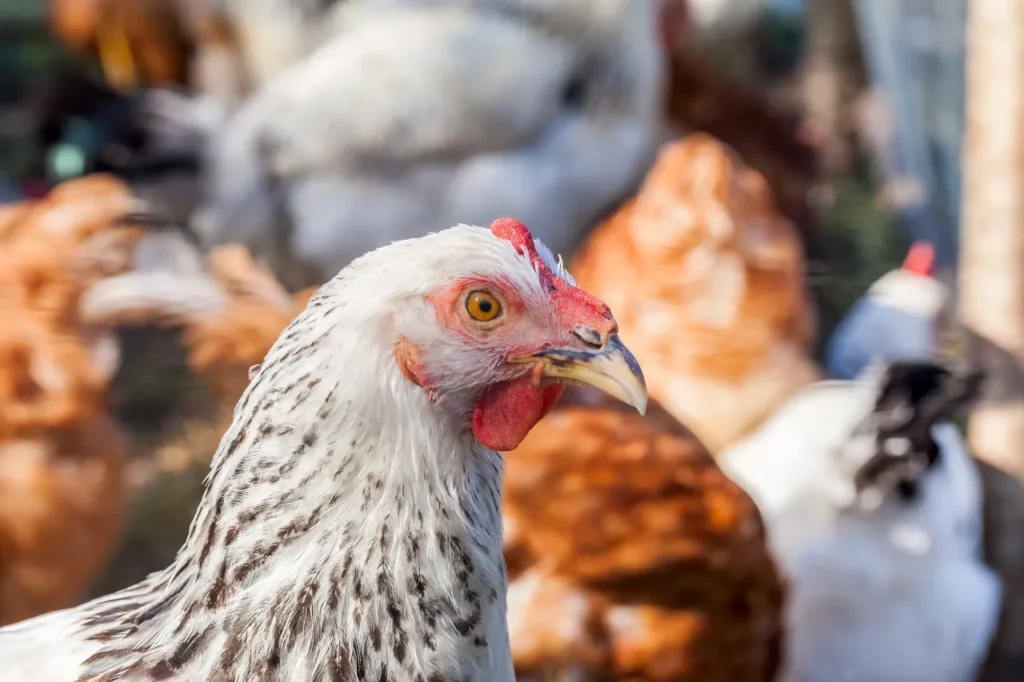
I started the morning with the pregnant mini mare, giving her some peaceful time on fresh pasture while I hand-weeded near the herbs and torched a couple of early weed patches along the fence. The Siberian huskies were racing around in their own safe space, the llamas and alpacas kept their steady watch, and the chickens and ducks stayed busy in their secure run. These quiet, chemical-free mornings are everything. They remind me why we refuse nerve toxins like organophosphates and chlorpyrifos on this regenerative homestead.
In Part 5 we followed the money, the lawsuits, and the long regulatory battles. Now in Part 6 we go back to the beginning: how organophosphates were discovered, their dark origins in military nerve gas research, the development of chlorpyrifos for agriculture, and how these chemicals became staples in conventional farming. This history helps explain why we say no to them entirely on our land.
Discovery: From Wartime Nerve Agents to Insecticides
The story of organophosphates begins in the shadow of war. During the 1930s and 1940s, German chemists (notably Gerhard Schrader) were searching for new insecticides. In the process, they synthesized compounds that proved extremely toxic to the nervous system.
• These early organophosphates were recognized as potent acetylcholinesterase inhibitors — the same mechanism that makes them so dangerous.
• During World War II, both Axis and Allied powers researched organophosphates as potential chemical weapons. Sarin and soman (still considered among the most lethal nerve agents) came directly from this work.
• After the war, the compounds were repurposed for civilian use. What was too toxic for battlefield deployment became “safe enough” for agriculture once diluted and reformulated.
This military-to-farm transition set the tone for the entire class: extremely effective at disrupting nerve signaling, but with a narrow safety margin.
Chlorpyrifos and the Rise of Agricultural Organophosphates
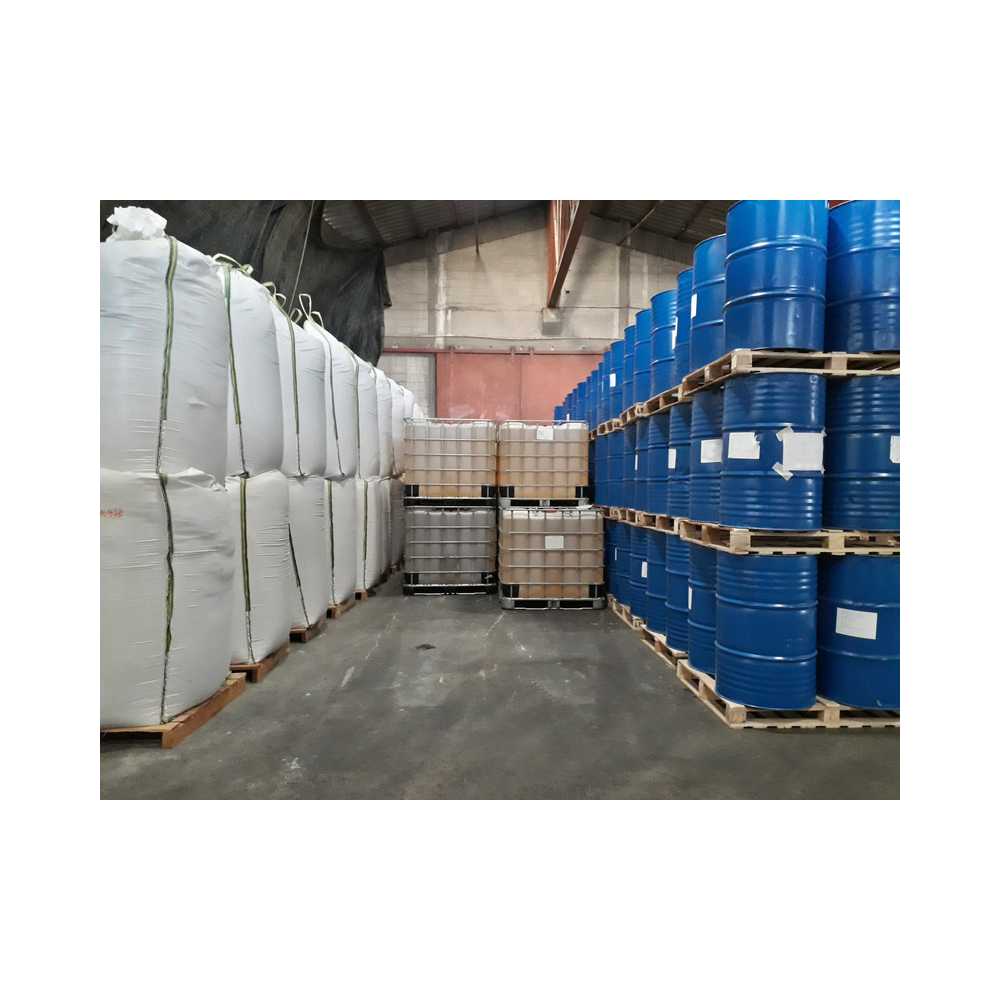
Chlorpyrifos was developed by Dow Chemical in the early 1960s and commercialized as Lorsban and Dursban. It quickly became one of the most widely used insecticides in the U.S. because:
• It was broad-spectrum and effective against many chewing and sucking insects.
• It had both contact and some residual activity.
• It was cheaper and more persistent than many alternatives at the time.
By the 1970s–1990s, chlorpyrifos and other organophosphates (malathion, diazinon, parathion, etc.) dominated conventional pest control on corn, soybeans, cotton, almonds, citrus, and vegetables. They were applied as sprays, granules, and seed treatments, often prophylactically.
The Shift to Widespread Farm Use
Several factors drove the explosion:
• The post-WWII push for higher yields and “modern” agriculture favored chemical solutions over labor-intensive methods.
• Organophosphates were marketed as safer replacements for older, even more toxic pesticides like arsenic compounds and organochlorines (DDT).
• Seed companies and chemical manufacturers began bundling treatments, making it convenient (and often mandatory) for farmers to use coated seeds or tank mixes.
For decades, these chemicals were considered standard tools. Only later did the full extent of developmental neurotoxicity, especially in children and pregnant animals, become clear through independent research.
Why This History Matters on Our Homestead
The wartime nerve-agent origins are not ancient history — they explain the core mechanism that still makes these chemicals so dangerous today. We refuse organophosphates entirely because we’ve seen enough evidence of neurological harm, reproductive risks, and ecosystem damage. Our pregnant mini mare grazes clean pasture we’ve built without these toxins. Our huskies, llamas, alpacas, chickens, and ducks live without the nervous system burden that comes with contaminated feed or drift. We hand-weed, torch weeds, plant cover crops, and support beneficial insects because those methods create true balance instead of relying on nerve poisons that were originally designed for chemical warfare.
The pattern is the same across every series we’ve done: a chemical is developed for one purpose, repurposed for profit, defended long after red flags appear, and ultimately leaves small farms and families to deal with the consequences.
Series Roadmap – What’s Next (The Final Part!)
Part 7: Reclaiming our land – our exact holistic methods (hand-weeding, torch burning, mulch, cover crops, livestock grazing with our mini horses and llamas/alpacas), Michigan-specific tips, and how we manage pests without nerve toxins.
This deep history isn’t just background — it shows why so many of us have walked away from the chemical treadmill entirely. We can learn from the past and build something better.
Pin/save the entire series and comment below: Did the military nerve-agent origins surprise you? How has this history shaped your choices on the homestead? I read every comment and appreciate your stories.
If you want to support a small regenerative farm that refuses these chemicals, check our shop for wildcrafted salves (perfect for hands after torching or weeding), herbal teas grown right here without sprays, or non-GMO seeds to start your own clean garden. Every purchase helps us keep protecting what matters.
We don’t have to carry forward this toxic legacy. We can choose healthier soil, healthier animals, and healthier families—one deliberate, natural step at a time.
See you in the final Part 7, farm gals!
With love from the pasture,
Kara
Lange Girl Farms