
Hey farm gals, it’s Kara from Lange Girl Farms!
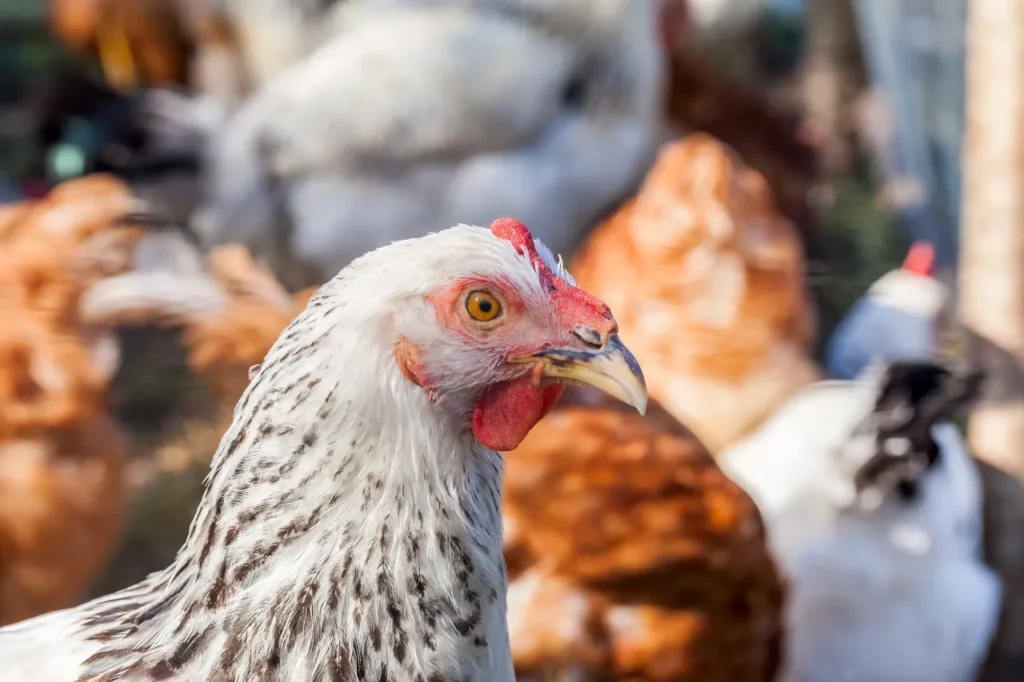
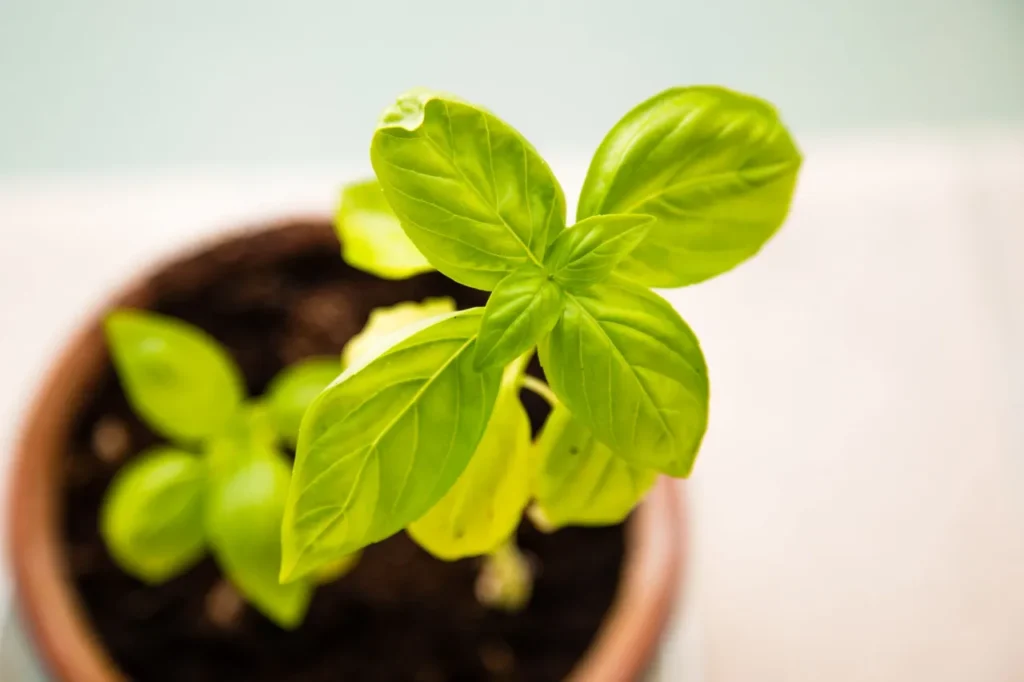
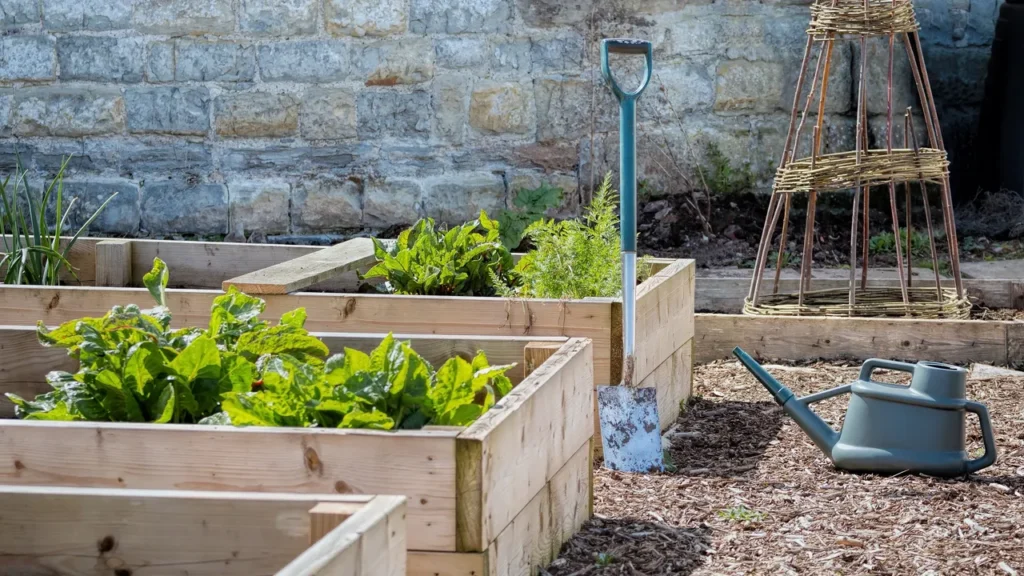
This morning I was out hand-weeding a few spots in the herb garden and torching some early weed patches along the fence line. My pregnant mini mare got her usual gentle care—calm routines and the cleanest forage we can provide so nothing can affect her or her growing foal. The Siberian huskies were zooming safely in their own area, the llamas and alpacas stood their steady watch, and the chickens and ducks foraged happily in their secure run. These simple, toxin-free moments make all the extra effort worthwhile. The soil feels alive underfoot, our animals stay strong and healthy, and we have real peace of mind knowing we’re not bringing any of these chemicals onto the land.
We’ve now finished the full series on glyphosate, paraquat, and atrazine. Today we start the next one: 2,4-D and Dicamba—the volatile herbicides behind what farmers call the “dicamba drift wars.” These chemicals exploded in use after glyphosate-resistant weeds became a massive problem. New genetically engineered crops were designed to survive being sprayed with them, but the volatility (especially of newer dicamba formulations) has caused widespread damage to neighboring farms, gardens, and natural areas. Drift can travel miles on temperature inversions or wind, killing non-resistant crops, trees, and wild plants.
This series will follow the same format as the others: seven deep-dive parts with the full science, human and animal impacts (especially reproductive risks for pregnant animals like our mini mare), food residues, corporate money trail, history, and—most importantly—the practical holistic methods we use every day so our land and animals stay protected.
In Part 1 we’re starting with the wake-up call: the rise of dicamba-resistant crops, the real-world drift disasters, documented crop damage, and why this hits regenerative homesteads like ours so hard. No sugar-coating—just the facts and why we say no.
The Rise of the Dicamba Drift Wars

After glyphosate resistance exploded in weeds like Palmer amaranth and waterhemp, companies developed new stacked genetically engineered crops: “Roundup Ready 2 Xtend” (glyphosate + dicamba tolerant) and Enlist crops (2,4-D + glyphosate tolerant). These were approved in the mid-2010s with promises of better weed control.
Instead, they triggered one of the biggest drift controversies in modern agriculture:
• Farmers spraying newer, “low-volatility” dicamba formulations still saw massive off-target movement, especially during temperature inversions common in the Midwest.
• Non-tolerant soybeans, cotton, vegetables, orchards, and wild plants were damaged or killed—sometimes miles away from the sprayed field.
• Lawsuits, insurance claims, and neighbor disputes skyrocketed. In some years, thousands of drift complaints were filed across soybean and cotton states.
The EPA has repeatedly adjusted application rules (cut-off dates, buffer zones, wind speed limits, nozzle requirements), but drift incidents continue. 2,4-D (used in Enlist systems) is also volatile, though generally considered less prone to long-distance movement than dicamba.
Documented Damage & Real-World Impact
Drift has destroyed:
• Conventional and organic soybean fields (hundreds of thousands of acres damaged in peak years)
• Home gardens, vineyards, orchards, and pollinator habitats
• Trees and wild vegetation along fence lines and waterways
Regenerative and organic farmers have been particularly hard hit—drift can wipe out an entire season’s crop and contaminate soil for future years. Insurance claims and court cases often pit neighbor against neighbor, with big ag companies pointing to “ applicator error” while farmers argue the formulations are inherently too volatile for real-world conditions.
Why This Hits Regenerative Homesteads Like Ours
Living in Southeast Michigan, just across from heavy corn and soy belts, drift is a constant concern. My own county shows up in broader pesticide-pressure data. Even moderate wind or a temperature inversion can carry these volatile herbicides onto our clean pasture—especially dangerous for our pregnant mini mare and her foal. We refuse 2,4-D and dicamba entirely because:
• Reproductive and developmental risks are documented in animal studies.
• Our huskies, llamas, alpacas, chickens, and ducks live without the hormone-disrupting or plant-damaging load.
• We hand-weed and torch weeds because those methods don’t create the neighbor conflicts or long-distance damage we’ve seen in the drift wars.
The volatility means even “following the label” doesn’t always protect nearby farms trying to stay chemical-free.
Series Roadmap – What’s Coming Next
Part 2: 2,4-D & Dicamba 101 – the chemistry, how they kill weeds, volatility differences, and why new formulations were supposed to fix the problem but didn’t.
Part 3: The devastating toll on humans (hormone disruption, possible cancer/reproductive effects), livestock (especially pregnant animals), wildlife, and non-target plants.
Part 4: On our plates – residues in crops, animal products, and processed foods from dicamba/2,4-D tolerant systems.
Part 5: Follow the money – manufacturers (Bayer/Monsanto for Xtend, Corteva for Enlist), massive drift lawsuits, and regulatory battles.
Part 6: The roots – discovery and history of phenoxy herbicides (2,4-D ties to Agent Orange era), development of dicamba, and the push for new GE crops.
Part 7: Reclaiming our land – our exact holistic methods (hand-weeding, torch burning, mulch, cover crops, livestock grazing with our mini horses and llamas/alpacas), Michigan-specific tips for drift-prone areas, and free printable checklist.
This series is for every homestead gal tired of watching neighboring fields destroy what we’ve worked so hard to keep clean. We don’t have to accept it.
Pin/save the series and comment below: Have you experienced dicamba or 2,4-D drift on your property? What worries you most about volatile herbicides? I read every comment.
If you want to support a farm refusing these chemicals entirely, swing by the shop for our wildcrafted salves (great after hand-weeding or torch work), herbal teas grown right here without sprays, or non-GMO seeds for your own regenerative garden. Every purchase helps us keep protecting our land and animals.
We can protect our farms, our families, and our neighbors’ crops—one holistic choice at a time.
See you in Part 2, farm gals!
With love from the pasture,
Kara
Lange Girl Farms