Hey farm gals, it’s Kara from Lange Girl Farms!
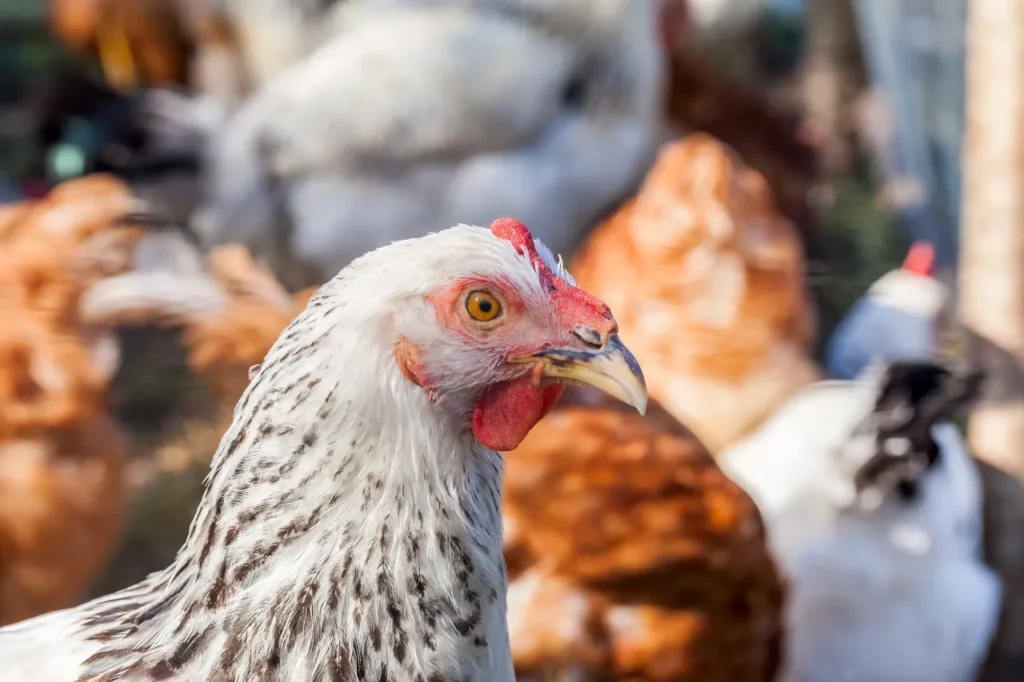
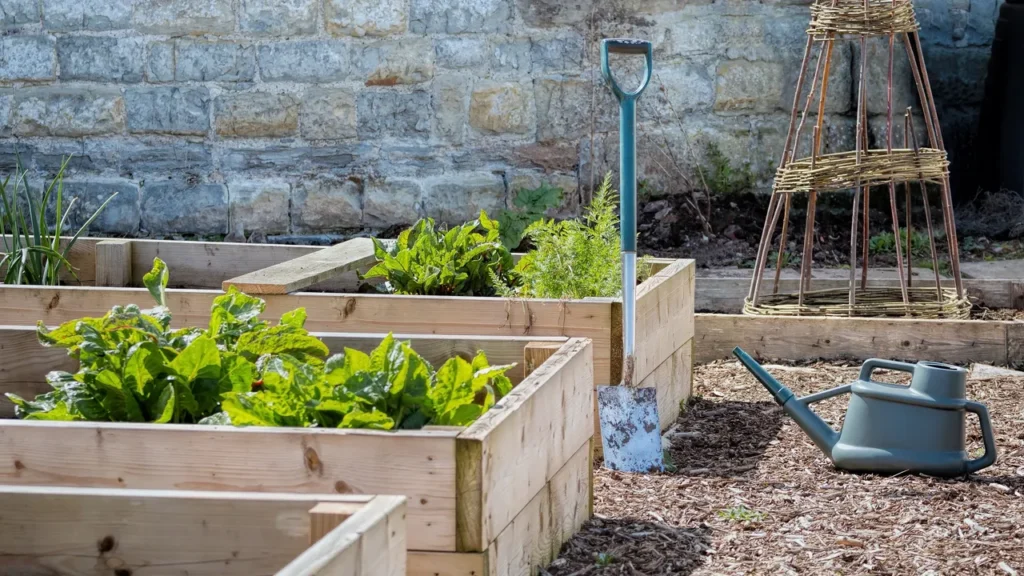
After covering the auxin-mimic damage and drift wars in Part 3, I spent some time this morning hand-weeding around the herb beds and torching a few stubborn early patches before they could spread. My pregnant mini mare got her usual gentle care—calm routines and the cleanest forage we can provide, with no risk of drift or hidden residues affecting her or her growing foal. The Siberian huskies were zooming safely in their own area, the llamas and alpacas kept their watchful guard, and the chickens and ducks foraged happily in their secure run. These simple, toxin-free moments remind me why we refuse every chemical shortcut on this regenerative homestead.
In Part 4 we’re tackling what ends up closest to home for most families: the food on our plates. 2,4-D and dicamba are used on millions of acres of genetically engineered corn, soybeans, and cotton. Residues can move into the food supply through direct application, contaminated animal feed, and processing. While levels are often reported as “below tolerance,” the cumulative load from auxin-tolerant systems adds to the broader pesticide cocktail we’ve already seen with glyphosate, paraquat, and atrazine—especially concerning for hormone disruption and developing systems.
We’re going full detail with residue pathways, available testing data, the multiplier effect in everyday meals, and why this matters for regenerative homesteads trying to feed families cleanly.
How 2,4-D and Dicamba End Up in Food
These herbicides are applied to “auxin-tolerant” crops (Xtend for dicamba, Enlist for 2,4-D). Residues can remain in:

• Grain and forage: Soybeans, corn, and cotton grown with these systems can carry detectable levels, especially when used as burndown or in-season sprays.
• Animal feed: A major route—contaminated soybean meal, corn silage, and distillers grains are fed to livestock, transferring residues into meat, dairy, and eggs.
• Processed foods: Corn and soy derivatives (oils, lecithin, high-fructose corn syrup, fillers) end up in thousands of packaged products.
• Non-tolerant crops: Drift can contaminate conventional or organic fields, gardens, and wild edibles.
Pre-harvest or late-season applications increase the chance of residues in the final harvest.
Residue Data and Testing Insights
USDA Pesticide Data Program (PDP) and FDA testing have detected 2,4-D and dicamba in various commodities:
• Soybeans and corn: Low but measurable levels in grain from tolerant varieties; higher potential when drift affects non-tolerant crops.
• Animal products: Residues in meat, milk, and eggs from animals fed contaminated grain. 2,4-D is known to transfer into milk in dairy cattle.
• Processed items: Corn and soy-based snacks, cereals, oils, and baby foods can contain traces from the raw ingredients.
• Fruits and vegetables: Off-target drift has contaminated grapes, tomatoes, beans, and other sensitive broadleaf crops, sometimes leading to detectable residues.
EWG’s annual Shopper’s Guide consistently flags crops grown in heavy herbicide regions as part of the higher-residue categories. While EPA tolerances exist (e.g., 0.02–0.1 ppm for many grains, higher for some forages), independent health advocates argue these limits do not adequately address low-dose endocrine effects or cumulative exposure with other pesticides.
The Multiplier Effect in Everyday Meals
This is where the real exposure adds up:
• Breakfast cereal or toast made with corn/soy ingredients + milk from conventionally raised cows.
• Lunch with processed snacks or a burger (bun + soy oil + corn-fed beef).
• Dinner sides or desserts containing corn syrup or soy lecithin.
A single “normal” day can stack low-level 2,4-D and dicamba exposure from multiple sources. For children and pregnant women, the hormone-disrupting potential at trace levels is particularly concerning. Even organic choices can be affected by drift or contaminated irrigation water, though choosing organic or regenerative sources dramatically lowers the overall load.
Why This Matters on Our Homestead
While our mini horses (especially the pregnant mare), huskies, llamas, alpacas, chickens, and ducks eat from clean pasture and our own gardens, most conventional supermarket food carries traces from these auxin-tolerant systems. The reproductive and developmental risks we covered in Part 3 hit hardest through repeated dietary exposure. That’s exactly why we grow, raise, and preserve as much as possible—and why hand-weeding and torching weeds feels worth every minute.
We see the difference every day: vibrant eggs from the chickens, healthy growth in the ducks, and strong bodies in the herd. Our pregnant mini mare thrives on forage we know is free of these auxin mimics.
Series Roadmap – What’s Next
Part 5: Follow the money – manufacturers (Bayer for Xtend, Corteva for Enlist), massive drift lawsuits, and regulatory battles.
Part 6: The roots – discovery and history of phenoxy herbicides (2,4-D ties to Agent Orange era), development of dicamba, and the push for new GE crops.
Part 7: Reclaiming our land – our exact holistic methods (hand-weeding, torch burning, mulch, cover crops, livestock grazing with our mini horses and llamas/alpacas), Michigan-specific tips for drift-prone areas, and free printable checklist.
This information is heavy, but it empowers us to make better choices. You don’t have to accept residues from volatile herbicide systems in your family’s food. Start small: grow more of your own produce, source local regenerative meat/eggs/dairy when possible, or switch one staple at a time.
Pin/save the series and comment below: What grocery swaps have you made to reduce auxin herbicide exposure? Have you noticed health or soil changes after going cleaner? I read every comment and cheer for every homestead gal taking steps.
If you want to support a farm doing it the clean way, swing by the shop for our wildcrafted salves (soothing for hands after weeding or torch work), herbal teas grown right here without sprays, or non-GMO seeds to start your own regenerative patch. Every purchase helps us keep protecting our land and animals.
We can reclaim our plates and our health—one thoughtful, holistic choice at a time.
See you in Part 5, farm gals!
With love from the pasture,
Kara
Lange Girl Farms