Hey farm gals, it’s Kara from Lange Girl Farms!
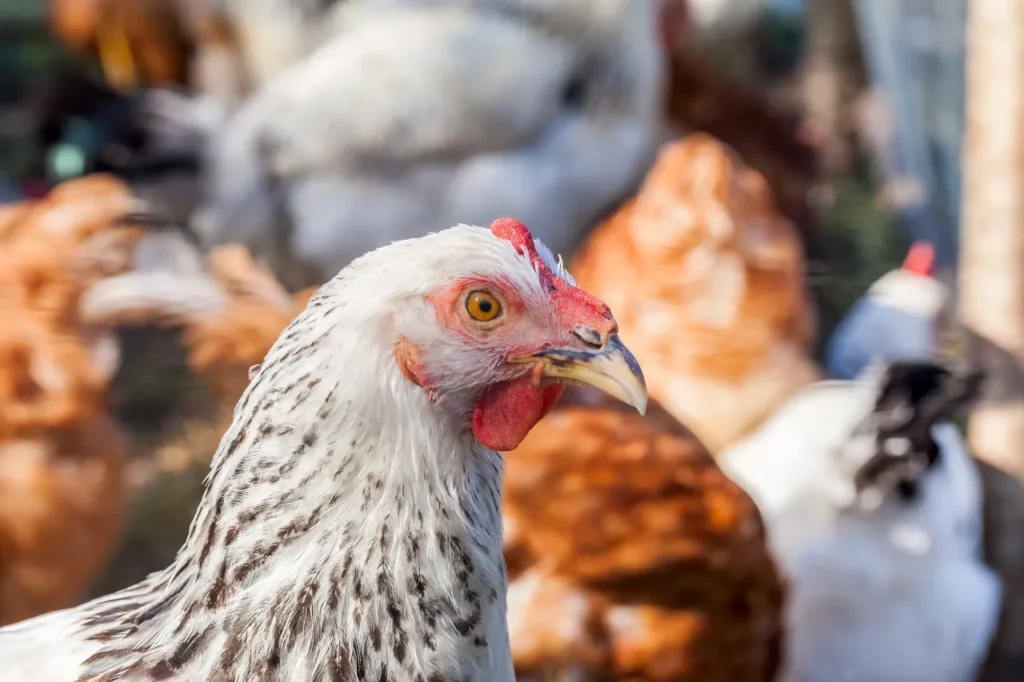
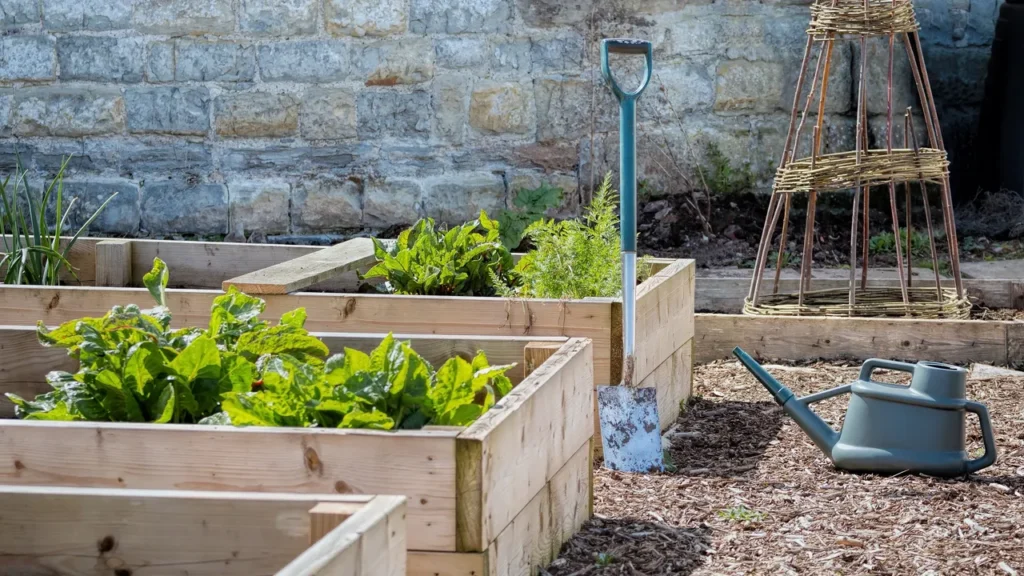
After laying out the residues that end up in our food in Part 4, I spent some time this morning hand-weeding around the herb beds and torching a few stubborn early patches before they could spread. My pregnant mini mare got her usual gentle care—calm routines and the cleanest forage we can provide, with no risk of drift or hidden residues affecting her or her growing foal. The Siberian huskies were zooming safely in their own area, the llamas and alpacas kept their watchful guard, and the chickens and ducks foraged happily in their secure run. These chemical-free moments remind me why we refuse every volatile herbicide shortcut on this regenerative homestead.
In Part 5 we’re following the money: who makes 2,4-D and dicamba, how the massive drift lawsuits have unfolded, what settlements and regulatory fights look like, and why accountability has been so slow despite thousands of damage complaints. Bayer (Monsanto) and Corteva are the main players behind the Xtend and Enlist systems that supercharged dicamba and 2,4-D use. The “drift wars” have led to neighbor-against-neighbor disputes, insurance battles, and ongoing court cases that continue to this day.

The Manufacturers: Bayer (Xtend/Dicamba) & Corteva (Enlist/2,4-D)
• Bayer (formerly Monsanto): Developed and aggressively marketed the Xtend system — dicamba-tolerant soybeans and cotton paired with new “low-volatility” dicamba formulations (XtendiMax, Engenia, FeXapan). Bayer pushed these crops as the solution to glyphosate-resistant weeds.
• Corteva Agriscience (DowDuPont spin-off): Developed the Enlist system with 2,4-D tolerance and its own 2,4-D choline formulations. Both companies promised better weed control with reduced drift, but real-world results told a different story.
These stacked trait systems were approved in the mid-2010s with strict label requirements, yet drift complaints exploded after widespread adoption.
The Lawsuits: Thousands of Drift Damage Claims
The dicamba drift wars triggered one of the largest waves of agricultural litigation in recent history:
• Off-target crop damage suits: Farmers growing non-Xtend soybeans, cotton, vegetables, orchards, and home gardens filed thousands of claims after their crops curled, cupped, or died from dicamba drift. Some cases involved damage miles from the sprayed field.
• Class actions and neighbor disputes: Lawsuits against Bayer, Corteva, and applicators allege failure to warn about volatility, inadequate testing of new formulations, and misleading safety claims. Many cases pit conventional farmer against conventional farmer, or conventional against organic/regenerative neighbors.
• Insurance and arbitration battles: Crop insurance claims have been denied or delayed, leading to further litigation. Some states saw record numbers of drift complaints in peak years (2017–2020 especially).
• Current status: Hundreds of individual and consolidated cases are still active or settled out of court. Bayer and Corteva have paid out significant sums in individual settlements while maintaining that the products are safe when used according to label directions. Critics argue the formulations are inherently too volatile for real-world Midwest conditions (temperature inversions, wind, tank mixing issues).
The EPA has repeatedly tightened rules (earlier cut-off dates, larger buffer zones, specific nozzles, wind speed limits), but complaints and lawsuits continue.
Regulatory Battles: EPA Adjustments vs. Calls for Bans
The EPA approved the new dicamba formulations with strict conditions, but faced immediate backlash:
• Multiple revisions to labels after drift incidents surged.
• Court challenges from states, environmental groups, and farmers alleging the agency failed to adequately assess drift risk.
• Some states imposed their own restrictions or bans on certain formulations.
• Ongoing tension between federal approval and real-world damage reports.
Both 2,4-D and dicamba remain legal, but with increasingly complex application rules that many applicators find difficult to follow perfectly in variable Midwest weather.
Why This Matters for Regenerative Homesteads Like Ours
We don’t buy the “safe when used according to label” line when drift can travel miles and destroy sensitive crops, gardens, and wild areas. My pregnant mini mare gets only clean pasture because reproductive and developmental risks from these auxin mimics are too high. Our huskies, llamas, alpacas, chickens, and ducks live without the hormone-like disruption or collateral plant damage that comes with these systems.
The money trail shows the familiar pattern: companies push new GE trait packages for profit, drift causes widespread harm, lawsuits drag on, and small/regenerative farms bear the cleanup and lost-crop burden. That’s exactly why we hand-weed, torch, mulch, and build soil the natural way — no drift, no neighbor conflicts, no hidden residues.
Series Roadmap – What’s Next
Part 6: The roots – discovery and history of phenoxy herbicides (2,4-D ties to Agent Orange era), development of dicamba, and the push for new GE crops.
Part 7: Reclaiming our land – our exact holistic methods (hand-weeding, torch burning, mulch, cover crops, livestock grazing with our mini horses and llamas/alpacas), Michigan-specific tips for drift-prone areas, and free printable checklist.
The corporate and legal reality is eye-opening, but it doesn’t have to define our farms. We can vote with our practices every single day.
Pin/save the series and drop a comment: Have you followed the dicamba drift lawsuits or experienced damage on your property? What worries you most about volatile herbicides near your homestead? I read every one.
If you want to support a small regenerative farm that refuses these chemicals, visit our shop for wildcrafted salves (soothing after a day of hand-weeding or torch work), herbal teas grown right here without sprays, or non-GMO seeds to grow your own clean food. Every order helps us keep doing it right.
We can build healthier futures for our animals and families—one toxin-free choice at a time.
See you in Part 6, farm gals!
With love from the pasture,
Kara
Lange Girl Farms