Hey farm gals, it’s Kara from Lange Girl Farms!
I started the morning checking on the pregnant mini mare, making sure she had quiet time on fresh, clean pasture as she carries her foal. While I hand-weeded near the herbs and torched a couple of early weed patches along the fence, the Siberian huskies raced around in their own safe space, the llamas and alpacas kept their calm watch, and the chickens and ducks stayed busy in their secure run. These chemical-free mornings are everything. They remind me why we work so hard to keep our land and animals completely free of systemic insecticides like neonicotinoids.
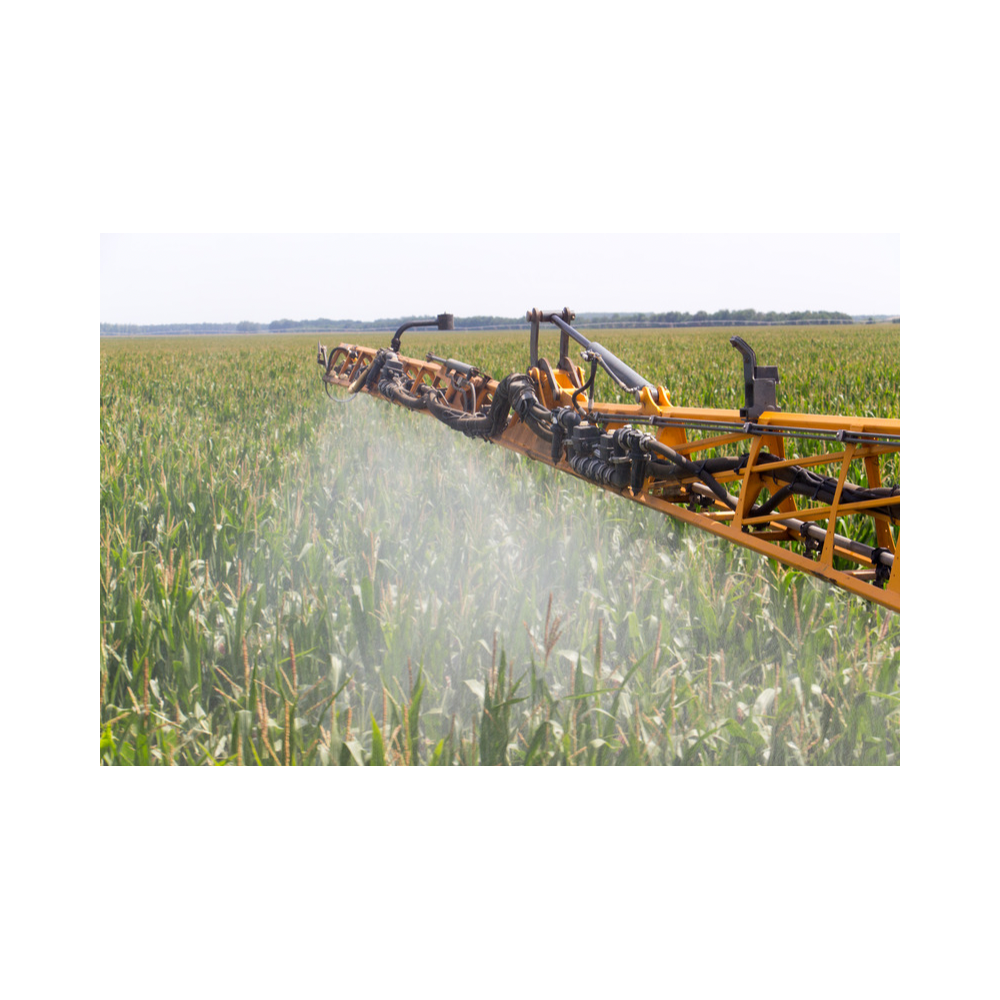
In Part 4 we looked at how neonic residues end up in our food and the cumulative load. Now in Part 5 we’re following the money: who makes these seed treatments, how the lawsuits and regulatory battles have unfolded, and why neonics remain so widely used in the U.S. despite mounting evidence of harm and bans in other countries. Bayer, Syngenta, and Corteva dominate this market, and the financial stakes are enormous.
The Major Manufacturers
Three companies control most of the neonicotinoid market for seed treatments:
• Bayer (including former Monsanto assets): Major producer of imidacloprid and clothianidin. Bayer has aggressively defended neonics while also selling the genetically engineered seeds that are coated with them.
• Syngenta (ChemChina/Sinochem): Producer of thiamethoxam and other neonics. They have faced significant criticism and legal pressure over pollinator impacts.
• Corteva Agriscience (DowDuPont spin-off): Supplies several neonic formulations and works closely with the seed industry to bundle treatments with their proprietary corn and soy varieties.
These companies market neonics as convenient, “insurance” treatments that protect crops from the moment the seed is planted. The revenue from seed coatings is substantial, which helps explain the strong industry pushback against restrictions.
Lawsuits & Legal Pressure
Beekeepers, environmental groups, and some farmers have filed numerous lawsuits:
• Commercial beekeepers have sued manufacturers alleging that neonic seed treatments caused massive colony losses and lost honey production.
• Environmental organizations (such as the Center for Food Safety and Pesticide Action Network) have challenged the EPA’s approvals, arguing the agency failed to adequately assess risks to pollinators and aquatic life.
• Class actions and multidistrict litigation have addressed contamination of waterways and impacts on non-target species.
While some cases have resulted in settlements or label changes, the industry has largely succeeded in keeping broad seed-treatment uses legal in the U.S. Court rulings have sometimes forced the EPA to conduct further reviews, but full bans on prophylactic seed treatments have not materialized.
Regulatory Battles: U.S. vs. Global Action
• European Union: Banned the outdoor use of the three main neonics (imidacloprid, clothianidin, thiamethoxam) starting in 2018 due to unacceptable risks to bees. Emergency uses are sometimes granted but heavily restricted.
• United States: The EPA has placed some limitations (e.g., new labeling requirements and restrictions on certain uses), but seed treatments on corn and soybeans remain largely allowed. The agency continues to conduct registration reviews while facing lawsuits from both environmental groups (demanding stronger protections) and industry (opposing further restrictions).
• Other countries: Canada, Australia, and several others have imposed partial bans or tighter rules. Pressure continues worldwide, especially as more data emerges on wild bee declines and aquatic contamination.
The economic argument — that neonics protect high-value commodity crops and reduce the need for foliar sprays — has kept them in use in the U.S., even as independent science shows the prophylactic approach is often unnecessary and creates more problems than it solves.
Why This Matters for Regenerative Homesteads Like Ours
We don’t buy the “insurance” marketing when the collateral damage includes collapsing pollinator populations and contaminated water that can reach our own wells or pasture. Our pregnant mini mare gets only clean forage because we refuse to risk systemic insecticides in her environment. Our huskies, llamas, alpacas, chickens, and ducks live without the neurological or reproductive burdens that come with widespread neonic use.
The money trail shows the familiar pattern: massive corporate revenue from bundled seed + treatment packages, prolonged regulatory fights, and small farms and beekeepers bearing the real costs. That’s exactly why we source untreated seeds when we buy any, hand-weed, torch, and build soil the natural way.
Series Roadmap – What’s Coming Next
Part 6: The roots – discovery in the 1980s–1990s, rapid adoption as seed coatings, and the shift from spray to prophylactic use.
Part 7: Reclaiming our land – our exact holistic methods (hand-weeding, torch burning, mulch, cover crops, livestock grazing with our mini horses and llamas/alpacas), Michigan-specific tips, and how we support pollinators without neonics.
The corporate reality is eye-opening, but it doesn’t have to define our farms. We can vote with our seed choices and land management every single day.
Pin/save the series and drop a comment: Have you followed the neonicotinoid lawsuits or EPA reviews? What worries you most about these systemic seed treatments? I read every one.
If you want to support a small regenerative farm that refuses these chemicals, visit our shop for wildcrafted salves (soothing after a day of hand-weeding or torch work), herbal teas grown right here without sprays, or non-GMO seeds for your own clean garden. Every order helps us keep doing it right.
We can build healthier futures for our pollinators and animals—one toxin-free choice at a time.
See you in Part 6, farm gals!
With love from the pasture,
Kara
Lange Girl Farms