Hey friends, it’s Kara from Lange Girl Farms here in Southeast Michigan.
After the barn chores with the alpacas and rabbits, the kitchen pulls everything together — pulling garden produce from the fridge, wiping counters after messy prep, heating leftovers, or grabbing plates, utensils, and towels for a quick meal between fixing fences and tending the soil. These everyday items feel like simple conveniences, but independent testing keeps showing layers added for grease resistance, flexibility, nonstick performance, or “easy cleanup” that don’t stay put. They migrate into food, off-gas in the closed winter air, or wash down the drain to the septic and eventually the land we rely on.
This is Kitchen Part A in our Homestead Toxin Audit series — full nerd depth on the major kitchen toxins with specific data from independent lab testing (Mamavation’s 2024-2026 consumer studies, Consumer Reports packaging tests, Chemosphere studies on black plastics, migration research, and microwave structure analyses). We’re covering plastic storage bags, Saran Wrap/Press n Seal, fridge off-gassing, cookware (including nonstick, induction, and traditional options), petroleum-based/black plastic utensils, dishwashing detergents/rinsing aids/soaps/scrubbers (including the dishwasher machine itself), plastic and paper plates, paper towels, disposable utensils, and drinking vessels. Food residues get a light touch since that’s its own series, but the packaging and tools that touch food are front and center. Part B will share basic pantry-based swaps and recipes.
The pattern matches what we’ve seen in clothing and laundry: outsourcing and fast production prioritize price and speed, leaving residues that independent watchdogs (Mamavation, Toxic-Free Future, Food Packaging Forum) flag in real store products. On the farm, these aren’t abstract — wash water cycles to the well or garden, scraps go to animals or compost, and dust tracks residues outdoors. And the dishwasher itself fits the same “dirty machine that’s supposed to clean our food” problem as the washing machine — both often run cooler cycles now, rarely get deep-cleaned, and can harbor bacteria that survive and spread.
How Things Get Processed: The Petroleum-to-Product Pipeline
A lot of these kitchen items start the same way polyester clothing does in those viral videos. Crude oil or recycled plastic bottles get broken down in refineries into base chemicals, then melted under extreme heat into a thick, sticky liquid. That liquid is forced through tiny spinnerets (like industrial shower heads) to form long threads, films, or sheets. Those get stretched, cooled, dyed with synthetic colors, and hit with chemical treatments for “performance” — grease resistance, durability, flexibility, or nonstick properties. The end result is something that looks simple on the shelf but carries hormone-disrupting additives, microplastics, and forever chemicals that shed, leach, or off-gas during normal use.
This processing isn’t gentle. High heat, solvents, and additives create the “performance” we buy, but they also lock in residues that independent testing keeps finding in finished products. On the homestead, where we wipe, store, heat, and eat from these items daily, that processing chain shows up right on the table and in the graywater heading outside.
Plastic Storage Bags, Saran Wrap, Press n Seal, and Fridge Off-Gassing

Plastic storage bags, Saran Wrap, and Press n Seal follow the exact petroleum pipeline. Crude oil fractions or recycled plastic bottles are cracked and melted into that thick, sticky liquid, then extruded through spinnerets into thin films. Additives like phthalates get mixed in for flexibility and cling. Press n Seal adds adhesives and modified polymers during the extrusion step for the “press-and-seal” grip.
Independent migration studies show phthalates leach into food, especially fatty, acidic, or oily items (garden leftovers, meats, cheeses, dressings). Fatty foods act as solvents that pull chemicals out faster, and levels increase with longer fridge storage or temperature swings. Cold doesn’t stop diffusion — it makes migration steadier over days. VOCs from the plastic off-gas into the enclosed fridge air, especially in smaller or winter-closed kitchens. Microplastics shed from bags and wraps during opening/closing or freezing (brittle plastic flakes under stress). Normal use (tearing, twisting) releases micro- and nanoplastics directly into food.
On the farm, rinsed bags or scraps send these straight to graywater or compost, where they don’t vanish but cycle through soil or well water.
Cookware: Nonstick, Induction, and the Hidden Exposures
Nonstick pans start with PTFE (polytetrafluoroethylene) — the same petroleum-derived polymer chain. The base is melted and applied as a coating, then cured with high heat and chemical surfactants (originally PFOA, now other PFAS). Independent reviews of popular nonstick pans found many still use PTFE coatings. Testing on PTFE-coated pans (including some “PFOA-free” claims) detected measurable PFOA and total PFAS in the coating. Scratching or overheating (everyday use) releases particles or gases because the “performance” coating breaks down. PFAS persist — they don’t break down, building in the body and environment. Wash water from pans sends residues to the septic or graywater, potentially reaching the garden or well.
Induction cooktops are often marketed as the modern, efficient alternative — no open flame, fast heating, easy cleanup. But a Swiss research group tested 13 professional induction cooktops and found most exceeded even the already-high 1998 ICNIRP maximum exposure limits when a person stood close to the stove. For the worst-case compliant device, current density in tissue exceeded ICNIRP limits by up to 24 dB — a factor of 16. The brain tissue of young children was overexposed by a factor of 2, and the central nervous system of a fetus could exceed general public limits entirely if the mother cooks at normal working distance. These devices had passed the official safety test, which only measures at 300mm (1 foot) from the cabinet edge. In real cooking, your abdomen is at 0mm, hands at 50mm, and a child’s head is at cooktop height. Induction stoves deliberately generate a powerful 20 kHz alternating magnetic field (ELF AC magnetic fields, classified by IARC as Group 2B possible carcinogen) to induce eddy currents in metal pans. The compliance standard is designed to pass, not to protect at actual cooking distances. ICNIRP limits only address acute effects, not chronic non-thermal biological effects that occur at far lower levels. On the farm, standing at the counter for boiling pasta or stirring a skillet means daily exposure right at counter level — another “performance” feature with hidden costs.
Petroleum-Based and Black Plastic Utensils
Black plastic spatulas, spoons, and utensils often come from recycled e-waste plastics — the same petroleum base melted and reformed. Testing of 203 black plastic household items, including kitchen utensils, found flame retardants in 85% of bromine-positive samples, with total concentrations up to 22,800 mg/kg. Kitchen utensils stood out, with high levels in some spatulas. Flame retardants like deca-BDE (banned in new electronics but persisting in recycling) and replacements were detected. Heat and oil (stirring hot food) help these migrate. Clear or colored plastic utensils still shed microplastics with every scrape or stir.
Dishwashing Detergents, Rinsing Aids, Soaps, Scrubbers, Sponges — and the Dishwasher Machine Itself
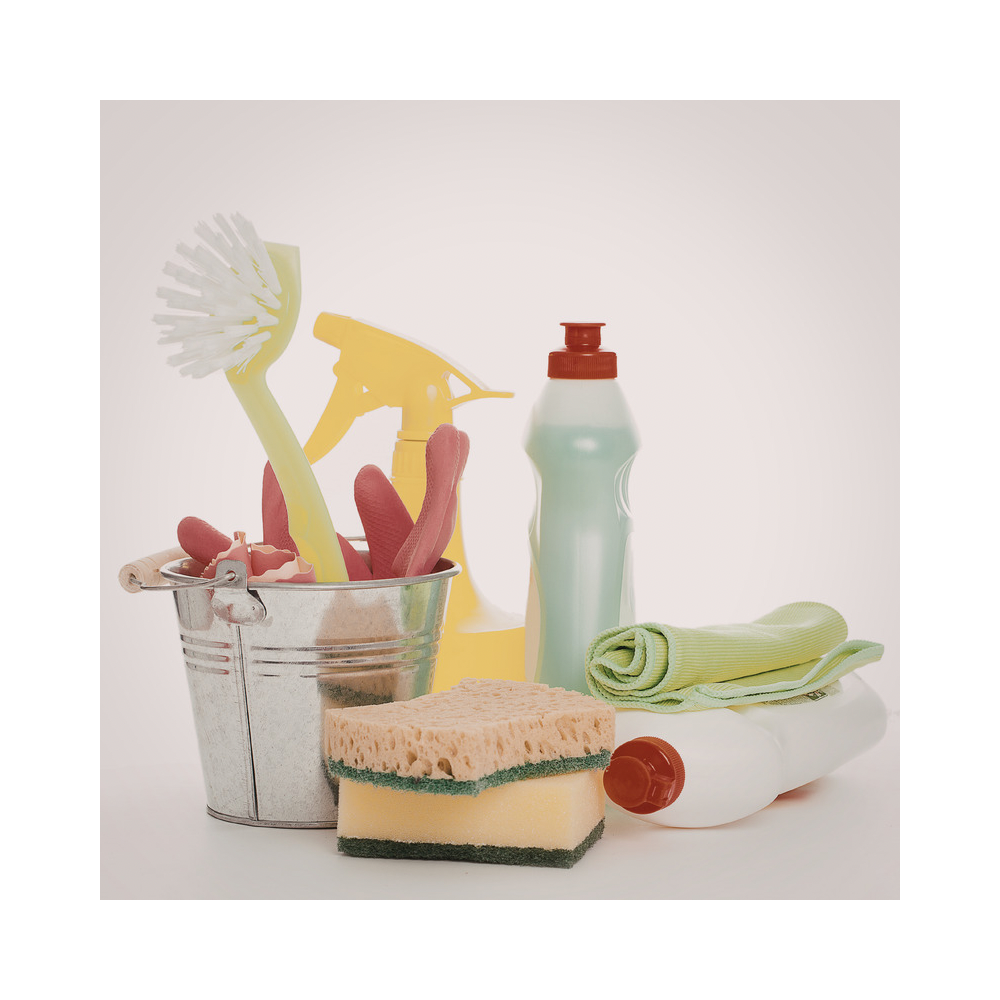
Dish soaps, automatic dishwasher detergents, and rinsing aids are formulated with petroleum-derived surfactants, synthetic fragrances (phthalates), and VOCs. The “performance” comes from chemical mixing that creates suds and residue resistance. Fragrances can contain undisclosed phthalates. Rinse aids add quaternary ammonium compounds that leave residues on dishes. Independent analyses detected hundreds of VOCs released during use, spiking kitchen air.
Sponges and scrubbers are made from petroleum-based polyurethane or cellulose treated with biocides and formaldehyde. They trap cleaners and release microplastics with every use. Residues don’t fully rinse away — they stay on plates or go down the drain to graywater, then the land.
Now the machine itself — the dishwasher that’s supposed to clean our plates and utensils but often ends up just as gross as a washing machine. Like the washer issues (cold cycles, bacteria surviving in the drum, E. coli transferring), dishwashers frequently run shorter or cooler cycles for “energy savings.” Many modern models default to or promote lower-temperature settings that don’t reach the 140–160°F needed to reliably kill pathogens like E. coli, Salmonella, or Listeria.
Studies show dishwashers harbor biofilms on rubber seals, drains, filters, and sump areas. Rubber seals are colonized by bacteria, including Gammaproteobacteria like Stenotrophomonas maltophilia, Pseudomonas aeruginosa, and E. coli in sampled machines. Opportunistic pathogens and fungi (Candida, Cryptococcus) thrive in the warm, moist environment seeded by tap water, food residues, and dirty dishes. Biofilms build because the machine rarely gets deep-cleaned — most people run it and forget the hidden parts.
Short or eco cycles often stay below temperatures where bacteria are reliably killed, allowing incomplete disinfection. The rubber seals and standing water in the sump create perfect reservoirs for bacteria to multiply between cycles, then redeposit onto “clean” dishes. Front-load style dishwashers (or any with complex gaskets) mirror front-load washers — higher bacterial loads due to moisture trapping. Kitchen sponges and brushes cleaned in the dishwasher can end up with higher bacterial counts if the machine itself isn’t sanitized, creating a cross-contamination loop.
On the farm, this means plates and utensils that are supposed to be ready for garden-fresh meals can carry residues or microbes back to the table. Wash water with detergent chemicals or surviving bacteria heads to the septic or graywater, cycling to soil and well. Rarely cleaning the machine lets the problem compound — just like the washer drum turning into a “bacterial trading floor.”
Plastic Plates, Paper Plates, Paper Towels, Disposable Utensils, and Drinking Vessels
Plastic plates are extruded from polypropylene or polystyrene — the same melted petroleum liquid formed into sheets, then stamped. Phthalates leach into fatty or hot foods, with microplastics shedding from scratches.
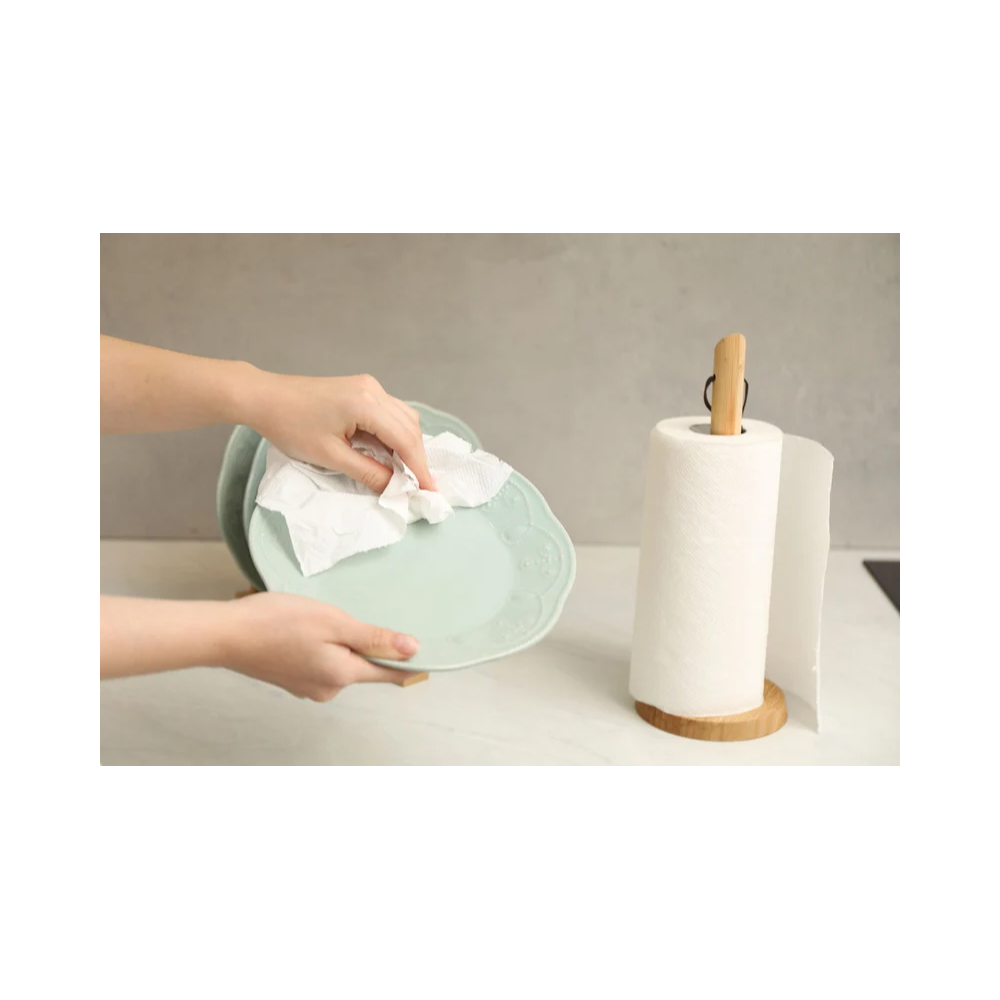
Paper plates and paper towels start as wood pulp or recycled paper, but the “performance” step adds PFAS or plastic coatings during processing — the pulp is mixed with the sticky chemical slurry, pressed, and treated for grease resistance. Mamavation’s testing of 11 single-use paper plates found 27% with indications of PFAS (organic fluorine marker), levels 14–563 ppm. Testing on 118 food packaging items (including paper plates) detected PFAS in many “compostable” or “eco-friendly” molded fiber options, sometimes above 100 ppm. Paper towels fared similarly: testing of 16 popular rolls found 31% with PFAS indications, levels 6–37 ppm (80% of positives were recycled products). These chemicals migrate into food, especially hot/greasy items. When plates or towels break down in compost or get rinsed, PFAS persist in soil or water.
Disposable plastic utensils and drinking cups follow the extrusion process, with phthalates or bisphenols for flexibility/leak resistance. Paper cups get plastic or PFAS linings. Real glass, stainless, or enamel avoids the treatments.
Brief Glyphosate Touch in the Kitchen
Staples like oats or wheat can carry glyphosate residues from field use (detectable in some conventional oat products at hundreds of ppb per independent tests). These end up in pantry items. For the full history and farm questions, see my separate Glyphosate Series.
Why This Matters on the Homestead
The kitchen connects everything. Wash water heads to the septic or graywater that touches the garden and well. Scraps go to animals or compost. Dust and residues track on boots to the barn. Michigan winters trap VOCs and off-gassing. Animals breathe the same air; soil microbes handle what cycles back. These conveniences shift real costs to health, water, and land — the same “out of sight” trap as fast fashion. Induction cooktops, nonstick pans, the dishwasher, and the washer are all sold as “cleaner” or “more efficient,” but independent findings show they can introduce new exposures when used at real-world distances or with minimal maintenance.
Independent testing keeps revealing gaps when profit drives production.
In Kitchen Part B, we’ll cover practical swaps: glass/stainless for storage, cast iron or stainless for cooking, pantry cleaners for dishes (plus simple ways to maintain the dishwasher itself), and ways to reduce disposables and wraps. These line up with reusing and keeping things closer to the land.
I’d love to hear what’s raising questions in your kitchen. Have you noticed buildup in your dishwasher or started questioning cold/short cycles or induction EMF? Comments help as we walk through these spaces.
From the farm,
Kara
Lange Girl Farms
Related series to check: Water Series | Skin & Beauty Series | Glyphosate Series (separate deep dive)