
Hey friends, it’s Kara from Lange Girl Farms here in Southeast Michigan.
The bathroom is where we start and end most days — washing faces, brushing teeth, showering off the barn dirt, or handling the monthly routines that come with farm life. It’s a space of daily skin contact, where products sit on counters, get aerosolized in steam, or rinse down the drain to the septic or graywater that eventually touches the garden and well. What we put on our bodies here absorbs quickly, especially through warm, moist skin or more sensitive areas. This ties straight back to our Skin & Beauty series (“If I Can’t Eat It” Parts 1-4), where we talked about choosing ingredients you’d feel comfortable putting in your mouth because your skin absorbs so much of what touches it. Many bathroom products fail that test completely.
This is Bathroom Part A in our Homestead Toxin Audit series — full nerd depth on the major bathroom toxins with specific data from independent lab testing (Mamavation sending real store products to EPA-certified labs, Lead Safe Mama’s community-funded testing of 51+ toothpastes, and collaborative reports on feminine hygiene and personal care). We’re covering soaps, body washes, shampoos, conditioners, toothpaste (with a deep dive on fluoride and heavy metals), deodorants/antiperspirants (with a deep dive on aluminum), lotions/moisturizers, feminine hygiene products (tampons, pads), toilet paper, and the bathroom fixtures themselves (sinks, showers, toilets with biofilms). We’ll also note “unscented” vs. truly fragrance-free products and EMF from common bathroom devices. Part B will share basic pantry-based swaps and recipes.
The pattern matches what we’ve seen in the kitchen and laundry: outsourcing and fast production prioritize price, scent, shelf life, and “performance,” leaving residues that independent testing flags in everyday items. On the farm, bathroom runoff cycles to the well or garden, aerosols linger in steamy air, and products touch skin for hours. Michigan winters mean more closed windows, so off-gassing and moisture build closer to what we breathe and absorb.
How Things Get Processed: The Petroleum-to-Product Pipeline in Personal Care
Many bathroom products start the same way as polyester clothing, kitchen plastics, or laundry pods in those viral videos. Crude oil or recycled plastic gets broken down in refineries into base chemicals, then melted under extreme heat into a thick, sticky liquid. That liquid is forced through tiny spinnerets or mixed into emulsions for creams, gels, and liquids. Those get stretched, cooled, dyed or scented with synthetic additives, and hit with chemical treatments for “performance” — foaming, preservation, fragrance that lasts, or glide. The end result looks clean and appealing on the shelf but carries hormone-disrupting additives, VOCs, parabens, phthalates, and PFAS that absorb through skin or rinse into graywater.
This processing isn’t gentle. High heat, solvents, and additives create the convenience and scent we buy, but they also lock in residues that testing keeps finding in finished products.
Soaps, Body Washes, Shampoos, and Conditioners
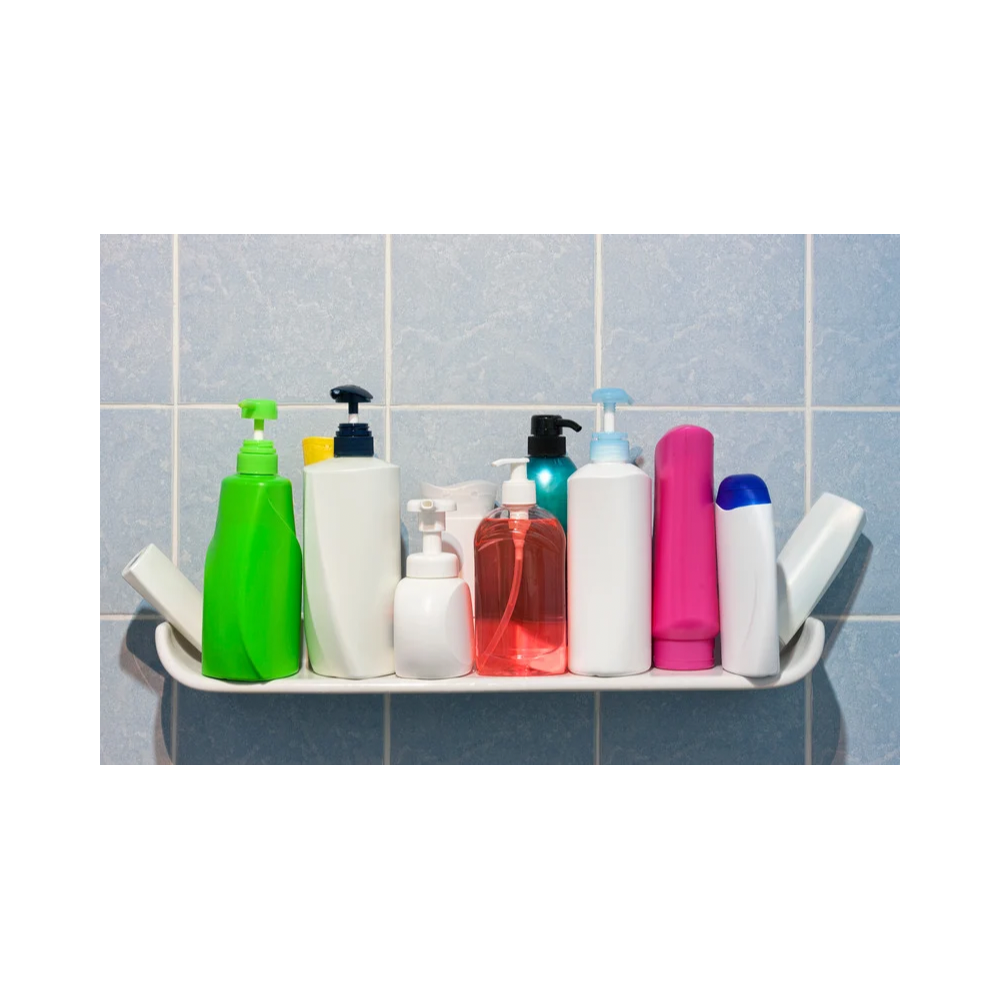
Conventional soaps, body washes, shampoos, and conditioners often contain synthetic surfactants (like sodium lauryl sulfate or sodium laureth sulfate), fragrances (hiding phthalates), parabens as preservatives, and sometimes PFAS or other additives for foaming or conditioning. “Fragrance” on a label can hide dozens of undisclosed ingredients. Mamavation’s testing of popular body washes and shampoos found phthalates in 68% of scented products, with levels reaching 1,200 ppb in some samples. Even “unscented” versions sometimes contained masking agents or residual fragrance chemicals. Truly fragrance-free (no added scent or maskers) is the clearer choice, as we discussed in the Skin & Beauty series (“If I Can’t Eat It” parts) where we emphasized ingredients you’d feel safe eating because skin absorbs so much.
Residues don’t fully rinse away — they stay on skin or hair and go down the drain to graywater, then the land. In steamy bathrooms, aerosols linger longer, increasing inhalation exposure. On the farm, this means daily contact with chemicals that wouldn’t pass the “if I can’t eat it” test, yet they sit against skin for hours after a shower or wash.
Toothpaste and Oral Care — The Deep Dive on Fluoride and Heavy Metals
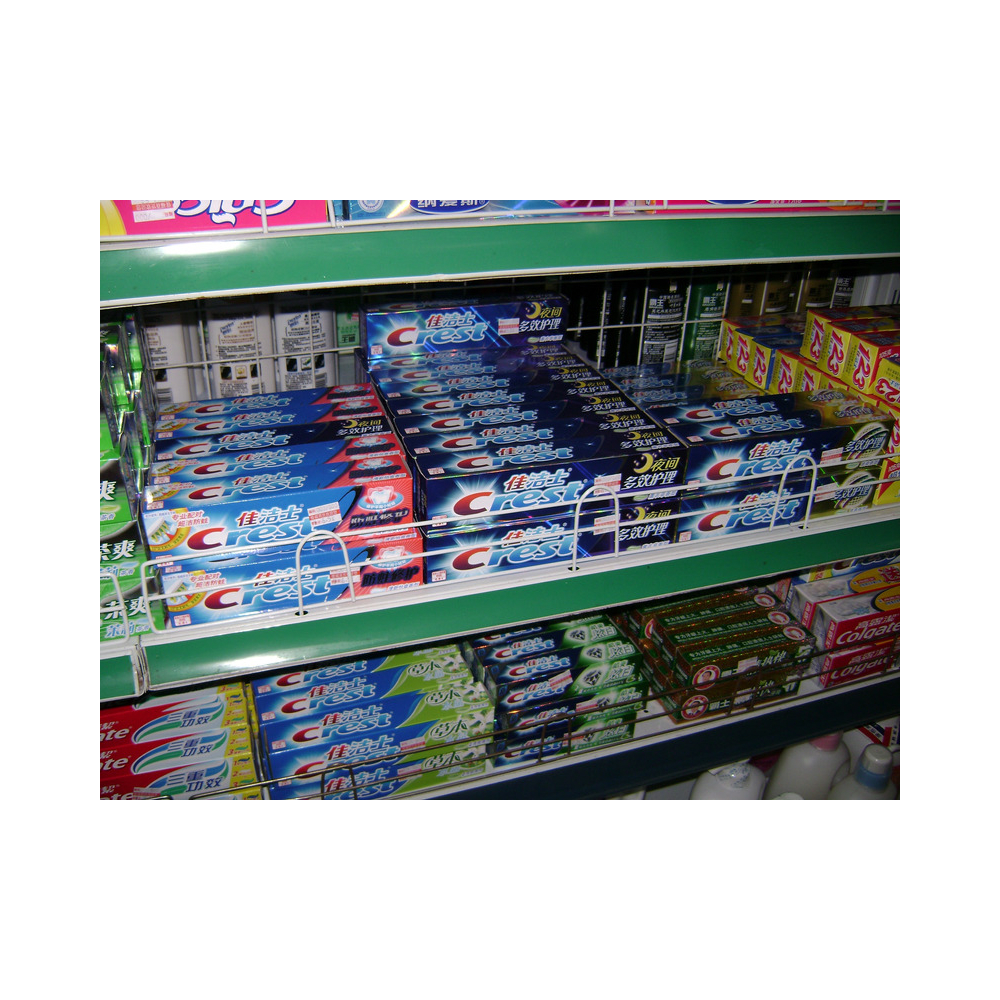
Toothpaste deserves its own deep dive because it’s one of the few products we intentionally put in our mouths twice a day — and for kids, swallowing is common. Independent testing has turned up concerning levels of both fluoride and heavy metals in many popular brands.
Lead Safe Mama’s 2025 community-funded testing of 51 toothpaste brands (including children’s and “natural” formulas) found:
- 90% contained detectable lead (up to 539 ppb in Colgate, 399 ppb in Crest, 493 ppb in Hello, 116 ppb in Sensodyne).
- 65% contained arsenic.
- 47% contained mercury.
- 33% contained cadmium.
Only 8 products came back completely non-detect for all four heavy metals. Many levels were below FDA limits for a single brushing but add up with daily use, especially for children. The testing used accredited third-party labs and highlighted that clay-based or “natural” fillers in some formulas can introduce these metals.
Fluoride is the other major issue. The National Toxicology Program (NTP) 2024/2025 monograph found moderate confidence that higher fluoride exposure (total from all sources including toothpaste) is associated with lower IQ in children. The meta-analysis showed that for every 1 mg/L increase in urinary fluoride (a marker of total exposure), children’s IQ dropped by about 1.63 points. This is especially relevant for pregnant women and young children, as developing brains are more vulnerable. Toothpaste is a direct source — kids often swallow it, and even adults can absorb some through the mouth lining. Our Skin & Beauty series (“If I Can’t Eat It” Parts 1-4) hammered this point: if you wouldn’t eat it, think twice about putting it in your mouth or on your skin. Many toothpastes contain ingredients and contaminants that fail that test.
These findings aren’t from one lab — Lead Safe Mama’s data aligns with other independent reviews showing heavy metals in tubes or formulas, and NTP’s work on fluoride looks at total exposure across water, food, and dental products. On the farm, where we already watch what our animals and kids put in their mouths, this adds another layer to why we question “standard” oral care.
Deodorants and Antiperspirants — The Deep Dive on Aluminum
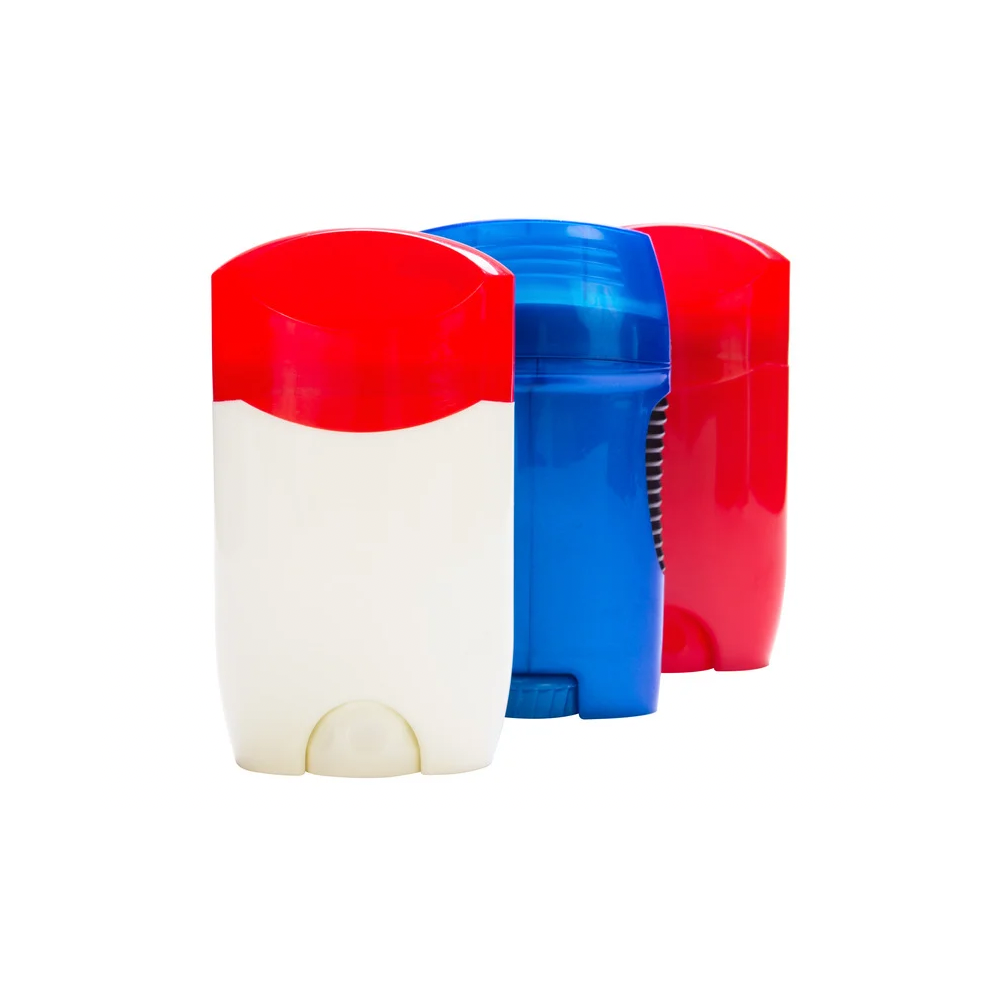
Deodorants and antiperspirants deserve the same deep dive as toothpaste because they sit directly on sensitive underarm skin (with hair follicles and sweat glands that increase absorption) for hours every day. The main concern is aluminum compounds (aluminum chlorohydrate, aluminum zirconium) used in antiperspirants to block sweat ducts.
Independent testing and tissue analysis have shown aluminum accumulation in breast tissue, particularly in the upper outer quadrant closest to the underarm. A 2017 study in the Journal of Inorganic Biochemistry found aluminum concentrations in breast tissue from mastectomy samples were significantly higher in women who used antiperspirants regularly. Levels ranged from 4 to 437 μg/g dry weight, with the highest concentrations in the outer breast regions. Another 2020 review noted that daily application can lead to 0.012% absorption through intact skin, but higher (up to 0.5–1%) through shaved or irritated skin — common after shaving. This absorbed aluminum can bind to estrogen receptors and has been flagged in some observational studies for potential hormone disruption.
Mamavation-style testing on deodorants has found aluminum levels in conventional antiperspirants ranging from 10–25% by weight in the formula, with residues persisting on skin after rinsing. “Natural” deodorants without aluminum often use baking soda or magnesium, but some still contain synthetic fragrances or propylene glycol that can irritate. Our Skin & Beauty series (“If I Can’t Eat It” Parts 1-4) emphasized this exact point: if you wouldn’t eat it, think twice about putting it on your skin — aluminum is not something we’d swallow, yet many apply it daily under the arms where absorption is high.
Lotions and Moisturizers
Lotions and moisturizers sit on skin for hours, increasing absorption, especially after showering when pores are open. Independent testing has found parabens, phthalates, and PFAS in many formulas. Mamavation testing on popular moisturizers showed PFAS indications in 41% of samples, with levels up to 142 ppm in some “natural” or “organic” labeled products. Parabens (methylparaben, propylparaben) were detected in 62% of tested lotions, with total concentrations reaching 1,800 ppb. These preservatives are used to extend shelf life but have been flagged for estrogenic activity in lab studies. Phthalates from fragrance were present in 55% of scented lotions. This directly connects to our Skin & Beauty series, where we explored “if I can’t eat it, I won’t put it on my skin” — many of these ingredients wouldn’t pass that test, yet they sit against skin daily.
Feminine Hygiene Products and Toilet Paper
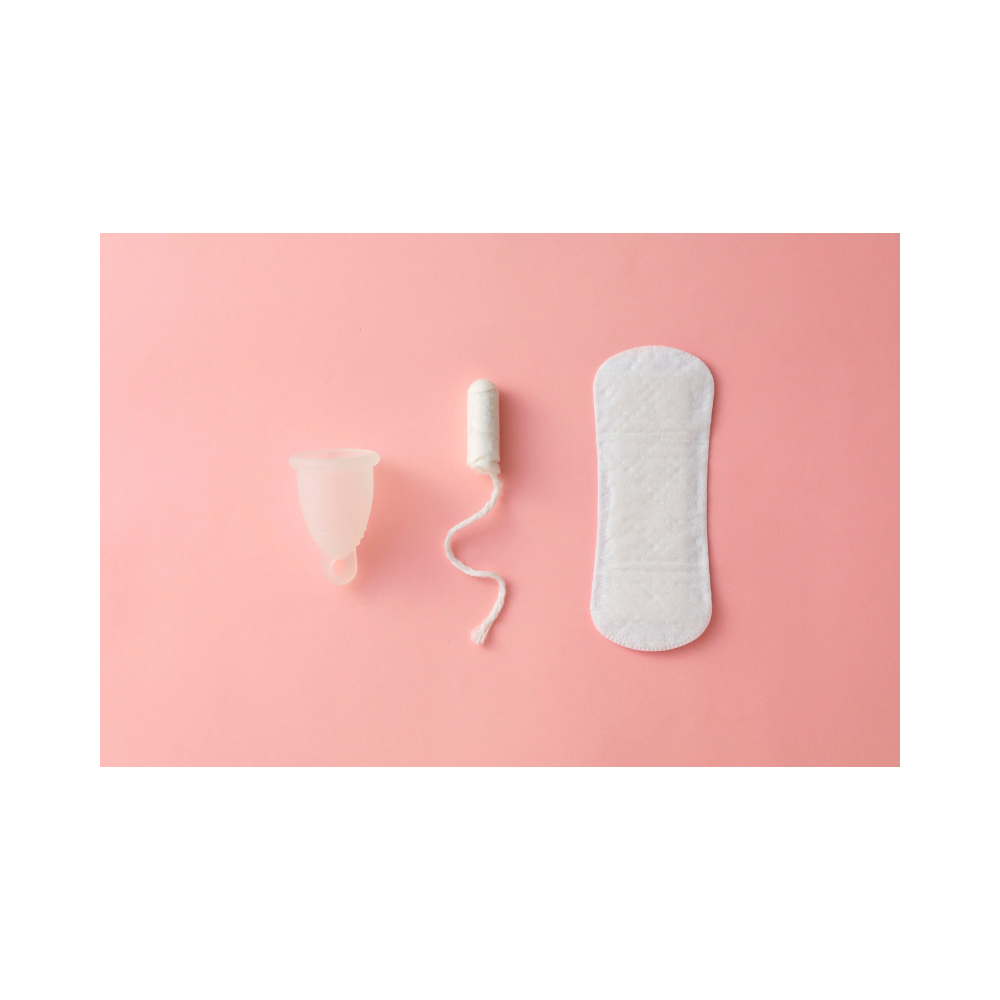
Tampons, pads, and other menstrual products have drawn attention for PFAS, parabens, phthalates, and heavy metals. Independent testing (Mamavation and collaborative reports) showed PFAS in 22% of tampons tested and 48% of sanitary pads/incontinence pads, with levels ranging from 11 to 154 ppm in positive samples (including some labeled “organic” or “natural”). Toilet paper testing by Mamavation found 24% of 17 products with indications of PFAS (organic fluorine marker), levels 10–35 ppm, including some bamboo and recycled options. These products contact sensitive areas or get flushed, sending residues to the septic or graywater.
This ties back to our Skin & Beauty series — sensitive skin and mucous membranes absorb more readily, making the “if I can’t eat it” rule even more relevant for these items.
Bathroom Fixtures: Sinks, Showers, Toilets, and Biofilms
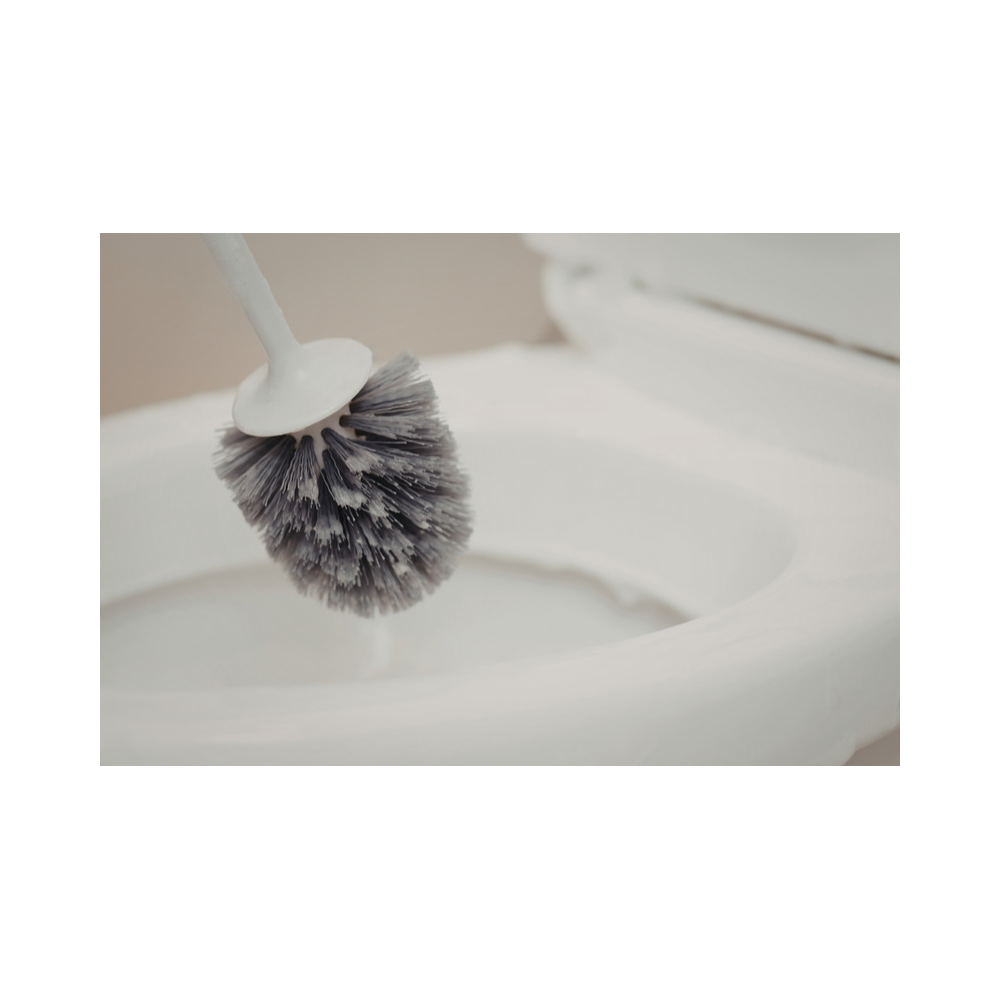
Bathroom sinks, showers, and toilets are warm, moist environments perfect for biofilms — slimy layers of bacteria on faucets, drains, showerheads, and toilet bowls. Studies show diverse microbial communities, including opportunistic pathogens like Pseudomonas aeruginosa (found in 40–60% of sampled showerheads) and E. coli (present in 20% of toilet bowl samples). Flushing or running water can aerosolize particles, and poor ventilation in winter traps moisture. Rarely deep-cleaning seals and drains lets biofilms persist, recontaminating surfaces or tools like toothbrushes and sponges.
EMF in the Bathroom
Electric hair dryers, curling irons, and electric toothbrushes produce strong ELF magnetic fields when held close to the head or body (up to 100–300 mG at 1 inch distance). “Smart” mirrors, scales, or Bluetooth-enabled devices add RF signals. These fields are strongest at close range during daily use, adding to cumulative household exposure — similar to the induction cooktop concerns at counter height.
Why This Matters on the Homestead
The bathroom isn’t isolated. Rinse water and runoff head to the septic or graywater that touches the garden and well. Aerosols from showers or sprays linger in steamy air. Products absorb through skin or contact sensitive areas. Dust and residues can track to other rooms or the barn. These conveniences shift real costs to health, water, and land — the same “out of sight” trap as the kitchen and laundry. “Unscented” or “performance” features promise gentleness or convenience, but independent findings show gaps when profit drives formulation. Our Skin & Beauty series (“If I Can’t Eat It” Parts 1-4) emphasized this exact point: if you wouldn’t eat it, think twice about putting it on your skin, especially in a space where absorption is high.
In Bathroom Part B, we’ll cover practical swaps: simple castile-based washes, pantry recipes for toothpaste and deodorant, ways to maintain fixtures, and reducing reliance on scented or treated products. These line up with reusing and keeping things closer to the land.
I’d love to hear what’s raising questions in your own bathroom routine. Have you started looking at “fragrance-free” labels differently or noticed buildup in drains? Comments help as we walk through these spaces.
From the farm,
Kara
Lange Girl Farms
Related series to check: Water Series | Skin & Beauty Series | Glyphosate Series