
Hey friends, it’s Kara from Lange Girl Farms here in Southeast Michigan.
After digging deep in Part A into the phthalates and fragrances hiding in soaps and shampoos, the aluminum in antiperspirants, the fluoride and heavy metals in toothpaste, the PFAS and residues in feminine products and toilet paper, the parabens and PFAS in lotions, and the biofilms lurking in sinks and showers, it can feel overwhelming. But we don’t have to keep layering all that on our skin or sending it down the drain to the septic and garden. There are straightforward, old-fashioned ways to handle daily care using simple pantry staples or things we can grow or source close to home. These line up with the “If I Can’t Eat It” rule from our Skin & Beauty series — if it wouldn’t go in your mouth, think twice about putting it on your skin.
This is Bathroom Part B. We’ll talk practical swaps and basic recipes that reduce absorption, cut graywater chemicals, and keep things closer to the land. Start with one or two and see how your skin and the space feel after a few weeks.
Simple Body Washes, Shampoos, and Conditioners
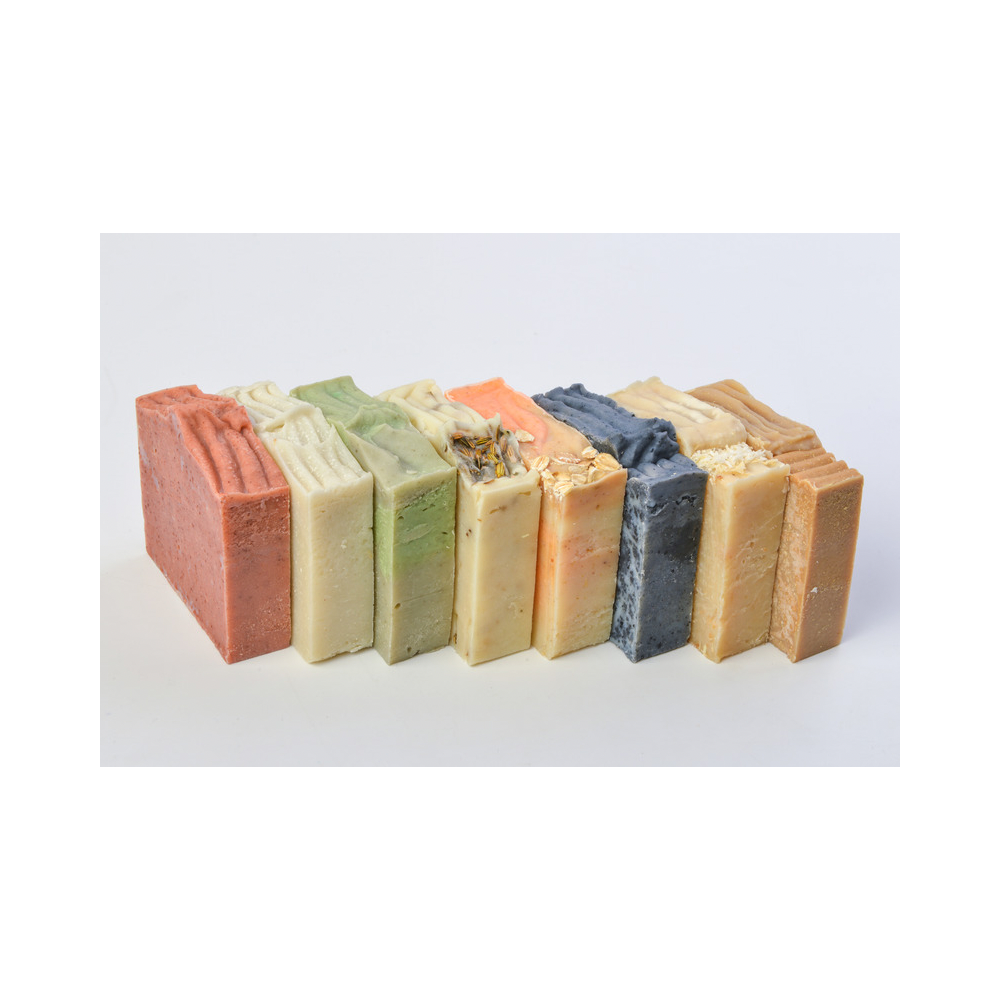
Instead of synthetic surfactant-loaded body washes and shampoos with hidden phthalates and fragrances, a basic castile soap base is gentle and effective.
Basic Castile Body Wash / Shampoo
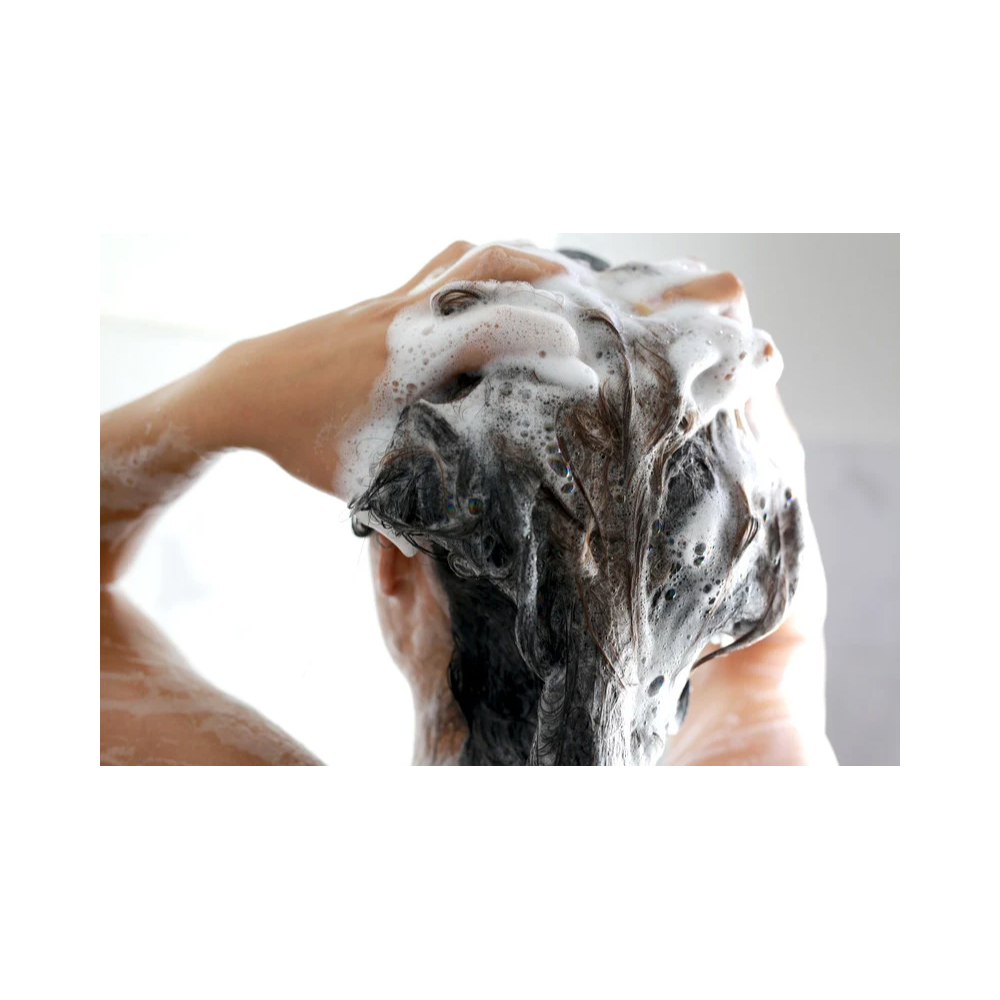
- ½ cup liquid unscented castile soap
- ½ cup distilled water (or rainwater if you collect it)
- Optional: 10–15 drops pure essential oil (lavender, tea tree, or rosemary — or skip for completely fragrance-free)
Mix in a glass bottle. Shake before use. It won’t foam like commercial versions, but it cleans well. For conditioner, a simple apple cider vinegar rinse (1–2 tablespoons vinegar in 1 cup water) after shampooing detangles, smooths, and removes residue without silicones or quats. This keeps hair healthier long-term and sends far less down the drain.
Toothpaste and Oral Care Alternatives
Commercial toothpastes often carry fluoride, heavy metals, and artificial flavors that fail the “If I Can’t Eat It” test. A simple homemade version uses pantry basics.
Basic Remineralizing Toothpaste
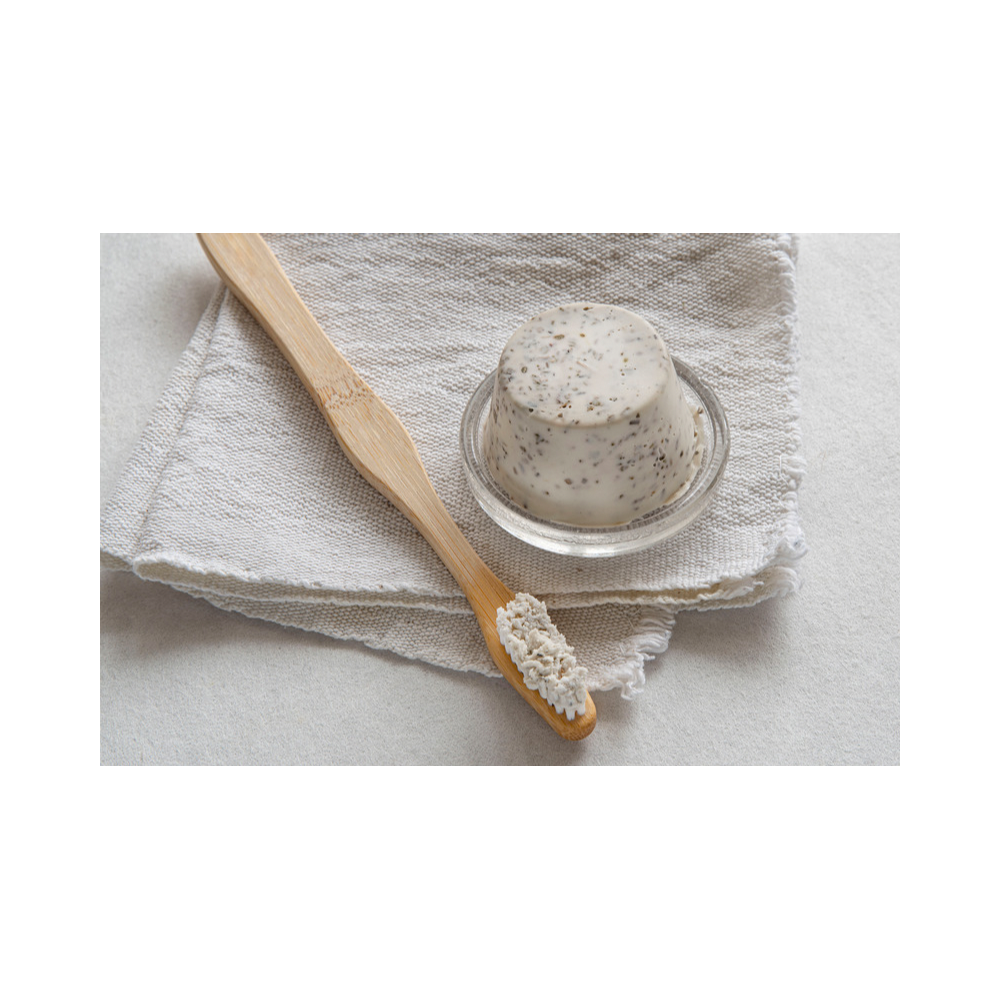
- ½ cup coconut oil (antimicrobial base)
- 3–4 tablespoons baking soda (gentle abrasive and pH balancer)
- 1 tablespoon bentonite clay (for gentle polishing and mineral support)
- Pinch of sea salt (for minerals and mild cleaning)
- Optional: a few drops of peppermint essential oil for taste (or skip)
Melt the coconut oil if solid, mix everything, and store in a small glass jar. Use a pea-sized amount. It cleans, freshens, and avoids the heavy metals and high fluoride loads found in many store brands. For kids, keep it very mild. Many families on the farm find this works well for daily brushing and reduces what gets swallowed or rinsed into graywater.
Natural Deodorants (Aluminum-Free)
Antiperspirants with aluminum compounds build up in tissue over time. Many of us here on the farm reach for a magnesium spray deodorant instead — it’s light, effective for odor control, and one of the products we make and offer in the farm store. It’s a simple, go-to option that avoids blocking sweat while still doing the job.
If you prefer a cream version:
- ¼ cup baking soda (odor neutralizer)
- ¼ cup arrowroot powder or cornstarch (absorbs moisture)
- ¼ cup coconut oil or shea butter (carrier)
- Optional: 10–15 drops essential oil (lavender or tea tree — or none for sensitive skin)
Mix into a paste and store in a small glass jar. Apply a pea-sized amount. If baking soda irritates, reduce it or stick with the magnesium spray.
Lotions and Moisturizers
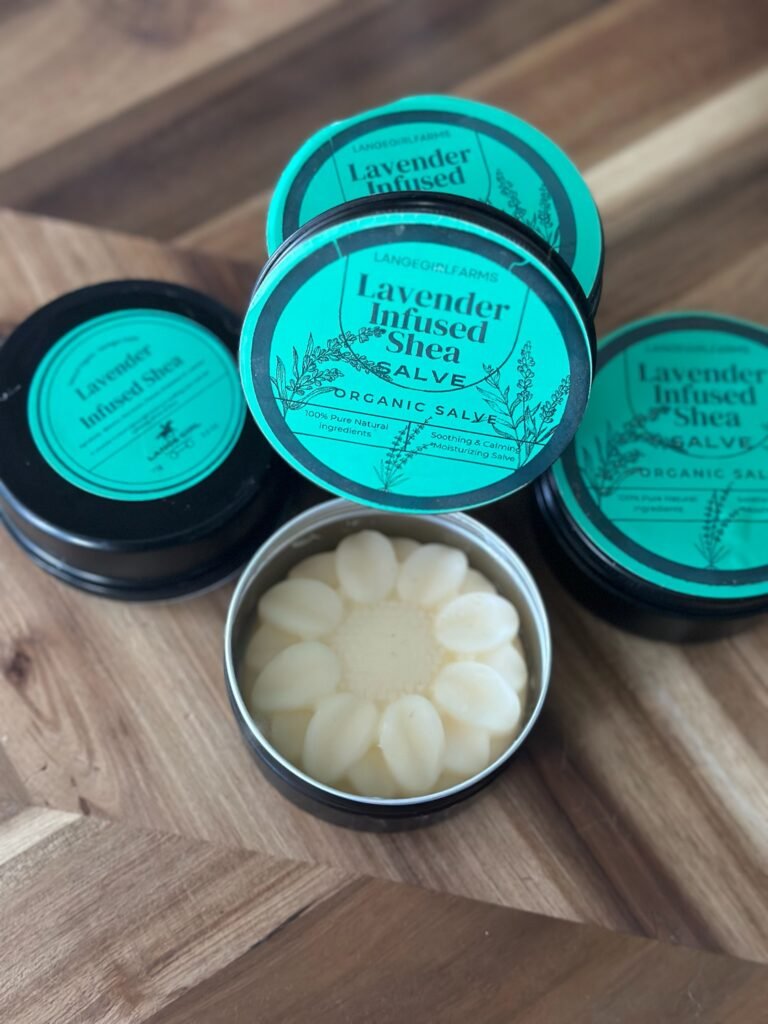
Commercial lotions often contain parabens, phthalates, and PFAS that sit on skin for hours. We make both a rich body butter for dry winter skin and a lighter body oil for everyday use after showering — both available in the store. They absorb well without synthetic preservatives and feel nourishing.
For a simple homemade version when you want to mix your own:
- ½ cup shea butter
- ¼ cup coconut oil
- ¼ cup beeswax pellets (for firmness)
- Optional: 10–15 drops essential oil or none
Melt everything together in a double boiler, pour into glass jars, and let cool.
Feminine Hygiene and Toilet Paper Alternatives
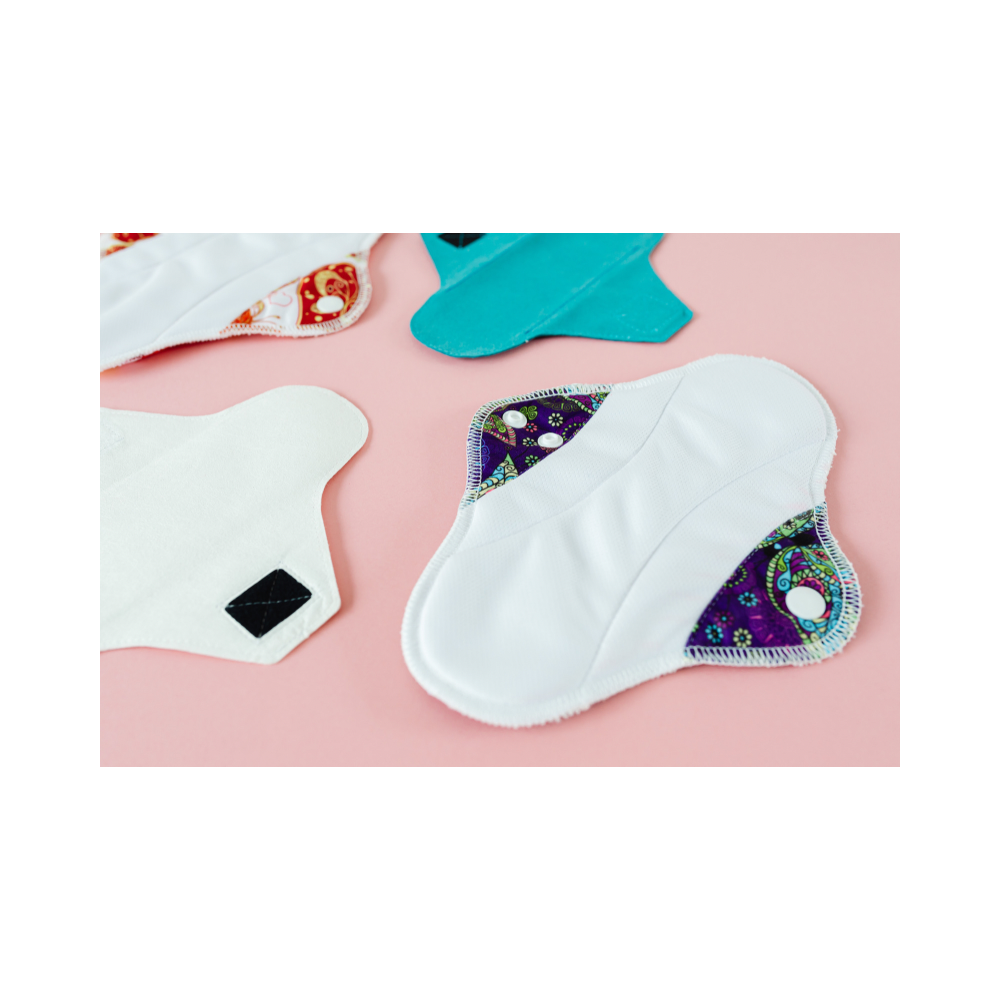
For tampons and pads with PFAS and residues, reusable cloth pads (washable cotton or flannel) or menstrual cups (medical-grade silicone or rubber) are practical for farm life — they rinse clean and go in the laundry. For toilet paper, look for plain, untreated rolls or use bidet-style rinsing with a peri bottle to reduce paper use altogether. These choices send far fewer chemicals to the septic while being gentler on sensitive areas.

Maintaining Bathroom Fixtures and Reducing Biofilms
Simple Weekly Fixture Clean (Stone-Friendly)
For porous counters like granite or stone, avoid straight vinegar. Instead:
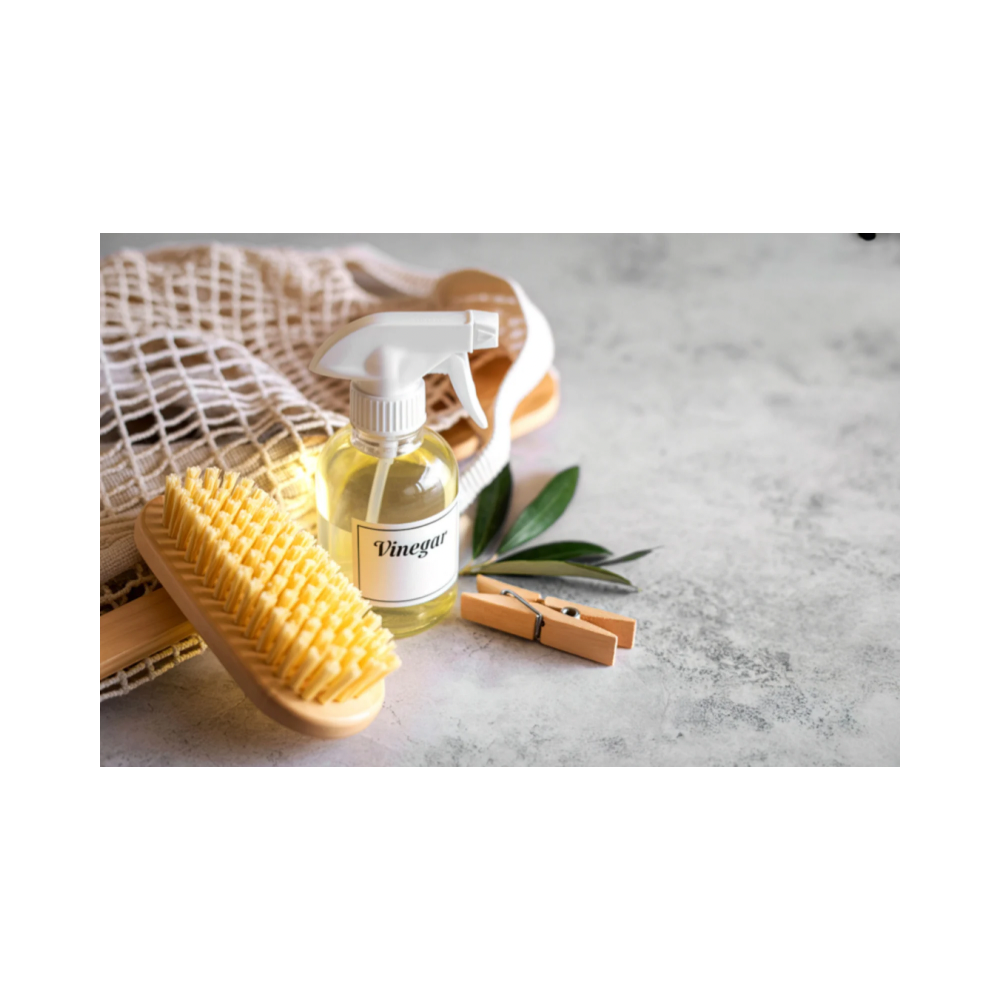
- Mix 1 cup distilled water + 1 teaspoon castile soap + a few drops of essential oil if desired.
- Spray on sinks, showers, faucets, and toilet bowls. Let sit 5–10 minutes.
- Sprinkle baking soda and scrub gently with a soft cloth or luffa.
- For showerheads, soak in the castile-water mix or a baking soda paste overnight to loosen mineral buildup and biofilm.
Wipe dry after cleaning. This keeps drains and seals cleaner without etching stone or using harsh chemicals. Leave the shower curtain or door open to dry and reduce moisture.
EMF Reduction in the Bathroom
Unplug or turn off hair dryers, electric toothbrushes, and smart devices when not in use. Towel dry hair first or air dry when possible to cut ELF exposure from dryers. Keep wireless devices out of the bathroom or on airplane mode during showers.
Why These Swaps Feel Better on the Homestead
These changes reduce what absorbs through skin or rinses into graywater that touches the garden and well. They cut aerosols in steamy air and residues that track on towels or dust. They line up with the “If I Can’t Eat It” mindset from our Skin & Beauty series — simpler ingredients we recognize and trust. They might take a few extra minutes at first (mixing a batch of body butter or toothpaste, rinsing a cloth pad, or scrubbing with castile solution), but they bring more peace knowing we’re not adding to the chemical load on the land or in our bodies.
Houseplants that love humidity do well in the bathroom and help clean the air. Peace lily and spider plant are excellent at pulling VOCs and mold-related compounds from steamy air. They’re forgiving, thrive in low light, and add a calm, living touch to a space where we start and end our days
Start small. Try the castile body wash or magnesium spray this week. Make one batch of toothpaste. See how your skin and the space feel after a month.
I’d love to hear what you’re trying in your own bathroom. Have you swapped a product for something simpler or noticed less irritation? Comments help as we keep walking through these spaces.
In the next posts, we’ll move to the bedroom, where dust and off-gassing bring their own questions.
From the farm,
Kara
Lange Girl Farms
Related series to check: Water Series | Skin & Beauty Series | Glyphosate Series