
Hey friends, it’s Kara from Lange Girl Farms here in Southeast Michigan.
After walking through the bedroom toxins in Part A — the flame retardants and PFAS in mattresses and bedding, the formaldehyde off-gassing from pressed-wood furniture, the heavy dust loaded with phthalates and residues, the PFAS-treated carpets and rugs, and the constant EMF from chargers, routers, and devices during sleep — it can feel heavy. But we don’t have to keep breathing and absorbing all that while our bodies are supposed to be resting and repairing. There are straightforward, old-fashioned ways to make the bedroom cleaner and calmer using simple swaps and habits that line up with farm life.
This is Bedroom Part B. We’ll talk practical changes and basic ideas that reduce off-gassing, dust, and EMF without needing to replace everything at once. Start with one or two and see how your sleep and the air feel after a few weeks.
Mattresses, Box Springs, and Bedding Swaps

Instead of conventional foam mattresses loaded with flame retardants and PFAS, look for natural fiber options like organic cotton, wool, or latex (if budget allows). Wool is naturally flame-resistant, moisture-wicking, and antimicrobial — perfect for farm life where dust and humidity can be issues. A wool topper or wool-filled comforter can make a big difference on an older mattress.
For sheets and pillowcases, choose 100% organic cotton, linen, or hemp. These breathe better than synthetics, don’t carry the same chemical treatments, and soften with washing. Wash new bedding multiple times before first use (hot water if the fabric allows) to rinse out any manufacturing residues. Air-dry outside when possible for a natural freshening without dryer heat.
Pillows can be filled with wool, buckwheat, or natural feather/down from duck or goose. We prefer feather/down pillows here — they’re breathable, moldable, and last for years with proper care. They’re a simple, traditional choice that avoids synthetic fills and microplastics.
Reducing Dust Accumulation
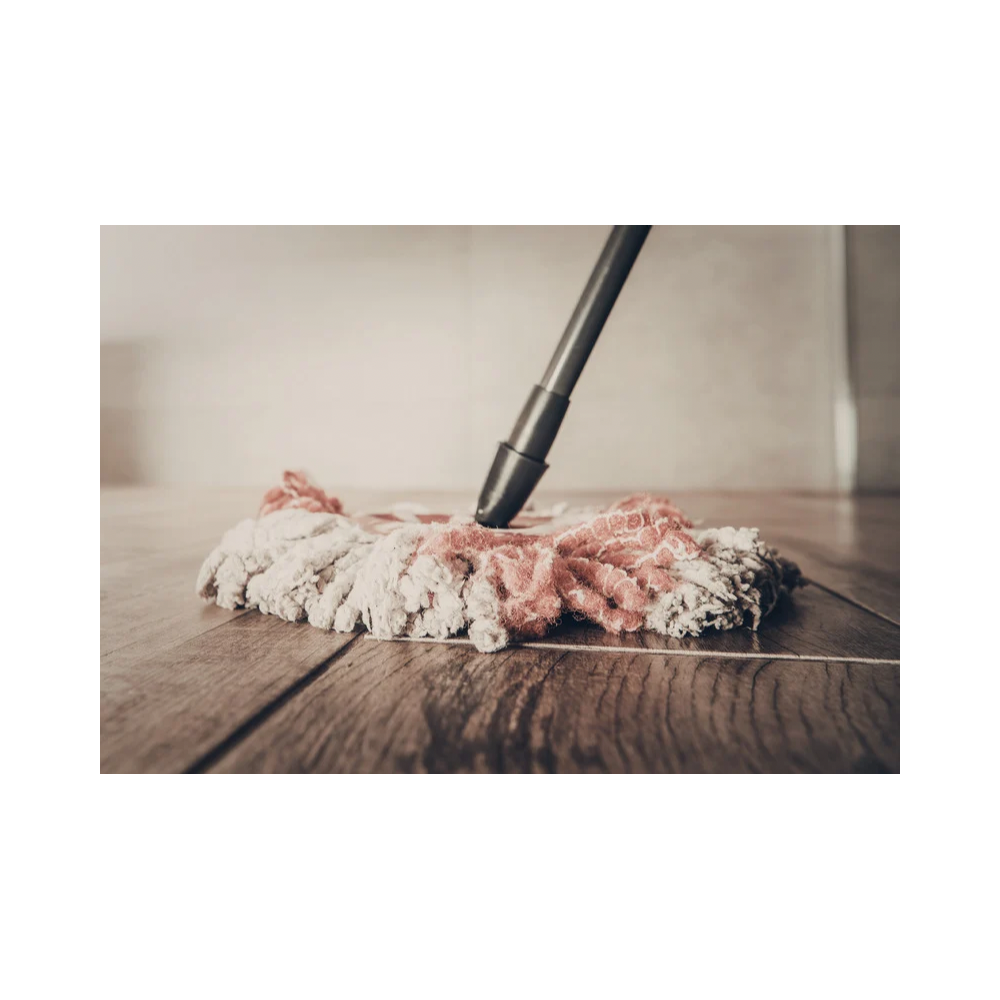
Bedroom dust builds fast on the farm from tracked-in dirt and barn fibers. A few habits make a real difference:
- Boots stay in the mudroom. We slip on house slippers as soon as we come inside so farm dirt and residues don’t track into sleeping areas.
- Use a good vacuum regularly. We rely on our Dyson for the heavy husky fur — robot vacuums just can’t handle the undercoat when the pack blows their seasonal coats twice a year. Adding eggs to their diet has noticeably helped reduce shedding and hot spots (more info in our egg series), which means less fur overall in the house.
- Wash bedding weekly in hot water (or vinegar rinse) to remove skin cells and residues.
- Consider a simple air purifier with a true HEPA filter in the bedroom during high-dust seasons, or just open windows for cross-ventilation when the weather allows.
These steps cut the flame retardants, phthalates, and PFAS that settle in dust and get inhaled or absorbed overnight.
Furniture and Pressed-Wood Choices
For nightstands, dressers, or headboards, solid wood (or secondhand pieces that have already off-gassed) is far better than new pressed-wood or laminate. We love using old antique furniture or building with solid wood and salvaged antique pieces — Michigan is full of garage sales and vintage finds that already have decades of off-gassing behind them. These pieces bring character, last forever, and don’t release the formaldehyde that new particleboard does.
Rugs and carpets trap dust. Opt for natural fiber rugs (wool, jute, cotton) that can be shaken outside or washed. Hard floors with washable rugs are easier to keep clean on a farm.
EMF Reduction at Night
The bedroom is where we want the least interference during rest. Simple steps help:
- Turn off WiFi routers at night or move them farther from sleeping areas.
- Keep phones and chargers outside the bedroom or on airplane mode.
- Unplug lamps and devices when not in use.
- Use a simple battery-powered clock instead of a digital one plugged into the wall.
- If you have a baby monitor or smart device, choose wired options or keep them at a distance.
Towel-drying hair before bed also reduces the need for electric dryers and their strong fields right before sleep.
Why These Swaps Feel Better on the Homestead
These changes reduce what we breathe and absorb for 8+ hours every night — the time our bodies are supposed to repair from farm work. They cut dust that tracks in from boots and barn clothes, lower off-gassing in closed winter rooms, and ease the EMF load during deep rest. They line up with the same stewardship we practice in the garden and barn: choosing simpler, natural materials that don’t add extra burdens to the land or our well water.
Houseplants in the bedroom can gently clean nighttime air. Snake plant is especially good because it releases oxygen at night, and peace lily or pothos help filter formaldehyde and other off-gassing from furniture or dust. Keep a couple on a nightstand or shelf — they’re low-maintenance and make the room feel more restful after long farm days
Start small. Wash all bedding this week and air it outside. Move the router farther away or turn it off at night. Replace one synthetic pillow with wool or down. See how your sleep feels after a couple of weeks.
I’d love to hear what you’re trying in your own bedroom. Have you noticed better rest after reducing dust or turning off devices at night? Comments help as we keep walking through these spaces.
In the next posts, we’ll move to the living areas, where furniture, carpets, and smart devices bring their own questions.
From the farm,
Kara
Lange Girl Farms
Related series to check: Water Series | Skin & Beauty Series | Glyphosate Series