Hey farm gals, it’s Kara from Lange Girl Farms!
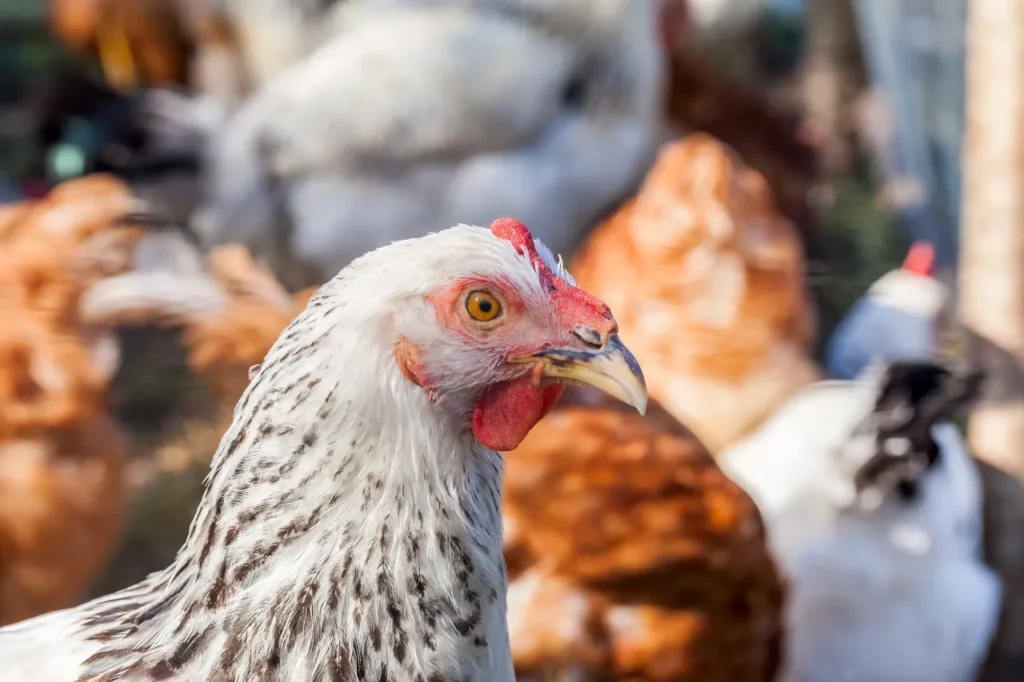
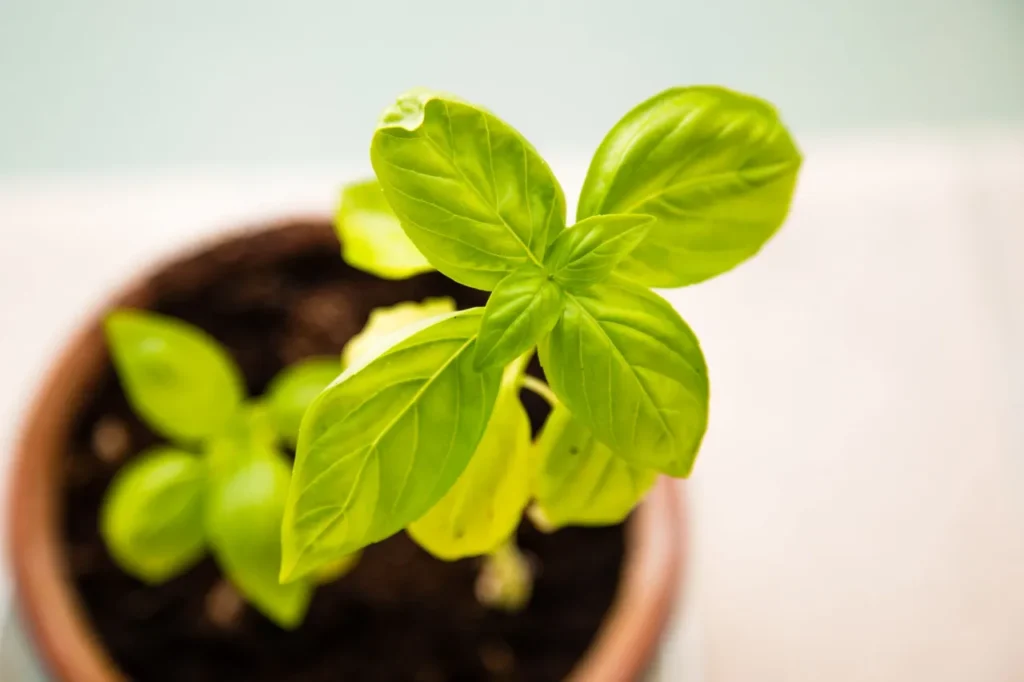
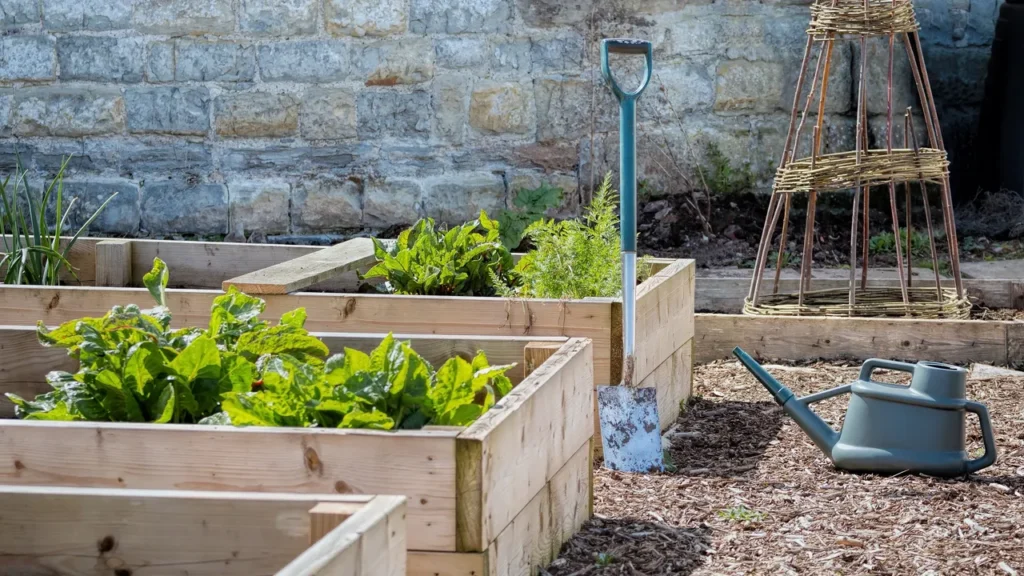
After the wake-up call in Part 1 about paraquat’s heavy use in the Midwest and its strong ties to Parkinson’s, I spent some time this morning hand-weeding around the herb beds and torching a few stubborn patches before they could spread. My pregnant mini mare got her usual gentle check-in—extra calm routines and the cleanest forage we can provide, with no risk of drift or hidden residues affecting her or her growing foal. The Siberian huskies were zooming safely in their own area, the llamas and alpacas kept their watchful guard, and the chickens and ducks foraged happily in their secure run. These simple, chemical-free moments are why we do the extra work. We refuse to let any of these toxins near our land or animals.
In Part 1 we saw the real-world use, spills, and Parkinson’s links. Now in Part 2 we’re going full nerd on what paraquat actually is and how it works at the cellular level. We’ll break down its chemistry, why it’s so fast-acting and deadly, why it’s classified as restricted-use only, and how it differs from glyphosate. No vague overviews—this is the foundation so you understand exactly why regenerative homesteads like ours say a hard no.
What Is Paraquat?
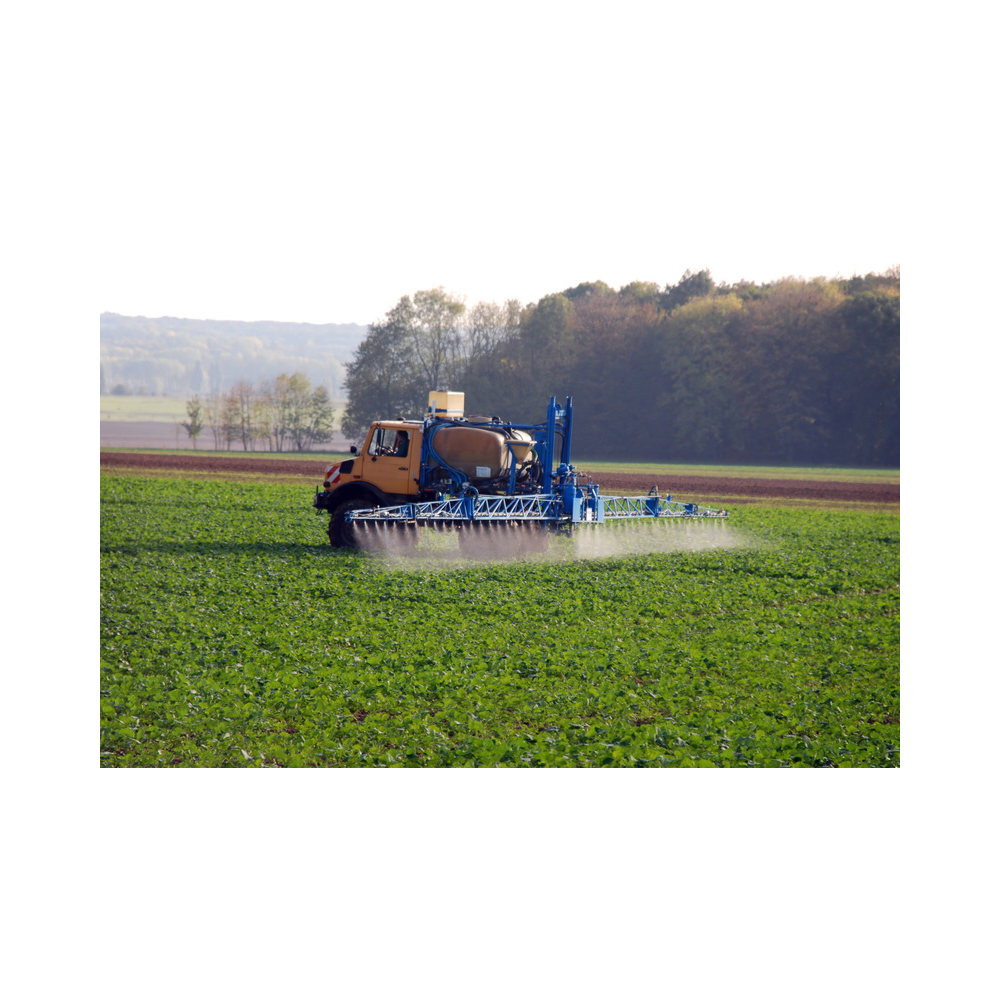
Paraquat is the common name for paraquat dichloride, a bipyridyl compound sold under brand names like Gramoxone and in many generic formulations. It’s a non-selective, contact herbicide—meaning it kills almost any green plant tissue it touches but does not move systemically through the plant like glyphosate does. It was first introduced in the 1960s and has been used as a burndown tool (killing weeds before planting) or as a desiccant to dry crops for earlier harvest.
Unlike glyphosate, which targets a specific plant enzyme pathway, paraquat acts fast—visible damage can appear within hours, with full wilting and death in 1–3 days depending on conditions. It’s highly water-soluble and comes as a dark blue or green liquid (often with a strong odor and stenching agents added to deter accidental ingestion).
How It Kills: Redox Cycling and Explosive Oxidative Stress
Paraquat’s killing power comes from a process called redox cycling—a continuous cycle of reduction and oxidation that generates massive amounts of reactive oxygen species (ROS), especially superoxide radicals.
Here’s the step-by-step mechanism (nerd level):
1. Entry into cells: Paraquat is taken up by plant cells (and unfortunately by animal and human cells too, especially in the lungs and brain).
2. One-electron reduction: Inside the cell, enzymes like NADPH-cytochrome P450 reductase, nitric oxide synthase, or NADPH oxidase donate an electron to paraquat, turning it into a free radical (paraquat radical cation).
3. Reaction with oxygen: This radical quickly reacts with molecular oxygen (O₂), regenerating the original paraquat molecule and producing superoxide radical (O₂⁻•) — a highly reactive form of oxygen.
4. The cycle repeats: The regenerated paraquat is reduced again, and the process cycles over and over. Each cycle consumes cellular reducing power (like NADPH) and pumps out more ROS.
5. Cellular destruction: The flood of superoxide and downstream ROS (hydrogen peroxide, hydroxyl radicals) causes lipid peroxidation (destroying cell membranes), protein damage, and DNA injury. Plant cells literally rupture from the inside out. In animals and humans, the same process damages mitochondria and leads to oxidative stress, especially in sensitive tissues like the lungs (where paraquat accumulates) and the brain’s dopamine neurons.
This redox cycling is why paraquat is so potent and fast-acting compared to many other herbicides. It doesn’t need to be translocated throughout the plant—it destroys whatever green tissue it contacts almost immediately.
Why It’s So Dangerous to People and Animals
Because the same redox cycling happens in mammalian cells, paraquat is extremely toxic:
• Acute poisoning: Even a small swallowed amount (as little as a teaspoon in concentrated form) can be fatal. There is no specific antidote. Treatment is supportive (activated charcoal, hemodialysis), but lung damage often progresses to fatal fibrosis days or weeks later.
• Restricted-use status: In the U.S., paraquat is a restricted-use pesticide—only certified applicators can buy and apply it. It’s dyed blue/green and has stenching agents and emetics added to prevent accidental ingestion.
• Chronic risks: Lower-level exposure over time is linked to Parkinson’s through the exact oxidative damage to dopamine neurons we covered in Part 1. It can also cause kidney, liver, and heart issues.
Syngenta’s decision to stop production by June 2026 (announced March 2026) was driven by generic competition, not safety concerns. Other manufacturers will continue supplying it, so the risk remains.
How Paraquat Differs from Glyphosate
It’s important to understand they are not the same tool:
• Mode of action: Glyphosate is systemic and blocks the shikimate pathway (amino acid synthesis). Paraquat is contact-only and destroys cells via redox cycling and ROS explosion.
• Speed: Glyphosate takes days to weeks to kill; paraquat acts in hours.
• Movement: Glyphosate moves throughout the plant to roots; paraquat stays where it lands and does not translocate well.
• Persistence: Glyphosate binds less strongly to soil; paraquat binds very tightly to clay particles, reducing some leaching but allowing long-term soil contamination and dust movement.
• Toxicity: Paraquat is far more acutely toxic to mammals. Glyphosate is less immediately deadly but has its own chronic concerns (cancer, microbiome disruption).
Farmers sometimes use both or rotate them when resistance develops. On our homestead, we use neither—we hand-weed, torch, mulch, and let our animals help manage vegetation because neither chemical fits a regenerative system that protects soil life and animal health.
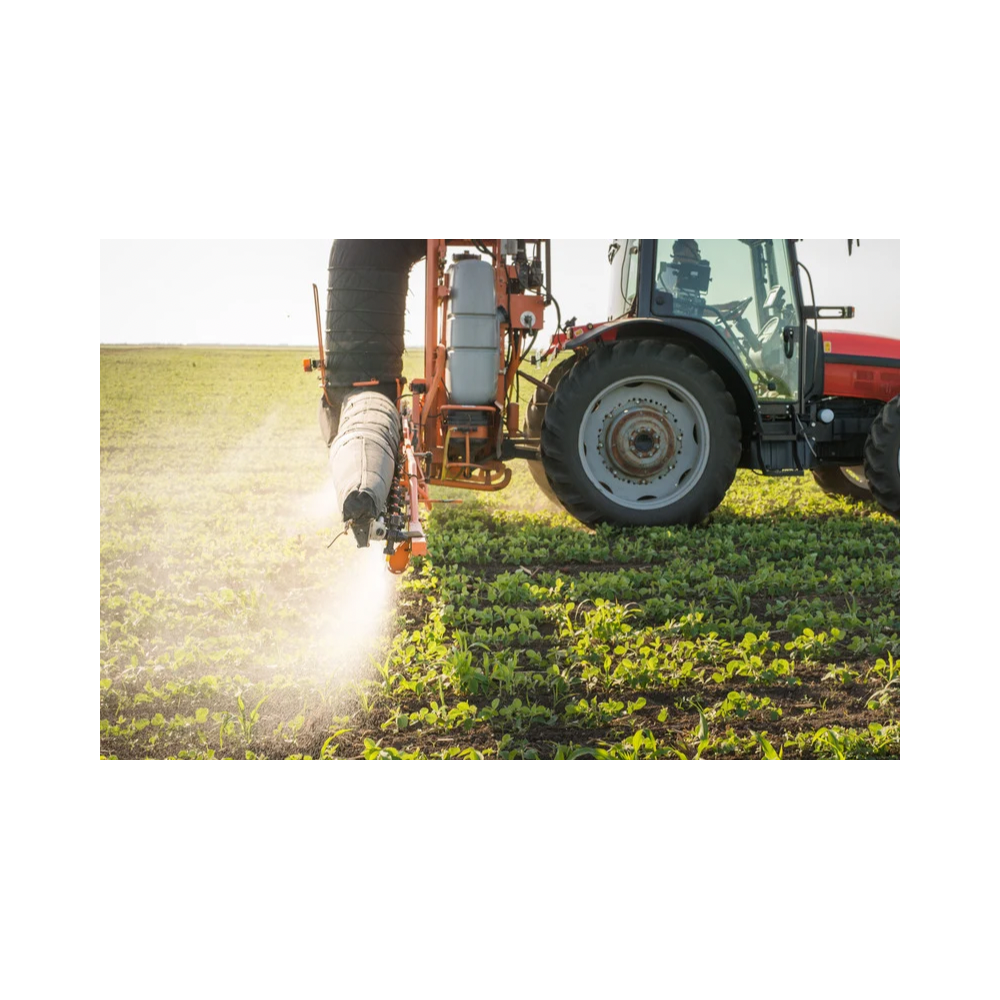
Why “Convenient” Burndown Comes at Too High a Cost
Big ag loves paraquat for quick field prep and when glyphosate-resistant weeds take over. But on a homestead, that convenience destroys the microbial life we spend years building, risks drift onto our clean pasture (especially dangerous for our pregnant mini mare), and leaves persistent oxidative stress risks in the environment.
We see the difference every day: vibrant soil, healthy animals with strong immune systems, and peace of mind. Hand-weeding and torching take more effort, but they don’t leave the toxic legacy that paraquat does.
Series Roadmap – What’s Next
Part 3: The devastating toll on humans (Parkinson’s and more), livestock (neurological and oxidative stress in horses, poultry, etc.), wildlife, and waterways.
Part 4: On our plates – residue detections in crops and processed foods, plus the cumulative load.
Part 5: Follow the money – manufacturers, the full MDL lawsuit updates (6,500+ cases), settlements, and regulatory fights.
Part 6: The roots – discovery in the 1960s, corporate history, and why it’s still allowed here despite global bans.
Part 7: Reclaiming our land – our exact holistic methods (hand-weeding, torch burning, mulch, cover crops, livestock grazing), Michigan tips, and free printable checklist.
Pin this post and the whole series. Drop a comment: Have you dealt with paraquat drift or resistance issues on neighboring land? Are you already avoiding burndown chemicals? I read every one.
If you’re ready to support a farm doing it clean, check our shop for wildcrafted salves (soothing after hand-weeding or torch work), herbal teas grown without any sprays, or non-GMO seeds for your regenerative garden. Every bit helps us keep saying no to these toxins.
We don’t have to accept the next chemical on the list. We can protect our land and animals with better choices.
See you in Part 3, farm gals!
With love from the pasture,
Kara
Lange Girl Farms