Hey farm gals, it’s Kara from Lange Girl Farms!
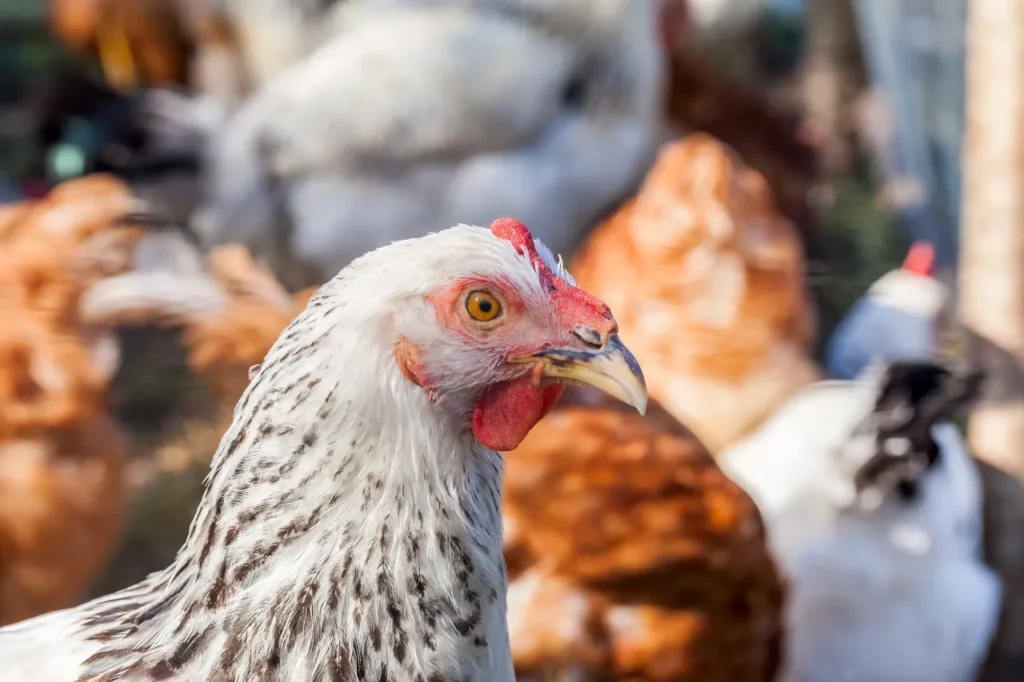
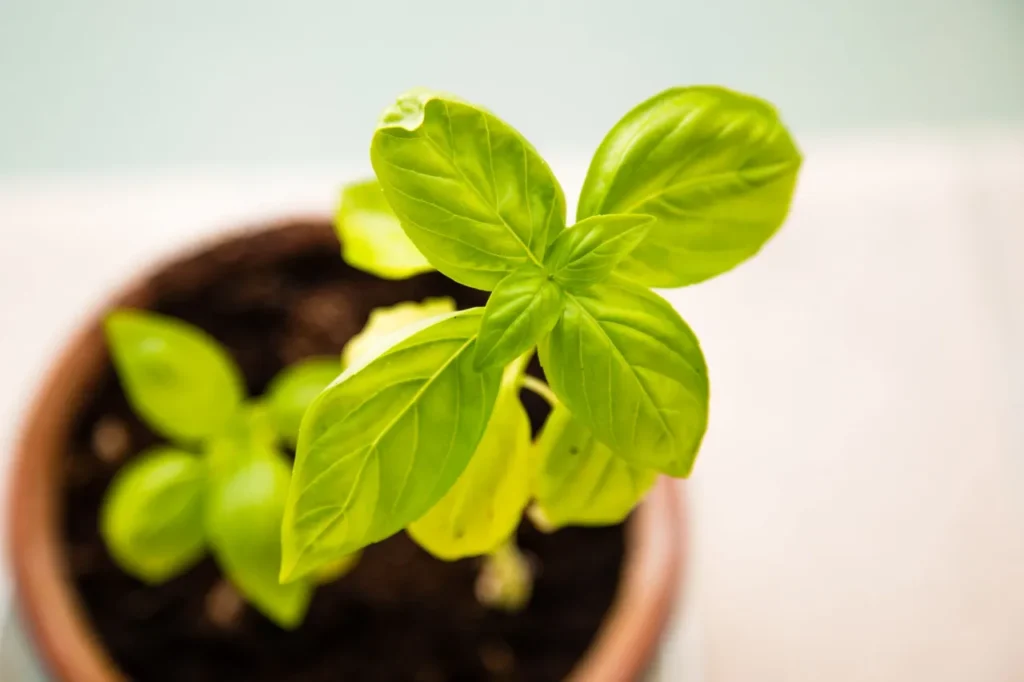
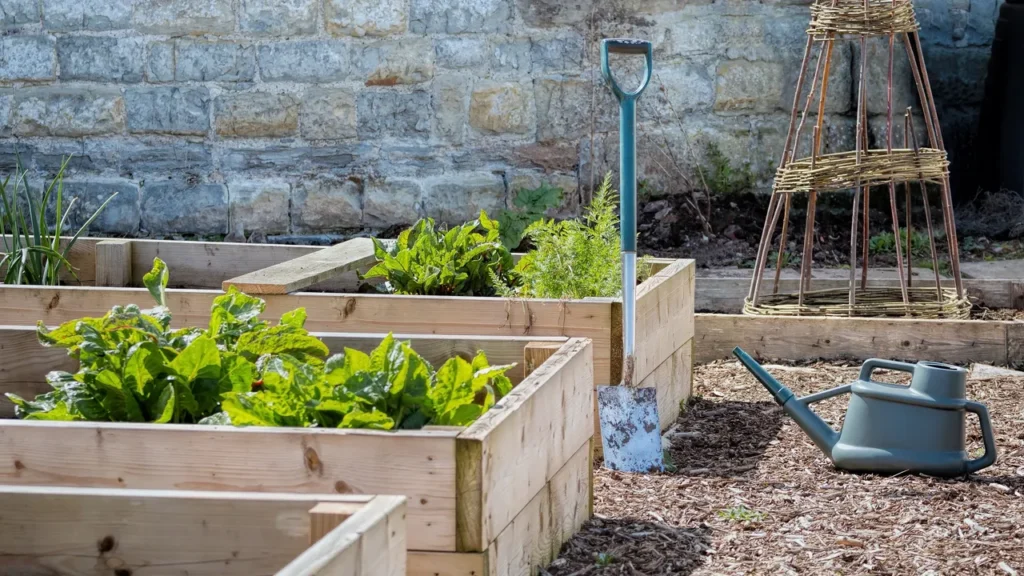
This morning I started the day with my usual rounds: hand-weeding a few spots in the herb garden and torching some early weeds along the fence before they could set seed. My pregnant mini mare is getting extra gentle attention these days—calm routines and the cleanest pasture we can provide so nothing can affect her or her growing foal. The Siberian huskies were zooming happily in their own safe area, the llamas and alpacas stood their steady watch, and the chickens and ducks scratched and splashed contentedly in their secure run. These simple, toxin-free moments make all the extra effort worthwhile. The soil feels alive underfoot, our animals stay strong and healthy, and we have real peace of mind knowing we’re not bringing any of these chemicals onto the land.
Like others we are exposing from the full Glyphosate Exposed and Paraquat Exposed series, we’re not stopping. The next major herbicide still flooding Midwest fields—especially corn—is atrazine, the #2 most-used herbicide in the U.S. after glyphosate. It’s heavily relied on in corn-growing states, with tens of millions of pounds applied yearly, and it’s a persistent endocrine disruptor that contaminates groundwater and surface water across the corn belt. This series will mirror the others: seven deep-dive parts with the full science, impacts on humans/livestock/wildlife/water, food residues, corporate/lawsuit details, historical roots, and the practical holistic methods we use every day so our animals and family stay protected.
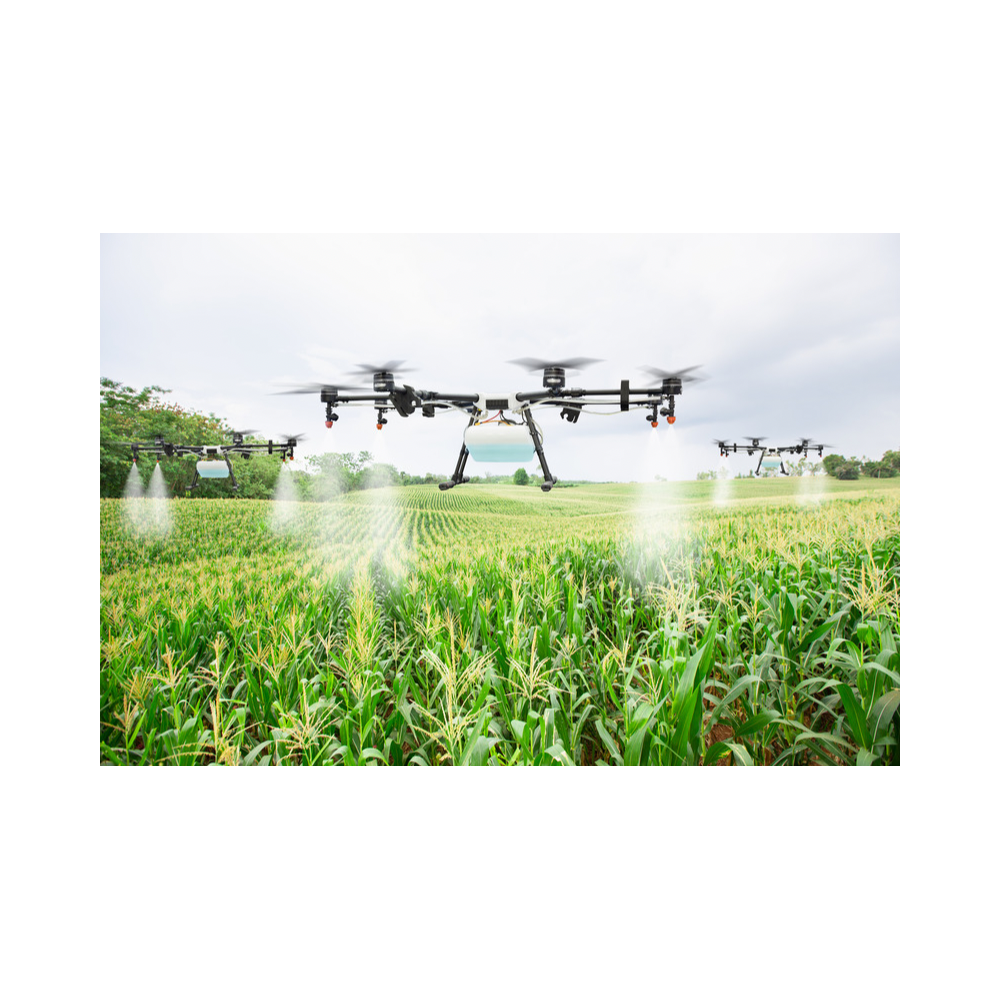
In Part 1 we’re starting with the wake-up call: where atrazine is still being used in the Midwest, its strong links to hormone disruption (including the famous frog studies), cancer and birth defect concerns, groundwater contamination, and why this hits regenerative homesteads like ours so hard. No sugar-coating—just the facts, sources, and why we say no.
The Current Reality: Still Heavily Used in Midwest Corn
Atrazine is a triazine herbicide primarily used on corn (and to a lesser extent sorghum and sugarcane). It remains one of the most applied herbicides in the U.S., with estimates of 65–80 million pounds used annually in recent years, the vast majority on corn acres in the Midwest. North America accounts for a large share of global use, and in states like Illinois, it’s applied to an estimated 90% of corn acres in some analyses.
Farmers value it for broadleaf and grass weed control in corn systems, often as part of pre- and post-emergence programs. However, its persistence in soil and high mobility in water mean it frequently moves off fields via runoff and leaching, especially in heavy rain events common in the Midwest. USGS monitoring has repeatedly shown atrazine and its breakdown products (like deethylatrazine) in streams and groundwater across agricultural regions, often at higher concentrations in corn-belt waterways than in urban ones.
The Endocrine Disruption Connection: Frogs, Fish & Mammals
Atrazine is a potent endocrine disruptor. Landmark research by Dr. Tyrone Hayes and others has shown that even very low concentrations (as low as 0.1 ppb) can cause severe reproductive effects in amphibians:
• Male African clawed frogs exposed to atrazine developed up to six gonads (including ovaries), became hermaphroditic, or were chemically castrated with dramatically reduced testosterone.
• Similar demasculinization and feminization effects have been observed in other frogs, fish, and reptiles.
These changes occur because atrazine interferes with hormone pathways—it can increase estrogen production and suppress testosterone. The effects are seen at levels commonly found in Midwest surface water and sometimes drinking water sources.
In mammals (including lab rodents and livestock studies), atrazine has been linked to altered reproductive development, delayed puberty, and changes in hormone signaling. Human epidemiology studies have explored associations with birth defects, reduced semen quality, and certain cancers, though regulatory bodies continue to debate the strength of the evidence. The International Agency for Research on Cancer (IARC) has evaluated atrazine, and ongoing reviews highlight concerns about reproductive toxicity.
Groundwater Contamination & Drinking Water Risks
Atrazine is one of the most frequently detected pesticides in U.S. groundwater and surface water, particularly in the Midwest corn belt. It persists in the environment and moves readily with water, leading to widespread contamination of wells and rivers. EPA monitoring has shown detections above health benchmarks in many agricultural watersheds.
Recent EPA proposals have adjusted allowable levels in surface water (with some increases that critics argue loosen protections), while independent groups like EWG continue to flag risks to drinking water, especially for pregnant women and children. The chemical’s ability to disrupt hormones at low doses makes even trace contamination in community or private wells a serious concern for families in farming regions.
Midwest Relevance & Drift/Runoff to Regenerative Farms
Living in Southeast Michigan, just across the border from heavy corn and soy areas, drift and runoff are real worries. My own county shows up in broader pesticide-pressure data, and shared watersheds mean contaminants don’t stop at state lines. For regenerative homesteads trying to keep land and animals clean, neighboring conventional corn fields using atrazine create constant risk—wind can carry it, rain can wash it into streams or onto pasture.
That’s why we refuse it entirely. Our pregnant mini mare gets forage we know is free of these burdens because reproductive and developmental risks are too high. Our huskies, llamas, alpacas, chickens, and ducks live without the hormone-disrupting load that conventional systems introduce.
Limitations Noted – And Why We Still Act
Regulators note that acute effects require higher exposures and that soil binding can limit some movement. But the consistent findings on endocrine disruption in amphibians and other species, combined with widespread detections in water, create a signal too strong to ignore—especially when safer regenerative alternatives exist.
Series Roadmap – What’s Coming Next
Part 2: Atrazine 101 – the exact chemistry (photosynthesis inhibitor blocking electron transport in photosystem II), why it’s so persistent in soil and water, and how it compares to glyphosate and paraquat.
Part 3: The devastating toll on humans (hormone disruption, possible cancer/reproductive effects), livestock (reproductive issues in pregnant animals), wildlife (frog sex changes and population impacts), and waterways.
Part 4: On our plates – residue detections in corn, processed foods, and the cumulative load.
Part 5: Follow the money – Syngenta and other manufacturers, lawsuits, and regulatory battles.
Part 6: The roots – discovery, corporate history, and why it’s still widely used in the U.S. despite restrictions elsewhere.
Part 7: Reclaiming our land – our exact holistic methods (hand-weeding, torch burning, mulch, cover crops, livestock grazing with our mini horses and llamas/alpacas), Michigan-specific tips, and free printable checklist.
This series is for every homestead gal tired of the next chemical being pushed after glyphosate and paraquat. We don’t have to accept it.
Pin/save the series and comment below: Have you seen atrazine use near your property or worried about water contamination? What changes are you making to go fully toxin-free? I read every comment.
If you want to support a farm refusing these chemicals entirely, swing by the shop for our wildcrafted salves (great after hand-weeding or torch work), herbal teas grown right here without sprays, or non-GMO seeds for your own regenerative garden. Every purchase helps us keep protecting our land and animals.
We can protect our farms, our families, and our future—one holistic choice at a time.
See you in Part 2, farm gals!
With love from the pasture,
Kara
Lange Girl Farms