Hey farm gals, it’s Kara from Lange Girl Farms!
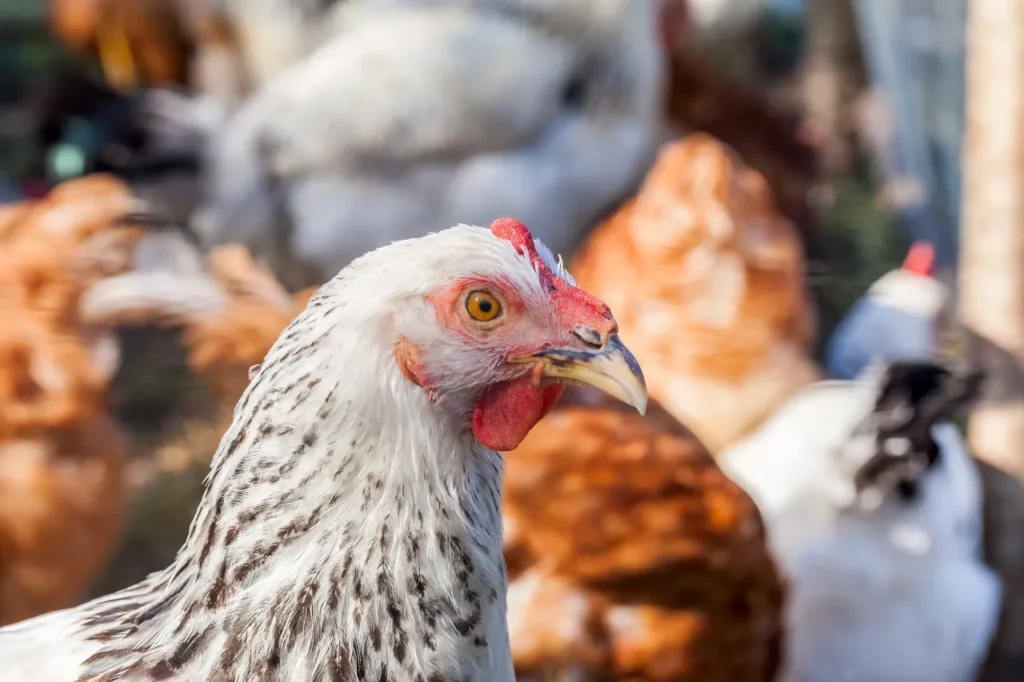
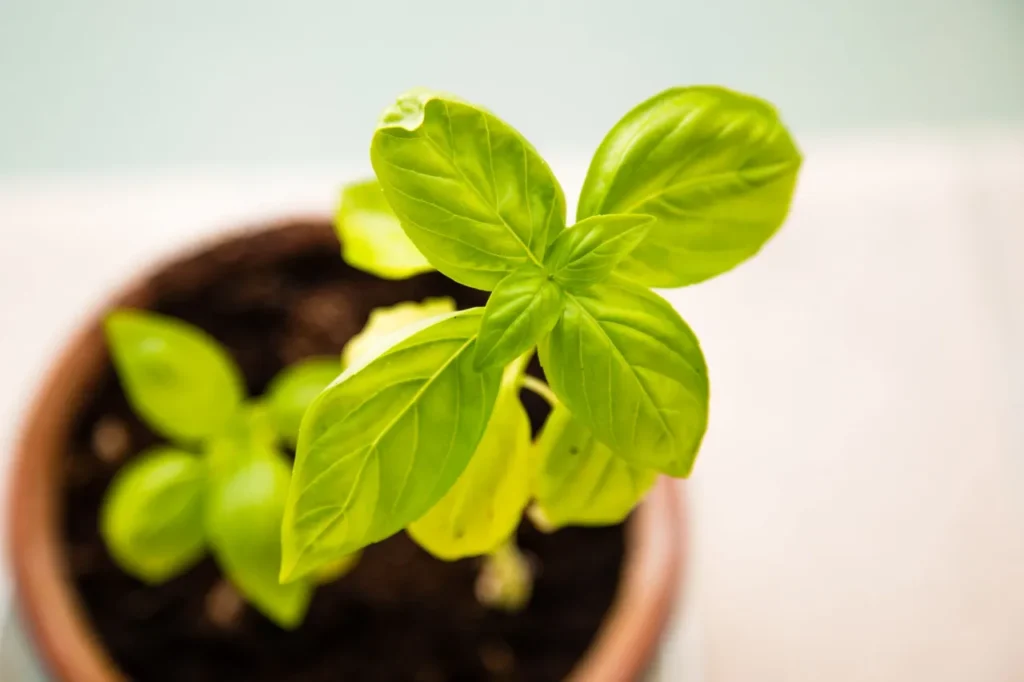
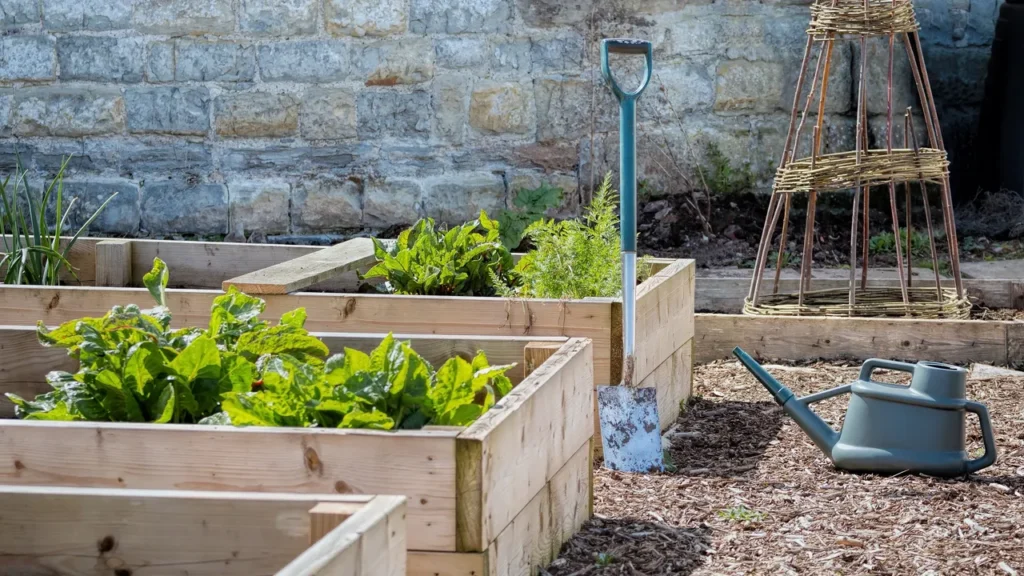
After digging into the science of how atrazine blocks photosynthesis in Part 2, I spent some time this morning hand-weeding around the herb beds and torching a few stubborn early patches before they could spread. My pregnant mini mare got her usual gentle attention—calm routines and the cleanest forage we can provide, with no risk of drift or hidden residues affecting her or her growing foal. The Siberian huskies were zooming safely in their own area, the llamas and alpacas kept their watchful guard, and the chickens and ducks foraged happily in their secure run. These simple, toxin-free moments remind me why we refuse every chemical shortcut on this regenerative homestead.
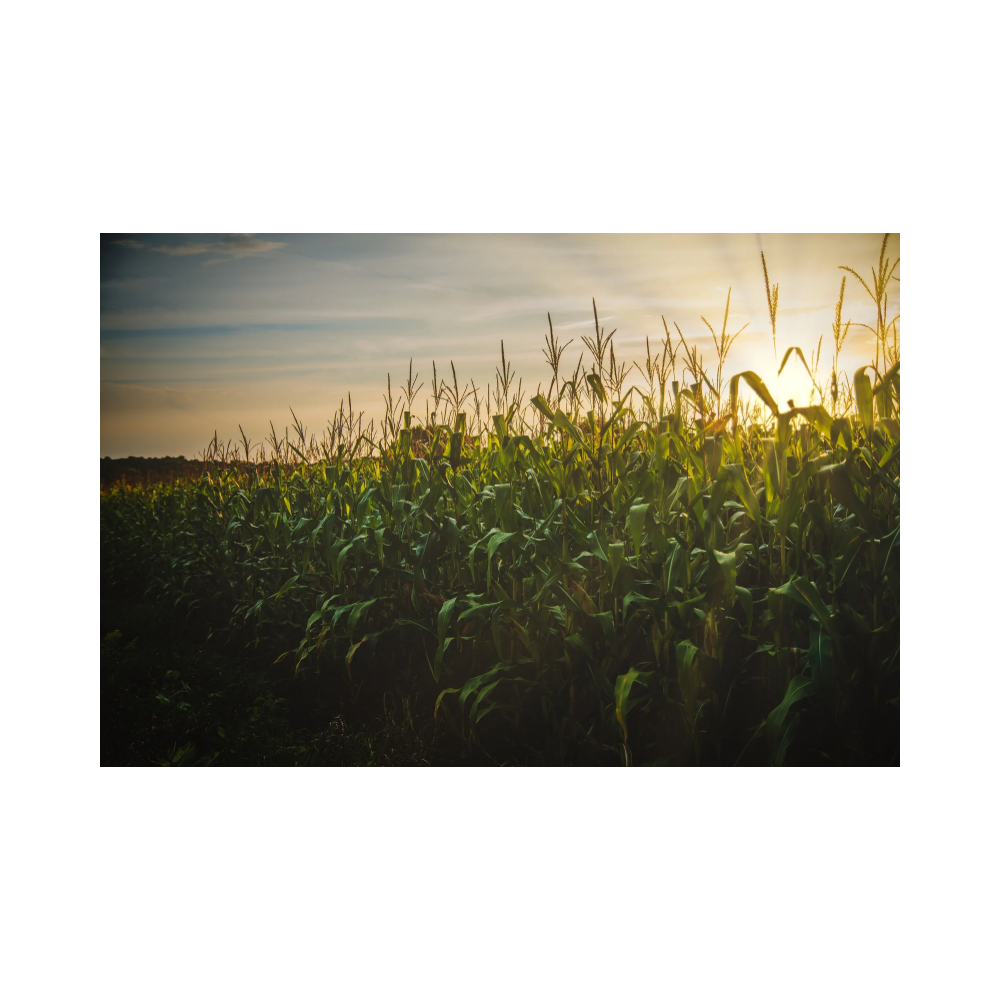
In Part 1 we saw the heavy Midwest corn usage and widespread water contamination. In Part 2 we broke down its mode of action as a photosystem II inhibitor. Now in Part 3 we face the real cost: the hormone-disrupting effects on humans and animals, the famous amphibian studies, reproductive and developmental risks, and the damage to waterways and wildlife. This is the part that hits hardest for homesteaders trying to protect pregnant animals, growing kids, and local ecosystems. We’re going full detail with mechanisms and studies—no sugar-coating.
Humans: Endocrine Disruption, Reproductive Effects & Developmental Concerns
Atrazine interferes with hormone signaling, particularly by increasing estrogen production and suppressing testosterone. This can disrupt the hypothalamic-pituitary-gonadal axis.
Key findings:
• Epidemiologic studies have linked atrazine exposure to altered reproductive hormones, delayed puberty, and possible increases in certain birth defects (e.g., gastroschisis, hypospadias).
• Prenatal exposure has been associated with lower birth weight, reduced head circumference, and potential neurodevelopmental effects in children.
• Some research suggests links to certain cancers (prostate, ovarian, breast), though regulatory bodies continue to debate causality versus association.
• Farm families and communities with contaminated drinking water show higher biomarker levels of atrazine metabolites, raising concerns about chronic low-dose exposure.
The EPA has set a drinking water maximum contaminant level of 3 ppb, but independent scientists argue this does not adequately protect against endocrine effects at much lower concentrations.
Livestock: Reproductive Issues & Risks to Pregnant Animals
Our pregnant mini mare gets nothing but clean pasture because the reproductive risks are too real. Studies in cattle, sheep, and other livestock show atrazine can:
• Disrupt estrous cycles and reduce conception rates.
• Cause hormonal imbalances, including elevated estrogen and reduced progesterone.
• Lead to developmental abnormalities in offspring when exposure occurs during critical pregnancy windows.
• Increase oxidative stress and inflammation in reproductive tissues.
Horses and other sensitive species appear particularly vulnerable to endocrine-active compounds. That’s why we’re so careful with our expectant mare—her forage and environment stay completely free of these hormone-disrupting chemicals. Our chickens and ducks also benefit from the clean system, producing strong eggs without the reproductive stress seen in conventionally raised poultry.
Wildlife & Aquatic Life: The Famous Frog Studies & Broader Ecosystem Harm
Atrazine is best known for its effects on amphibians, thanks to groundbreaking work by Dr. Tyrone Hayes and others:
• Male African clawed frogs exposed to atrazine at concentrations as low as 0.1 ppb (commonly found in Midwest surface water) developed ovaries, became hermaphroditic, or were chemically castrated with dramatically reduced testosterone and fertility.
• Similar demasculinization and feminization have been documented in other frog species, fish, and reptiles.
• Effects include altered gonadal development, reduced sperm count, and skewed sex ratios in populations.
Fish and amphibians suffer additional impacts: reduced survival of larvae, developmental abnormalities, and disrupted thyroid function. Invertebrates and aquatic plants are also affected, leading to shifts in entire food webs. Because atrazine runs off easily during rain events, Midwest streams and rivers frequently show spikes that coincide with spring planting.
These low-dose effects on wildlife serve as sentinels for what can happen in mammalian systems, including our own livestock and families.
Waterways & Groundwater: Persistent Contamination
Atrazine is one of the most frequently detected pesticides in U.S. surface water and groundwater, especially in the corn belt. Its persistence (soil half-life often 60+ days, sometimes years) and moderate mobility mean it travels far from application sites. USGS and state monitoring programs regularly find it and its metabolites in drinking water wells and rivers at levels that raise health concerns.
Runoff events after heavy spring rains can create pulses of contamination that stress aquatic ecosystems for weeks. This is why drift and runoff from neighboring conventional corn fields are a constant worry for regenerative homesteads trying to keep streams, ponds, and wells clean.
The Bigger Picture: Why This Toll Hits Regenerative Farms Hardest
We focus on building soil biology, supporting pollinators, and protecting water quality because that’s what sustains truly healthy animals and nutrient-dense food. Atrazine undermines all of it with its hormone-disrupting persistence and mobility. Our hand-weeding and torch work take more effort, but they don’t leave residues that drift onto our clean pasture or harm the animals in our care—especially the pregnant mini mare.
Seeing our herd thrive on toxin-free forage while knowing what conventional systems expose livestock and wildlife to drives home the choice we’ve made.
Series Roadmap – What’s Next
Part 4: On our plates – residue detections in corn, processed foods, and the cumulative pesticide load.
Part 5: Follow the money – Syngenta and other manufacturers, lawsuits, and regulatory battles.
Part 6: The roots – discovery, corporate history, and why it’s still widely used in the U.S. despite restrictions elsewhere.
Part 7: Reclaiming our land – our exact holistic methods (hand-weeding, torch burning, mulch, cover crops, livestock grazing with our mini horses and llamas/alpacas), Michigan-specific tips, and free printable checklist.
This series is for every homestead gal tired of watching the next chemical get pushed while our water and animals pay the price. Knowledge helps us make better choices.
Pin/save the series and comment below: Have you tested your well water or worried about atrazine in local streams? What signs have you seen in animals or soil after nearby spraying? I read every comment.
If you want to support a farm refusing these chemicals entirely, check our shop for wildcrafted salves (soothing after hand-weeding or torch work), herbal teas grown right here without sprays, or non-GMO seeds for your regenerative garden. Every purchase helps us keep protecting our land and animals.
We can protect our farms, our families, and our waterways—one holistic choice at a time.
See you in Part 4, farm gals!
With love from the pasture,
Kara
Lange Girl Farms