Hey farm gals, it’s Kara from Lange Girl Farms!
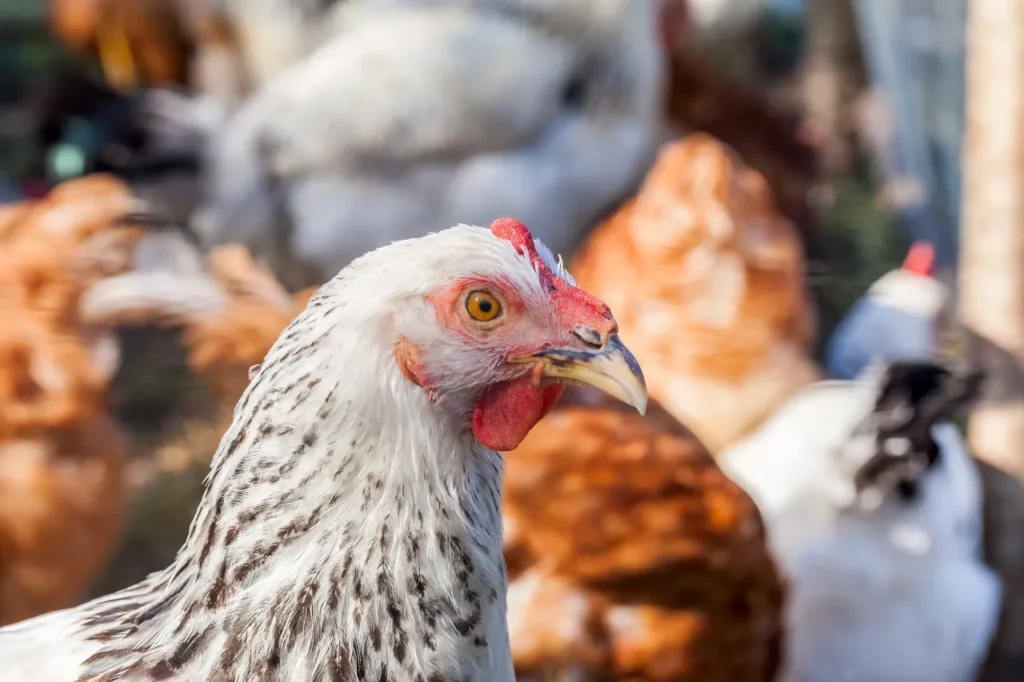
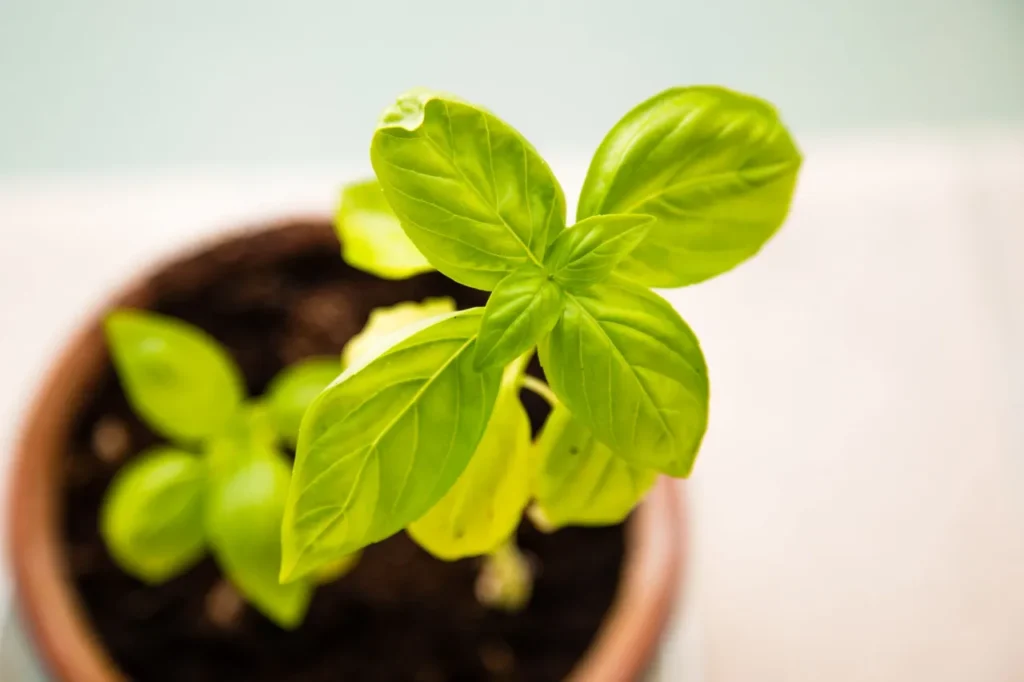
I spent part of the morning checking on the pregnant mini mare and giving her some quiet time on fresh pasture while I hand-weeded near the herbs and torched a couple of early weed patches along the fence. The Siberian huskies were racing around in their own safe space, the llamas and alpacas kept their calm watch, and the chickens and ducks stayed busy in their secure run. These quiet, chemical-free mornings are what keep me grounded. They’re the reason we work so hard to keep our land and animals completely free of systemic insecticides like neonicotinoids.
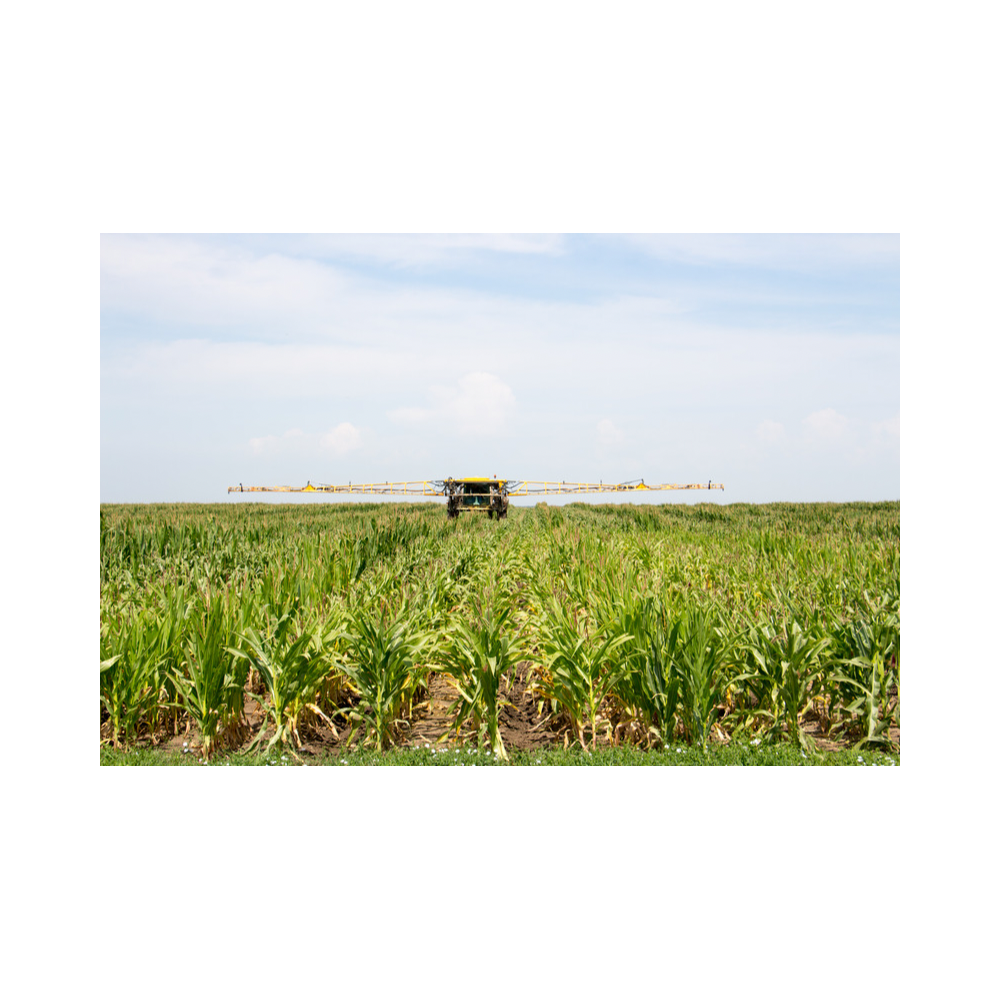
In Part 3 we looked at the devastating effects on pollinators, birds, and aquatic life. Now in Part 4 we’re tackling what ends up closest to home for most families: the food on our plates. Neonicotinoids are used as seed coatings on nearly all conventional corn and soybeans, and because they are systemic, residues move into the plant tissues, pollen, nectar, and eventually into the broader food supply. This creates a hidden, ongoing exposure route that many people don’t realize exists.

How Neonics End Up in Food
Because neonics are absorbed by the seed and spread throughout the growing plant, they show up in:
• Pollen and nectar of flowering crops (direct exposure for bees, indirect for honey).
• Grain and forage from treated corn and soybeans.
• Animal products when livestock eat contaminated feed (meat, dairy, eggs).
• Processed foods that use corn, soy, or their derivatives (corn syrup, lecithin, oils, fillers).
Even small amounts on the original seed can persist through harvest and processing. Runoff and dust during planting add another layer of environmental contamination that can reach other crops via water or air.
Residue Data and Testing Insights
Testing shows neonics are frequently detected in conventional food:
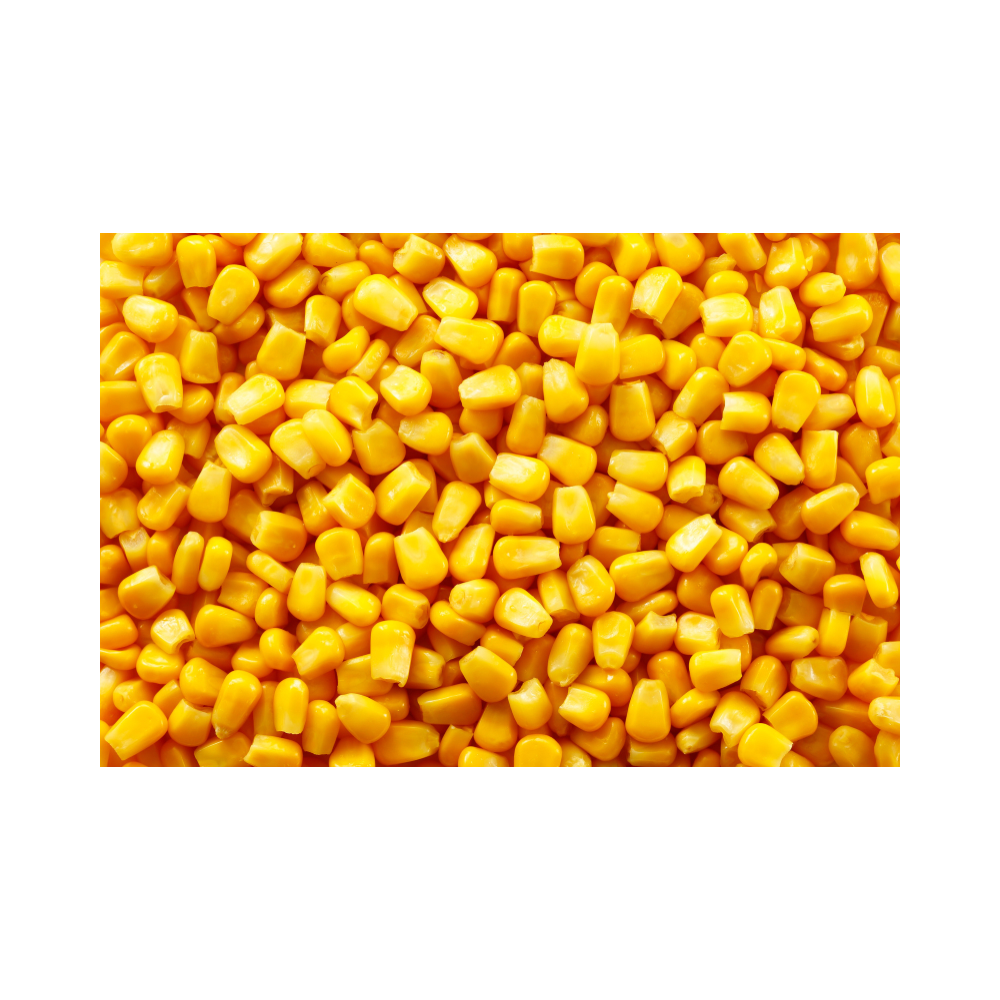
• Corn and soy products: Residues of imidacloprid, clothianidin, and thiamethoxam appear in grain, cornmeal, and soy-based ingredients. Levels are often low but consistent due to near-universal seed treatment.
• Honey and bee products: Multiple studies have found neonic residues in commercial honey, sometimes at levels that raise concerns for cumulative exposure.
• Meat, dairy, and eggs: Livestock fed treated corn and soybean meal pass residues into animal products. 2,4-D was mentioned in earlier series, but neonics add another systemic insecticide layer in the feed chain.
• Processed and packaged foods: Cereals, snacks, baby foods, and items containing corn or soy derivatives can carry traces. Independent testing (including EWG reports) consistently flags conventional corn and soy-heavy products as part of the higher pesticide load.
While EPA tolerances exist, critics point out that these limits don’t fully address chronic low-dose exposure or the cocktail effect when combined with glyphosate, atrazine, and other Midwest chemicals. Children and pregnant women are especially vulnerable because of developing nervous and endocrine systems.
The Multiplier Effect in Everyday Meals
This is where daily exposure adds up quickly:
• Breakfast cereal or oatmeal made with conventional corn/soy ingredients.
• Lunch with processed snacks or a sandwich containing soy oil or corn syrup.
• Dinner with meat or dairy from animals fed treated grain, plus a dessert with corn-derived sweeteners.
A single “normal” day of conventional eating can deliver repeated low-level doses of neonics. For homestead families trying to avoid this, the solution is growing or sourcing as much as possible from untreated, regenerative systems.
Why This Matters on Our Homestead
While our mini horses (especially the pregnant mare), huskies, llamas, alpacas, chickens, and ducks eat from clean pasture and our own gardens, most conventional supermarket food carries traces from these seed treatments. The neurological and reproductive risks we covered in earlier parts hit hardest through repeated dietary exposure. That’s exactly why we grow, raise, and preserve as much as possible — and why hand-weeding and torching weeds feels worth every minute.
We see the difference every day: vibrant eggs from the chickens, healthy growth in the ducks, and strong bodies in the herd. Our pregnant mini mare thrives on forage we know is free of systemic insecticides.
Series Roadmap – What’s Coming Next
Part 5: Follow the money – major manufacturers (Bayer, Syngenta, Corteva), lawsuits, and regulatory battles.
Part 6: The roots – discovery in the 1980s–1990s, rapid adoption as seed coatings, and the shift from spray to prophylactic use.
Part 7: Reclaiming our land – our exact holistic methods (hand-weeding, torch burning, mulch, cover crops, livestock grazing with our mini horses and llamas/alpacas), Michigan-specific tips, and how we support pollinators without neonics.
This information is heavy, but it empowers us to make better choices. You don’t have to accept systemic poisons built into everyday seeds and feed. Start small: grow more of your own produce, source untreated seeds or local regenerative grains when possible, or switch one staple at a time.
Pin/save the series and comment below: What grocery or seed swaps have you made to reduce neonic exposure? Have you noticed changes in pollinator activity after going cleaner? I read every comment and cheer for every homestead gal taking steps.
If you want to support a farm doing it the clean way, swing by the shop for our wildcrafted salves (soothing for hands after weeding or torch work), herbal teas grown right here without sprays, or non-GMO seeds for your own regenerative patch. Every purchase helps us keep protecting our land and animals.
We can reclaim our plates and protect our pollinators—one thoughtful, holistic choice at a time.
See you in Part 5, farm gals!
With love from the pasture,
Kara
Lange Girl Farms