Hey farm gals, it’s Kara from Lange Girl Farms!
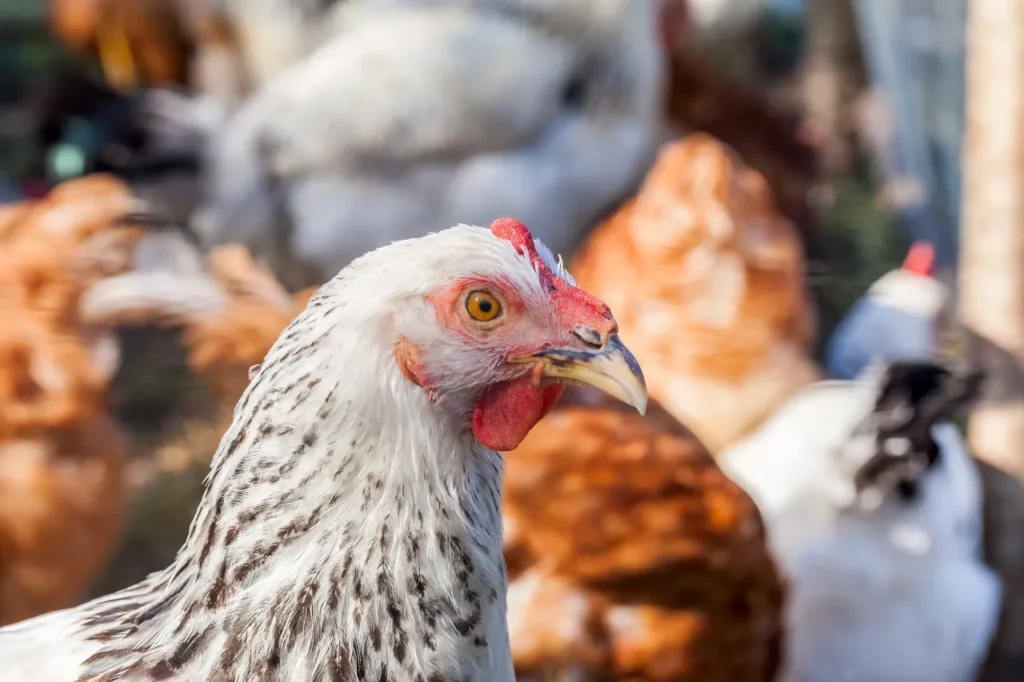
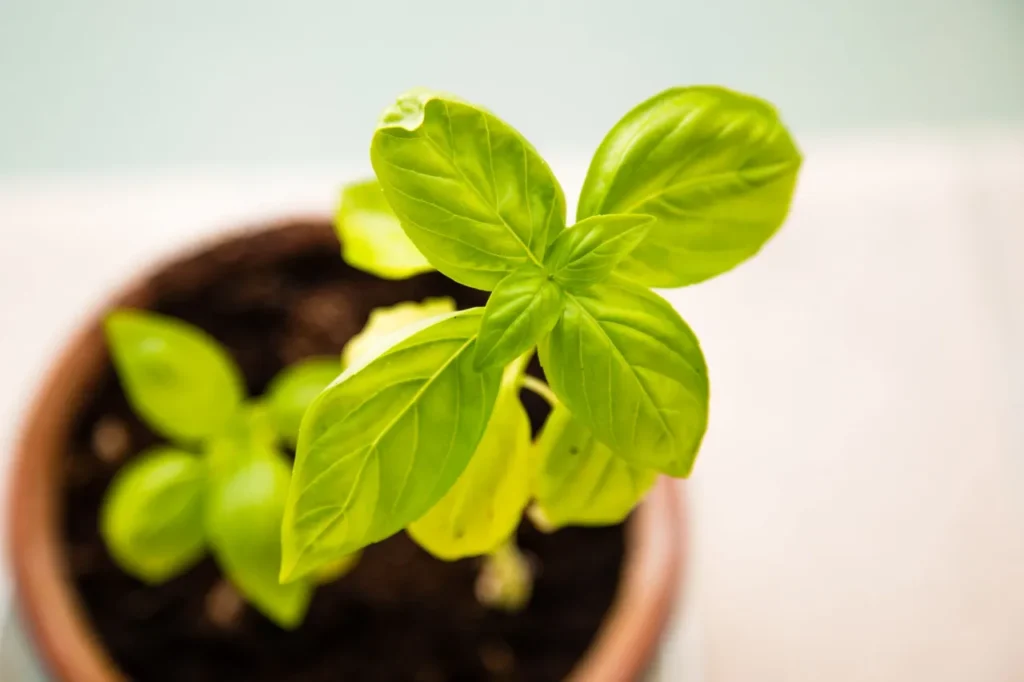
I spent part of the morning giving the pregnant mini mare some calm attention on fresh pasture while I hand-weeded near the herbs and torched a couple of early weed patches along the fence. The Siberian huskies were racing around in their own safe space, the llamas and alpacas kept their steady watch, and the chickens and ducks stayed busy in their secure run. These quiet, chemical-free mornings remind me why we work so hard to keep our land and animals completely free of nerve toxins like organophosphates and chlorpyrifos.
In Part 3 we covered the neurological and developmental harm these chemicals cause. Now in Part 4 we’re looking at what ends up on our plates: residues in crops, transfer into animal products through contaminated feed, and the cumulative pesticide load most families are exposed to without realizing it. Even with restrictions, organophosphates still move through the conventional food system, adding to the cocktail we’ve already seen with glyphosate, atrazine, and the others.
How Organophosphates End Up in Food
Organophosphates like chlorpyrifos are applied to a range of crops (corn, soybeans, almonds, citrus, vegetables, and more). Because many are systemic or semi-systemic, residues can remain in the harvested parts of the plant. Key pathways include:
• Direct application on food crops
• Contaminated animal feed (corn and soy are major feed sources)
• Drift or runoff reaching non-target produce
Once in the food chain, they don’t disappear easily during processing or cooking.
Residue Data and Testing Insights
USDA Pesticide Data Program and FDA testing have historically detected chlorpyrifos and other organophosphates in:
• Corn and soybeans: Common detections in grain and processed forms (cornmeal, soy oil, high-fructose corn syrup).
• Tree nuts and fruits: Almonds, apples, citrus, and grapes often show residues, especially from regions with heavy use.
• Vegetables: Leafy greens, tomatoes, and potatoes can carry traces when organophosphates are used for insect control.
• Animal products: Meat, dairy, and eggs from livestock fed treated grain frequently test positive for organophosphate metabolites. Chlorpyrifos, being fat-soluble, can accumulate in animal fat and milk.
While many detections fall below current EPA tolerances, independent testing and health advocates point out that tolerances don’t account for cumulative exposure or the heightened vulnerability of children and pregnant women to neurodevelopmental effects.

The Multiplier Effect in Everyday Meals
This is where daily exposure becomes significant:
• Breakfast: Cereal or toast made with conventional corn/soy + milk from cows fed treated grain.
• Snacks: Chips, bars, or juices containing corn or citrus derivatives.
• Dinner: Meat or eggs from animals on conventional feed + vegetables that may have received applications.
A single “normal” day of conventional eating can deliver repeated low-level doses of organophosphates alongside glyphosate, atrazine, and neonics. For growing children and pregnant mothers (or pregnant animals like our mini mare), this cumulative nervous system burden is especially concerning.
Even “washed” produce or processed foods isn’t guaranteed clean — systemic uptake and feed transfer mean residues are inside the product, not just on the surface.
Why This Matters on Our Homestead
While our mini horses (especially the pregnant mare), huskies, llamas, alpacas, chickens, and ducks eat from clean pasture and our own gardens, most conventional supermarket food carries traces from these applications. The neurodevelopmental and reproductive risks we covered in Part 3 hit hardest through repeated dietary exposure. That’s exactly why we grow, raise, and preserve as much as possible — and why hand-weeding and torching weeds feels worth every minute.
We see the difference every day: vibrant eggs from the chickens, healthy growth in the ducks, and strong bodies in the herd. Our pregnant mini mare thrives on forage we know is free of these nerve toxins.
Series Roadmap – What’s Coming Next
Part 5: Follow the money – manufacturers, lawsuits, and regulatory battles (including EPA actions and court fights).
Part 6: The roots – discovery, military origins of organophosphates, and the shift to agricultural use.
Part 7: Reclaiming our land – our exact holistic methods (hand-weeding, torch burning, mulch, cover crops, livestock grazing with our mini horses and llamas/alpacas), Michigan-specific tips, and how we manage pests without nerve toxins.
This information is heavy, but it empowers us to make better choices. You don’t have to accept nerve toxins in your family’s food. Start small: grow more of your own produce, source local regenerative meat/dairy/eggs when possible, or switch one staple at a time to untreated options.
Pin/save the series and comment below: What grocery or feed swaps have you made to reduce organophosphate exposure? Have you noticed changes in animal health or energy after going cleaner? I read every comment and cheer for every homestead gal taking steps.
If you want to support a farm doing it the clean way, swing by the shop for our wildcrafted salves (soothing for hands after weeding or torch work), herbal teas grown right here without sprays, or non-GMO seeds to start your own regenerative patch. Every purchase helps us keep protecting our land and animals.
We can reclaim our plates and protect our nervous systems—one thoughtful, holistic choice at a time.
See you in Part 5, farm gals!
With love from the pasture,
Kara
Lange Girl Farms