Hey farm gals, it’s Kara from Lange Girl Farms!
I started the morning with the alpacas as they browsed the pasture edges with their usual calm curiosity, while I hand-weeded near the herbs and torched a couple of early weed patches along the fence. The big horses grazed peacefully nearby, the Siberian huskies raced around in their own safe space, and the chickens and ducks stayed busy in their secure run. These quiet, chemical-free mornings are everything. They remind me why we refuse broad-spectrum herbicides like glufosinate on this regenerative homestead.
In Part 4 we looked at how glufosinate residues end up in our food. Now in Part 5 we’re following the money: who makes it, how the lawsuits and regulatory battles have played out, and why it remains available despite growing concerns. Bayer is the dominant player, and the pattern of defense followed by incremental restrictions feels very familiar from the other series we’ve done.

The Manufacturers: Bayer and Generics
Bayer (through its Crop Science division, which absorbed Monsanto) is the primary producer and marketer of glufosinate under the Liberty brand. They have heavily promoted LibertyLink genetically engineered crops (corn, soybeans, cotton) that are tolerant to glufosinate, creating a convenient “system” similar to the Xtend and Enlist packages we covered earlier.
Generic manufacturers also produce glufosinate formulations, keeping prices competitive for conventional growers. This combination of branded trait packages and cheap generics has driven increased adoption as glyphosate resistance spreads. Bayer and the generics benefit from farmers needing an alternative when Roundup fails, turning resistance problems into new revenue streams.
Lawsuits & Legal Pressure
While not yet at the scale of the massive glyphosate or dicamba MDLs, glufosinate has faced increasing legal scrutiny:
• Farmworker and applicator cases: Claims of acute poisoning, neurological symptoms, and long-term health effects from exposure.
• Drift and off-target damage suits: Neighbors (including organic and regenerative farmers) have filed complaints after glufosinate drift damaged sensitive crops, gardens, or wild areas. Because it’s non-selective and fast-acting, even small amounts can cause visible injury.
• Regulatory challenges: Environmental and health groups have petitioned the EPA and sued for stronger restrictions or bans, citing neurotoxicity data and risks to pollinators and aquatic life. Some cases focus on inadequate risk assessments for cumulative exposure.
Settlements and label changes have occurred in individual cases, but no massive consolidated litigation has emerged yet. Bayer maintains that glufosinate is safe when used according to label directions.
Regulatory Battles: Incremental Restrictions but Still Available
The EPA has reviewed glufosinate multiple times, adding buffer zones, application timing limits, and protective equipment requirements. However, it remains registered for use on tolerant crops and as a burndown/desiccant tool.
Critics argue the agency underestimates low-dose neurodevelopmental risks and the real-world challenges of preventing drift on large-scale farms. Some states have imposed additional restrictions, but federal approval continues, driven by the economic importance for weed control in resistance-heavy regions.
The pattern is consistent: a new herbicide is introduced as a solution, adoption surges, problems emerge, and restrictions tighten slowly while the product stays on the market.
Why This Matters for Regenerative Homesteads Like Ours
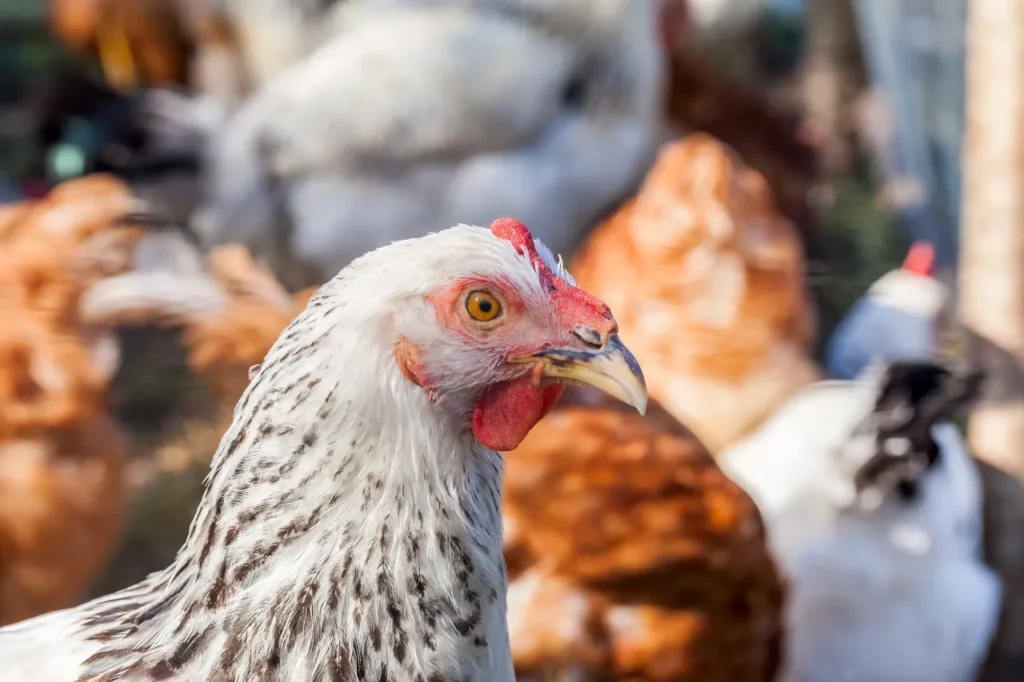
We don’t buy the “safe when used as directed” line when drift, runoff, and resistance-driven heavier applications are documented realities. Our alpacas and big horses graze clean pasture we’ve built without these broad-spectrum herbicides. Our huskies, llamas, chickens, and ducks live without the added chemical burden or risk of off-target damage.
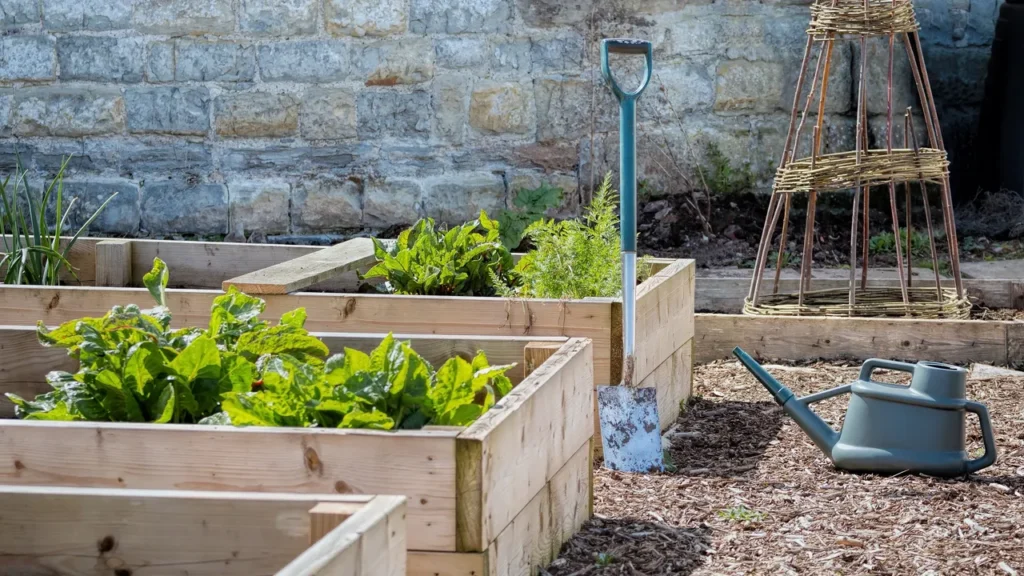
The money trail shows the familiar cycle: resistance to one herbicide creates demand for the next, companies profit from both the chemical and the tolerant seeds, and small regenerative farms are left protecting their boundaries and clean systems. That’s exactly why we hand-weed, torch, mulch, and build soil the natural way.
Series Roadmap – What’s Coming Next
Part 6: The roots – discovery from soil bacteria, development as a herbicide, and the rise of LibertyLink GE crops.
Part 7: Reclaiming our land – our exact holistic methods (hand-weeding, torch burning, mulch, cover crops, livestock grazing with our mini horses, alpacas, and big horses), Michigan-specific tips, and how we manage weeds without broad-spectrum herbicides.
The corporate reality is eye-opening, but it doesn’t have to define our farms. We can vote with our practices every single day.
Pin/save the series and drop a comment: Have you followed the glufosinate regulatory updates or experienced drift issues? What worries you most about these replacement herbicides? I read every one.
If you want to support a small regenerative farm that refuses these chemicals, visit our shop for wildcrafted salves (soothing after a day of hand-weeding or torch work), herbal teas grown right here without sprays, or non-GMO seeds to grow your own clean food. Every order helps us keep doing it right.
We can build healthier futures for our animals and families—one toxin-free choice at a time.
See you in Part 6, farm gals!
With love from the pasture,
Kara
Lange Girl Farms