Hey farm gals, it’s Kara from Lange Girl Farms!
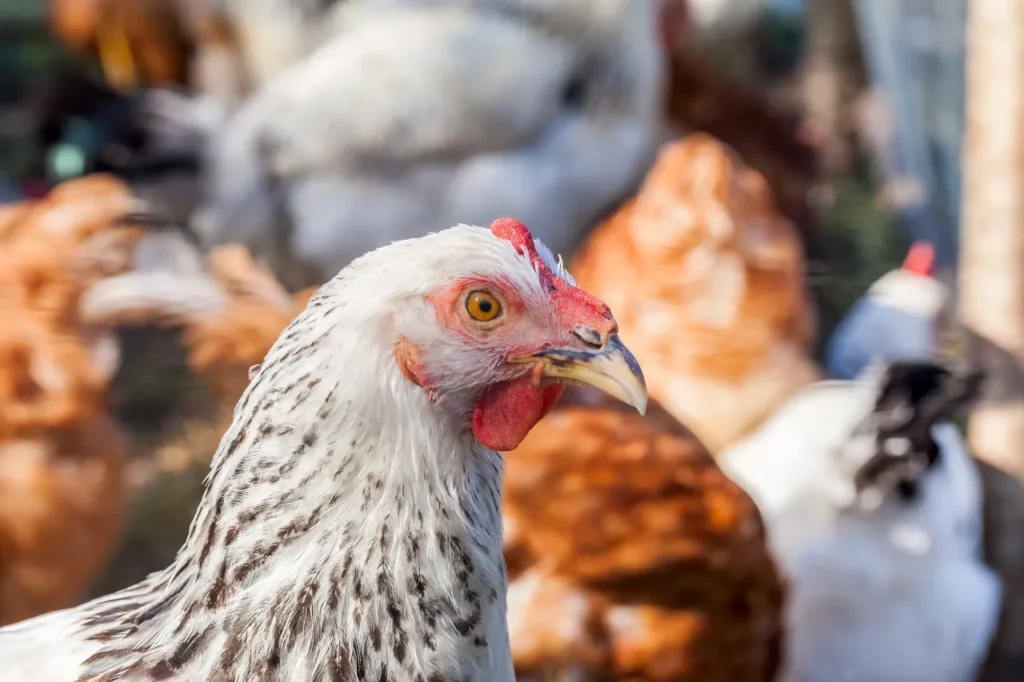
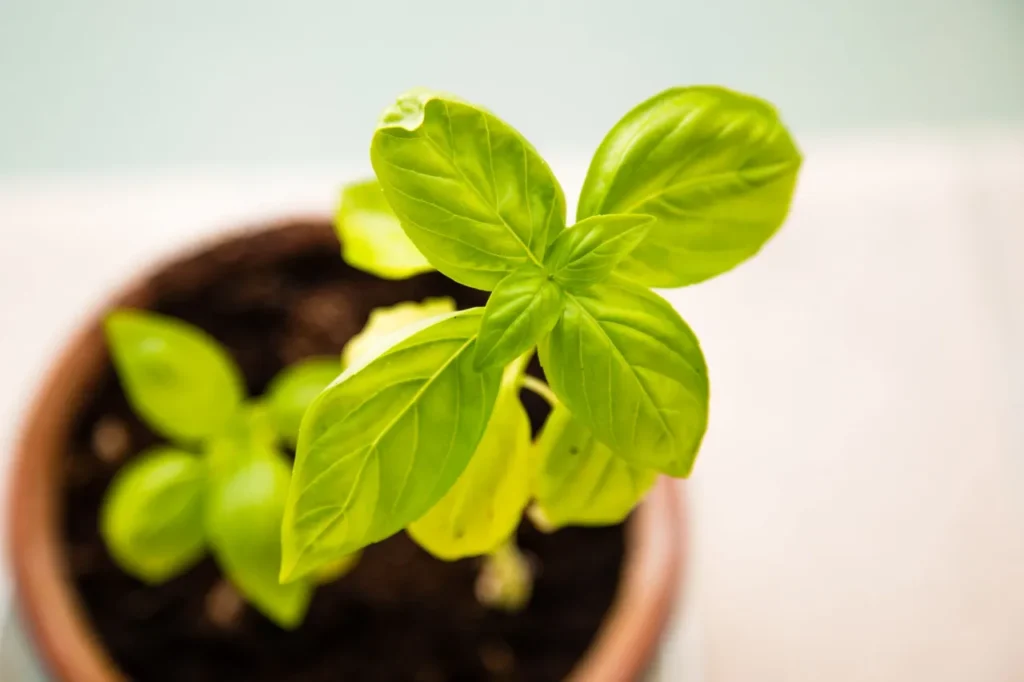
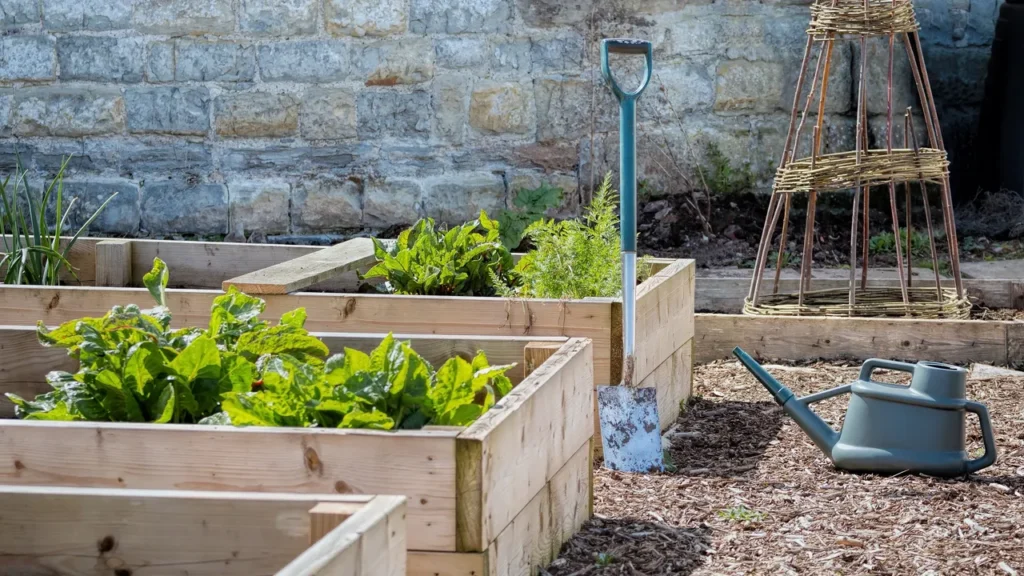
I started the morning with the pregnant mini mare, giving her some quiet time on fresh pasture and making sure everything felt calm as she carries her foal. While I hand-weeded near the herbs and torched a couple of early weed patches along the fence, the Siberian huskies raced around in their own safe space, the llamas and alpacas kept their steady watch, and the chickens and ducks stayed busy in their secure run. These quiet, chemical-free mornings are what keep me going. They’re the reason we choose the harder path instead of reaching for systemic seed treatments like neonicotinoids.
In Part 5 we followed the money and the ongoing regulatory fights. Now in Part 6 we go back to the beginning: how neonicotinoids were discovered, why they were embraced so quickly by the seed industry, and how agriculture shifted from occasional sprays to blanket prophylactic seed coatings on nearly every corn and soybean seed planted in the Midwest. This history helps explain why these chemicals became so widespread — and why we refuse them entirely on our regenerative homestead.
Discovery and Early Development (1980s–1990s)
Neonicotinoids were developed as a “modern” replacement for older, more acutely toxic insecticides like organophosphates and carbamates.
• In the 1980s, researchers at Shell and Bayer were exploring nicotine-like compounds that could target insect nervous systems more selectively.
• Imidacloprid, the first major commercial neonic, was patented by Bayer in 1985 and launched in 1991. It was marketed as highly effective at very low doses with reduced risk to mammals compared to older chemistries.
• Other neonics followed quickly: clothianidin, thiamethoxam, acetamiprid, and dinotefuran.
Early use was primarily as foliar sprays or soil drenches. They were praised for their systemic properties — once absorbed, the chemical moved inside the plant, protecting it from sucking and chewing insects for weeks.
The Game-Changing Shift: Seed Coatings and Prophylactic Use
The real explosion came in the late 1990s and especially the 2000s when companies began applying neonics as seed coatings:
• A tiny amount of insecticide coats every seed before planting.
• As the seed germinates, the chemical is absorbed by the roots and spreads systemically throughout the young plant.
• This “set-it-and-forget-it” approach was marketed as convenient, safer for applicators (no spraying), and effective insurance against early-season pests.
By the mid-2000s, the vast majority of commercial corn and soybean seed sold in the U.S. was pre-treated with neonics. Farmers were told it was standard protection — even if pest pressure was low. Seed companies bundled the treatments with their proprietary genetics, making it difficult and expensive to buy untreated seed.
This prophylactic (preventive) strategy turned a targeted tool into a blanket application across millions of acres every year, whether pests were present or not.

Why the Industry Pushed So Hard
• Revenue: Coating seeds created a reliable, high-margin revenue stream for chemical and seed companies (Bayer, Syngenta, Corteva).
• Convenience: Reduced the need for farmers to make in-season insecticide applications.
• Resistance management claims: Marketed as helping delay resistance to other insecticides (though overuse of neonics has now created resistance issues in some pests).
The result was near-universal adoption in conventional corn and soy systems across the Midwest, creating the constant low-level environmental exposure we’ve covered in earlier parts.
Why We Refuse Neonic-Treated Seeds on Our Homestead
We source untreated, non-GMO seed whenever we buy any, and we grow or save as much of our own as possible. The systemic nature of neonics means the poison is built into the plant from day one — ending up in pollen, nectar, dust, and runoff. That’s incompatible with the living soil, pollinator support, and clean forage we work so hard to maintain.
Our pregnant mini mare grazes pasture we know is free of these systemic insecticides. Our huskies, llamas, alpacas, chickens, and ducks live without the neurological risks that come with contaminated environments or feed. We hand-weed, torch weeds, plant cover crops, and support beneficial insects because those methods build true resilience instead of creating dependency on coated seeds.
Series Roadmap – What’s Next (The Final Part!)
Part 7: Reclaiming our land – our exact holistic methods (hand-weeding, torch burning, mulch, cover crops, livestock grazing with our mini horses and llamas/alpacas), Michigan-specific tips, and how we support pollinators without neonics.
This history shows how a class of insecticides went from targeted tool to default treatment on almost every major crop seed. We don’t have to accept that model. We can choose better.
Pin/save the entire series and comment below: Did the shift to prophylactic seed coatings surprise you? Are you already sourcing untreated seeds or saving your own? I read every comment and appreciate your stories.
If you want to support a small regenerative farm that refuses these chemicals, check our shop for wildcrafted salves (perfect for hands after torching or weeding), herbal teas grown right here without sprays, or non-GMO seeds to start your own clean garden. Every purchase helps us keep protecting what matters.
We don’t have to carry forward this systemic poisoning of the landscape. We can choose healthier soil, healthier pollinators, and healthier families—one deliberate, natural step at a time.
See you in the final Part 7, farm gals!
With love from the pasture,
Kara
Lange Girl Farms