Hey farm gals, it’s Kara from Lange Girl Farms!
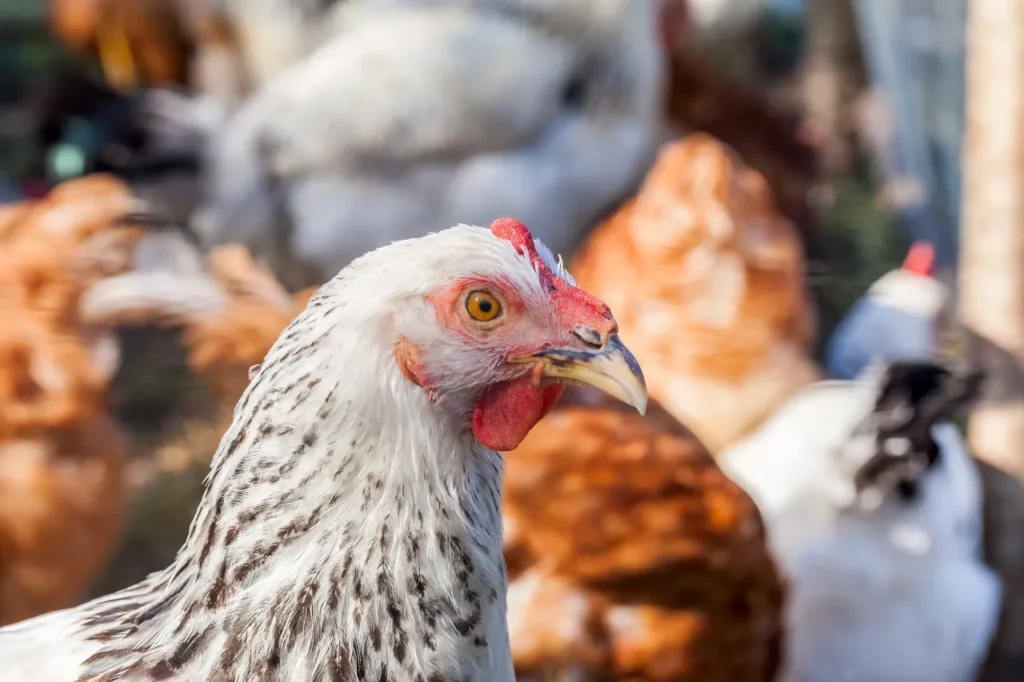
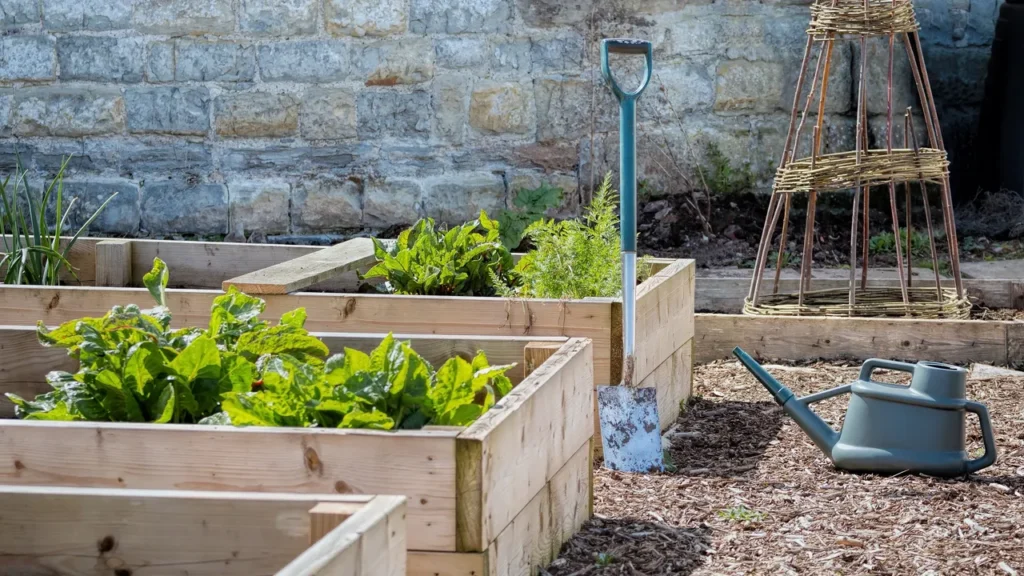
I started the morning with the alpacas as they browsed the pasture edges with their usual calm curiosity, while the big horses grazed peacefully nearby. As I hand-weeded near the herbs and torched a couple of early weed patches along the fence, the Siberian huskies raced around in their own safe space, and the chickens and ducks stayed busy in their secure run. These quiet, chemical-free mornings are everything. They remind me why we work so hard to keep our land completely free of the fungicides that keep showing up in everyday foods like strawberries and berries.
We’ve covered many major herbicides, insecticides, and fungicides in previous series. Now we’re moving on to fluxapyroxad, an SDHI (succinate dehydrogenase inhibitor) fungicide found in conventional strawberries (including Driscoll’s) and many other berries, fruits, and vegetables. Recent independent lab testing highlighted it among multiple pesticides in Driscoll’s conventional strawberries, adding to concerns about childhood cancer clusters near heavy-spray areas. This series will follow the same 7-part deep-dive format: full science, human and animal impacts, food residues, corporate details, history, and — most importantly — the practical holistic methods we use every day so our animals and family stay protected.
In Part 1 we’re starting with the wake-up call: where fluxapyroxad is used, its detection in strawberries and other foods, the health concerns (including links to childhood cancer clusters near heavy-spray areas), and why this hits regenerative homesteads like ours so hard. No sugar-coating — just the facts and why we say no.
The Current Reality: Heavy Use on Berries & Many Crops
Fluxapyroxad is a systemic SDHI fungicide used to control a wide range of fungal diseases. It is commonly applied to:
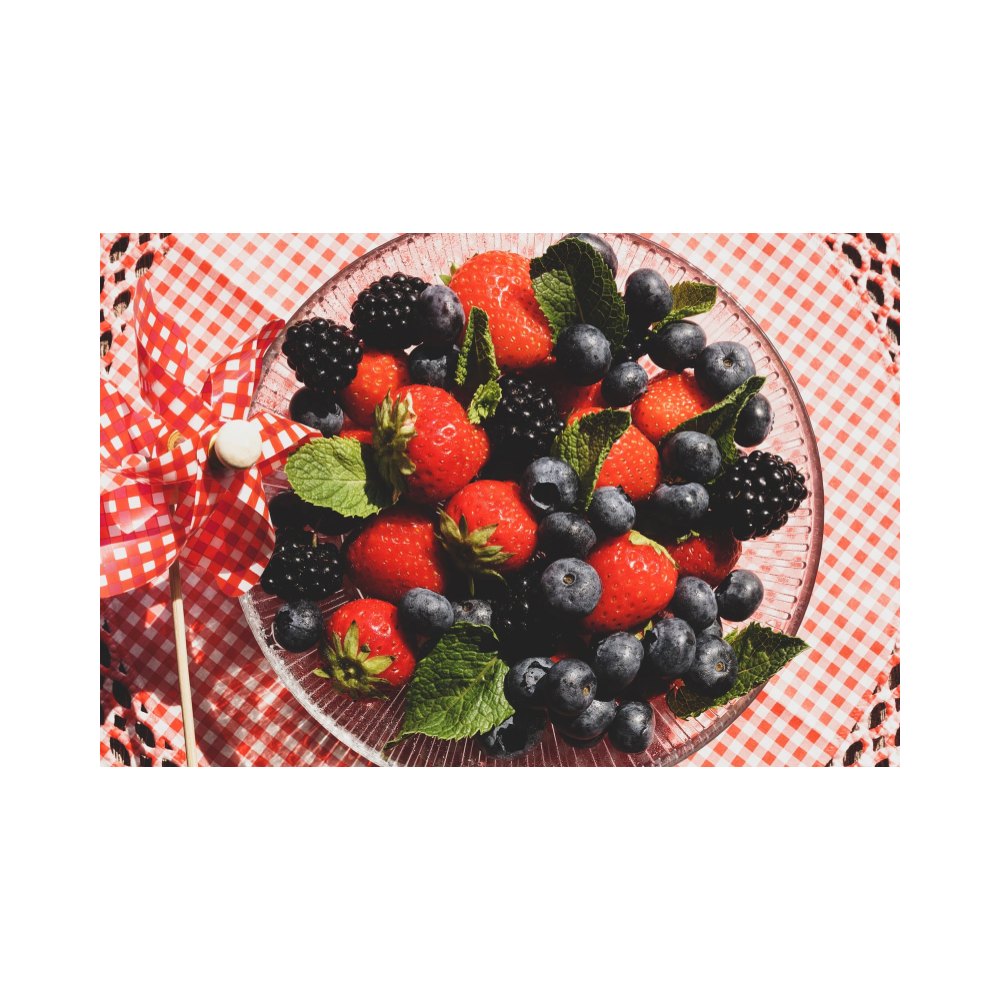
• Strawberries (including Driscoll’s conventional varieties)
• Other berries (blueberries, raspberries, blackberries)
• Tree fruits, grapes, potatoes, cereals, and vegetables
• Seed treatments and in-furrow applications
It is valued for its effectiveness against soil-borne and foliar fungi, and it is often used in pre-mixes with other fungicides. In conventional strawberry production, it helps manage diseases like gray mold and anthracnose, allowing for longer shelf life and shipping. In areas like Watsonville, California (a major Driscoll’s growing region), heavy pesticide applications (including SDHIs like fluxapyroxad) have been linked to elevated childhood cancer rates in nearby communities.
Health Concerns: Cancer Links & Broader Risks
Fluxapyroxad is one of the pesticides identified in studies as associated with childhood cancer when sprayed within 2.5 miles of homes. Key concerns include:
• Potential carcinogenicity and mitochondrial disruption (SDHIs inhibit cellular respiration in fungi — and can affect similar pathways in mammals).
• Neurodevelopmental and reproductive effects in animal studies.
• Contribution to the cumulative pesticide load, especially when combined with the other 11+ chemicals found in conventional strawberries.
In Watsonville, researchers documented a 38% higher childhood cancer rate near the fields, with schools sitting just yards from spray zones and pesticides lingering in the air for hours after application. Driscoll’s licenses genetics to growers but does not apply the chemicals themselves, which complicates direct accountability.
Why This Hits Regenerative Homesteads Like Ours
Even if we grow our own, drift, runoff, and contaminated water from conventional operations can reach our land. Buying conventional strawberries or berries means supporting a system that uses these chemicals near homes and schools. Our alpacas and big horses graze clean pasture we’ve built without these burdens. Our huskies, llamas, chickens, and ducks live without the added chemical load.
We hand-weed, torch weeds, and grow or source as much as possible ourselves because we refuse to participate in or be exposed to this cycle.
Series Roadmap – What’s Coming Next
Part 2: Fluxapyroxad 101 – the chemistry, how it works as an SDHI fungicide, and why it’s used on strawberries and other crops.
Part 3: The devastating toll on humans (cancer and developmental links), livestock, wildlife, and waterways.
Part 4: On our plates – residues in strawberries, berries, and other foods, plus the cumulative load.
Part 5: Follow the money – manufacturers, the Driscoll’s licensing model, and regulatory status.
Part 6: The roots – discovery and development as an SDHI fungicide.
Part 7: Reclaiming our land – our exact holistic methods (hand-weeding, torch burning, mulch, cover crops, livestock grazing with our alpacas and big horses), Michigan-specific tips, and how we grow or source clean berries without these fungicides.
This series is for every homestead gal tired of finding out their “healthy” fruit is laced with concerning chemicals. We don’t have to accept it.
Pin/save the series and comment below: Have you stopped buying conventional strawberries or berries after seeing reports like this? Are you growing your own or sourcing from trusted farms? I read every comment.
If you want to support a farm refusing these chemicals entirely, swing by the shop for our wildcrafted salves (great after hand-weeding or torch work), herbal teas grown right here without sprays, or non-GMO seeds for your own regenerative garden. Every purchase helps us keep protecting our land and animals.
We can protect our kids, our animals, and our future—one holistic choice at a time.
See you in Part 2, farm gals!
With love from the pasture,
Kara
Lange Girl Farms