Hey farm gals, it’s Kara from Lange Girl Farms here in Southeast Michigan.
This morning while I was out with the horses and missing our big, gentle guardian Lakota — that protective male llama who watched over everything with such calm strength — I found myself squinting up at the barn roof as the sun beat down on it. The same thought keeps circling back to me lately: why are we rushing to cover more and more beautiful rural acres and public grazing lands with massive solar fields when our cities are full of rooftops and parking lots just sitting there soaking up the exact same sunshine?
As a Colorado native, I grew up around those wide-open Western spaces and the public lands tensions we unpacked in my last big series. I’ve spent years nerding out on guard animals, rotational grazing, soil health, no-toxin living, and building systems that work with nature instead of against it. On our own place we accept occasional real losses to foxes and hawks when chickens free-range, but we manage risk with secure runs, our pack of huskies creating a natural deterrent, and good fencing. That same practical, regenerative mindset is what keeps pulling me back to this energy question.
We don’t have to sacrifice productive rural land, wildlife habitat, or regenerative grazing potential to get clean energy. There’s a smarter, more holistic way — and it starts by treating urban solar mapping and deployment like the ultimate game: crowdsourcing it the way Roblox got millions of players to build and map virtual worlds for free.
This is the overview post that kicks off a new deep-dive series. We’re going to walk through the problem on rural lands, the massive untapped potential hiding in cities, the Roblox-style crowdsourcing hack that could accelerate everything, how it ties straight back to our guard animals and public lands, why this isn’t happening at scale yet (including a thoughtful look at the Elon/Tesla angle), and practical steps we can take right now on our own homesteads. Because true sustainability means using what we’ve already built instead of paving over more of what we love.
The Tension We’re All Feeling on Rural Lands
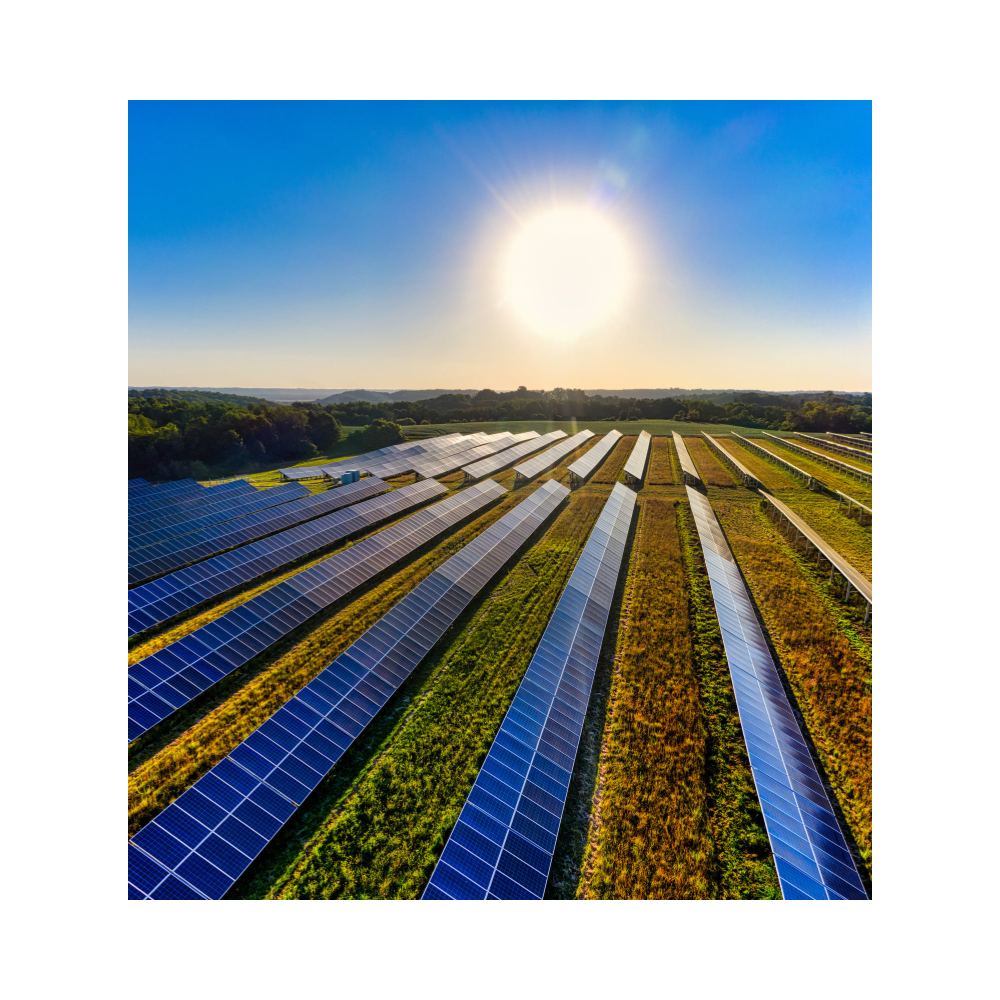
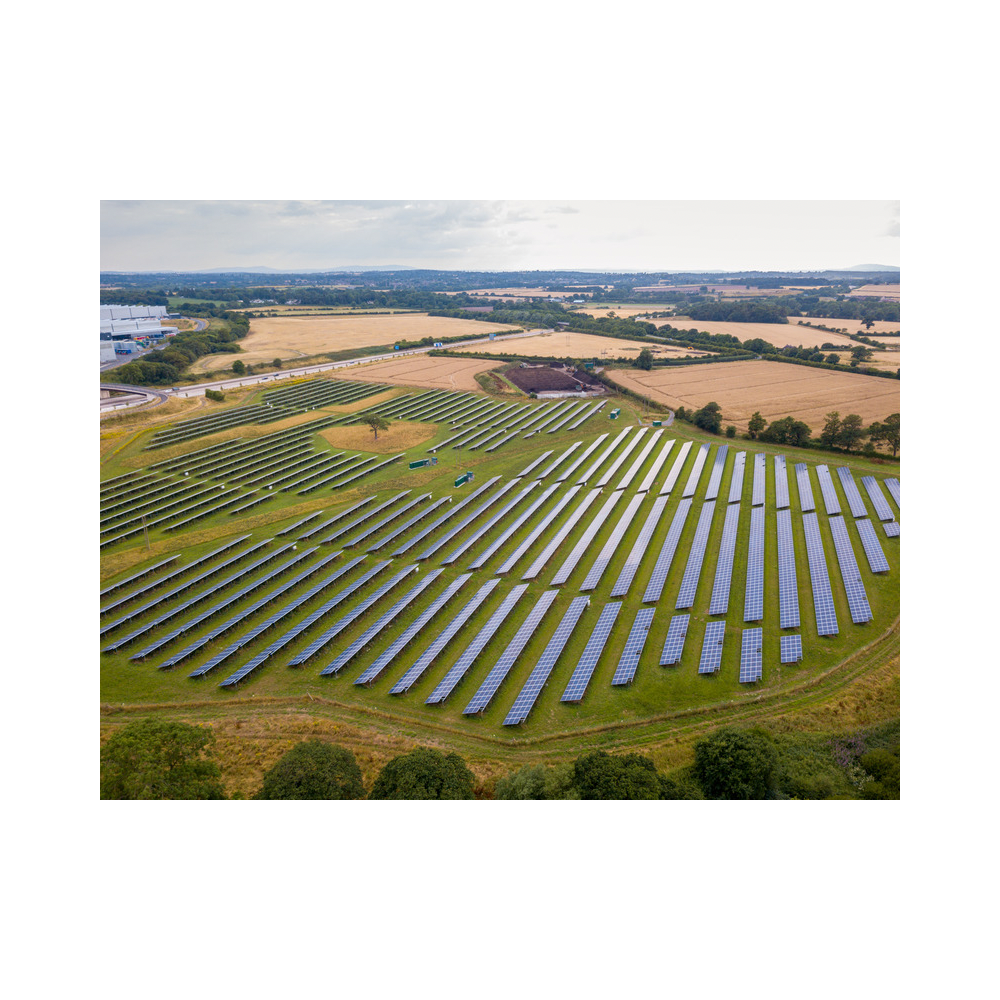
Many of you followed along with the public lands series and saw how subsidized grazing, big corporate permit holders, M-44 cyanide bombs, wild horse gathers, and bison conflicts play out on BLM and other public lands. Utility-scale solar is adding another layer of pressure. Massive ground-mounted arrays are going up on farmland, rangeland, and areas near grazing allotments because flat, open land is cheap and easy for developers.
Every acre covered by panels is an acre that can’t support rotational grazing, guard llamas doing their natural work, soil-building practices, or the kind of wildlife habitat we want to protect. In the arid West, where water and forage are already limited, this feels like the same old extractive mindset — just with green branding.
On our own small homestead we live differently. We invest in guard animals like Lakota, build healthy soil, and manage risk ourselves. We don’t need to choose between clean energy and healthy rural landscapes. We can have both by getting smarter about where we put the panels.
The Urban Solar Goldmine Hiding in Plain Sight
Here’s where the numbers get exciting — and where real hope sits.
The National Renewable Energy Laboratory (NREL) has run detailed studies showing U.S. rooftops could generate around 1,118 GW of capacity and roughly 1,432 TWh per year — enough to supply about 39% of current U.S. electricity demand. Residential and small commercial roofs make up the majority, and improving panel efficiency keeps pushing that number higher.
But rooftops are only part of the story. Parking lots are the sleeping giant. America has roughly two billion parking spaces covering enormous paved areas. Solar carports (canopies over parking) turn that wasted space into dual-purpose infrastructure: clean power plus shade for cars (which reduces AC use and helps EV batteries), weather protection, and integrated charging stations.
France has already mandated solar on large parking lots and is generating serious capacity without touching new rural land. Even partial coverage in the U.S. could deliver hundreds of gigawatts. Every gigawatt we put on rooftops and parking lots is a gigawatt we don’t have to squeeze onto BLM grazing allotments, working farms, or sensitive habitat. That’s regenerative thinking in action.
The Brilliant Roblox-Style Crowdsourcing Hack
This is the part that lights me up as a homesteader who loves practical, people-powered solutions.
Remember how Roblox turned millions of players — kids and adults — into a massive, free geo-mapping army? People build, explore, and contribute data while having fun. Google spent billions sending cars all over the planet for Street View. Crowdsourcing won on speed and cost.
We could do the exact same thing for urban solar.
Imagine a fun, game-style app or Roblox-style experience where everyday people (you and me included) use our phones to scan rooftops for orientation, shading, condition, and suitability; map parking lots; upload photos; and use AR tools for quick measurements.
Gamification makes it addictive: earn points, badges, virtual rewards, or small tokens redeemable for farm products, solar discounts, or community solar shares. Leaderboards for neighborhoods or cities. Educational missions tied to real impact.
The tech pieces already exist in fragments — rooftop mapping tools, AI image analysis, AR apps. A dedicated platform could combine crowdsourced data with AI for reliable assessments, then feed matched leads to local installers or community solar projects.
This idea feels like it could align beautifully with Elon Musk’s long-standing vision for energy abundance. Tesla has pushed Solar Roof, Powerwall, and virtual power plants to make clean energy practical and distributed. A crowdsourced mapping game could supercharge that mission by unlocking millions of urban rooftops and parking lots at almost zero marginal cost — exactly the kind of abundance mindset that drives so much of his work. At the same time, we’d have to be careful: data from millions of homes and businesses is powerful. We’ve seen how good intentions with personal data can shift (Ancestry.com, for example, is now under BlackRock ownership), so any platform would need ironclad privacy protections, open-source transparency, and user-owned controls from day one. Done right, though, this could be a genuine win for humanity’s energy goals without handing control to a single corporation.
Why This Ties Straight Back to Our Guard Animals and Regenerative Life
Distributed urban solar reduces pressure on rural lands — freeing BLM allotments, working farms, and natural areas for what they do best: supporting livestock with guard animals like llamas, building soil through rotational grazing, and hosting healthy wildlife.
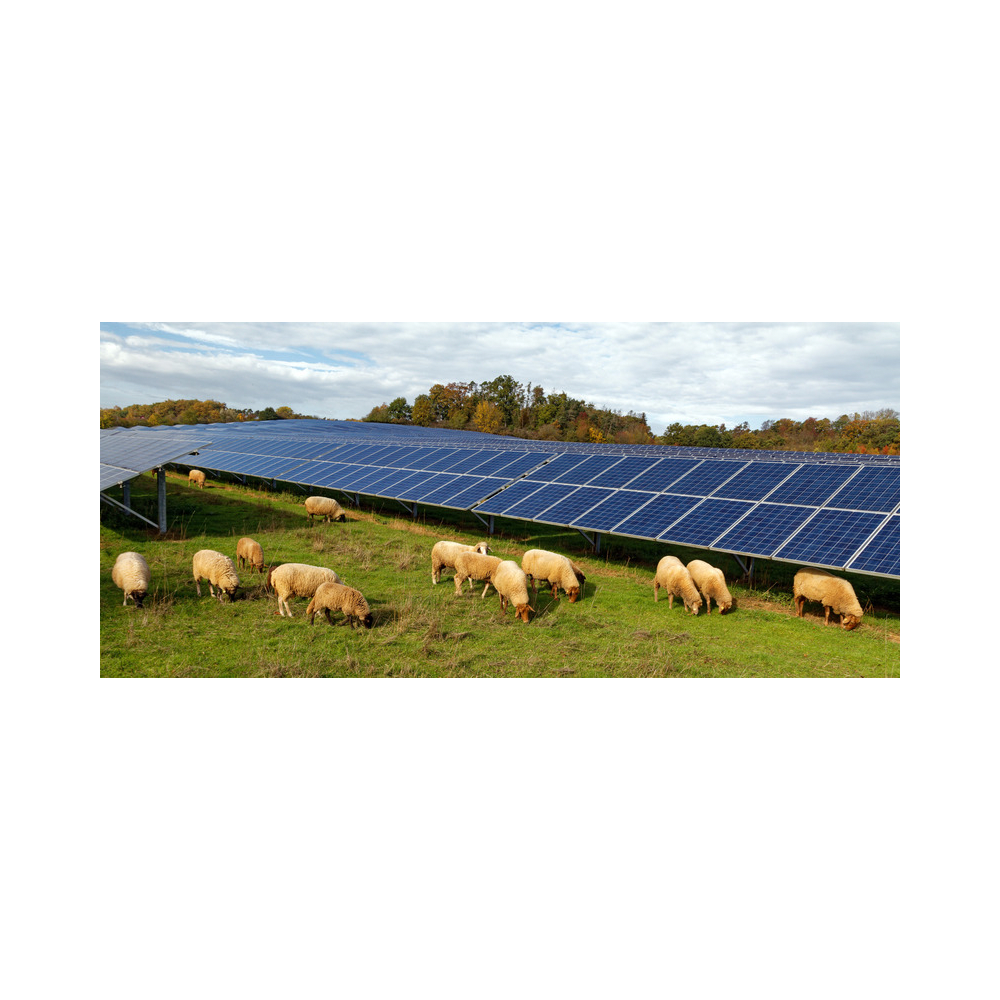
Even better? Agrivoltaics — intentionally pairing solar with agriculture — shows a beautiful middle path. Sheep (and in some trials cattle) graze successfully under panels. Guard animals fit perfectly here. Panels provide shade that can improve animal welfare in heat. The same “work with nature” philosophy we practice every day on our homesteads scales beautifully.
This Is Just the Beginning
In the rest of this series we’ll go deeper:
• Urban Solar Goldmine: Roofs, Parking Lots & Why We’re Ignoring It
• Gamification Meets Reality: Crowdsourcing Data Like Roblox (Existing Wins + Blueprint)
• Tying It to the Farm: Guard Animals, Agrivoltaics & Public Lands Freedom
• Why It’s Not Happening (Economics, Policy, Elon Angle) + Action Steps
• Your Farm/Homestead Playbook: Small-Scale Versions You Can Start Now
We don’t have to choose between clean energy and the rural, regenerative life we love. We can use what’s already built, play our way to better data, and free up more land for guard animals, healthy soil, and thoughtful stewardship.
What do you think, ladies? Have you seen solar canopies over parking lots near you? Big rural solar projects going up on farmland or grazing land in your area? Or tried mapping your own roof yet?
Drop your experiences and thoughts below — I really do read every single comment. Let’s keep finding ways to live lighter on the land while still taking care of our families and animals.
With love and dirt under my nails,
Kara
Lange Girl Farms