Hey farm gals, it’s Kara from Lange Girl Farms!
I started the morning with the alpacas as they browsed the pasture edges with their usual calm curiosity, while the big horses grazed peacefully nearby. As I hand-weeded near the herbs and torched a couple of early weed patches along the fence, the Siberian huskies raced around in their own safe space, and the chickens and ducks stayed busy in their secure run. These quiet, chemical-free mornings are everything. They remind me why we work so hard to keep our land completely free of fungicides like fludioxonil.
In Part 1 we looked at the wake-up call — fludioxonil showing up in conventional strawberries (including Driscoll’s) alongside 11 other pesticides, and its presence in many other berries, fruits, and vegetables. Now in Part 2 we’re going full nerd on what fludioxonil actually is, how it works as a fungicide, why it’s so commonly used on strawberries and other high-value crops, and how it compares to the other chemicals we’ve covered. This is the foundation so you understand exactly why we refuse it entirely on our regenerative homestead.
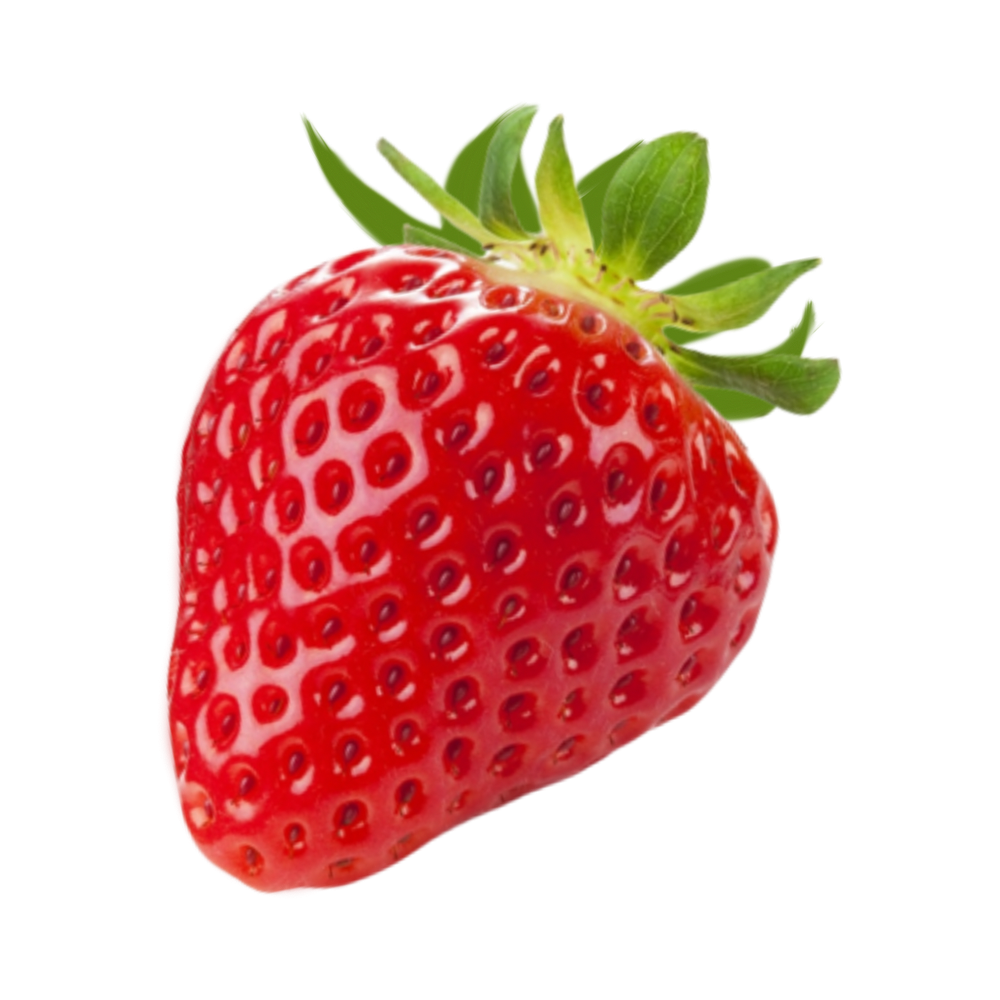
What Is Fludioxonil?
Fludioxonil is a phenylpyrrole fungicide, a synthetic compound modeled after a natural antifungal produced by Pseudomonas bacteria. It was developed in the 1990s and is now widely used under various brand names (including Scholar, Switch, and in pre-mixes). It is applied as a foliar spray, seed treatment, or post-harvest dip to prevent mold, rot, and fungal diseases.
It is especially popular on strawberries because they are highly susceptible to gray mold (Botrytis cinerea) and other fungi that thrive in the moist conditions berries need. Conventional growers often apply it multiple times during the season and as a post-harvest treatment to extend shelf life for shipping.
How It Works: Disrupting Fungal Osmoregulation
Fludioxonil targets a specific signaling pathway in fungi:
1. Osmotic stress response: Fungi use a two-component histidine kinase system (Os-1 or HOG pathway) to sense and respond to osmotic stress (changes in water balance).
2. Overactivation: Fludioxonil binds to and hyper-activates this pathway, causing the fungus to incorrectly perceive a hyperosmotic environment.
3. Cellular chaos: The fungus accumulates excessive glycerol and other osmolytes, leading to swelling, disrupted cell wall integrity, and eventual leakage and death of the fungal cells.
4. Broad antifungal activity: It is effective against a wide range of fungal pathogens, including Botrytis, Fusarium, Rhizoctonia, and Sclerotinia.
Because it has low mobility in soil and moderate persistence, it is valued for both preventive and curative use. However, its mode of action is single-site, which means fungi can develop resistance relatively quickly with repeated use — a growing problem in strawberry production.
How Fludioxonil Compares to the Other Chemicals We’ve Covered
• Glyphosate: Systemic herbicide targeting plant amino acid synthesis.
• Paraquat: Contact herbicide causing explosive ROS production.
• Atrazine: Photosynthesis inhibitor, persistent in water.
• 2,4-D / Dicamba: Synthetic auxins causing uncontrolled plant growth.
• Neonicotinoids: Systemic insecticides targeting insect nervous systems.
• Organophosphates: Nerve agents inhibiting acetylcholinesterase.
• Fludioxonil: Contact fungicide disrupting fungal osmoregulation, low soil mobility but used heavily on high-value fruits like strawberries, berries, grapes, and potatoes.
The big similarity with many of the others is its broad use on conventional crops and the resulting residues in food. The difference is its specific targeting of fungi, which makes it a go-to for mold-prone berries.
Why “Convenient” Fungicide Use Doesn’t Fit Regenerative Homesteads
Big ag relies on fludioxonil (and similar fungicides) to protect strawberries and other berries from rot during long-distance shipping and storage. On our homestead we refuse it entirely. We grow our own berries when possible, source from trusted local farms, or preserve what we can. We hand-weed, torch weeds, plant cover crops, and support beneficial fungi and bacteria in the soil because those methods build true balance instead of relying on synthetic fungicides that can harm non-target organisms and leave residues.
Our alpacas and big horses graze clean pasture we’ve built without these chemicals. Our huskies, llamas, chickens, and ducks live without the added burden. The pattern is the same across every series: a chemical is introduced for convenience, resistance or new problems develop, and regenerative farms are left protecting their clean systems.
Series Roadmap – What’s Coming Next
Part 3: The devastating toll on humans (cancer and developmental links), livestock, wildlife, and waterways.
Part 4: On our plates – residues in strawberries, berries, and other foods, plus the cumulative load.
Part 5: Follow the money – manufacturers, the Driscoll’s licensing model, and regulatory status.
Part 6: The roots – discovery and development as a fungicide.
Part 7: Reclaiming our land – our exact holistic methods (hand-weeding, torch burning, mulch, cover crops, livestock grazing with our alpacas and big horses), Michigan-specific tips, and how we grow or source clean berries without these fungicides.
Pin this post and the series. Drop a comment: Have you stopped buying conventional strawberries or berries after seeing reports like this? Are you growing your own or sourcing from trusted farms? I read every comment.
If you want to support a farm refusing these chemicals entirely, swing by the shop for our wildcrafted salves (great after hand-weeding or torch work), herbal teas grown right here without sprays, or non-GMO seeds for your own regenerative garden. Every purchase helps us keep protecting our land and animals.
We can protect our kids, our animals, and our future—one holistic choice at a time.
See you in Part 3, farm gals!
With love from the pasture,
Kara
Lange Girl Farms