Hey farm gals, it’s Kara from Lange Girl Farms!
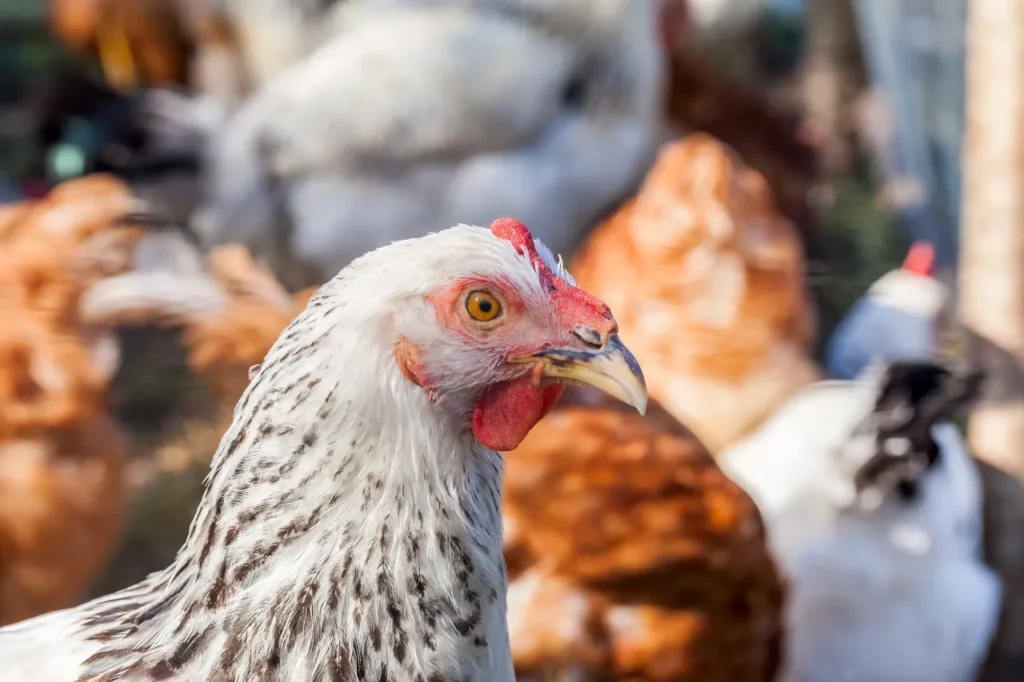
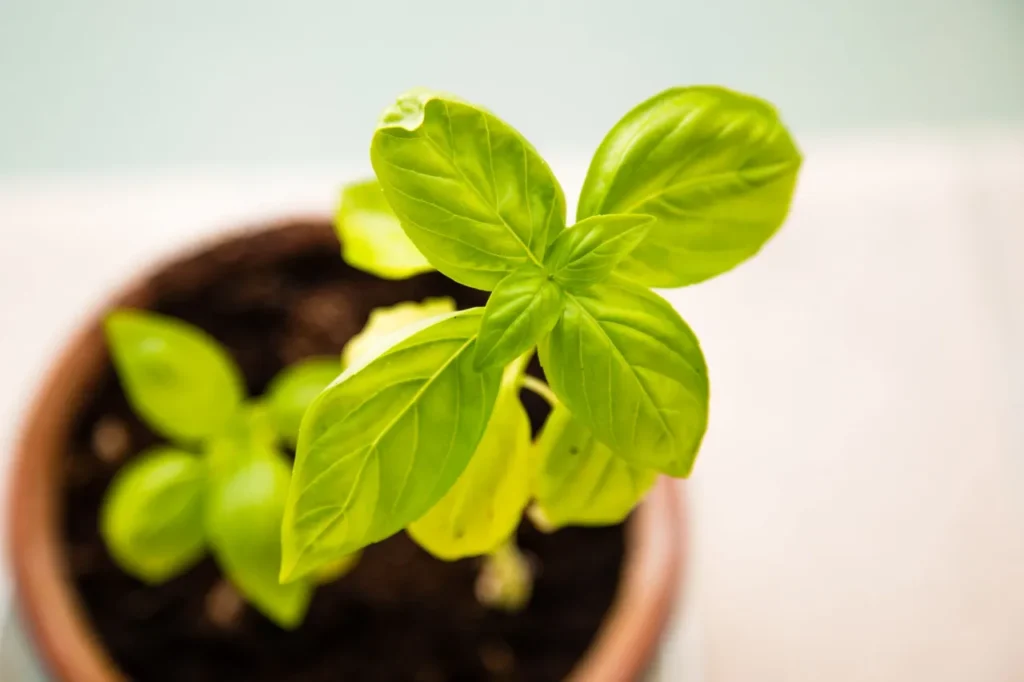
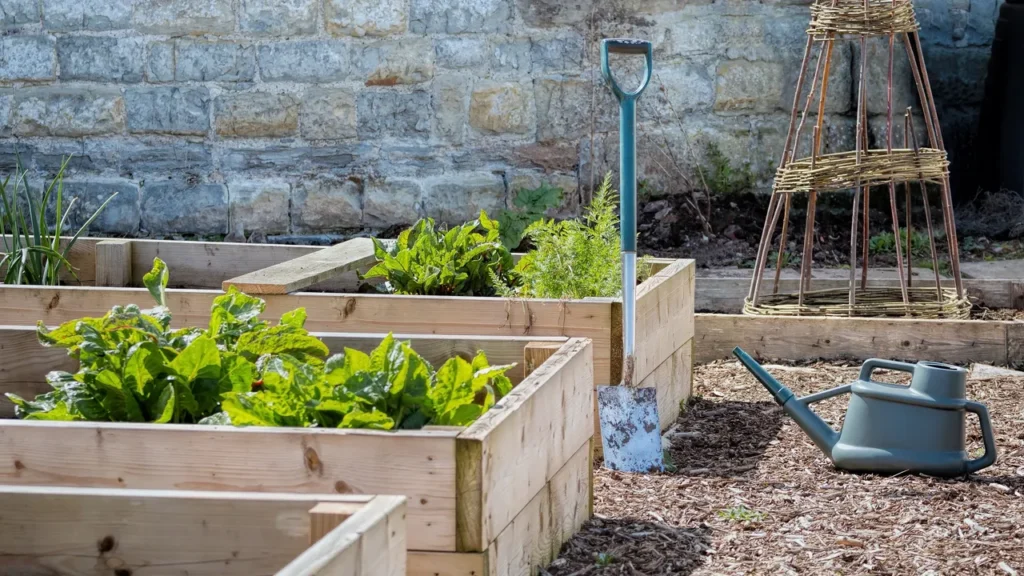
I started the morning with the alpacas — they were out browsing the edges of the pasture, keeping an eye on everything with their usual curious and protective nature. While I hand-weeded near the herbs and torched a couple of early weed patches along the fence, the Siberian huskies were racing around in their own safe space, the big horses grazed calmly, and the chickens and ducks stayed busy in their secure run. These quiet, chemical-free mornings are everything. They remind me why we work so hard to keep our land completely free of broad-spectrum herbicides like glufosinate.
In Part 1 we looked at the wake-up call on glufosinate’s rising use on LibertyLink crops. Now in Part 2 we’re going full nerd on what glufosinate actually is, how it works at the molecular level, why it’s such an effective (and non-selective) killer, and how it compares to the other herbicides we’ve covered. This is the foundation so you understand exactly why we refuse it entirely on our regenerative homestead.
What Is Glufosinate?
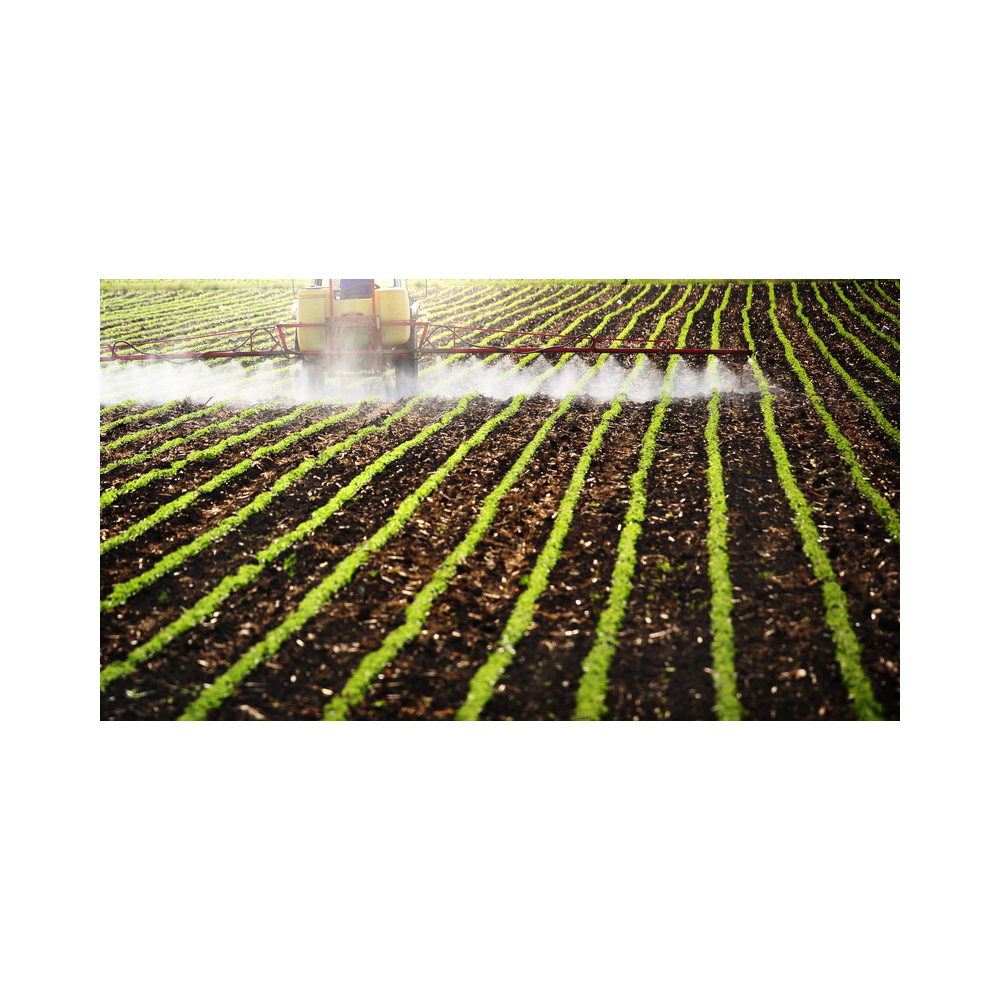
Glufosinate (also known as phosphinothricin) is a broad-spectrum, contact herbicide sold under brand names like Liberty, Basta, and various generics. It was originally isolated from soil bacteria (Streptomyces hygroscopicus) and later synthesized for commercial use. It’s the active ingredient in systems designed for “LibertyLink” genetically engineered crops (corn, soybeans, cotton) that have been modified to tolerate it.
Unlike systemic herbicides that move throughout the plant, glufosinate is primarily a contact killer — it works where it lands, though it has limited movement in some plant tissues.
How It Kills: Inhibiting Glutamine Synthetase
Glufosinate targets a key enzyme in plants (and some bacteria) called glutamine synthetase:
1. Normal function: Glutamine synthetase converts glutamate and ammonia into glutamine. This is essential for nitrogen metabolism and for detoxifying ammonia produced during photorespiration and nitrate reduction.
2. Inhibition: Glufosinate binds to the enzyme’s active site, blocking its activity. This causes a rapid buildup of toxic ammonia levels inside plant cells.
3. Cascade of damage: Excess ammonia disrupts pH balance, uncouples photosynthesis, and leads to massive production of reactive oxygen species (ROS). Cell membranes rupture, chlorophyll breaks down, and tissues quickly show chlorosis (yellowing) followed by necrosis (death).
Visible symptoms appear within hours to a couple of days: wilting, yellowing, and browning of leaves. Because it’s fast-acting and non-selective, it kills almost any green plant tissue it contacts — which is why it’s used as a burndown or in-crop tool on tolerant varieties only.
Why It’s So Effective (and Problematic)
• Speed: Works much faster than glyphosate on contacted tissue.
• Resistance management: Often rotated with or mixed with glyphosate when resistance develops.
• Non-selectivity: Without genetic tolerance in the crop, it kills everything green — a major risk with drift or misapplication.
How Glufosinate Compares to the Other Chemicals We’ve Covered
• Glyphosate: Systemic, blocks amino acid synthesis (shikimate pathway), slower action.
• Paraquat: Contact killer via explosive ROS production, extremely acute toxicity.
• Atrazine: Residual photosynthesis inhibitor, highly mobile in water.
• 2,4-D / Dicamba: Synthetic auxins causing uncontrolled growth, volatile.
• Neonicotinoids: Systemic nervous system toxins used as seed treatments.
• Organophosphates: Nerve agents targeting acetylcholinesterase.
• Glufosinate: Contact glutamine synthetase inhibitor, fast ammonia toxicity, limited systemic movement but still highly effective on broadleaf and grass weeds.
The big similarity with glyphosate and paraquat is its broad-spectrum nature — convenient for big ag, but risky for anyone trying to keep neighboring land, gardens, or wild areas healthy.
Why “Convenient” Broad-Spectrum Tools Don’t Fit Regenerative Homesteads
Big ag pushes glufosinate as the solution when glyphosate fails. On our homestead we refuse it entirely. We hand-weed, torch weeds, plant cover crops, and let the alpacas browse because those methods build balance instead of creating resistance and drift problems. Our big horses graze clean pasture we’ve nurtured without these shortcuts. Our huskies, llamas, chickens, and ducks live without the added chemical burden.
The pattern is clear: each new broad-spectrum herbicide creates the same cycle of resistance, increased use, and off-target damage. We choose a different path.
Series Roadmap – What’s Coming Next
Part 3: The devastating toll on humans (neurotoxicity, developmental effects), livestock, wildlife, and waterways.
Part 4: On our plates – residues in crops, animal products, and the cumulative load.
Part 5: Follow the money – manufacturers (Bayer and generics), lawsuits, and regulatory battles.
Part 6: The roots – discovery from soil bacteria, development as a herbicide, and the rise of LibertyLink GE crops.
Part 7: Reclaiming our land – our exact holistic methods (hand-weeding, torch burning, mulch, cover crops, livestock grazing with our mini horses, alpacas, and big horses), Michigan-specific tips, and how we manage weeds without broad-spectrum herbicides.
Pin this post and the series. Drop a comment: Have you seen glufosinate use near your property? Are you already avoiding LibertyLink systems? I read every comment.
If you want to support a farm refusing these chemicals entirely, swing by the shop for our wildcrafted salves (great after hand-weeding or torch work), herbal teas grown right here without sprays, or non-GMO seeds for your own regenerative garden. Every purchase helps us keep protecting our land and animals.
We don’t have to accept the next broad-spectrum replacement. We can protect our farms with better choices.
See you in Part 3, farm gals!
With love from the pasture,
Kara
Lange Girl Farms