Hey farm gals, it’s Kara from Lange Girl Farms here in Southeast Michigan.
This morning while I was out with the horses and missing our big, gentle guardian Lakota, I found myself reflecting on the whole journey we’ve taken together in this series. As a Colorado native, these public lands stories have hit especially close to home — the same landscapes I grew up loving are still shaped by decisions made decades ago. In Part 1 we saw the big picture of subsidized grazing and concentrated power. Part 2 traced the old laws. Part 3 named the big corporate and billionaire players. Part 4 looked at M-44 cyanide bombs versus the guard animals like Lakota that work so well on our own homesteads. Part 5 dove into wild horses facing helicopter gathers and slaughter pipelines most people don’t know about, plus bison as superior soil builders being pushed aside.
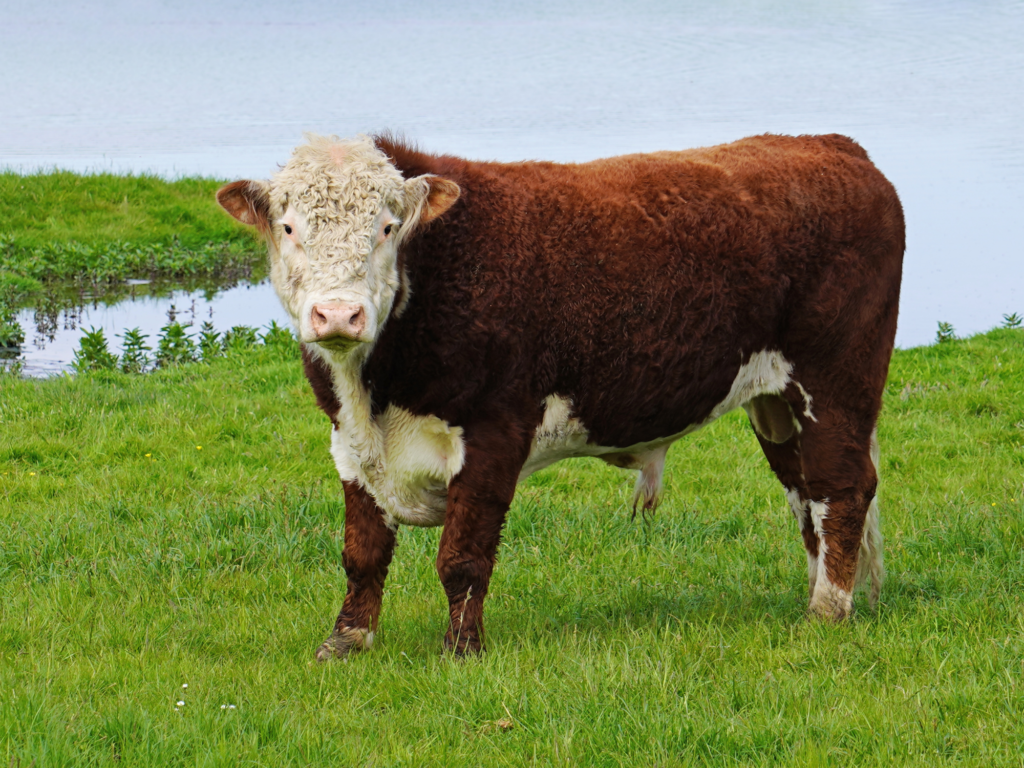
Today, in this final part, we’re connecting all those dots to the beef industry, packer concentration, and the prices we pay at the grocery store. Then I’ll share practical steps we can all take — whether you’re on five acres in Michigan like me or dreaming of Western grazing. Because public lands aren’t “somewhere else.” They touch the soil we build, the animals we protect, the food on our tables, and the future we’re trying to leave better for our families.
How Subsidized Public Lands Feed the Concentrated Beef Machine
All that cheap public forage we’ve been talking about — the $1.69 per AUM fees, the federal predator control, the priority access for big operators like Simplot, Kroenke, and Murdoch — doesn’t stop at the ranch gate. It flows straight into a highly concentrated beef supply chain.
The U.S. cattle herd hit a 75-year low in early 2026. Yet the top four packers (JBS, Tyson, Cargill, and National Beef) control roughly 85% of fed-cattle slaughter. Two of those companies have major foreign ownership ties. This level of concentration gives them enormous power over prices. Ranchers often receive low bids at the sale barn while consumers pay record retail prices for beef. Ongoing DOJ antitrust investigations have been examining plant closures, information sharing, and pricing practices across beef, pork, and poultry.
Public lands grazing plays a quiet but important supporting role. It supplies only 1–3% of total national forage, but it’s critical for many Western cow-calf operations. That subsidized forage helps keep marginal supply flowing into the system, propping up the overall cattle pipeline even as drought and high feed costs shrink the national herd. In short, taxpayers help subsidize inputs for an industry where the real money and power sit downstream with the packers.
This is exactly why the system feels so out of balance. Small regenerative producers and homesteaders like us manage risk ourselves — with guard animals, secure fencing, and learning from occasional free-ranging losses to foxes and hawks. We don’t get below-market forage or federal predator services. Meanwhile, the big players get structural advantages that feed a concentrated downstream market.
What This Means for Your Grocery Bill and Our Food System
When the cattle herd is historically low and packers hold so much control, prices stay high even as ranchers struggle. Imports fill gaps (especially lean trimmings for ground beef), and labeling loopholes have long let imported meat slip through as “Product of USA” after minimal processing. The result? Consumers pay more, small ranchers capture less of the margin, and the environmental costs of subsidized grazing (degraded rangelands, wildlife conflicts, M-44 use) get externalized onto all of us.
This connects directly back to the regenerative life we’re building. When public lands prioritize large-scale commodity production, it makes it harder for smaller operations focused on soil health, guard animals, and true stewardship to compete or expand. The system rewards volume and legacy access over innovation and ecosystem services.
The Regenerative Path Forward — and Practical Steps We Can All Take
Here’s what keeps me hopeful on our own homestead: we already know what works. Lakota the llama and our huskies showed us daily that guard animals, good fencing, and common sense reduce losses without blanket toxins. We accept managed risk and invest in systems that build soil and support wildlife.
Public lands could do the same. Here are concrete steps we can support or take ourselves:
For Citizens and Homesteaders:
• Learn your local BLM or Forest Service allotments. Attend public comment periods for land use plan updates. Voices matter — especially when they’re informed and respectful.
• Support organizations pushing for fee reform, stronger wild horse protections (including closing slaughter loopholes), and non-lethal predator programs. Even small donations or sharing accurate information helps shift the conversation.
• Buy from regenerative ranchers when you can. Look for operations using guard animals, rotational grazing, and transparent practices. Every dollar supports the model we want to see more of.
Policy Levers:
• Push for Congressional updates to the Taylor Grazing Act and grazing fee formula to better reflect market rates and reward land health.
• Advocate for expanded funding for guard animal cost-share programs through USDA instead of defaulting to Wildlife Services lethal tools.
• Support balanced management for wild horses (fertility control, better adoptions, ending the Burns Amendment pipeline) and equal standing for conservation bison herds.
On Your Own Land:
• If you have predator pressure, start with guard animals (llamas like Lakota are incredible for coyotes and foxes), improved fencing, and rotational systems before considering lethal options.
• Secure your runs and coops so losses stay minimal even when you free-range.
• Build soil deliberately — whether with chickens, horses, or future bison-inspired practices.
None of us has to solve the entire Western public lands system from our backyards. But every voice, every purchase, and every informed comment adds up.
Closing Thoughts from a Colorado Native
This series started with a simple observation while watching the sunrise with our animals: we don’t have to choose between healthy livestock operations and healthy ecosystems. The current setup — rooted in 1930s laws and favoring big players — often forces that false choice. But a better way is possible: guard animals over cyanide bombs, soil-building bison and thoughtful cattle grazing, balanced management for wild horses, and policies that reward regeneration instead of just legacy production.
Public lands belong to all of us. They should support the kind of thoughtful stewardship many of us practice every day on our homesteads — working with nature, accepting managed risk, and leaving the land better than we found it.
Thank you for walking through this deep dive with me. I’ve learned so much researching it, and I hope it’s given you new ways to think about these issues too.
I’d love to hear from all of you — especially Colorado gals and Westerners living these realities. What stood out to you in the series? What changes would you like to see? How have guard animals or predator experiences shaped your own approach?
Drop your thoughts below — I read every single comment.
With love and dirt under my nails,
Kara
Lange Girl Farms