Part 5: Wild Game Nutrition Deep Dive – Deer, Elk, Bison, Bear, Wild Turkey & More Across America
Hey farm gals, it’s Kara from Lange Girl Farms here in Southeast Michigan.
June is here and BBQ season is in full swing, so I’ve been pulling packages out of the freezer and thinking about the wild game many of us hunt or source locally. In Part 4 we did the head-to-head on livestock meats — beef breeds (with Highland highlighted), chicken, lamb, goat, pork, and turkey. Today we’re moving into wild game: deer, elk, bison, bear, wild turkey, and others that fill freezers across America. These meats are some of the most nutrient-dense options available, and they fit beautifully into a regenerative homestead lifestyle.
As a Colorado native, I grew up around hunters and the incredible wild game that comes from those Western landscapes. Here in Michigan we have excellent deer and turkey hunting, and many of us supplement our own raised meat with wild harvests. Wild game is lean, flavorful, and packed with nutrients shaped by natural forage and free movement — exactly the kind of food that aligns with guard animals, rotational grazing, and soil health.
Why Wild Game Deserves a Place in the Homestead Freezer
Wild game is generally much leaner than conventional beef, higher in protein per calorie, and rich in minerals and healthy fats from a natural, varied diet. It’s also one of the most sustainable proteins — harvested in season, often from overpopulated herds, with no feedlot or shipping footprint.
Here’s how the major ones stack up (approximate values for 100g / 3.5 oz cooked servings, focusing on wild-harvested data):
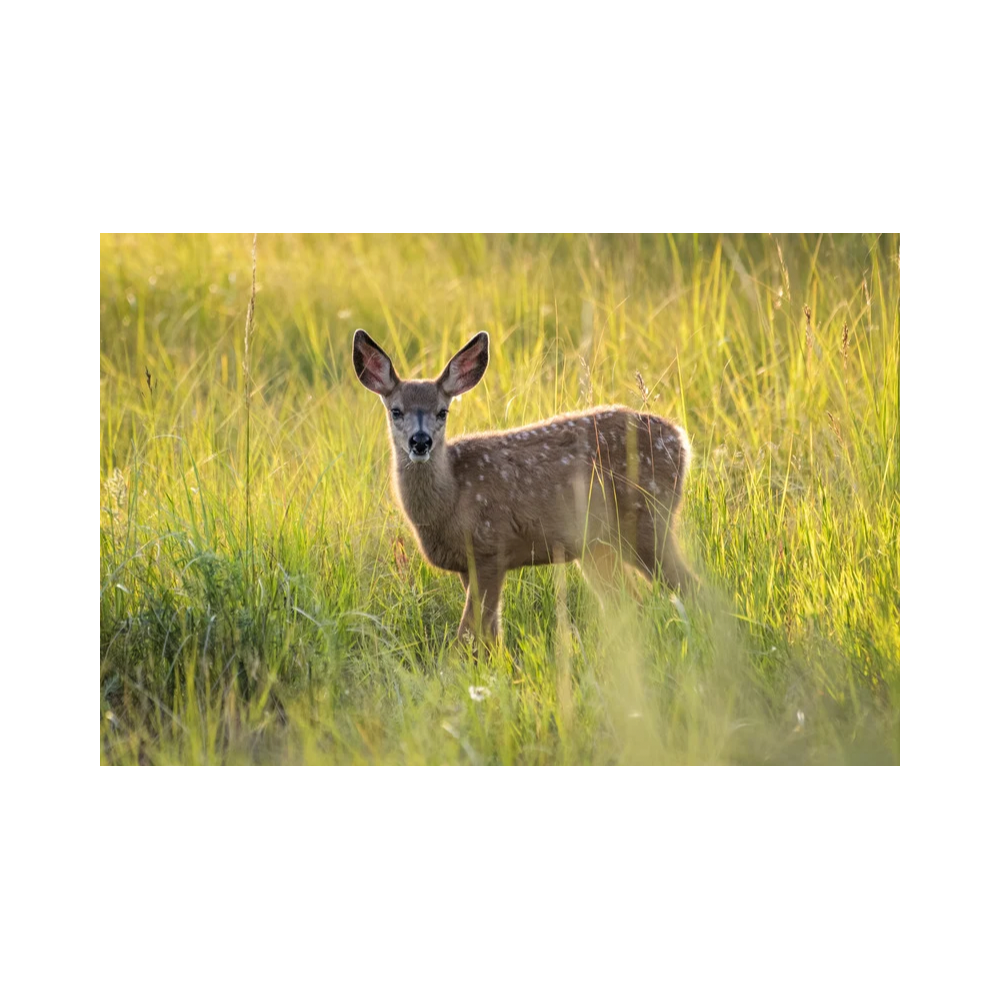
Deer (Whitetail & Mule Deer)
• Calories: 120–150
• Protein: 23–26g
• Total Fat: 2–4g (extremely lean)
• Iron & Zinc: Very high
• Omega-3s: Good when from good forage areas
Deer meat (venison) is a homestead staple for many of us. Mild, clean flavor when properly handled and aged. Excellent for those wanting lean protein without sacrificing minerals. In Michigan and across the Midwest, it’s abundant and often the most accessible wild red meat.
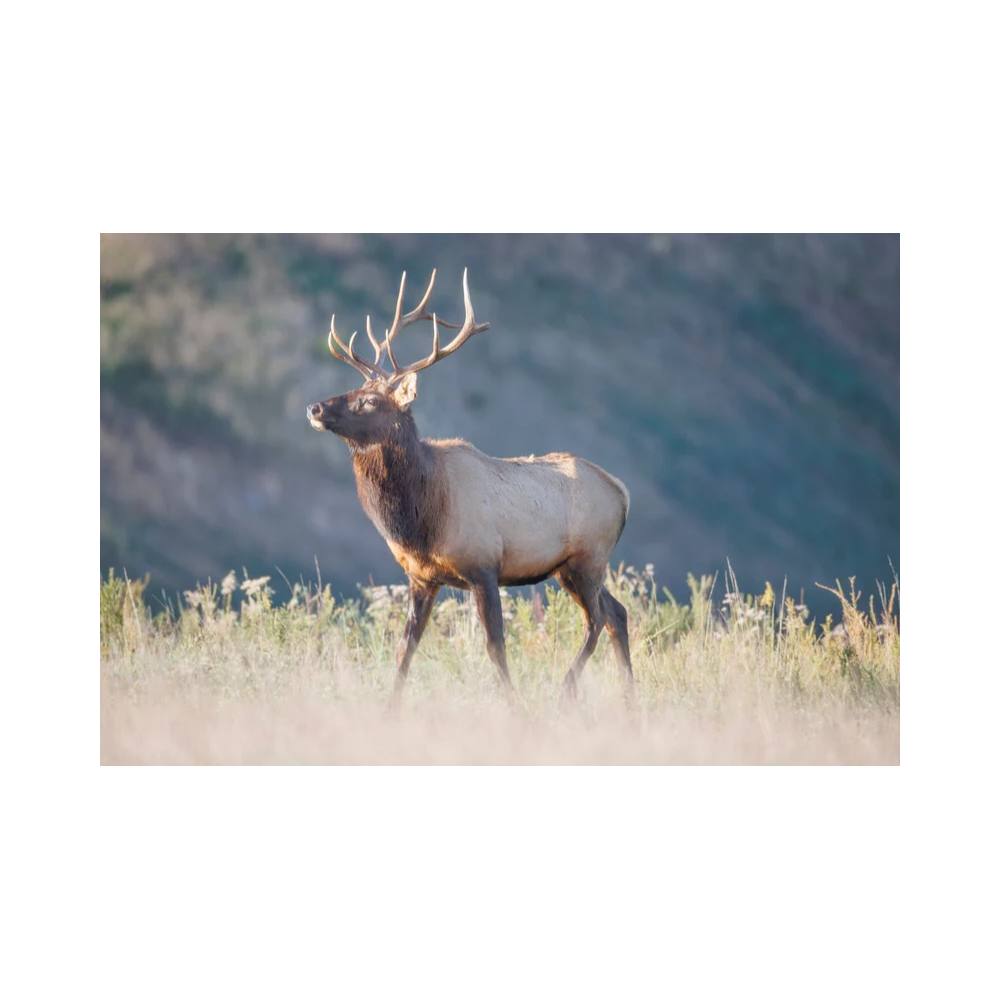
Elk
• Calories: 130–160
• Protein: 25–28g
• Total Fat: 2–5g
• Iron, Zinc & B12: Outstanding
• Omega-3s & CLA: Strong
Elk is one of my favorites for flavor — richer than deer but still very lean. It has a slightly sweet, clean taste and stands up beautifully to grilling or slow cooking. Higher protein density than most beef, and the animals live on vast public lands with natural forage. Perfect for those in the Rockies or who can source it.
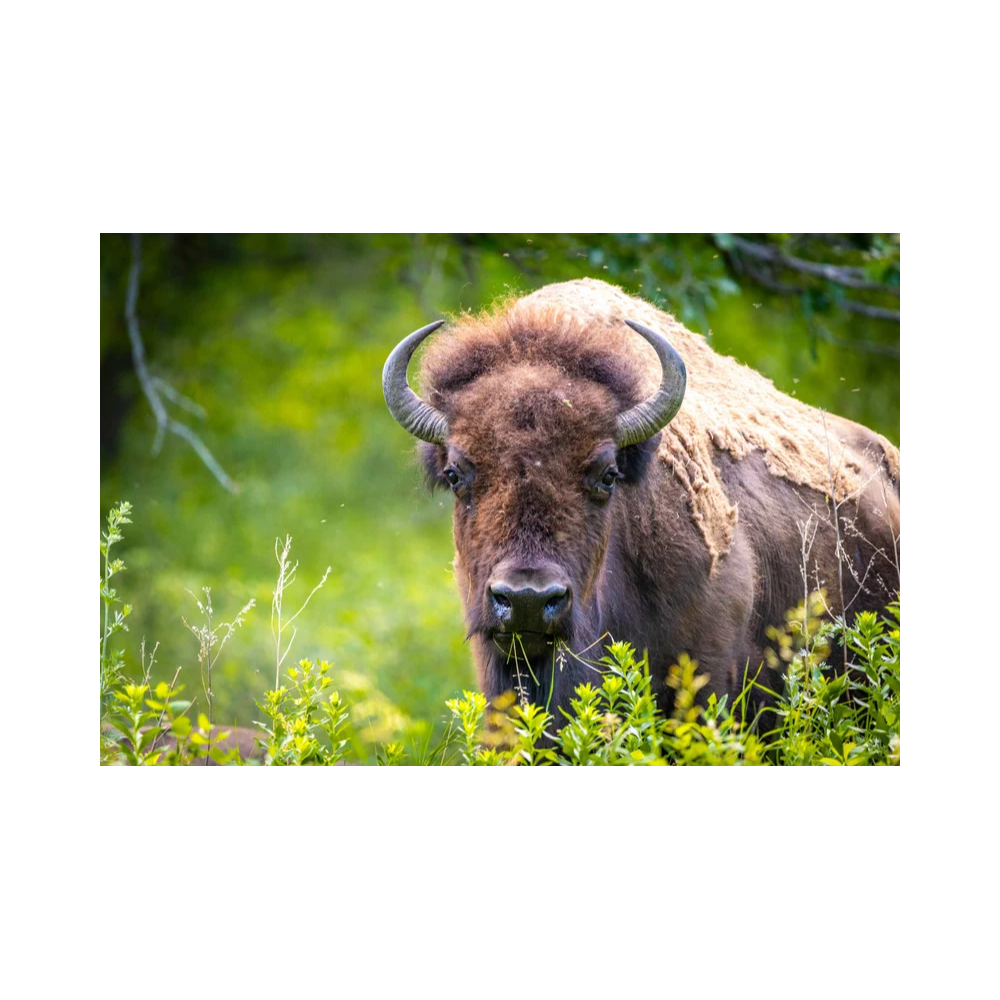
Bison (American Buffalo)
• Calories: 140–170
• Protein: 25–28g
• Total Fat: 3–7g
• Iron & Zinc: Excellent
• Omega-3s & CLA: Among the highest in red meat
Bison is often called the “original” American red meat. It has beautiful marbling for a lean animal and a rich, slightly sweet flavor. Nutritionally it frequently edges out conventional beef in protein and healthy fats while staying lower in total calories. Many regenerative ranchers are bringing bison back to public and private lands — they’re incredible soil builders, as we talked about in the public lands series.
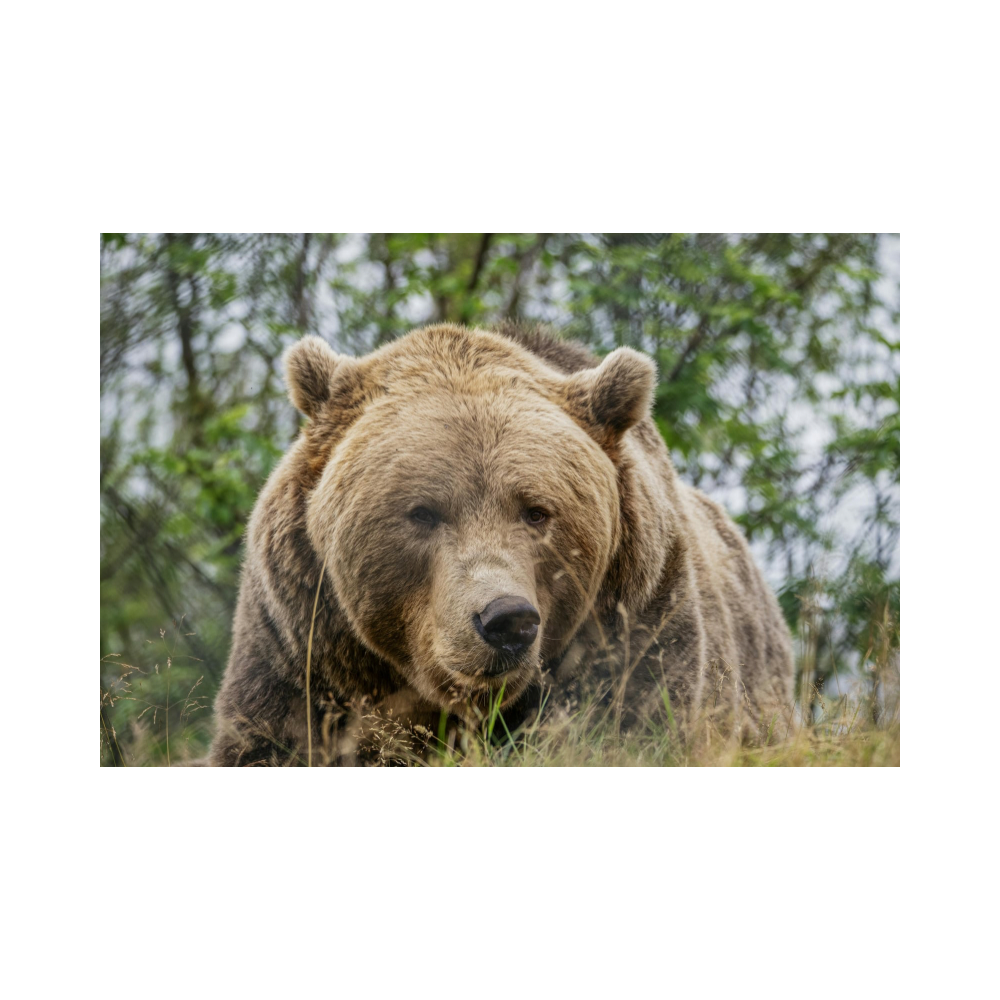
Bear
• Calories: 160–200 (varies greatly with season and diet)
• Protein: 22–25g
• Total Fat: 8–15g (higher in fall bears)
• Unique nutrient profile: High in monounsaturated fats when feeding on berries/nuts
Bear meat is richer and more “pork-like” than most people expect. It’s strongly seasonal — best in spring before heavy feeding or early fall. Handle carefully (proper temperature and aging) because of potential parasites. A true wild, regional protein for those in bear country.
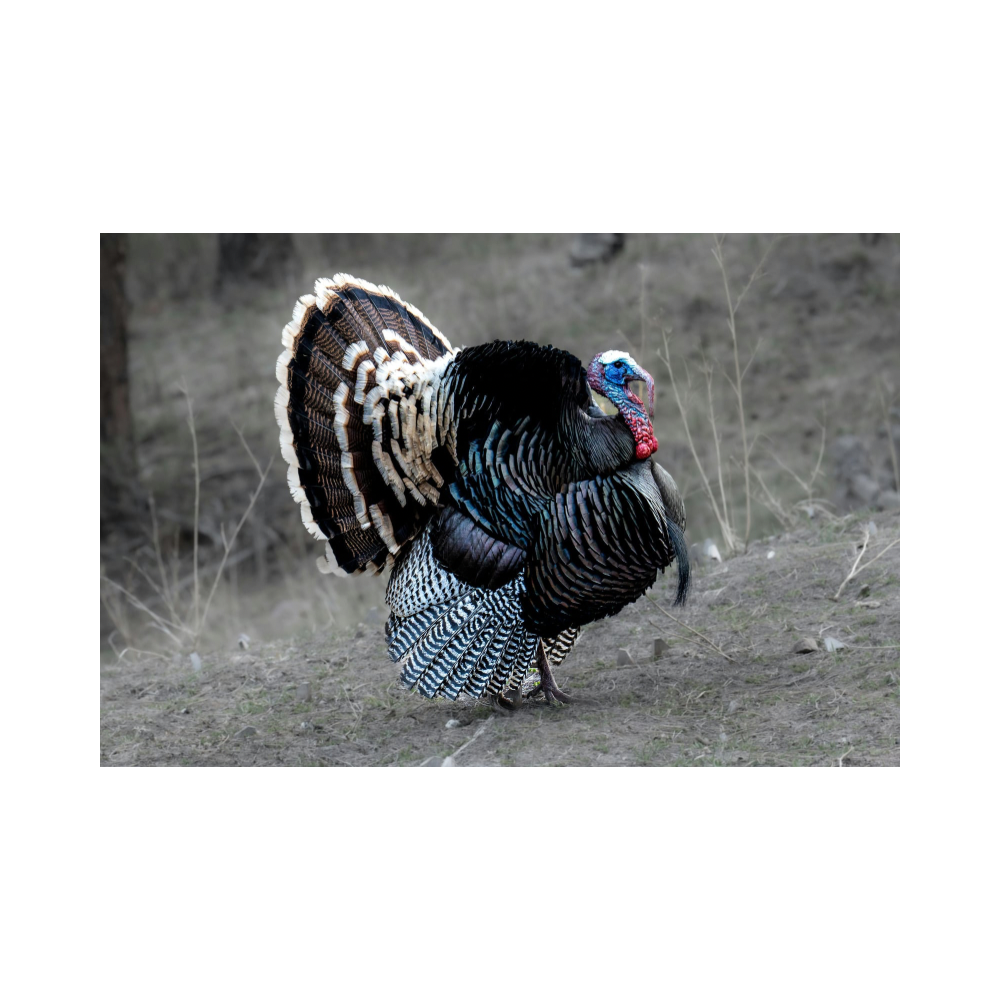
Wild Turkey & Other Birds
• Calories: 130–160
• Protein: 28–30g
• Total Fat: 3–6g
• Excellent selenium and B vitamins
Wild turkey is significantly more flavorful and nutrient-dense than domestic turkey. Darker meat with real character. Other wild birds (pheasant, grouse, ducks) follow similar lean, high-protein patterns with added omega-3s from natural diets.
Quick Head-to-Head with Livestock Meats
• Leanest overall: Wild game (deer, elk, bison) and chicken/turkey. Highland beef sits right in this group while delivering more minerals.
• Highest nutrient density: Elk, bison, and grass-fed Highland beef often lead in iron, zinc, B12, and healthy fats.
• Best flavor depth: Lamb, Highland beef, elk, and properly handled bear or wild turkey.
• Easiest for daily meals: Chicken/turkey and lean venison.
• Most regenerative/sustainable: Wild game (harvested in season from healthy populations) and pasture-raised Highland or heritage breeds.
Wild game gives us incredible nutrition with almost zero input on our own land. Combining it with our own Highland-style beef or other homestead meats creates a diverse, nutrient-packed freezer that truly supports the regenerative life we’re building.
In Part 6 we’ll compare grass-fed vs grain-fed finishing methods and how raising practices change the meat that ends up in your kitchen.
I’d love to hear from you ladies. Do you hunt and fill the freezer with wild game? What’s your favorite — venison, elk, bison? Have you noticed how different wild meats compare to your own raised beef in flavor or how your family feels after eating them?
Drop your thoughts and experiences below — I really do read every single comment. Let’s keep learning together and making the best choices for our families and our land.
With love and dirt under my nails,
Kara
Lange Girl Farms