Hey farm gals, it’s Kara from Lange Girl Farms!
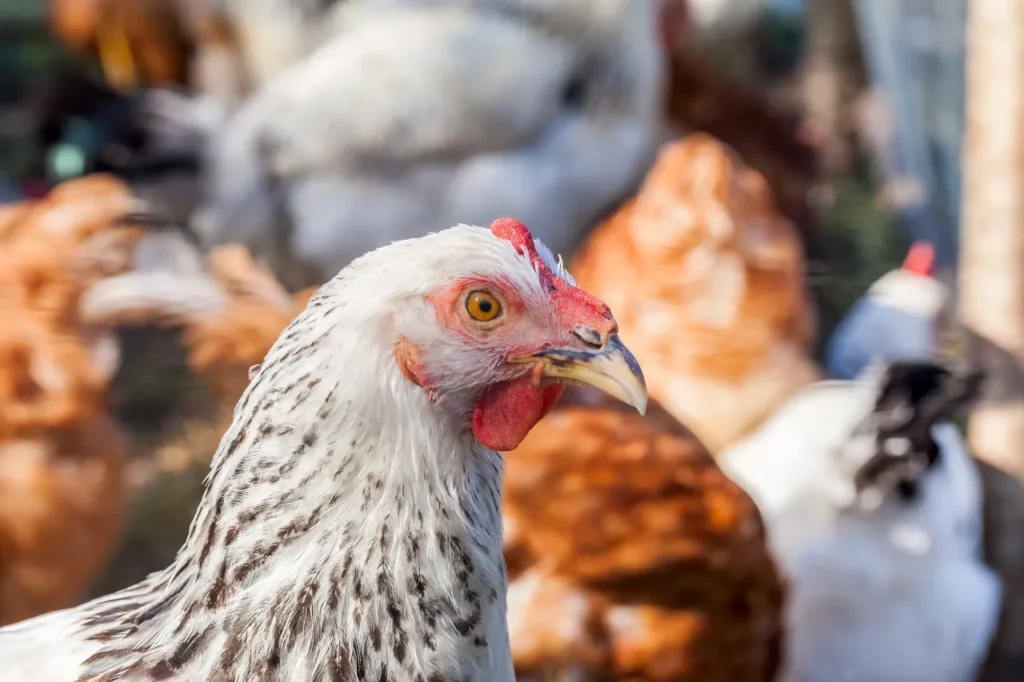
I started the day checking on the pregnant mini mare, making sure she had quiet time and fresh, clean pasture as she carries her foal. While I hand-weeded near the herbs and torched a couple of early weeds along the fence, the Siberian huskies raced around in their own safe space, the llamas and alpacas kept their calm watch, and the chickens and ducks stayed busy in their secure run. These chemical-free mornings ground me. They’re the reason we put in the extra effort to keep our land and animals completely free of systemic poisons like neonicotinoids.
In Part 1 we saw the scale of neonic seed treatments across the Midwest. In Part 2 we broke down how they work as systemic nervous system toxins. Now in Part 3 we face the real cost: the widespread collapse of pollinator populations, sharp declines in birds, damage to aquatic life, and the cascading effects on entire ecosystems. This is the part that hits hardest for anyone trying to grow food or support nature on a homestead. We’re going full detail with mechanisms and documented impacts because you deserve the unfiltered truth.
Pollinators: Colony Collapse, Navigation Failure & Population Crashes
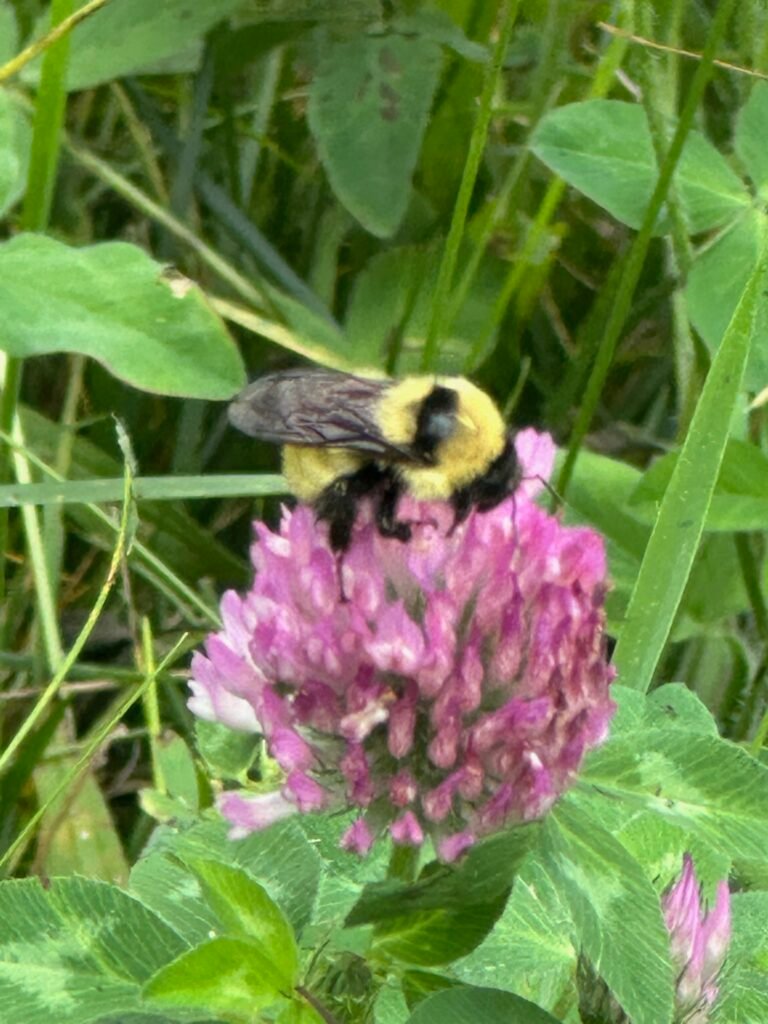
Neonicotinoids are highly toxic to insects, especially bees. They bind to nicotinic acetylcholine receptors in the insect nervous system, causing overstimulation, paralysis, and death at higher doses. At field-realistic low doses, the effects are more insidious:
• Honeybees: Impaired foraging, reduced ability to navigate back to the hive, weakened immune systems, and poorer queen production. Large field studies have linked neonic seed treatments to higher colony loss rates.
• Wild bees and bumblebees: Even more vulnerable. Exposure reduces reproductive success, foraging efficiency, and colony growth. Many species are already in decline, and neonics accelerate that loss.
• Butterflies and other pollinators: Larval stages feeding on treated plants or contaminated nectar suffer high mortality and developmental abnormalities.
The European Union banned the outdoor use of the three main neonics (imidacloprid, clothianidin, thiamethoxam) largely because of this pollinator crisis. In the U.S., beekeepers continue to report heavy losses in areas with intensive corn and soy planting.
Birds: Poisoned Seeds, Contaminated Insects & Population Declines
Birds are exposed in multiple ways:
• Eating treated seeds directly (granivorous species like sparrows, finches, and doves can be killed by just a few seeds).
• Eating contaminated insects that have fed on neonic-treated plants.
• Drinking from contaminated water sources.
Studies show clear correlations between neonic use and declining populations of farmland birds. Even sublethal doses cause disorientation, reduced reproduction, and weakened chicks. The loss of insects (their primary food source) compounds the problem — fewer insects mean starving nestlings.
Aquatic Life: Runoff Poisoning Streams & Ponds
Neonics are highly water-soluble and mobile. Runoff from treated fields carries them into streams, rivers, and wetlands, where they are extremely toxic to aquatic invertebrates (mayflies, caddisflies, midges, etc.) — the foundation of the aquatic food web.
• Fish and amphibians suffer indirect effects through loss of food sources and direct toxicity at low concentrations.
• Sediment in waterways can hold residues for extended periods, creating chronic exposure.
Midwest monitoring programs frequently detect neonics in surface water, sometimes at levels that harm sensitive species and disrupt entire aquatic ecosystems.
Broader Ecosystem Ripple Effects
When you poison the base of the food chain (insects and aquatic invertebrates), the impacts cascade upward:
• Fewer pollinators → poorer yields for fruit, vegetable, and seed crops (including the ones we grow without chemicals).
• Fewer birds and insects → reduced natural pest control.
• Disrupted soil and water biology → weaker overall ecosystem resilience.
This is the opposite of what regenerative homesteads work toward. We build diversity and balance; neonics create sterility and dependency.
Why This Toll Hits Regenerative Homesteads Like Ours
Living near heavy corn and soy areas, planting dust, drift, and runoff are constant realities. We refuse neonic-treated seeds and feed because:
• Our pollinators (and the wild bees that visit our gardens) are essential.
• Our pregnant mini mare and the rest of the herd need forage free from systemic insecticides.
• Our huskies, llamas, alpacas, chickens, and ducks live without the neurological or reproductive risks that come with contaminated environments.
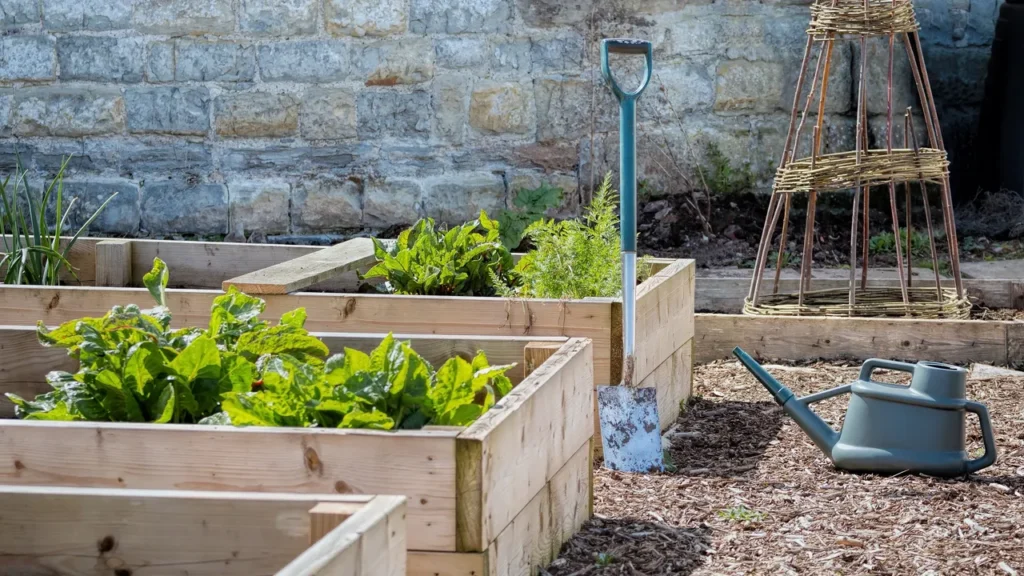
We hand-weed, torch weeds, plant cover crops, and support beneficial insects because those methods create a living, resilient system instead of poisoning it from the seed upward.
Series Roadmap – What’s Coming Next
Part 4: On our plates – residues in crops, animal products, and the cumulative load from neonic-treated systems.
Part 5: Follow the money – major manufacturers (Bayer, Syngenta, Corteva), lawsuits, and regulatory battles.
Part 6: The roots – discovery in the 1980s–1990s, rapid adoption as seed coatings, and the shift from spray to prophylactic use.
Part 7: Reclaiming our land – our exact holistic methods (hand-weeding, torch burning, mulch, cover crops, livestock grazing with our mini horses and llamas/alpacas), Michigan-specific tips, and how we support pollinators without neonics.
This series is for every homestead gal who has watched pollinators disappear from the garden or worried about what’s really in the seeds and feed. We don’t have to accept it.
Pin/save the series and comment below: Have you noticed fewer bees, butterflies, or birds on your property? Are you already sourcing untreated seeds or feed? I read every comment.
If you want to support a farm refusing these chemicals entirely, swing by the shop for our wildcrafted salves (great after hand-weeding or torch work), herbal teas grown right here without sprays, or non-GMO seeds for your own regenerative garden. Every purchase helps us keep protecting our land and animals.
We can protect our pollinators, our animals, and our future—one holistic choice at a time.
See you in Part 4, farm gals!
With love from the pasture,
Kara
Lange Girl Farms