Hey farm gals, it’s Kara from Lange Girl Farms here in Southeast Michigan.
June is here and BBQ season is in full swing, so I’ve been pulling different packages out of the freezer and really noticing how the way an animal was raised changes everything about the meat. In Parts 1–5 we compared beef breeds, spotlighted Highland cattle, broke down livestock nutrition, and dove into wild game. Today we’re looking at one of the biggest factors that affects what ends up on your plate: grass-fed versus grain-fed finishing methods, and how the entire raising approach shapes flavor, nutrition, and how the meat performs in your kitchen.
This is the practical heart of the series — the part that directly impacts your homestead decisions and your family’s meals.
Grass-Fed vs Grain-Fed: The Real Differences
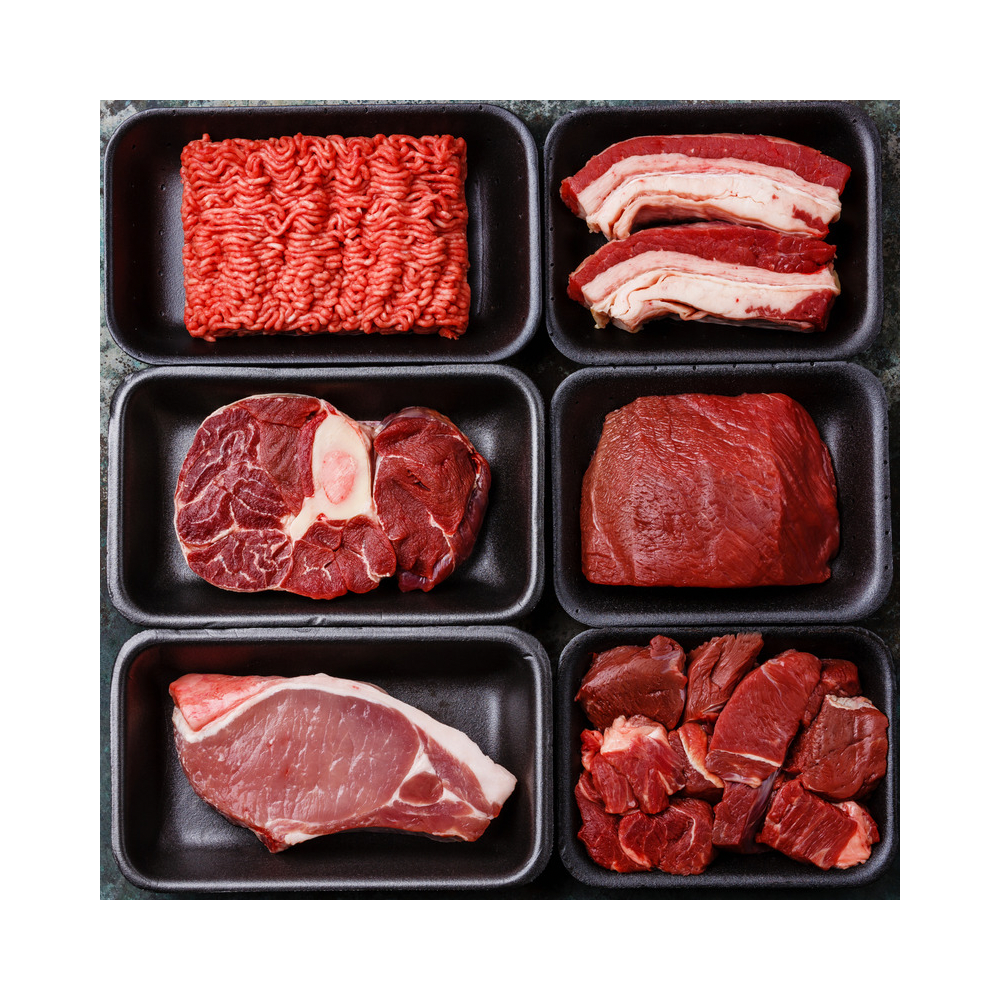
Grass-Fed / Pasture-Raised (what most of us aim for on the homestead)
• Animals eat their natural diet — grass, forbs, and browse — their entire lives.
• Flavor: Cleaner, more complex “beefy” or wild taste. Many people describe it as richer and more satisfying.
• Nutrition: Higher omega-3 fatty acids, better omega-3 to omega-6 ratio, more CLA (the “good” fat linked to health benefits), higher antioxidants (vitamin E, beta-carotene), and often better mineral profiles.
• Fat & Marbling: Generally leaner overall, but breeds like Highland still deliver good intramuscular marbling. The fat is healthier and has a more yellow tint from the grass diet.
• Tenderness: Can be slightly firmer if the animal is older or not properly aged, but good genetics + proper hanging/aging fixes this.
Grain-Fed / Feedlot Finished
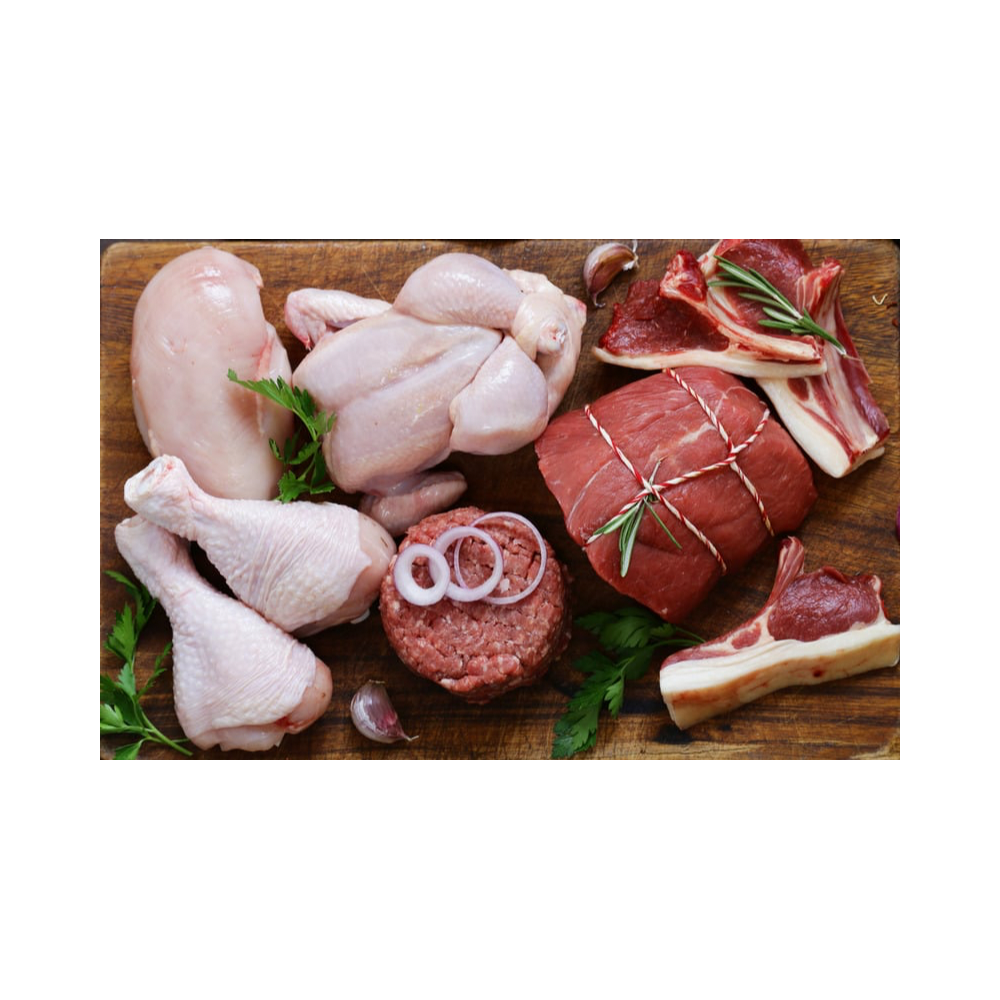
• Animals are finished on grain (corn, soy, etc.) in the final months for faster weight gain and heavier marbling.
• Flavor: Milder, more consistent “supermarket” taste. Some people prefer the buttery richness.
• Nutrition: Higher total fat and calories, higher omega-6s, lower omega-3s and CLA. Often lower in antioxidants.
• Marbling & Tenderness: Usually excellent — that’s why it grades higher and feels more tender right off the grill.
• Downsides: Higher environmental footprint, more reliance on monocrop feed, and the animal is often in a feedlot environment for the final phase.
On our homestead we aim for grass-finished as much as possible. The flavor is deeper, the nutrition profile feels better for our family, and it fits the regenerative principles we live by — animals on pasture building soil instead of standing in a feedlot.
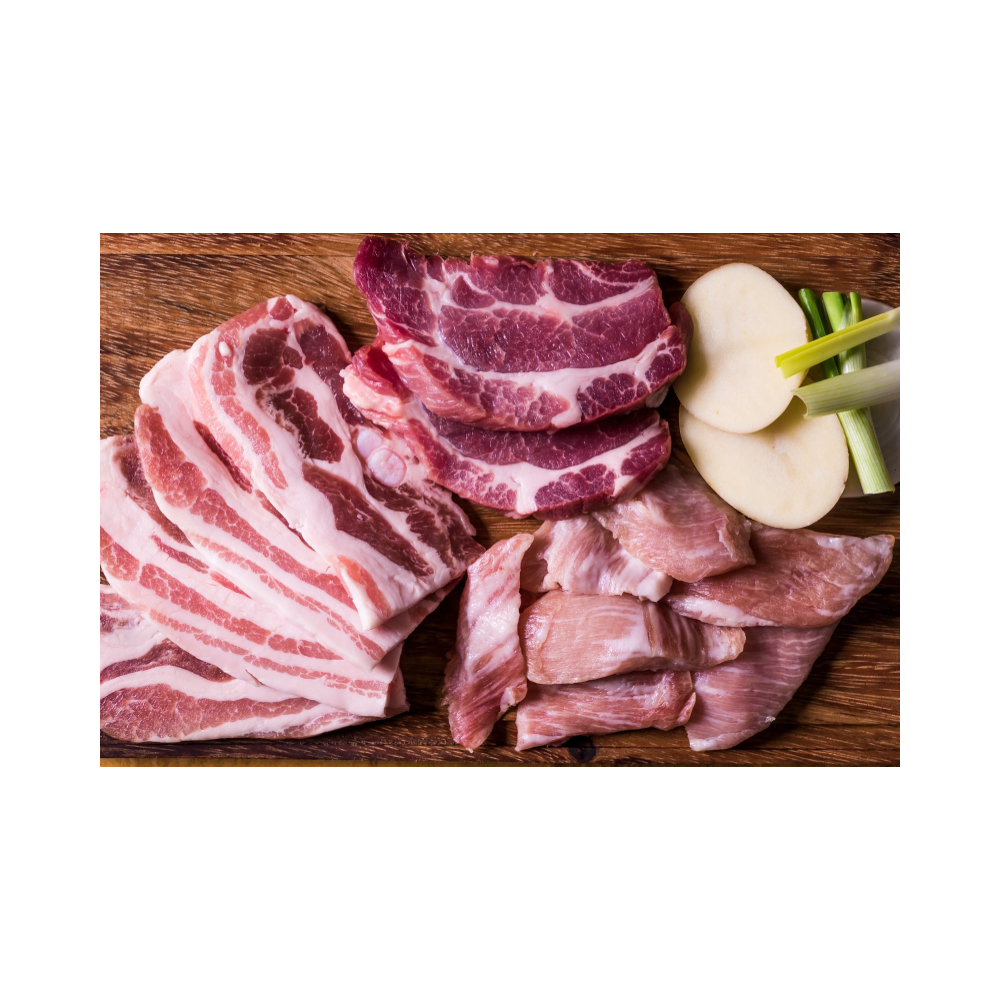
How Finishing Method Changes the Meat You Actually Eat
• Grass-finished Highland or heritage breeds: Leaner, nutrient-dense, incredible flavor. Perfect for slow-cooked meals, steaks that taste like real beef, and people who want clean eating.
• Grain-finished commercial breeds: Juicier, milder, more forgiving on the grill. Easier for beginners or when you want that classic ribeye experience.
• Hybrid approaches (grass with short grain finish): Many small producers do this — 90%+ grass with a short grain finish for extra marbling. Great compromise for homestead sales or family preferences.
The longer an animal stays on pasture, the more the meat reflects the land it lived on. That’s why wild game (Part 5) and truly grass-finished homestead beef often taste so distinct — they carry the terroir of the place.
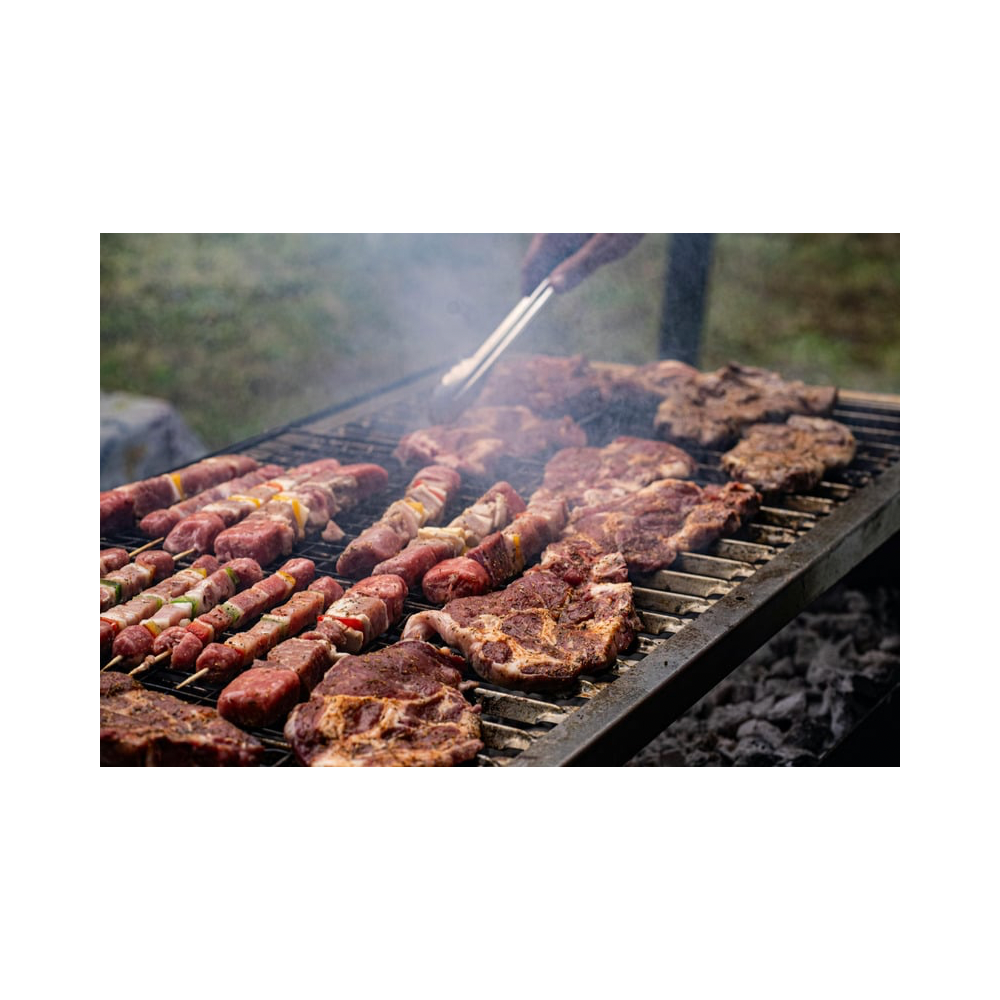
Practical Tips for Your Freezer This Summer
• Label everything clearly: Grass-finished, grain-finished, breed, age, cut, and date. It makes a huge difference when you’re pulling meat for the grill.
• Aging matters: Dry-age or wet-age your beef (especially leaner grass-finished cuts) for 14–28 days if possible. It dramatically improves tenderness and flavor.
• Cooking adjustments: Grass-finished meat benefits from lower, slower cooking and resting. Don’t overcook lean cuts.
• Mix it up: Combine your own Highland-style beef with wild game or pasture chicken for variety and balanced nutrition.
The way you raise or source the animal has a bigger impact on the final product than most people realize. That’s why breed choice and finishing decisions are such important parts of regenerative homesteading.
In the final part (Part 7) we’ll put it all together with a practical homestead playbook — choosing breeds for your setup, processing tips, wild game handling, and making the most of your summer and fall harvests.
I’d love to hear from you ladies. Are you grass-finishing your animals or buying grain-finished? Have you noticed big differences in flavor or how the meat cooks? What finishing method are you aiming for on your homestead?
Drop your thoughts and experiences below — I really do read every single comment. Let’s keep learning together and making the best choices for our families and our land.
With love and dirt under my nails,
Kara
Lange Girl Farms