Hey farm gals, it’s Kara from Lange Girl Farms!
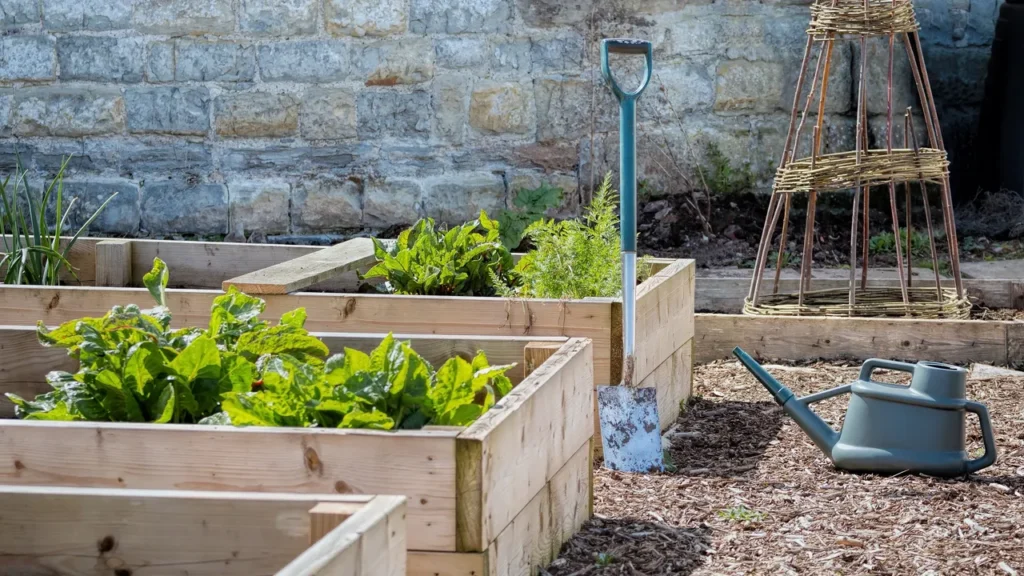
I spent some time this morning with the alpacas as they browsed the pasture edges, keeping their usual curious and protective eye on everything. While I hand-weeded near the herbs and torched a couple of early weed patches along the fence, the big horses grazed calmly, the Siberian huskies raced around in their own safe space, and the chickens and ducks stayed busy in their secure run. These quiet, chemical-free mornings are everything. They remind me why we refuse broad-spectrum herbicides like glufosinate on this regenerative homestead.
In Part 1 we looked at the rising use on LibertyLink crops. In Part 2 we broke down the glutamine synthetase inhibition mechanism. Now in Part 3 we face the real cost: neurotoxicity, developmental risks, reproductive harm, and ecosystem damage. Glufosinate is fast-acting and non-selective, which makes its off-target effects particularly concerning for anyone trying to protect pregnant animals, growing kids, or local wildlife. We’re going full detail with mechanisms and studies — no sugar-coating.
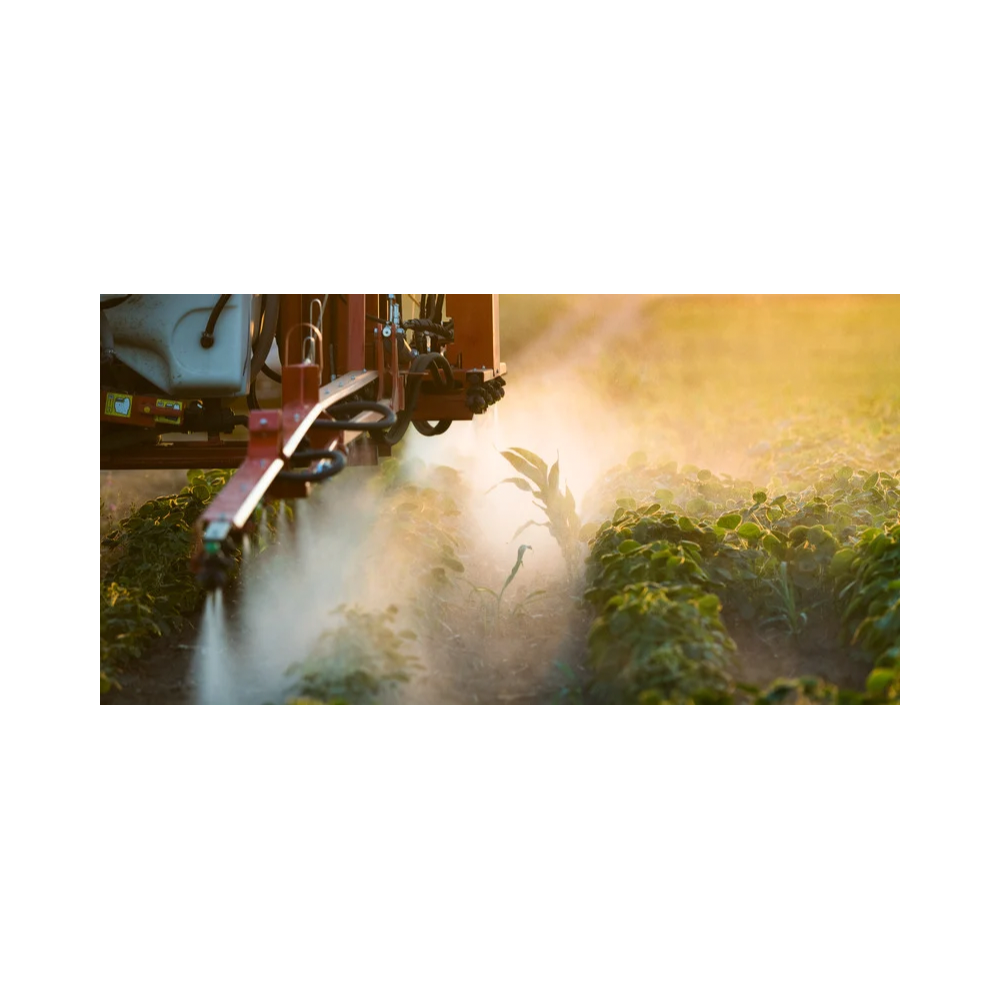
Humans: Neurotoxicity, Developmental Effects & Reproductive Concerns
Glufosinate inhibits glutamine synthetase, disrupting ammonia metabolism and leading to toxic buildup in cells. In humans this can cross the blood-brain barrier and cause:
• Neurotoxic effects: Headaches, dizziness, confusion, seizures, and in severe cases respiratory failure. Occupational exposure (applicators and farmworkers) shows the highest risk.
• Developmental harm: Animal studies and some human epidemiology link exposure during pregnancy to neurodevelopmental issues, including motor delays and behavioral changes in offspring.
• Reproductive toxicity: Potential disruption of hormone balance and fertility effects observed in lab studies.
• Chronic low-level exposure: Growing concern about cumulative impacts on the nervous system, especially when mixed with other pesticides common in Midwest agriculture.
While acute poisoning requires relatively high exposure, the low-dose developmental risks are what worry many families in farming regions.
Livestock: Risks to Pregnant Animals & Neurological Stress
Our pregnant mini mare gets only clean pasture for a reason. Glufosinate studies in animals show:
• Neurological symptoms: tremors, incoordination, and behavioral changes from ammonia toxicity in the brain.
• Reproductive impacts: higher rates of embryonic loss, developmental abnormalities, and reduced fertility when exposure occurs during critical pregnancy windows.
• Organ stress: liver and kidney effects from metabolic disruption.
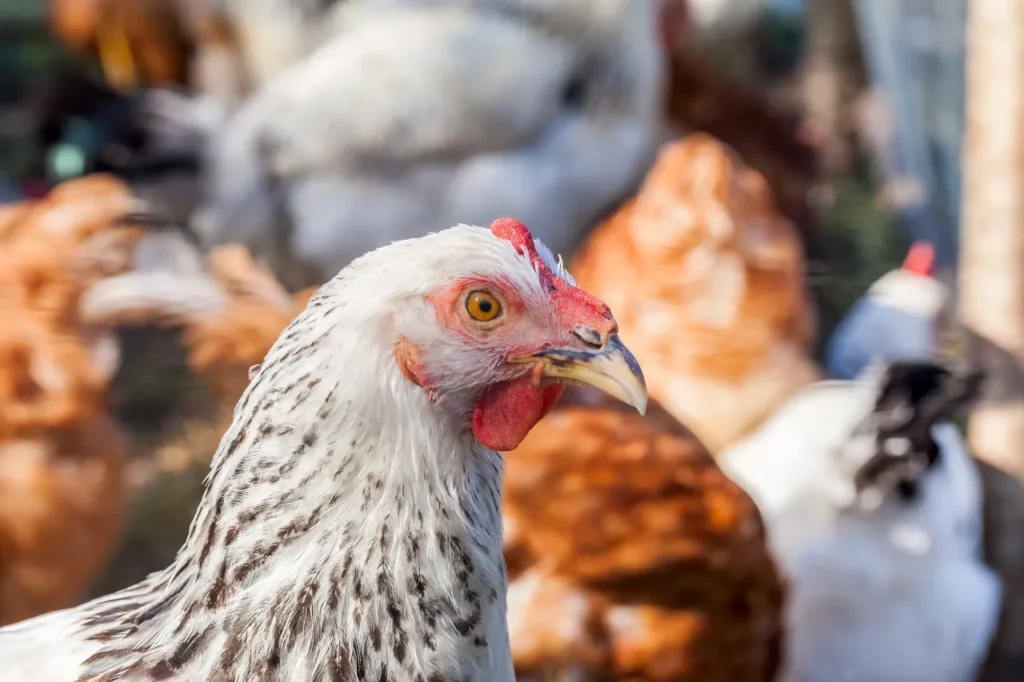
Horses and other sensitive livestock appear especially vulnerable. That’s why we’re so protective of our expectant mare and the rest of the herd — their forage and environment stay completely free of this herbicide. Our chickens and ducks also benefit from the clean system, producing strong eggs without the stress seen in conventionally raised birds exposed through treated feed or drift.
Wildlife & Aquatic Life: Non-Selective Damage & Runoff Effects
Because glufosinate is broad-spectrum and fast-acting, it harms many non-target species:
• Plants: Drift or overspray kills wild broadleaf plants, hedgerows, and pollinator forage, reducing habitat and food sources.
• Insects and pollinators: Direct toxicity to bees and other beneficial insects, compounding the problems we saw with neonics.
• Birds and small mammals: Loss of food plants and direct exposure through contaminated insects or water.
• Aquatic organisms: Runoff is toxic to algae, invertebrates, and fish. While it breaks down faster than some herbicides, pulses after rain events can still cause local die-offs in streams and ponds.
The non-selective nature means every application risks collateral damage beyond the intended field.
The Bigger Picture: Why This Toll Hits Regenerative Farms Hardest
We build soil biology, support pollinators, and protect water quality because that’s what sustains healthy animals and truly clean food. Glufosinate undermines all of it with its fast, broad-spectrum action and runoff potential. Our hand-weeding and torch work take more effort, but they don’t create the resistance treadmill or off-target harm we’ve seen with these herbicides.
Seeing our alpacas and big horses thrive on clean pasture while knowing what conventional systems expose neighboring land and wildlife to drives home the choice we’ve made.
Series Roadmap – What’s Coming Next
Part 4: On our plates – residues in crops, animal products, and the cumulative load.
Part 5: Follow the money – manufacturers (Bayer and generics), lawsuits, and regulatory battles.
Part 6: The roots – discovery from soil bacteria, development as a herbicide, and the rise of LibertyLink GE crops.
Part 7: Reclaiming our land – our exact holistic methods (hand-weeding, torch burning, mulch, cover crops, livestock grazing with our mini horses, alpacas, and big horses), Michigan-specific tips, and how we manage weeds without broad-spectrum herbicides.
This series is for every homestead gal tired of the next broad-spectrum replacement being pushed. We don’t have to accept it.
Pin/save the series and comment below: Have you seen glufosinate drift or worried about its effects on pollinators or livestock? What changes are you making to stay fully toxin-free? I read every comment.
If you want to support a farm refusing these chemicals entirely, swing by the shop for our wildcrafted salves (great after hand-weeding or torch work), herbal teas grown right here without sprays, or non-GMO seeds for your own regenerative garden. Every purchase helps us keep protecting our land and animals.
We can protect our farms, our animals, and our future—one holistic choice at a time.
See you in Part 4, farm gals!
With love from the pasture,
Kara
Lange Girl Farms