Hey Y’all, it’s Kara from Lange Girl Farms here in Southeast Michigan.
June is here and BBQ season is in full swing, so I’ve been pulling meat out of the freezer and thinking more about the bigger system around the clean, nutrient-dense food we work so hard to raise. After the deep dives in this series on beef breeds, Highland cattle, livestock nutrition, wild game, grass-fed vs grain-fed, and practical homestead tips, one thread keeps coming back up — especially after my earlier household toxins series. The rapid build-out of data centers on public lands (including BLM allotments), new gas power plants like the proposed Lima Center near Chelsea/Ann Arbor, and the constant push for WiFi and smart devices in our homes aren’t as harmless as we’re often told.

Today I want to share a hopeful and important update that just broke, because it shows communities can push back and force real change.
Microsoft Drops All NDAs with Local Governments Worldwide
In a major reversal, Microsoft announced it is terminating every existing NDA with local governments globally for data center projects. They stated that transparency is now “paramount” and that communities “deserve to know when we are coming to their community.”
This came after investigative reporting used public records requests to uncover secret deals. Communities were finding out about billion-dollar data center projects only when bulldozers showed up. Microsoft admitted the secrecy backfired politically. While other big tech companies continue using NDAs, this move from one of the largest players is a significant crack in the wall.
The Fight Is Moving to the Ballot Box – Ohio Moms vs. Michigan Reality
The Washington Post this week highlighted two full-time moms in Hilliard, Ohio — Annette Singh and Annie Cannelongo. Their children play in a park next to an elementary school right beside land where Amazon Web Services broke ground on a massive data center campus. No meaningful public input. No letter to neighbors. These moms said the issue has consumed them, and data centers will be the first thing on their minds when they vote in November.
That story feels very familiar right here in Michigan. In Saline Township, the township board voted 4-1 against rezoning farmland for a massive $16 billion Oracle/OpenAI data center project. The developer sued, claiming exclusionary zoning. Facing a billion-dollar opponent, the small township settled the lawsuit because they couldn’t afford the legal fight. Construction moved forward, with Governor Whitmer attending the groundbreaking.
During that ceremony, a hot mic moment reportedly captured Governor Whitmer telling Oracle CEO Clay Magouyrk, “We’re used to people saying f*ck no, and doing it anyway.” Many locals interpreted the comment as revealing how her administration and her husband’s ties helped fast-track the project despite strong citizen opposition. It left a lot of people in Saline and surrounding areas feeling that political power and big money overrode the will of the community.
The contrast is stark. In Ohio, two moms are organizing and turning the issue into a voting priority. In Saline, a rural township did everything right — listened to residents, voted against the project — and still got overpowered. Many locals feel the process was heavily influenced by big money and state-level pressure, with concerns about farmland loss, water use, energy demands, and air quality.
Erin Brockovich put it plainly: “If data centers are so great, why are they being built in secret?”
How This Connects to Our Regenerative Homesteads and Clean Meat
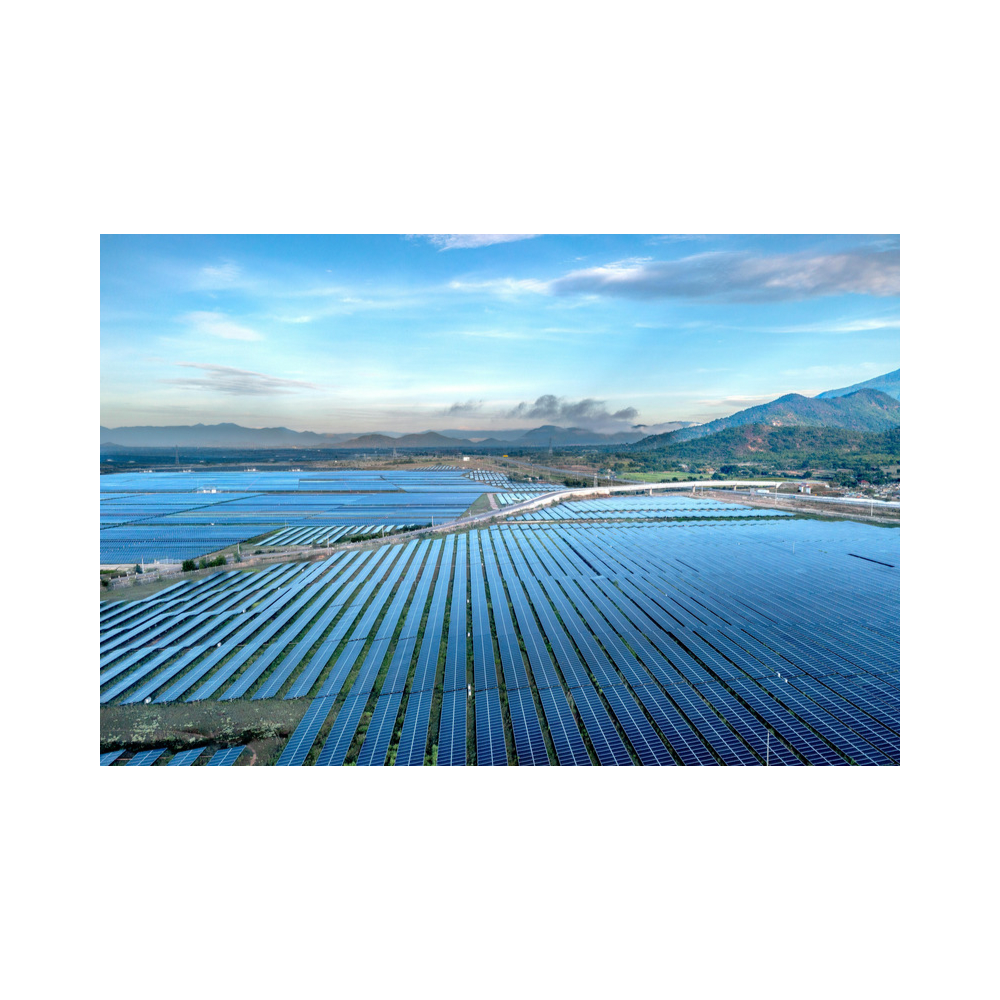
When we’re raising animals for clean, nutrient-dense meat — whether Highland beef, pasture poultry, or wild game — we’re trying to minimize toxins and support healthy ecosystems. Data centers and the infrastructure they require can undermine that:
• More land taken from grazing and wildlife habitat
• Increased air quality concerns from supporting gas plants like Lima Center
• Higher grid strain that drives more rural energy projects
• Indirect effects on pollinators, plants, and forage through expanded infrastructure
We can agree that on already-installed or ruined fields there may be limited options. In those cases, planting pollinator habitats with native wildflowers and grasses can help support bees, butterflies, birds, and other species. But the real priority must be stopping more good agricultural and rural land from being destroyed in the first place.
Actionable Steps We Can Take Right Now
This Microsoft reversal shows that organized pushback works. Here are practical things we can do in our own communities:
1. Use Public Records — File FOIA or local open records requests early to uncover plans before ground is broken.
2. Show Up Locally — Attend planning commission, zoning board, and county board meetings. Ask questions about land use, water, air quality, and impacts on farms and livestock.
3. Push for Transparency — Support or propose local ordinances that require early public notice and ban NDAs for major projects.
4. Protect Public Lands — Contact your representatives about keeping BLM and other public grazing lands focused on agriculture, wildlife, and recreation instead of industrial development.
5. Reduce Household Exposure — Hardwire what you can, turn off WiFi at night, and minimize unnecessary smart devices. Small steps add up.
We don’t have to accept every big project quietly. Communities are waking up, and tools like public records and local zoning give us real leverage.
I’d love to hear from you. Have you seen data center proposals or new power plants in your area? Have you started using public records or showing up at meetings? What’s one step you’re thinking about taking?
Drop your thoughts and experiences below — I really do read every single comment. Let’s keep learning together and protecting both the food we raise and the rural communities we love.
With love and dirt under my nails,
Kara
Lange Girl Farms