Hey friends, it’s Kara from Lange Girl Farms here in Southeast Michigan.
After walking through the kitchen toxins in Part A — the phthalates leaching from plastic wraps and bags into fatty leftovers, the PFAS in paper plates and towels that migrate with hot or greasy meals, the flame retardants hiding in black plastic utensils from recycled e-waste, the PFAS coatings on nonstick pans, the EMF exposures from induction cooktops at real cooking distances, the biofilms and bacteria building up in dishwashers running cooler cycles, and the microplastics shedding from sponges and scrubbers — it can feel heavy. But here’s the good part: we don’t have to live with all that. There are straightforward, old-fashioned ways to handle the same jobs using simple pantry staples most of us already keep around or can grow or source easily.
This is Kitchen Part B. We’ll talk practical swaps and basic recipes that line up with homestead life — things that reduce what we bring in, cut down on graywater chemicals heading to the septic or well, and keep residues from cycling back through the garden or animals. These aren’t perfect or one-size-fits-all, but they’ve worked for generations of folks keeping kitchens going without the extra layers. Start with one shelf or habit and see how it feels.
Ditching Plastic Wraps, Bags, and Storage Containers
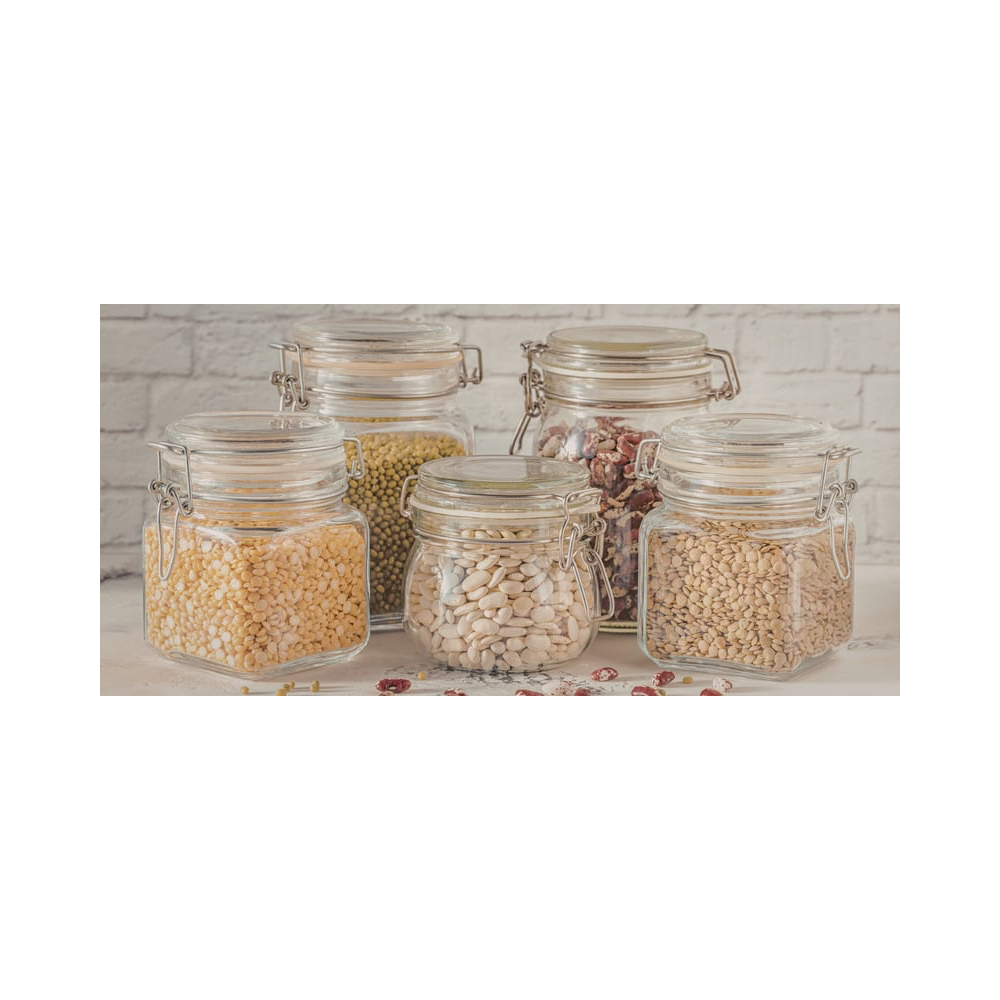
Instead of Saran Wrap, Press n Seal, or plastic storage bags that leach phthalates into food (especially fatty or acidic leftovers in the fridge), reach for glass jars, stainless steel containers, or simple plate-over-bowl covers. We use large gallon-size mason jars with snap sealing lids for flour, sugar, brown sugar, and all our dry mixes — tortilla, brownies, muffins, pancakes, biscuits, pasta, and so much more. They stack well, let you see what’s inside, and keep everything fresh without any off-gassing or leaching.
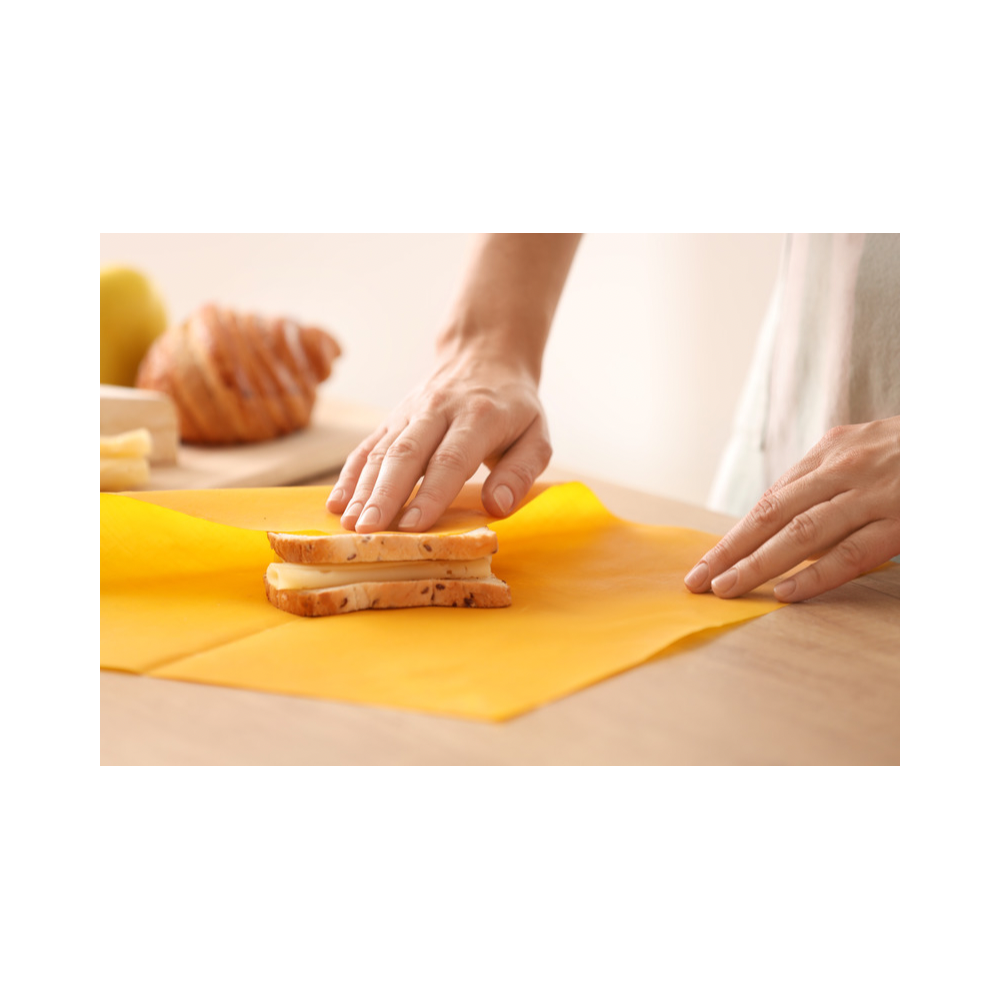
For covering bowls without a lid, turn a plate upside down or use a clean cloth dampened with a bit of water. For something that stretches like plastic wrap for odd shapes, beeswax wraps are a game-changer. You can find them in various sizes: canning jar lid wraps, sandwich wraps, and large wraps sized for loaves or bigger items. The different dimensions let you wrap all kinds of things and reuse the same wrap multiple times. To clean, simply rinse in cool water with mild soap and let air dry — they last for months with regular use.
Switching Cookware and Utensils
For nonstick pans that release PFAS when scratched or heated, and for induction cooktops that generate strong magnetic fields right at counter height, go back to cast iron or stainless steel. Cast iron is heavy but builds its own natural nonstick surface over time with proper seasoning, and it holds heat beautifully for farm-style cooking like skillet cornbread or searing garden vegetables. Stainless steel works well for everyday pots and doesn’t carry the same coatings or EMF concerns.
Simple Cast Iron Seasoning (Oven Method)
- Scrub the pan clean with hot water and a stiff brush or chainmail scrubber (no soap needed if it’s just seasoned). Dry it thoroughly on the stove or in a warm oven.
- Rub a very thin layer of high-smoke-point oil (like avocado, grapeseed, or lard from your own animals if you raise them) all over the pan, including the handle and bottom. Wipe off almost all of it with a cloth — it should look almost dry.
- Place it upside down in a 350–400°F oven for 30–60 minutes. Let it cool in the oven. Repeat a few times for a good base layer.
After that, cook with it regularly and clean with hot water and a brush. The seasoning darkens and improves with use.
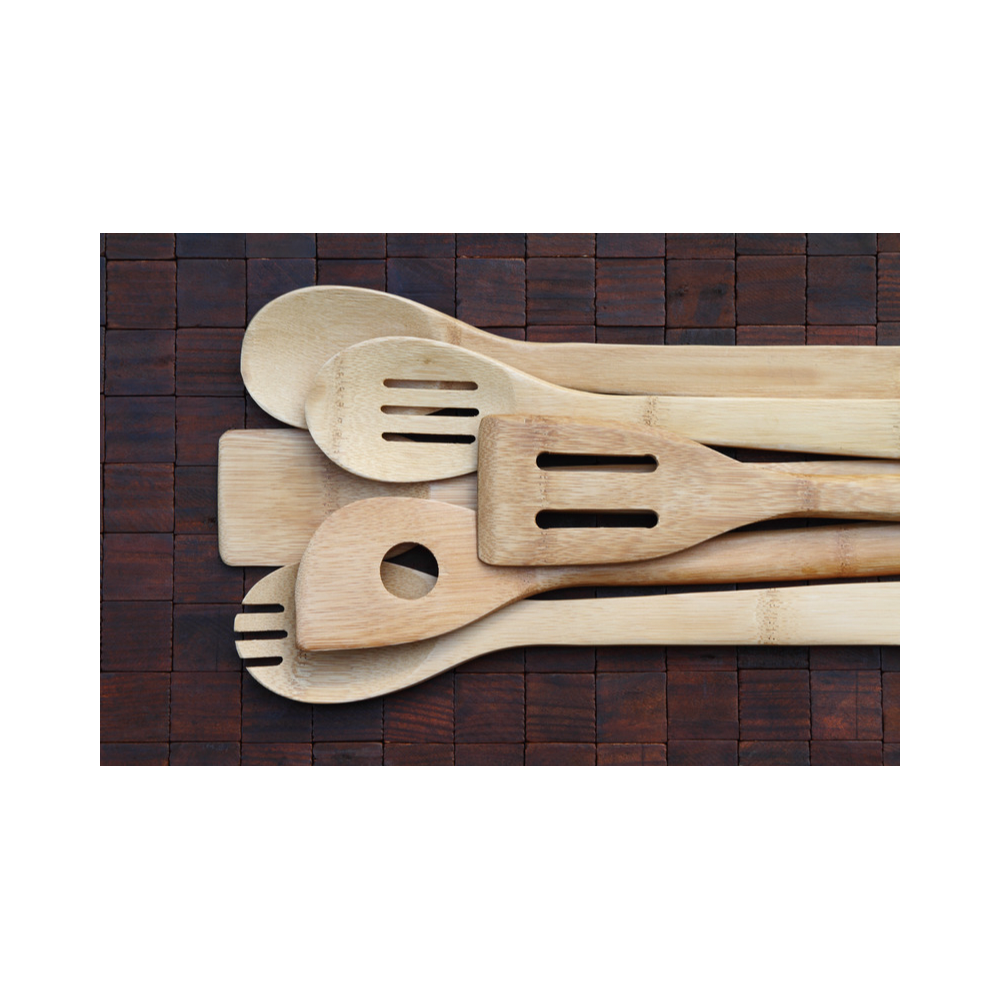
For utensils, switch to stainless steel, wood, or silicone (plain, without fillers). Wooden spoons and spatulas from solid wood don’t leach and develop their own character over time. Stainless won’t scratch easily and lasts forever with basic washing.
For cutting boards, glass or solid wood boards hold up well and don’t harbor the same issues as plastic. We use both here — wood for everyday chopping and glass ones with simple animal designs for lighter tasks or serving.
Handling Dishwashing — Detergents, Soaps, Scrubbers, and the Machine Itself
Commercial dish soaps and rinse aids often leave residues and contain fragrances or surfactants that go down the drain. A simple homemade liquid dish soap uses castile soap as the base.
Basic Liquid Dish Soap
- 1 cup liquid castile soap (unscented)
- 1/4 cup white vinegar (cuts grease)
- 1 tablespoon baking soda (for mild abrasion and deodorizing)
- Optional: a few drops of pure essential oil like lemon or tea tree if you want light scent (plain works fine)
Mix in a glass bottle. Shake before use. It won’t suds like commercial versions, but it cleans well with a little elbow grease. For really greasy pans, sprinkle baking soda first, then scrub with the soap mix.
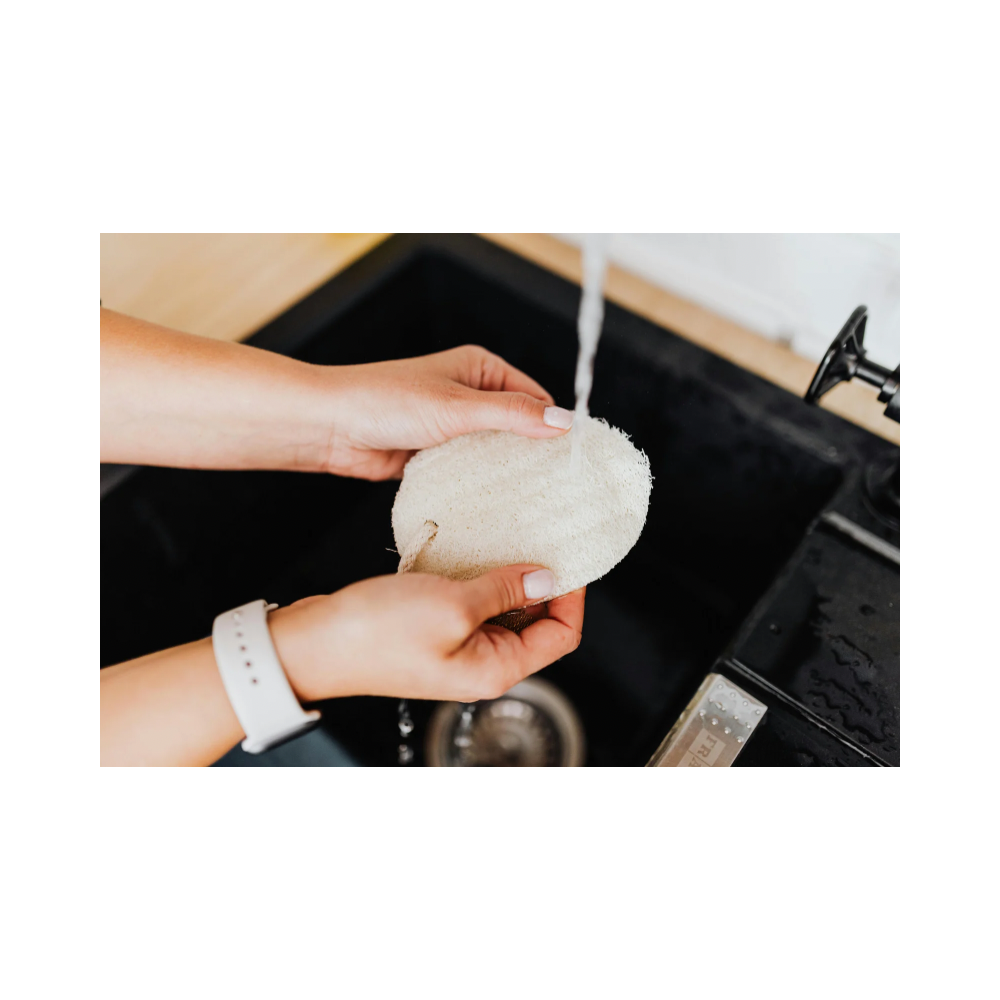
For scrubbers, luffa (grown right in the garden) works beautifully. Cut a mature luffa into sections, dry it thoroughly, and use the natural fibrous interior. Pair it with a simple natural soap base for extra cleaning power. We also like felted soaps made with alpaca wool for hands and body — the wool adds gentle exfoliation while the soap lasts longer.
Maintaining the Dishwasher (to Avoid the Biofilm Problem)
Run a monthly deep clean to break up the gunk that builds on seals, filters, and the sump — the same way the washer drum harbors bacteria on cooler cycles.
Simple Dishwasher Clean Cycle
- Remove the filter (usually at the bottom) and soak it in hot water with a splash of vinegar and a drop of castile soap. Scrub with an old toothbrush.
- Wipe the rubber seals and door edges with a cloth dampened in straight white vinegar.
- Place a dishwasher-safe bowl with 1–2 cups white vinegar on the top rack.
- Sprinkle 1 cup baking soda across the bottom of the empty machine.
- Run the hottest cycle available (no dishes). The vinegar and baking soda will fizz and cut grease, mineral buildup, and odors while helping loosen biofilm.
Do this every 4–6 weeks, or more often if you notice smells or film. For daily use, add 1/2 cup vinegar to the rinse compartment or run a vinegar bowl on the top rack during a regular load if your water is hard. This helps keep bacteria in check without harsh chemicals. If your machine has a “sanitize” or high-heat option, use it when possible — hotter water does a better job killing pathogens.
Powdered Dishwasher Detergent Alternative
- 1 cup baking soda
- 1/4 cup citric acid (for spot-free rinsing; available in canning sections)
- Optional: a tablespoon of salt for extra cleaning power
Mix dry in a jar. Use 1–2 tablespoons per load in the detergent compartment. Add vinegar in the rinse aid spot for better results. This is septic-friendly and avoids the phosphate or surfactant loads in commercial pods.
Reducing Paper Towels, Plates, and Disposables
For paper towels used on counters or spills, keep a stack of reusable/washable cotton hand towels in a basket. We offer them in our langegirldesign store in simple, practical sizes that work great for everyday wiping and kitchen tasks. They wash up easily with the regular laundry (or a vinegar rinse) and replace dozens of paper towels without the PFAS or microfibers.
For plates and utensils at big meals or harvest time, use real dishes and metal/wood ones. The extra washing is real work, but it avoids the PFAS migration from paper plates and microplastics from plastic ones. If disposables feel necessary sometimes, look for plain uncoated paper without the “performance” treatments, but real dishes win long-term.
For drinking, stick with glass mason jars, stainless mugs, or enamel cups. They don’t leach with hot liquids the way plastic or lined paper cups do.
Bonus Homestead Tip: Reusing Kitchen Water
When you boil pasta or vegetables, save the cooled cooking water and use it to water plants in the garden or for the animals once it’s room temperature. It contains nutrients from the food and cuts down on fresh well water use — a small loop-closing habit that feels good on the farm.
Why These Swaps Feel Better on the Farm
These changes cut the chemical load heading to the septic or graywater, reduce what tracks outside on boots, and keep residues from building up in the soil or affecting the animals. They might take a few extra minutes at first — washing a cast iron pan by hand, running a vinegar clean on the dishwasher, or grabbing a cotton tea towel instead of a paper towel — but they line up with the rhythm we’ve already got: mending, reusing, and paying attention to what cycles back through the well and garden.
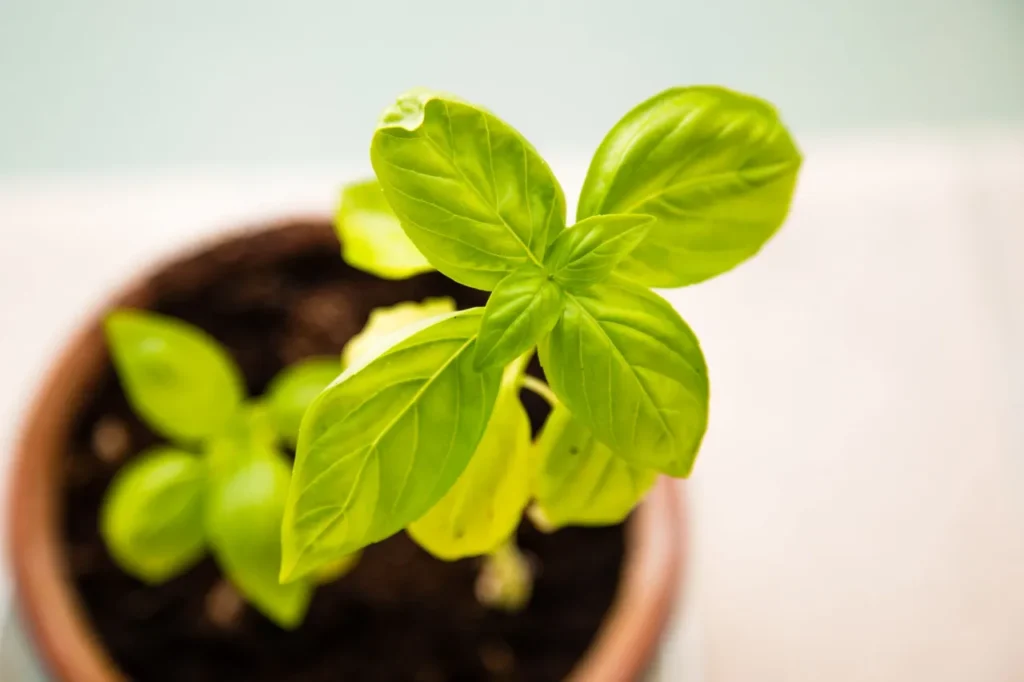
Houseplants are a simple way to help clean kitchen air naturally. Snake plant and pothos are tough enough to handle occasional splashes and filter formaldehyde and other off-gassing from cabinets or wraps. A few herbs like rosemary or basil on the windowsill do double duty — they clean the air and give you fresh ingredients right at hand.
Start small. Swap the plastic wrap for glass jars or beeswax wraps this week. Run one dishwasher clean cycle. Season that old cast iron skillet sitting in the back of the cabinet. See how it feels after a month.
I’d love to hear what you’re trying in your own kitchen. Have you already ditched something for a simpler option, or noticed less buildup after a vinegar clean? Comments help as we keep walking through these spaces.
In the next posts, we’ll move to the bathroom, where skin contact and “unscented” products bring their own questions.
From the farm,
Kara
Lange Girl Farms
Related series to check: Water Series | Skin & Beauty Series | Glyphosate Series (separate deep dive)