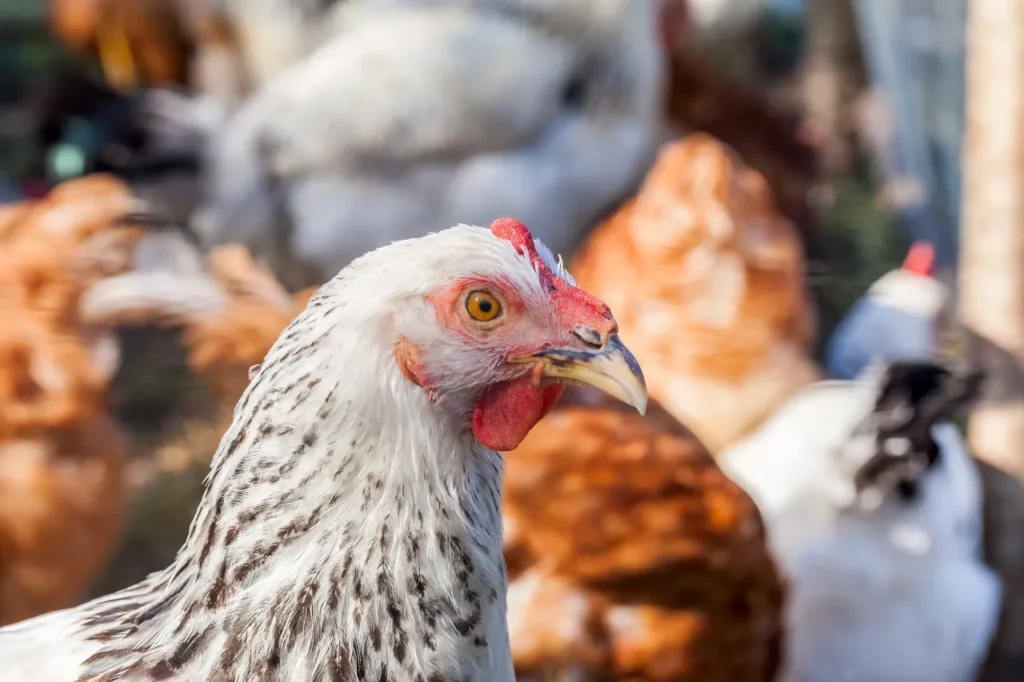
Hey farm gals, it’s Kara from Lange Girl Farms here in Southeast Michigan.
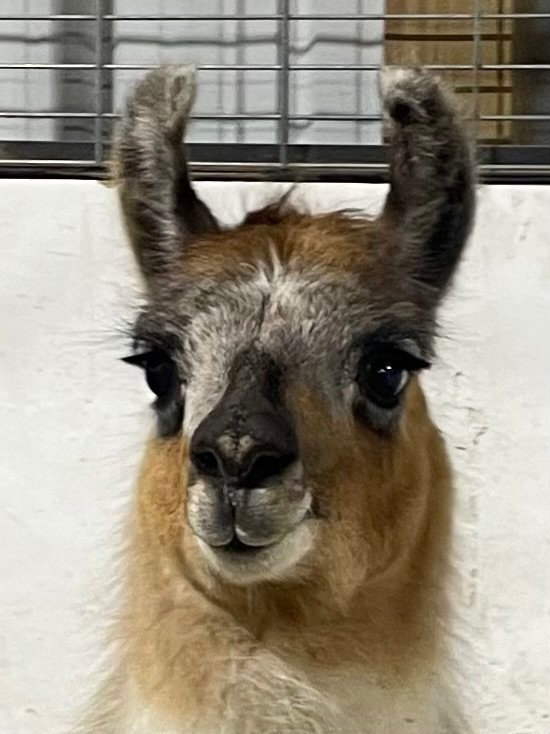
This morning while I was out with the horses and thinking about finding another guard llama like our sweet Lakota, I kept coming back to the conversation we started in Part 1. As a Colorado native, these public lands issues hit especially close to home for me. I grew up seeing the vast open spaces, the ranching culture, the beauty of the high desert and mountains, and also the tensions playing out on the ground. What happens on BLM lands in Colorado and across the West isn’t abstract policy — it shaped the landscapes I knew as a kid and still affects the kind of regenerative homesteading many of us are trying to build today.
So many of us are working hard on our own places with guard animals that work with nature, rotational grazing that builds soil, secure coops and runs so our chickens stay safe, and accepting that occasional losses to foxes and hawks happen only when we free-range. Yet out on our public lands, a set of laws written nearly a century ago keeps steering things in the opposite direction.
In Part 1 we looked at the big picture: subsidized grazing, concentrated benefits for big operators, M-44 cyanide bombs, and the squeeze on wild horses and bison. Today we’re going deeper into the actual laws that created and locked in this system. These aren’t dry history lessons—they directly affect the taxes we pay, the wildlife we share the land with, the food on our tables, and the future of regenerative farming in places like my home state of Colorado.
Let’s walk through it together, step by step, the way I’ve been piecing it together on quiet evenings after chores.
The Dust Bowl Roots: Taylor Grazing Act of 1934
To understand today’s public lands grazing, we have to go back to the 1930s.
The Dust Bowl devastated the West, including large parts of Colorado. Overgrazing, drought, and poor land management turned rangeland into blowing dirt. Ranchers themselves asked the federal government for help. In 1934, Congress passed the Taylor Grazing Act, named after Congressman Edward Taylor of Colorado.
The law did several key things:
• Created grazing districts on unreserved public lands (the areas that became BLM land).
• Set up a system of permits so ranchers could legally graze livestock instead of everyone just turning animals loose.
• Established “preference” for existing ranchers who had been using the land.
• Tied permits to “base property” — private land you own or control with water and forage to support the herd when they’re not on public land.
The goal was stabilization: prevent overgrazing, help the livestock industry recover, and give ranchers some security. At the time it made sense for a struggling region. But it baked in livestock production as the priority use. Permits became almost like property rights that transfer with the base property. Banks treat them as collateral. This created enormous stability for established operators… and made it very hard to shift to other uses later.
Growing up in Colorado, I saw both sides of this — hardworking ranching families who depended on those permits, and also the wild spaces that felt like they belonged to everyone. The law was written for a different era, and we’re still living with its priorities today.
FLPMA 1976: “Multiple Use” on Paper, Livestock in Practice
By the 1970s, environmental awareness was rising. Congress passed the Federal Land Policy and Management Act (FLPMA) in 1976 — BLM’s “organic act.”
FLPMA changed the official mandate to multiple use and sustained yield. Grazing, recreation, wildlife habitat, watershed protection, and minerals were all supposed to be balanced. It required land use plans, environmental reviews, and 10-year permit renewals.
In practice, the old Taylor Grazing Act preferences and livestock culture were already deeply entrenched — especially in Colorado and other Western states. Grazing permits continued with strong legal protections. Environmental groups have sued for more balance, but ranching interests have successfully defended the status quo through lobbying and the courts.
FLPMA gave BLM tools for enforcement (like reducing stocking rates when land health suffers), but those tools are used cautiously. Many allotments still run on old plans. Monitoring is inconsistent. When assessments show degradation on tens of millions of acres, real change happens slowly.
The Fee Formula That Never Updated: PRIA 1978 and Reagan’s EO
The money side is where it gets especially sticky.
In 1978 Congress passed the Public Rangelands Improvement Act (PRIA). It created a formula for grazing fees based on private land rates, beef prices, and production costs.
Then in 1986, President Reagan issued Executive Order 12548, which added a $1.35 per AUM floor and capped annual increases at 25%. That formula, with minor tweaks, is still what we use today.
Result in 2026: $1.69 per AUM.
Compare that to private Western pasture rates of $16–$25+ per AUM. The discount is massive. Taxpayers cover the gap through BLM administration, Wildlife Services predator control, drought aid, and infrastructure.
This low-fee structure, combined with the Taylor Act’s preference system, is what makes public lands grazing such a valuable subsidized input — especially for larger operators.
How These Laws Create Today’s Reality in Colorado and Beyond
These three pillars (Taylor 1934, FLPMA 1976, PRIA/Reagan formula) work together to:
• Give existing ranchers strong legal rights.
• Keep fees artificially low.
• Maintain livestock as the dominant use even under “multiple use” language.
• Make shifts to conservation, wild horses, or recreation an uphill battle.
This is why bison conservation herds lose permits. Why wild horse numbers are strictly capped while cattle stocking is negotiated around economics. Why M-44s remain part of the toolkit.
As a Colorado native, I feel this tension deeply. The same landscapes I loved growing up are still caught between tradition, economics, and the regenerative future many of us want to see.
What This Means for Regenerative Homesteaders
The current legal framework makes it harder for smaller, regenerative operations to thrive on public lands. It favors scale and tradition over innovation like expanded guard animal programs, adaptive rotational grazing, or reduced stocking for soil health.
But the laws aren’t unchangeable. FLPMA allows land use plan updates. Congress could reform the fee formula. Executive actions shift priorities. Courts can enforce reviews. And more ranchers are already adopting regenerative practices within the system.
On our own homestead, we live by different rules: investing in guard animals like Lakota, huskies that create natural deterrence, secure fencing, and learning from occasional free-ranging losses to foxes and hawks. We manage risk ourselves. That self-reliant, regenerative model is what I wish we saw more of on public lands.
What’s Coming Next
In upcoming posts we’ll cover:
• The full picture of who holds the biggest permits (names, numbers, savings)
• Deep dive on M-44s, Wildlife Services, and proven guard animal success
• Wild horses, bison, and the wildlife conflicts
• Connections to packer concentration and your grocery bill
• Practical steps we can all take
I’d love to hear from you ladies — especially those of you in Colorado or other Western states. How have these laws shown up in your life or your area? Do you run guard animals and see the same tensions? Drop your thoughts below — I read every comment.
With love and dirt under my nails,
Kara
Lange Girl Farms