Hey farm gals, it’s Kara from Lange Girl Farms!
We’ve now completed the full Atrazine Exposed series: the Midwest wake-up call and heavy corn usage, the photosynthesis-inhibiting science, the hormone-disrupting toll on humans, livestock, wildlife, and waterways, the residues that end up in our food, the corporate money trail and regulatory battles, and the 1950s roots that show the same profit-over-people pattern we’ve seen with glyphosate and paraquat.
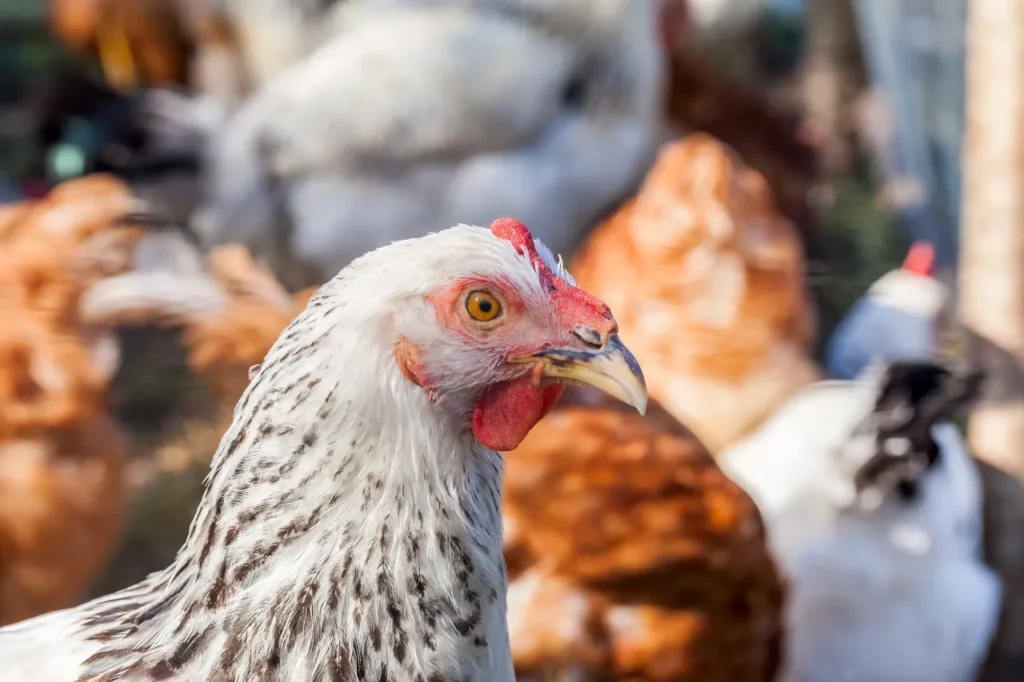
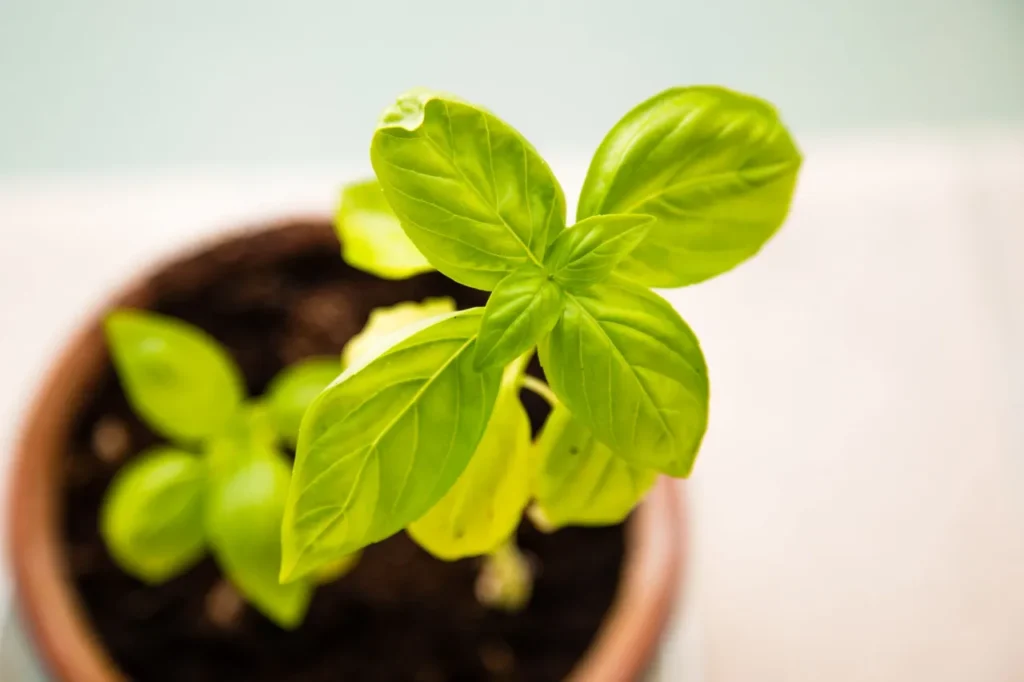
This morning I was out hand-weeding the herb garden beds and torching a few stubborn early patches along the fence line. My pregnant mini mare got her usual gentle care—calm routines and the cleanest forage we can provide, with no risk of drift or hidden residues affecting her or her growing foal. The Siberian huskies were zooming safely in their own area, the llamas and alpacas kept their watchful guard, and the chickens and ducks foraged happily in their secure run. These simple, toxin-free moments make all the extra effort worthwhile. The soil feels alive underfoot, our animals stay strong and healthy, and we have real peace of mind knowing we’re not bringing any of these chemicals onto the land.
In this final part, I’m sharing exactly what we do instead on our Southeast Michigan homestead. These aren’t theoretical ideas—they’re the practical, tested methods we use every single day to manage weeds and maintain healthy land without atrazine or any other synthetic herbicides. No pre-emergence chemicals, no residual soil activity, no hormone-disrupting runoff.
1. Prevention First: Build Soil Health and Dense Plantings
The best defense is a vigorous, biologically active system that naturally crowds out weeds.
• Cover crops and rotations: We plant diverse mixes (clover, rye, buckwheat, daikon radish, oats) in fall or between main crops. They suppress weeds by shading the soil, competing for resources, and releasing natural allelochemicals. In spring we roll or mow them and plant directly into the residue—no-till without chemicals.
• Dense planting and mulching: In garden beds and around young plants we plant closely and immediately cover bare soil with 3–4 inches of organic mulch (straw, wood chips, chopped leaves, or compost). This blocks light and prevents weed germination while feeding soil life.
• Companion planting and diversity: We interplant herbs, flowers, and beneficial plants that support predatory insects and further discourage unwanted growth.
Healthy soil with strong microbial and fungal networks makes crops and pasture more competitive and reduces the weed seed bank over time.
2. Mechanical and Thermal Methods We Rely On Daily
When weeds appear, we act directly and mechanically.
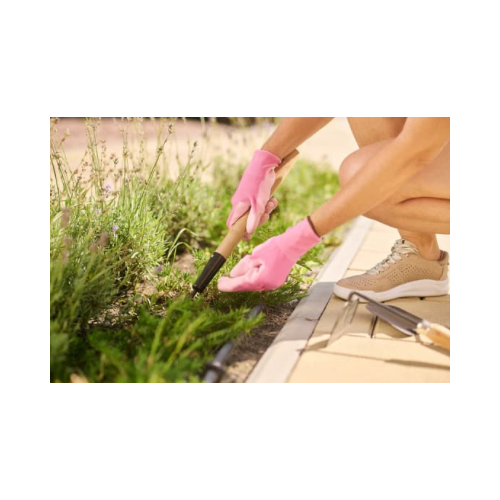
• Hand-weeding: Our primary tool for garden beds, around young plants, and high-value areas. We do it early while weeds are small. It’s honest work that lets us really observe what’s happening in the soil.
• Torch weeding (flame weeding): We use a propane torch wand for pathways, fence lines, and open areas. A quick pass singes the tops, disrupting cell structure so the weeds wilt and die. It’s especially effective on young annual weeds and works well in our Michigan springs. We’re careful around dry grass or near animals—safety first. This method kills surface growth without disturbing soil structure or leaving any residues.
• Hoeing and cultivating: Sharp stirrup hoes or wheel hoes slice weeds just below the surface on larger plots. We do this on sunny days so cut weeds dry out quickly and don’t re-root.
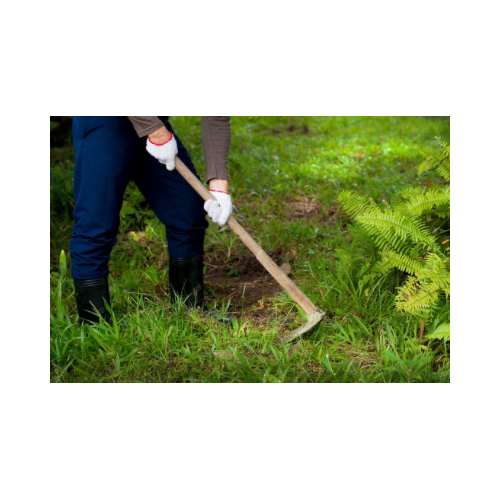
These tools give immediate control without harming the microbial life we’ve spent years building.
3. Livestock Integration – Let the Animals Help Manage Vegetation
Our herd and flock are active participants in weed control.
• Llamas and alpacas as browsers: They naturally eat many broadleaf weeds and brush while leaving grasses. We rotate them through pastures to keep vegetation in check and add natural fertilizer as they go.
• Chickens and ducks in controlled areas: Using mobile coops or temporary fencing, they scratch the soil surface, eat weed seeds, and control insects. Ducks are especially good at slugs and other pests common in our wet Michigan springs. They stay safely in their secure run when not supervised.
• Mini horses in short rotations: They graze evenly and help maintain pasture health. We’re extra mindful with our pregnant mini mare—short, rested paddocks only on clean forage.
Managed grazing improves soil organic matter, enhances water infiltration, and naturally reduces the weed seed bank without any chemicals.
4. Natural Spot Treatments (Used Sparingly and Carefully)
We keep these as targeted backups, never as blanket applications.
• Horticultural vinegar mix: 20–30% acetic acid vinegar with a little castile soap as a surfactant. Sprayed directly on weed foliage on sunny days. It burns tops quickly but doesn’t translocate like systemic herbicides, so repeat applications may be needed for perennials. We shield desirable plants and never let it run off toward animal areas or the pond.
• Boiling water: Perfect for cracks in paths or driveways—pour directly on weeds.
• Corn gluten meal: Applied as a pre-emergent in spring—it inhibits root development in germinating weed seeds while feeding the soil as it breaks down.
We always test small areas first and prioritize mechanical methods.
5. Long-Term Regenerative Practices That Reduce Pressure
• Compost and compost tea: We brew aerated compost tea to boost beneficial microbes that outcompete weeds and support strong plant immunity.
• Mycorrhizal inoculants and soil biology: Enhancing fungal networks helps crops access nutrients better, making them more competitive against weeds.
• Observation and timing: We walk the land regularly and act early—especially important in Michigan’s short growing season and freeze-thaw cycles.
Michigan-Specific Tips for Our Climate and Soils
Our heavy clay-loam holds moisture and can compact, sometimes favoring certain weeds. We focus on:
• Building organic matter to improve drainage and structure (broadforking in heavy areas helps).
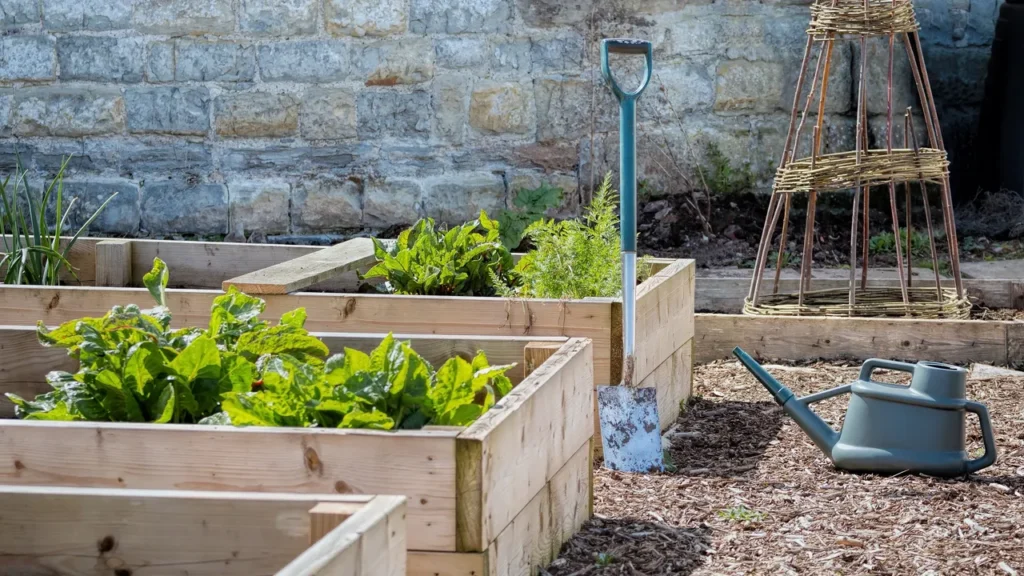
• Using raised beds for vegetables where needed.
• Planting winter cover crops to prevent erosion and nutrient loss during winter.
• Adding windbreaks and hedgerows to reduce drift from neighboring conventional corn fields.
These practices make our system more resilient to our variable weather and reduce the need for any intervention.
Economic Reality: Why This Saves Money and Builds Resilience Long-Term
Yes, hand-weeding and torching take time and effort. But we’ve dramatically cut input costs—no herbicide purchases, healthier animals with fewer vet issues, and soil that improves instead of degrading. Our pregnant mini mare and the rest of the herd stay strong on home-raised forage. Many of you tell me the same once you make the switch: the upfront work pays off in health, independence, and peace of mind.
This Is How We Reclaim Our Land
We’ve exposed glyphosate, paraquat, and now atrazine—the science, the damage, the corporate trail, the residues, and the history. The conclusion is clear: we don’t have to accept the next toxic chemical pushed by big ag. At Lange Girl Farms we’ve proven that hand-weeding, torch burning, mulching, cover crops, and smart animal integration work. Our soil is healthier every year, our animals (especially the expectant mini mare) thrive, and our food is truly clean.
You can start small. Pick one bed or one pasture section and try these methods this season. Watch how the biology responds. Feel the difference in your hands and your animals’ health.
Thank you for following the Atrazine Exposed series (and the previous ones). Pin them, share them with fellow homestead gals, and keep the conversation going. Comment below: Which method are you most excited to try or already using? Have torch-weeding or mulch success stories? What’s one change you’re making after reading this? I read every single comment and cheer for every woman choosing better for her land and family.
If you want to support a small regenerative farm that walks the talk, visit our shop for wildcrafted salves (soothing for hands after weeding or torch work), herbal teas grown right here without sprays, or non-GMO seeds to start your own clean patch. Every purchase helps us keep doing it the right way.
We’ve exposed the truth. Now we reclaim what’s ours—one thoughtful, natural step at a time.
With love from the pasture,
Kara
Lange Girl Farms