Hey farm gals, it’s Kara from Lange Girl Farms!
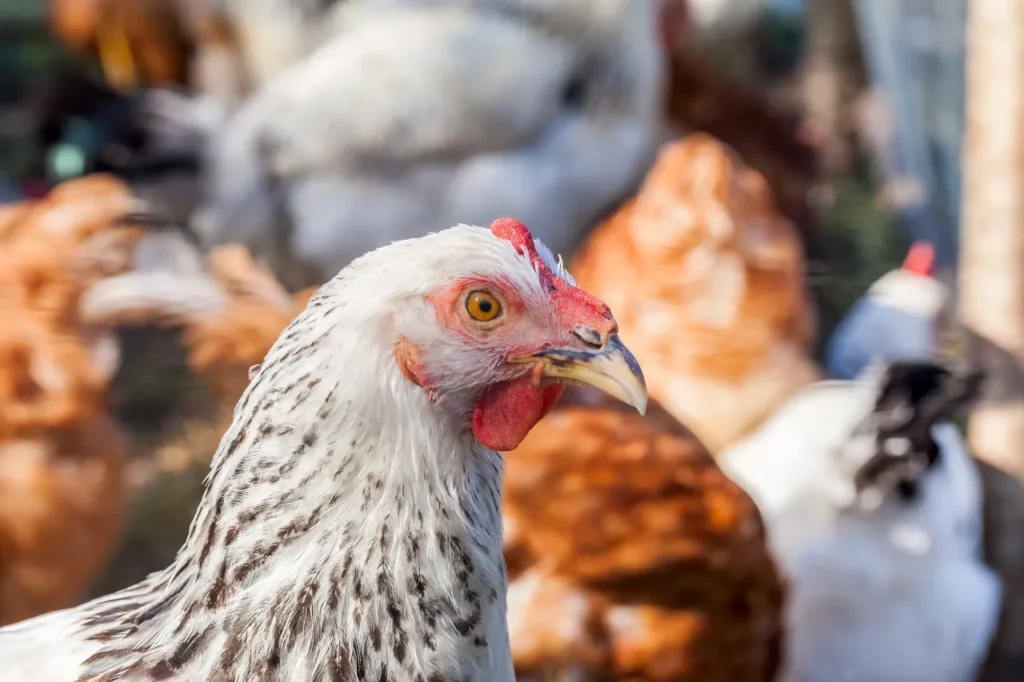
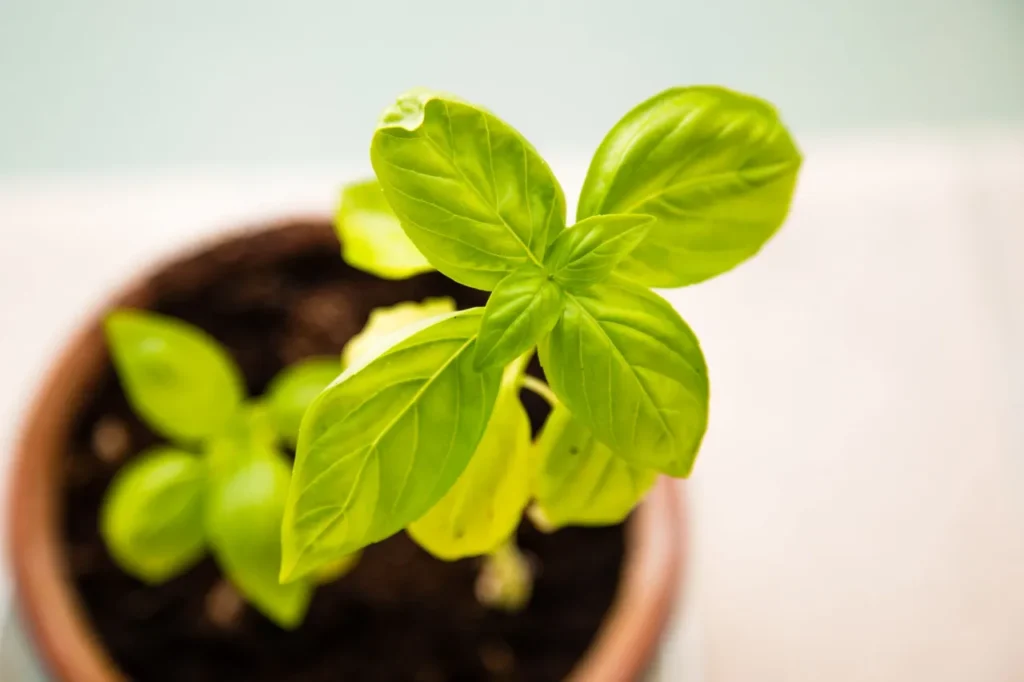
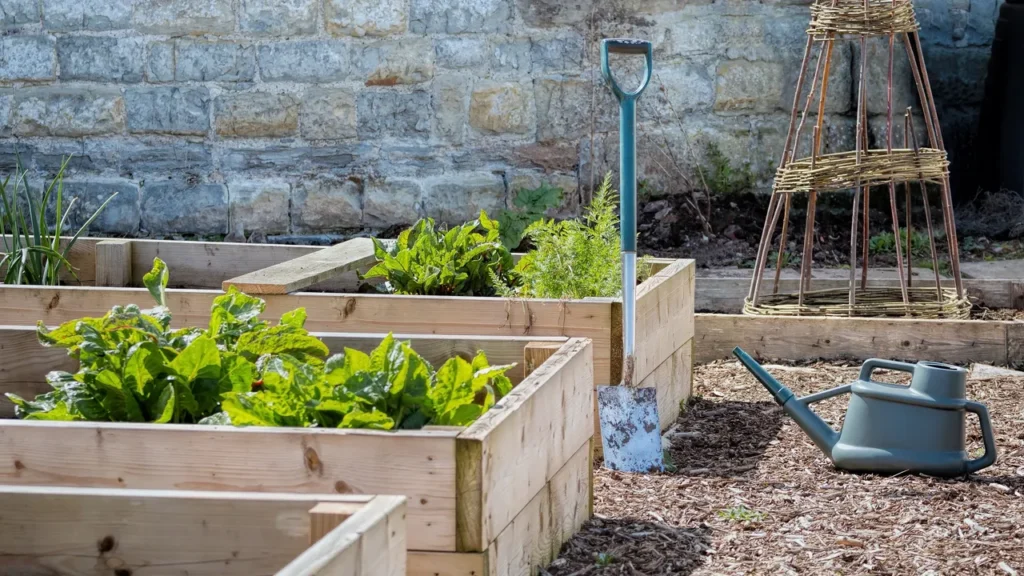
I started the morning checking on the pregnant mini mare, making sure she had calm time on fresh pasture while I hand-weeded near the herbs and torched a couple of early weed patches along the fence. The Siberian huskies were racing around in their own safe space, the llamas and alpacas kept their steady watch, and the chickens and ducks stayed busy in their secure run. These quiet, chemical-free mornings ground me. They’re the reason we keep saying no to every broad-spectrum herbicide that comes along.
We’ve now finished full series on glyphosate, paraquat, atrazine. Next we’re tackling glufosinate (sold as Liberty, Basta, and generics) — another broad-spectrum, non-selective herbicide heavily used on genetically engineered “LibertyLink” crops (corn, soybeans, cotton) where glyphosate resistance has become a problem. It’s often positioned as the “next” go-to tool after glyphosate, but it carries its own serious risks to humans, animals, and the environment.
This series will follow the same deep-dive format: seven parts with the full science, human and livestock impacts, food residues, corporate/regulatory details, history, and — most importantly — the practical holistic methods we use every day so our animals and land stay protected.
In Part 1 we’re starting with the wake-up call: current use in the Midwest, documented health and environmental concerns, and why this hits regenerative homesteads like ours so hard. No sugar-coating — just the facts and why we say no.
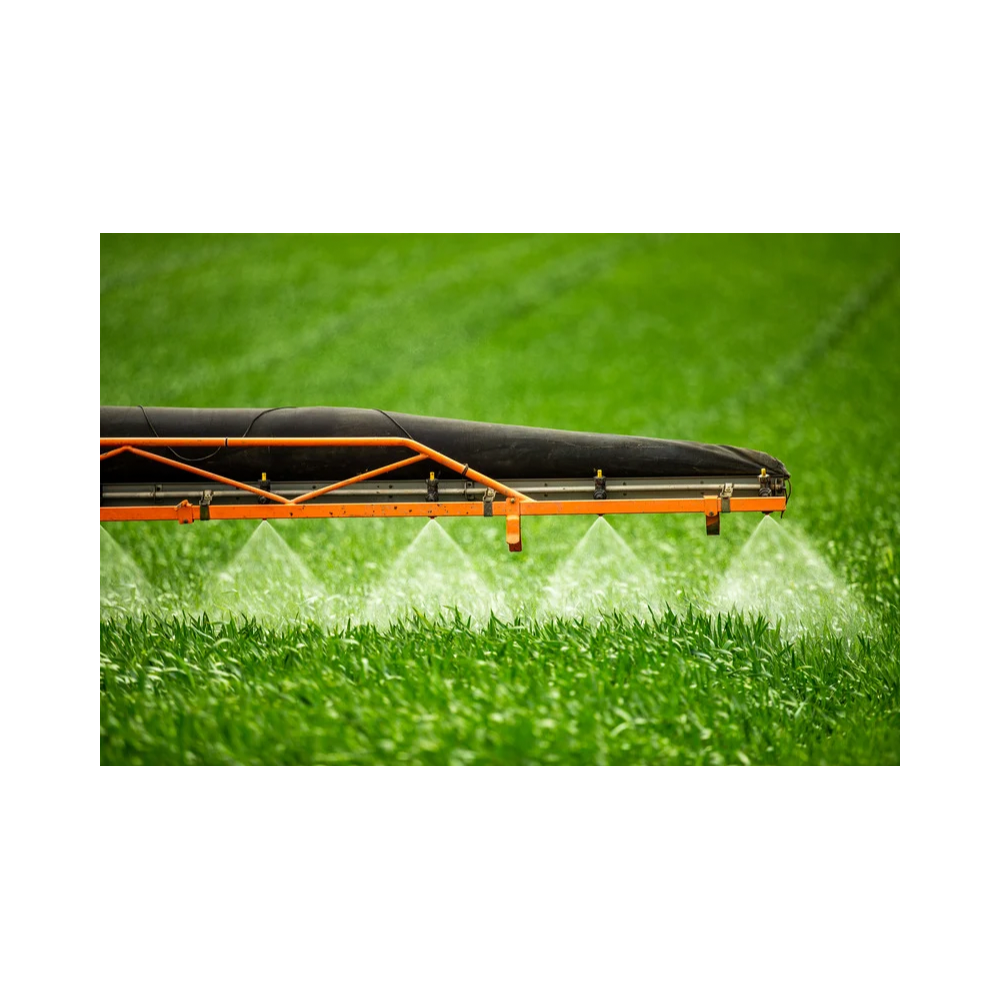
The Current Reality: Heavy Use on LibertyLink Crops
Glufosinate is a contact herbicide used for burndown and in-season weed control on crops engineered to tolerate it. In the Midwest, it’s applied on millions of acres of corn and soybeans where farmers are dealing with glyphosate-resistant weeds. Usage has increased significantly as resistance problems grow, often in tank mixes or as a follow-up to glyphosate.
It’s marketed as a “safer” alternative in some contexts, but independent research and regulatory reviews show concerning toxicity profiles, especially with repeated exposure.
Key Health and Environmental Concerns
• Human toxicity: Glufosinate inhibits glutamine synthetase, disrupting ammonia metabolism in plants. In mammals it can cross the blood-brain barrier and cause neurotoxicity, with studies linking exposure to developmental effects, seizures, and reproductive harm.
• Livestock risks: Animal studies show potential for neurological effects and reproductive issues, particularly concerning for pregnant animals.
• Wildlife and aquatic life: Highly toxic to many non-target plants and some aquatic organisms. Runoff and drift can damage wild vegetation and pollinator habitat.
• Resistance and increased use: Like glyphosate before it, heavy reliance is already driving weed resistance, leading to higher application rates and more mixtures.
While not as persistent as atrazine in groundwater, its broad-spectrum nature and increasing use make it another chemical we see drifting or running off from neighboring conventional fields.
Why This Hits Regenerative Homesteads Like Ours
Living in Southeast Michigan near heavy corn and soy belts, drift and runoff are constant worries. We refuse glufosinate entirely because:
• Our pregnant mini mare gets only clean forage — reproductive and neurological risks are too high.
• Our huskies, llamas, alpacas, chickens, and ducks live without the added chemical burden.
• We hand-weed and torch weeds because those methods don’t create the resistance treadmill or off-target damage we’ve seen with these broad-spectrum herbicides.
The pattern is familiar: a new “solution” is introduced, resistance develops, use increases, and regenerative farms are left protecting their boundaries.
Series Roadmap – What’s Coming Next
Part 2: Glufosinate 101 – the chemistry, glutamine synthetase inhibition, and how it differs from glyphosate and the others.
Part 3: The devastating toll on humans (neurotoxicity, developmental effects), livestock (especially pregnant animals), wildlife, and waterways.
Part 4: On our plates – residues in crops, animal products, and the cumulative load.
Part 5: Follow the money – manufacturers (Bayer and generics), lawsuits, and regulatory battles.
Part 6: The roots – discovery, development as a herbicide, and the rise of LibertyLink GE crops.
Part 7: Reclaiming our land – our exact holistic methods (hand-weeding, torch burning, mulch, cover crops, livestock grazing with our mini horses and llamas/alpacas), Michigan-specific tips, and how we manage weeds without broad-spectrum herbicides.
This series is for every homestead gal tired of the next “replacement” herbicide being pushed after the last one fails. We don’t have to accept it.
Pin/save the series and comment below: Have you seen glufosinate use near your property or worried about resistance-driven spraying? What changes are you making to stay fully toxin-free? I read every comment.
If you want to support a farm refusing these chemicals entirely, swing by the shop for our wildcrafted salves (great after hand-weeding or torch work), herbal teas grown right here without sprays, or non-GMO seeds for your own regenerative garden. Every purchase helps us keep protecting our land and animals.
We can protect our farms and our future—one holistic choice at a time.
See you in Part 2, farm gals!
With love from the pasture,
Kara
Lange Girl Farms