Hey farm gals, it’s Kara from Lange Girl Farms!
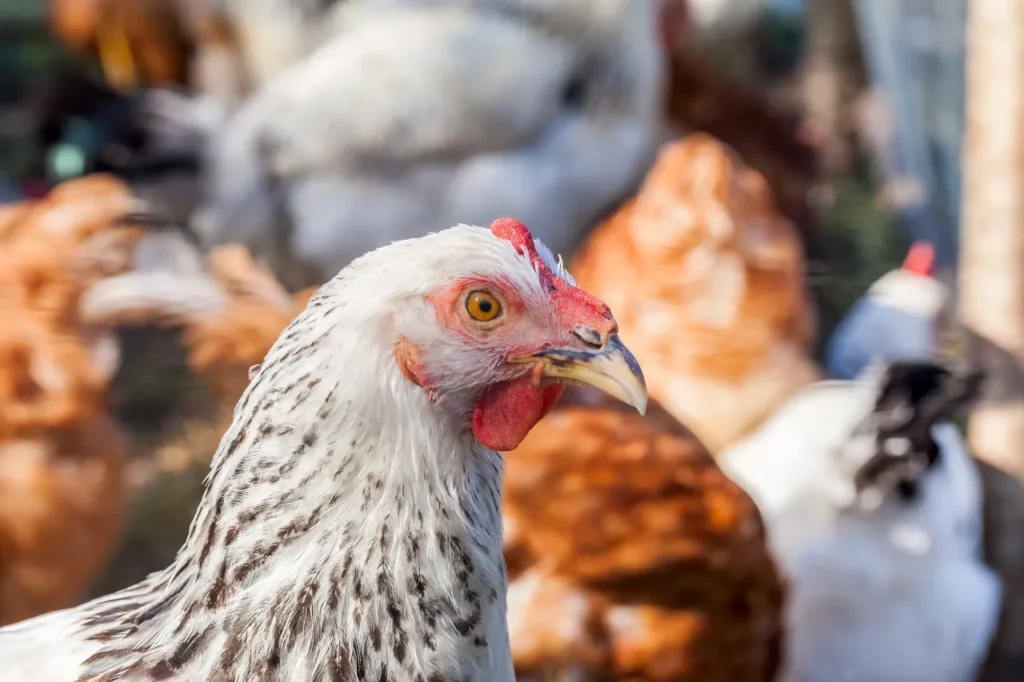
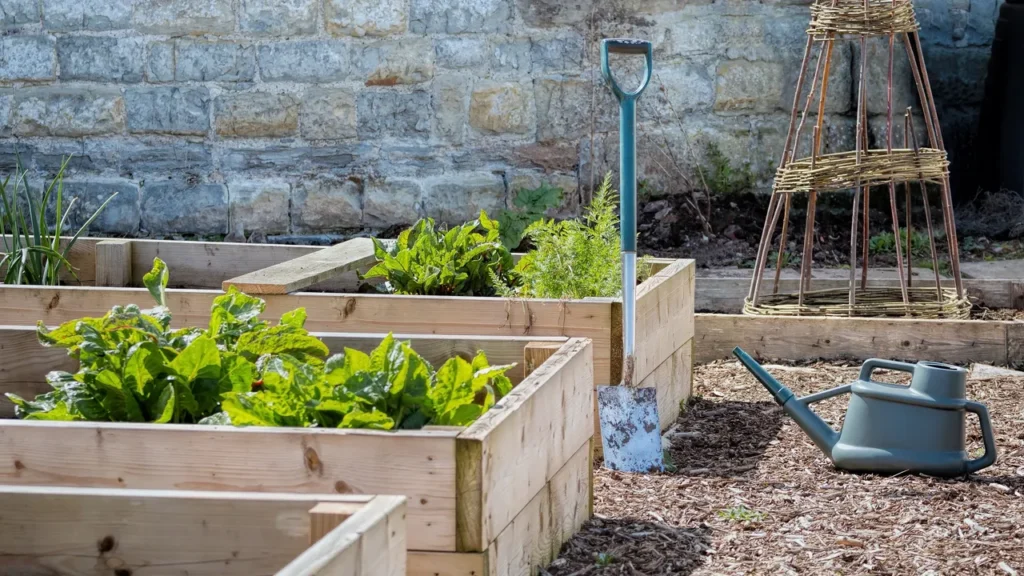
After covering the science and the devastating toll in the first three parts, I took time this morning to hand-weed around the microgreens beds and torch a few persistent weeds before they could go to seed. My pregnant mini mare got her usual gentle care—extra calm routines and the cleanest forage we can provide, with no risk of drift or hidden residues affecting her or her growing foal. The Siberian huskies were zooming safely in their own area, the llamas and alpacas kept their watchful guard, and the chickens and ducks foraged happily in their secure run. These chemical-free moments are why we go the extra mile. We refuse to let paraquat or any burndown/desiccant chemical anywhere near our land or our animals.
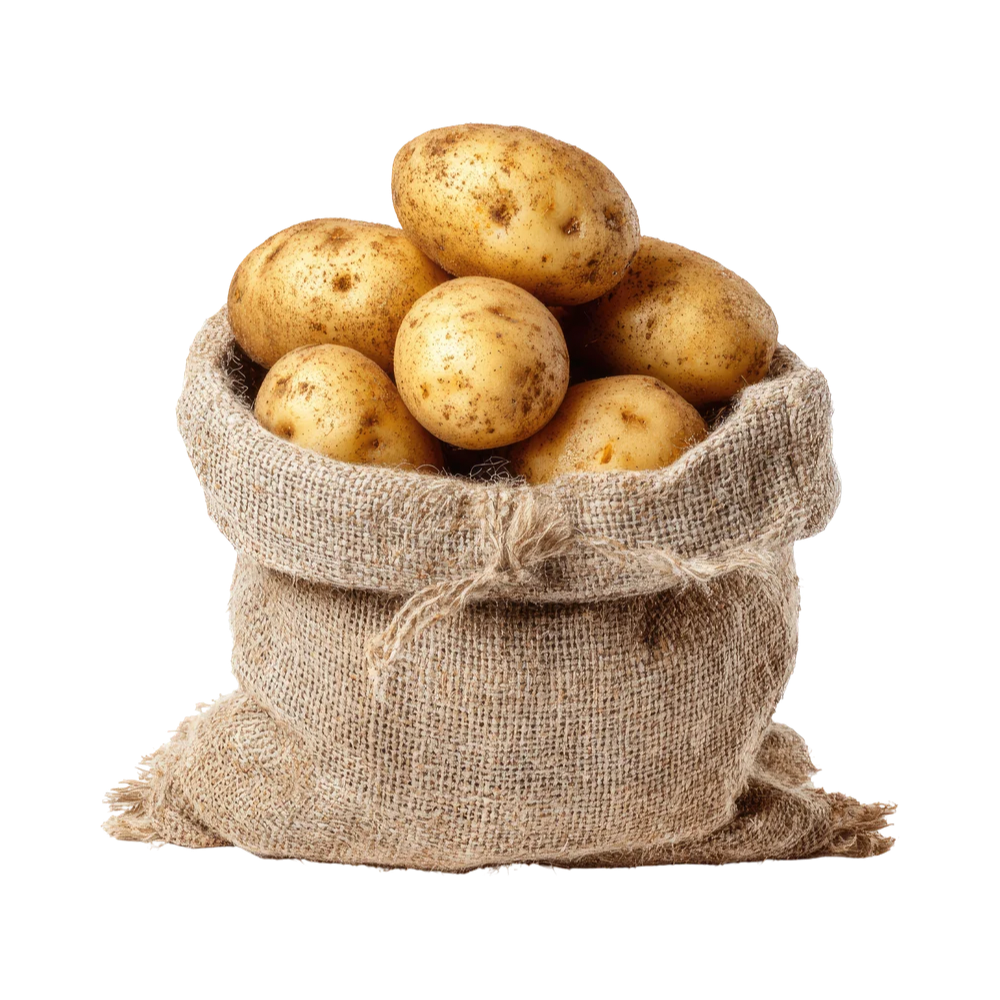
In Part 4 we’re tackling what lands closest to home for most families: the food on our plates. Paraquat is used as a burndown herbicide before planting and as a desiccant/harvest aid on crops like almonds, walnuts, grapes, peanuts, soybeans, cotton, potatoes, and more. It’s a contact killer that doesn’t translocate deeply, but when sprayed close to harvest, residues can remain on or in the crop. Even after washing, traces show up in the food supply—adding to the cumulative pesticide load we’ve already seen with glyphosate.
We’re going full detail with available data on residues, how burndown/desiccant use contributes, the multiplier effect in processed foods, and why this matters for regenerative homesteads trying to feed families cleanly. No sugar-coating—just the facts so you can make informed choices.
Why Paraquat Ends Up in Food: Burndown and Desiccant Use
Paraquat is applied pre-plant to clear weeds or late-season as a desiccant to dry foliage for easier mechanical harvest and shorter field-to-replant intervals. Crops commonly treated include:
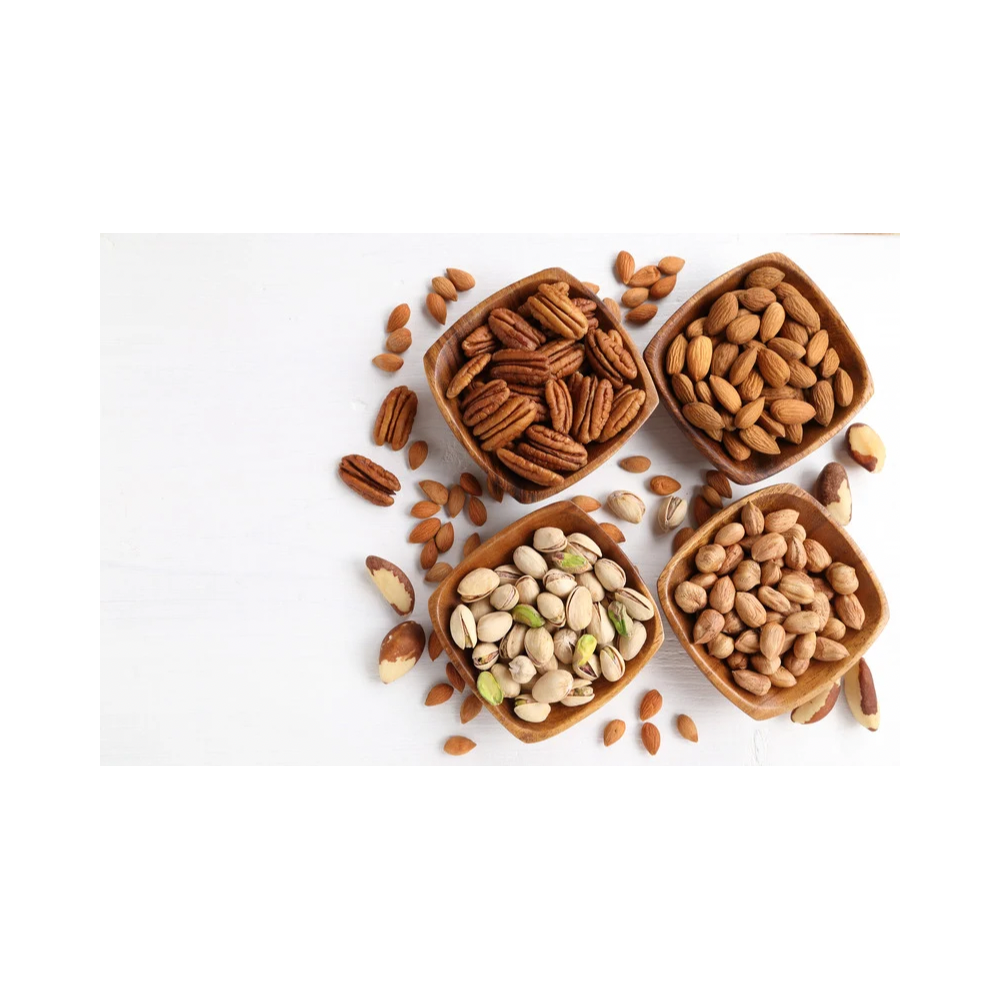
• Tree nuts (almonds, walnuts)
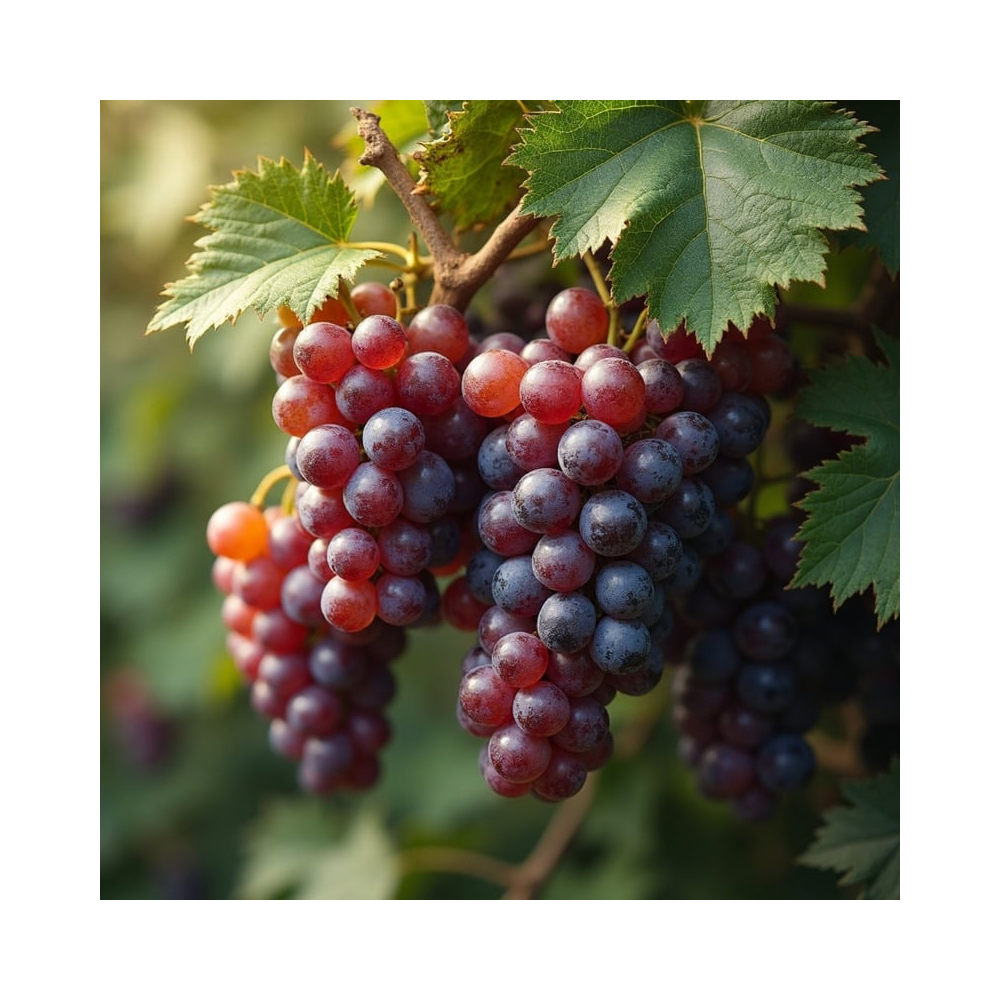
• Grapes (table and wine)
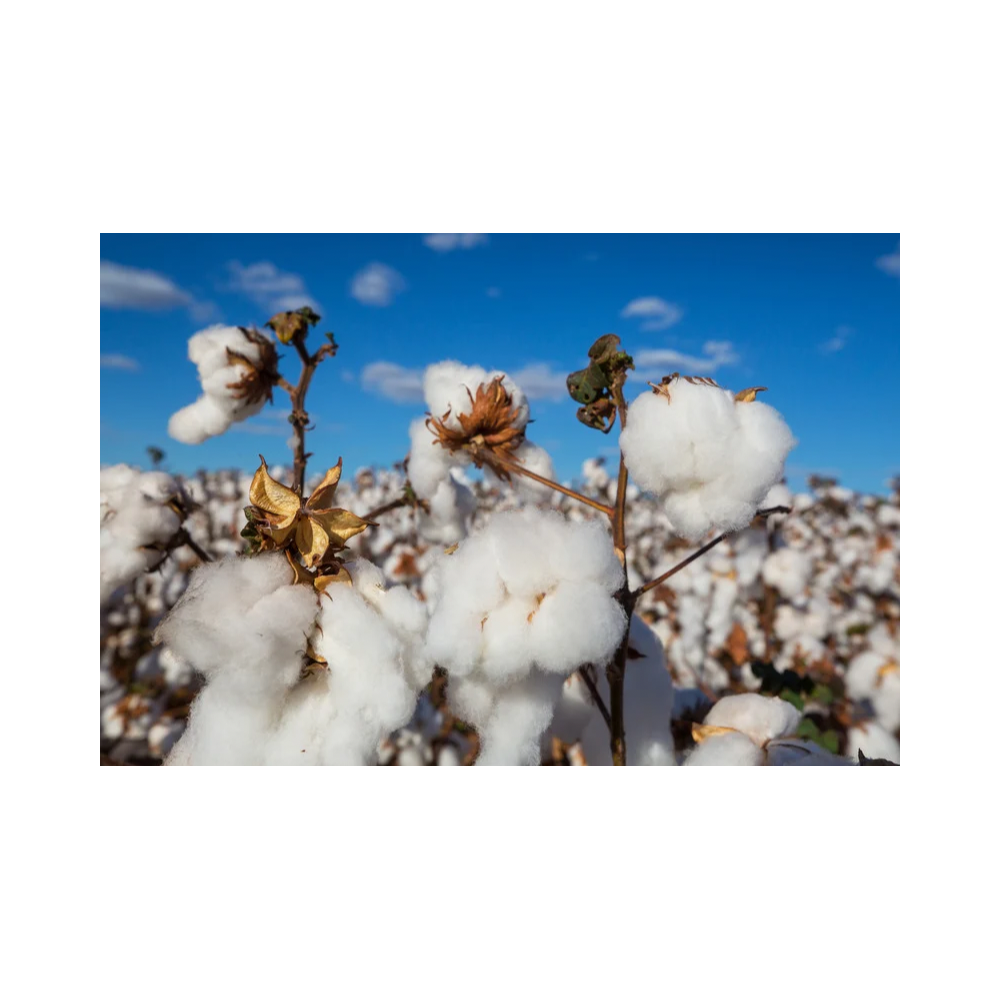
• Peanuts, soybeans, cotton, potatoes, sunflowers, and some grains/vegetables

When used as a desiccant, it’s sprayed directly onto the crop. While pre-harvest intervals (PHI) are required, residues can still remain, especially if applied when the crop isn’t fully mature or if weather delays harvest. Paraquat binds tightly to soil but can leave detectable levels on plant surfaces or in some tissues. USDA Pesticide Data Program (PDP) testing has historically shown low but detectable residues in some commodities, with higher potential in desiccant uses on soybeans, potatoes, and nuts.
EWG’s 2026 Shopper’s Guide to Pesticides in Produce highlights ongoing concerns with multiple residues (including in grapes, strawberries, and leafy greens), though paraquat-specific detections are often below EPA tolerances. However, the cumulative “cocktail” effect of multiple pesticides matters—oxidative stress from paraquat can compound with other chemicals. Independent testing and investigations (like EWG’s work on California use) flag higher exposure risks from crops like almonds and grapes, where heavy applications occur.
Specific Residue Data and the Multiplier Effect
Exact recent ppb numbers for paraquat are less publicized than for glyphosate because it’s restricted-use and not as broadly tested in the same consumer-focused programs. However, available data and patterns show:
• Tree nuts (almonds, walnuts): California is a major user. Heavy applications for weed control and harvest aid can leave traces. Older USDA PDP data showed low-level detections in some nut samples; desiccant use increases the chance of surface residues.
• Grapes: Listed in EWG concerns and used in wine/table grape production. Burndown or desiccant applications near harvest raise residue risks on skins and in processed products.
• Soybeans and other row crops: Desiccant use can result in residues in grain (studies show variable levels depending on timing and maturity at application). Processed soy ingredients end up in many packaged foods.
• Other crops: Potatoes, peanuts, cotton (for feed/oil), and some vegetables see pre-harvest or burndown applications.
The multiplier is real: one meal with bread (from wheat that may have had burndown nearby), a handful of almonds or grapes, and a processed snack can stack low-level exposures. Animal products can carry indirect residues if livestock eat contaminated feed or forage. Even “washed” produce isn’t guaranteed clean—EWG’s 2026 Dirty Dozen includes items like grapes, strawberries, and leafy greens with multiple pesticide residues, underscoring the broader load.
EPA tolerances exist (e.g., 0.05 ppm for many fruits, higher for some forages), but independent health advocates argue they don’t adequately account for chronic low-dose oxidative stress or mixtures. Paraquat’s strong soil binding reduces some leaching, but dust and drift still move it off-site.
Why This Matters on Our Homestead
While our mini horses (especially the pregnant mare), huskies, llamas, alpacas, chickens, and ducks eat from clean pasture and our own gardens, most conventional supermarket food carries traces from these practices. The oxidative damage and neurological risks we covered in Part 3 hit hardest through repeated dietary exposure. That’s exactly why we grow, raise, and preserve as much as possible—and why hand-weeding and torching weeds feels worth every minute. We see the difference: vibrant eggs from the chickens, healthy growth in the ducks, strong bodies in the herd.
The irony hits hard with crops like POM Wonderful pomegranate juice—tied to heavy paraquat use in California while marketed as a “health” product. It shows how residues sneak into even “premium” items.
Series Roadmap – What’s Next
Part 5: Follow the money – Syngenta and other manufacturers, the full MDL lawsuit updates (6,500+ cases), settlements, and regulatory battles.
Part 6: The roots – discovery in the 1960s, corporate history, and why it’s still allowed in the U.S. despite global bans.
Part 7: Reclaiming our land – our exact holistic methods (hand-weeding, torch burning, mulch, cover crops, livestock grazing with our mini horses and llamas/alpacas), Michigan-specific tips, and free printable checklist.
This information is heavy, but it empowers us to make better choices. You don’t have to accept residues in your family’s food. Start small: grow more greens or herbs, source local regenerative nuts/fruits when possible, or switch one staple at a time.
Pin/save the series and comment below: What grocery swaps have you made to reduce pesticide exposure? Have you noticed health or soil changes after going cleaner? I read every comment and cheer for every homestead gal taking steps.
If you want to support a farm doing it the clean way, swing by the shop for our wildcrafted salves (soothing for hands after weeding or torch work), herbal teas grown right here without sprays, or non-GMO seeds to start your own regenerative patch. Every purchase helps us keep protecting our land and animals.
We can reclaim our plates and our health—one thoughtful, holistic choice at a time.
See you in Part 5, farm gals!
With love from the pasture,
Kara
Lange Girl Farms