Hey farm gals, it’s Kara from Lange Girl Farms here in Southeast Michigan.
This morning I was out early with the horses, watching them graze while the sun climbed higher and warmed the barn roof. I caught myself thinking again about Lakota — our big, steady male llama — and how much peace of mind those guard animals bring. The same sun beating down on that barn roof is the exact same energy we’re spending billions to chase across rural fields and public grazing lands. It just doesn’t sit right with me.
In Part 1 we talked about the tension on rural lands and the brilliant idea of crowdsourcing urban solar the Roblox way. Today we’re going deeper into the actual goldmine that’s hiding in plain sight: our rooftops and parking lots. The numbers are staggering, the opportunity is real, and yet we keep ignoring it in favor of covering more open countryside.
Rooftops: The Massive, Underused Resource Right Over Our Heads
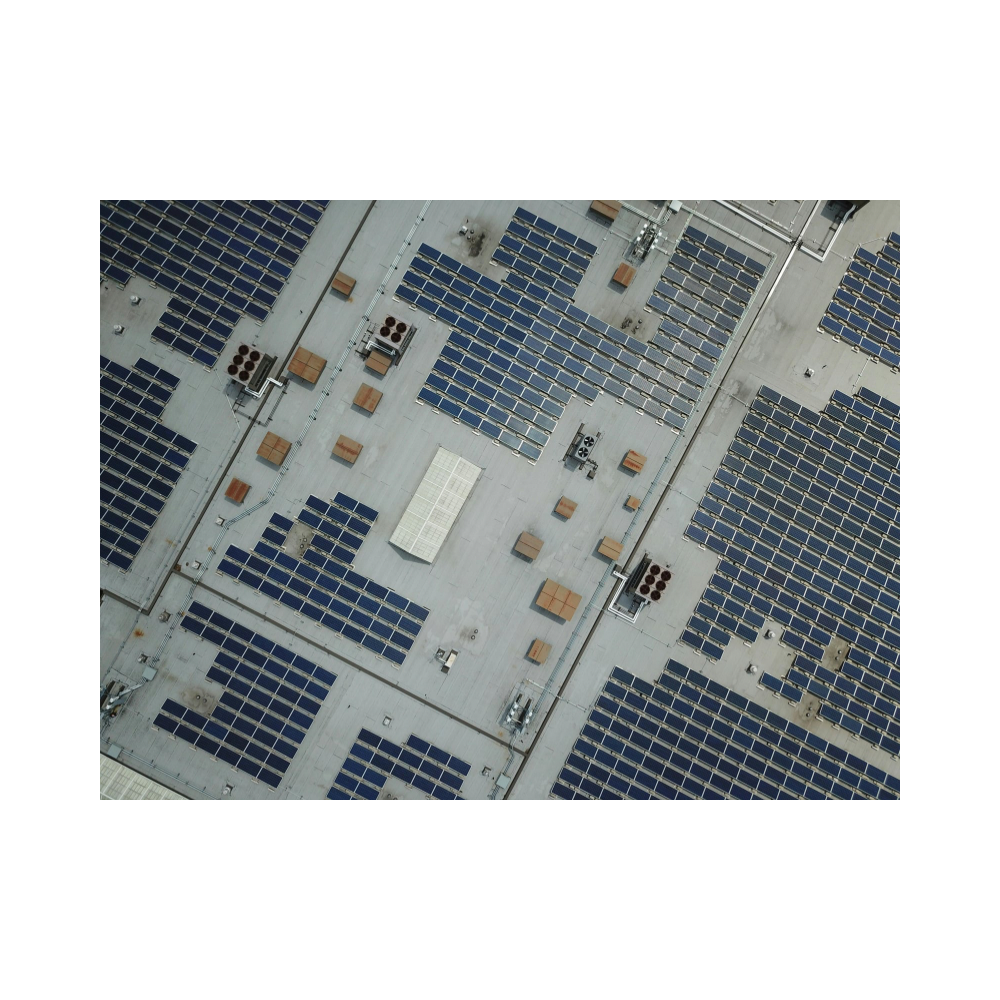
The National Renewable Energy Laboratory (NREL) has done some of the most thorough technical potential studies on this. Their data shows that U.S. rooftops could generate around 1,118 GW of solar capacity and roughly 1,432 TWh of electricity per year — enough to supply about 39% of current U.S. electricity demand.
Think about that for a second. These are roofs that already exist. Residential and small commercial buildings make up the biggest share. Every time a new home is built or an old roof gets replaced, we have another chance to capture that energy without touching a single acre of farmland or BLM grazing land.
Improvements in panel efficiency keep making this more realistic. On our own homestead, even a modest array on the barn could power well pumps, chicken coop lights, or the workspace where I make salves — giving us more resilience without sacrificing rural land.
Parking Lots: The Sleeping Giant We Drive Over Every Day
If rooftops are impressive, parking lots are the sleeping giant most people never think about.
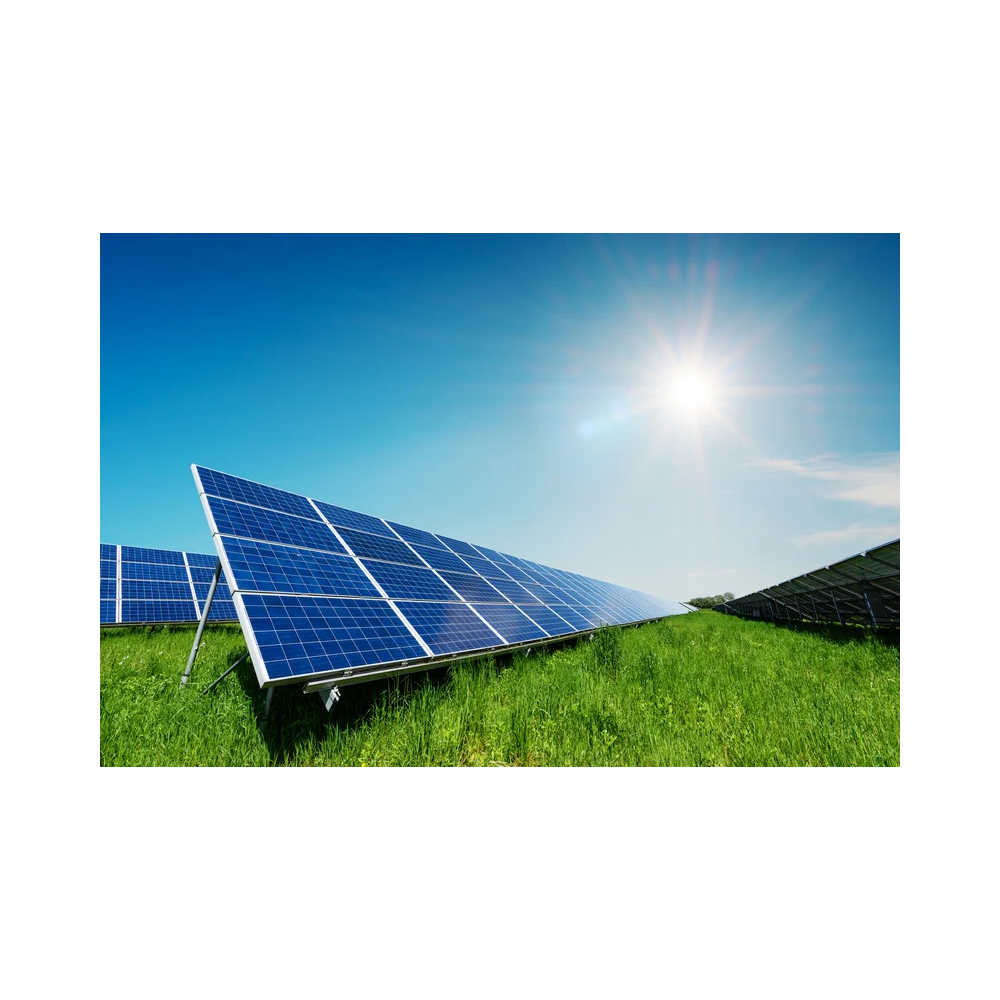
America has roughly two billion parking spaces covering millions of acres of already-paved, sun-drenched surface doing absolutely nothing productive. Solar carports turn that wasted space into dual-purpose infrastructure: clean power plus shade for cars, weather protection, and EV charging stations.
France has mandated solar on large parking lots and is generating significant capacity without touching new rural land. Even partial coverage here in the U.S. could deliver hundreds of gigawatts. Every gigawatt we install on parking lots and rooftops is a gigawatt we don’t have to plaster across working farms or public grazing lands.
Why Are We Still Ignoring This Goldmine?
Utility-scale solar on flat, open rural land is cheaper per watt right now. Developers and utilities chase the easiest returns. Policy and incentives also tilt toward big ground-mounted projects. Net metering varies by state, and many utilities resist distributed generation.
But the real cost is what we’re giving up: productive farmland, grazing allotments, and natural habitat. I’ve seen the posts and the photos — solar fields destroying prime agricultural land, fragmenting wildlife corridors, and creating new problems for the very ecosystems we’re trying to protect. And while some talk about grazing animals under panels (agrivoltaics), I’m not on board with that approach. The concerns around electric EMF fields and the overall impact on animals are real and valid. Once land is already converted, there may be limited options, but the priority must be stopping more farmland and rural destruction in the first place.
This is where a thoughtful, abundance-focused approach could make a huge difference. Elon Musk and Tesla have long pushed for energy abundance through solar, storage, and distributed systems — Solar Roof, Powerwall, virtual power plants. A major push into urban rooftops and parking lots would align beautifully with that vision of making clean energy practical and widespread. At the same time, we have to be careful: any large-scale data collection on homes and businesses carries risks. We’ve seen how personal information can shift ownership and control (as with Ancestry.com now under BlackRock influence), so any platform would need ironclad privacy protections, open-source elements, and user-owned data from the start. Done right, though, this could accelerate Tesla’s own mission without the rural trade-offs.
This Is Regenerative Energy Done Right
Moving more solar into cities and onto already-developed spaces takes direct pressure off the rural lands we’re fighting to protect for guard animals, rotational grazing, healthy soil, and wildlife. It opens breathing room for the regenerative model we practice every day — working with nature instead of paving over more of it.
We don’t have to choose between clean energy and the rural life we love. We can be smart, use what’s already built, and let the countryside breathe.
What’s Coming Next
In Part 3 we’ll dig into the gamification and crowdsourcing blueprint — how a Roblox-style approach could map and unlock these urban resources faster and cheaper than any government program.
I’d love to hear from you ladies. Have you seen solar canopies over parking lots in your town? Do you have a barn or garage roof that gets great sun? Or have you watched big rural solar projects go up near grazing land or farmland in your area?
Drop your experiences and thoughts below — I really do read every single comment. Let’s keep finding ways to live lighter on the land while still taking care of our families and animals.
With love and dirt under my nails,
Kara
Lange Girl Farms