Hey farm gals, it’s Kara from Lange Girl Farms here in Southeast Michigan.
This morning while I was out with the horses and missing our big, gentle guardian Lakota, I kept thinking about how the sun was already warming the barn roof — the same sun we’re wasting on rooftops and parking lots while chasing more rural solar fields. In Part 1 we talked about the tension on rural lands and the big idea of crowdsourcing urban solar the Roblox way. In Part 2 we looked at the massive goldmine hiding in roofs and parking lots and why we keep ignoring it in favor of covering more open countryside.
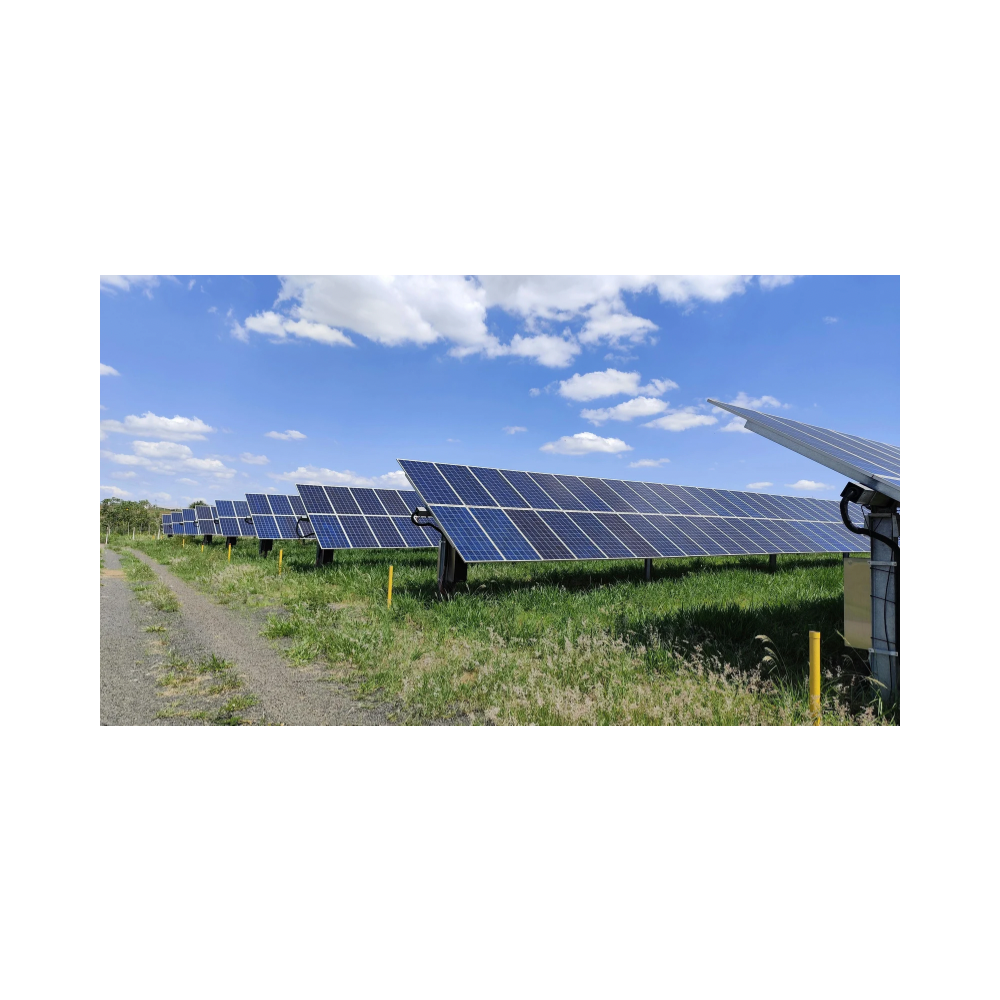
Today we’re getting into the practical heart of it: how a fun, game-style crowdsourcing approach could actually unlock all that urban potential faster and cheaper than anything we’re doing now. This isn’t pie-in-the-sky — pieces of it already exist, and the blueprint is clear. It’s people-powered, low-cost, and perfectly aligned with the regenerative mindset we live every day on our homesteads.
The Roblox Model – Fun + Data = Real-World Impact
Remember how Roblox turned millions of players — kids and adults — into a massive, free geo-mapping army? People build, explore, and contribute data while having a blast. Google spent billions on Street View cars and crews. Crowdsourcing won on speed, cost, and coverage.
We could do the exact same thing for urban solar.
Imagine a dedicated app or Roblox-style experience where everyday people like you and me use our phones to:
• Scan rooftops for sun exposure, shading, roof condition, and orientation.
• Map parking lots — measure spaces, note usage patterns, flag spots perfect for carports.
• Upload clear photos or use simple AR tools for quick measurements and sun-path simulations.
Gamification makes it addictive and rewarding:
• Earn points, badges, and virtual rewards.
• Small tokens or discounts redeemable for farm products, solar install credits, or community solar shares.
• Neighborhood or city leaderboards.
• Educational missions tied to real impact: “Map your local big-box store parking lot and unlock a guard animal care guide.”
The beauty is that it leverages what we already have in our pockets — phones with cameras, GPS, and AR capabilities. No expensive fleets or consultants required.
Existing Wins That Prove This Can Work
We don’t have to start from zero. Pieces of this are already happening:
• Tools like Google Project Sunroof and local GIS platforms use LiDAR and satellite data for rooftop estimates, but they’re static and incomplete.
• OpenStreetMap volunteers and AI image analysis show how crowdsourced photos can be turned into accurate suitability maps.
• AR apps already let users “place” virtual solar arrays on their own roofs and see instant yield projections.
• Cities have run small “Solar Scout” style challenges, and educational games have crowdsourced citizen input on urban planning.
A full platform could combine all of that: crowdsourced uploads + AI verification + automated engineering reports. Matched leads go straight to local installers or community solar projects. Cities could sponsor challenges with real prizes. Schools could turn it into hands-on STEM learning. The data would be fresher, more detailed, and far cheaper than anything government or big developers could produce alone.
Why This Matters for Stopping More Farmland Destruction
This approach keeps the focus exactly where it belongs: on already-developed urban and suburban spaces. No new rural fields, no more pressure on BLM grazing lands or working farms. We stop paving paradise for panels and start using what’s already built. That directly supports the regenerative life we’re fighting for — more room for guard animals like llamas, rotational grazing, healthy soil, and the rural landscapes we love.
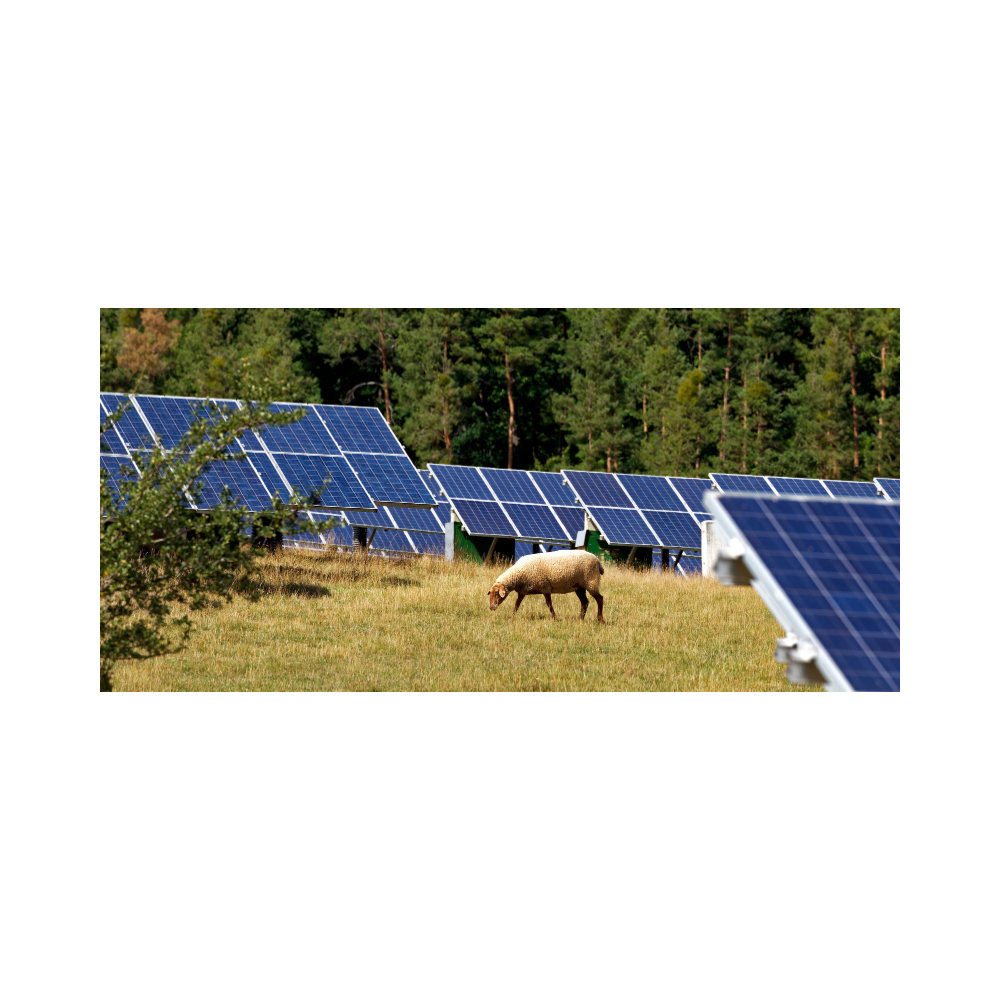
I know some people talk about animals grazing under solar panels (agrivoltaics), but after seeing the concerns around electric EMF fields and the way those installations still lock up productive land, I’m not on board with turning more farmland into dual-use solar sites. We can agree that once a field is already ruined, there may be limited options, but the real solution is to stop destroying more good agricultural and natural land in the first place. Urban crowdsourcing gets us there without the trade-offs.
The Elon Angle — Abundance Mindset Done Right (With Caution)
This idea feels like it could align beautifully with Elon Musk’s long-standing vision for energy abundance. Tesla has pushed Solar Roof, Powerwall, virtual power plants, and the goal of making clean energy practical and widespread for humanity. A major, crowdsourced push into urban rooftops and parking lots would supercharge that mission by unlocking millions of existing structures at almost zero marginal cost — exactly the kind of scalable, abundance-focused innovation that drives so much of his work.
At the same time, we have to be careful. Data from millions of homes and businesses is incredibly powerful. We’ve seen how good intentions around personal information can shift ownership and control (as with Ancestry.com now under BlackRock influence). Any platform built around this would need ironclad privacy protections, open-source transparency where possible, and strong user-owned data controls from day one. Done right, though, this could be a genuine win for clean energy abundance without handing over rural lands or personal data risks.
The Blueprint Is Ready — We Just Need to Build It
A dedicated crowdsourced solar platform could look like this:
1. Simple mobile app with easy photo/AR upload.
2. AI that quickly flags high-potential sites and generates reports.
3. Community verification layer for accuracy.
4. Direct pipeline to local installers, financing, and community solar options.
5. Privacy-first design with user control.
This is regenerative innovation at its best — people-powered, fun, and focused on using what we already have instead of taking more from the countryside.
What’s Coming Next
In Part 4 we’ll tie it all back to the farm: how this urban focus gives more breathing room for guard animals, regenerative grazing, and the public lands we’ve been fighting to protect.
I’d love to hear from you ladies. Have you ever mapped your own roof or noticed empty parking lots that could use solar? Do you see big rural solar projects going up near farmland or grazing land in your area? What would make a crowdsourcing app something you’d actually use?
Drop your thoughts and experiences below — I really do read every single comment. Let’s keep finding ways to live lighter on the land while still taking care of our families and animals.
With love and dirt under my nails,
Kara
Lange Girl Farms