Hey farm gals, it’s Kara from Lange Girl Farms here in Southeast Michigan.
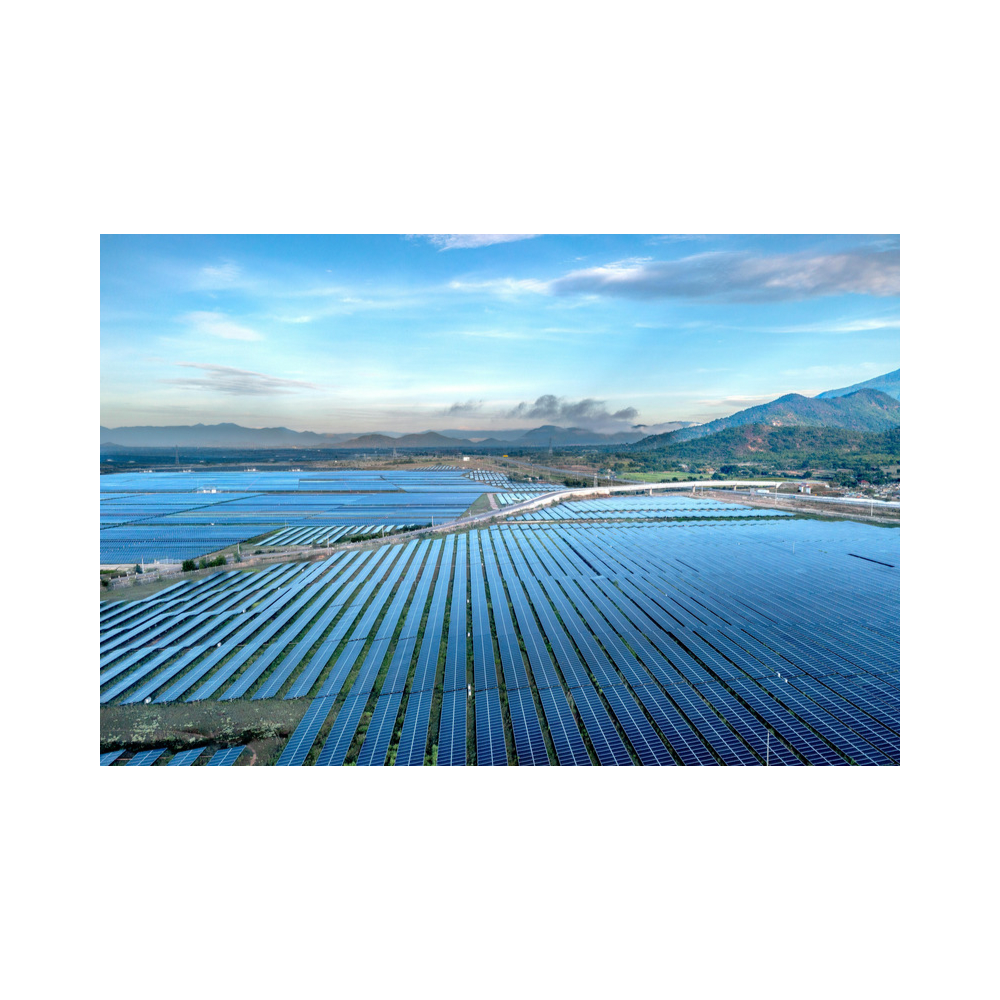
This morning while I was out with the horses and missing our big, gentle guardian Lakota — that protective male llama who watched over everything with such calm strength — I found myself thinking about how the sun was warming the barn roof again. The same sun we’re wasting on rooftops and parking lots while pushing more solar fields across rural land and public grazing allotments.
In Part 1 we talked about the tension on rural lands and the Roblox-style crowdsourcing idea. Part 2 looked at the massive goldmine in roofs and parking lots. Part 3 explored how gamification could actually make it happen. Today we’re tying it all straight back to the farm — to guard animals like Lakota, the public lands we’ve fought to protect in my last series, and why focusing solar in cities gives breathing room for the regenerative life we’re all trying to build.
Urban Solar Frees Rural Lands for What They Do Best
Every gigawatt we install on urban rooftops and parking lots is a gigawatt we don’t have to plaster across working farms, BLM grazing allotments, or sensitive habitat. That’s not just theory — it’s direct relief for the very landscapes we’ve been unpacking: the subsidized grazing systems, big corporate permit holders, wild horse conflicts, and bison being pushed aside.
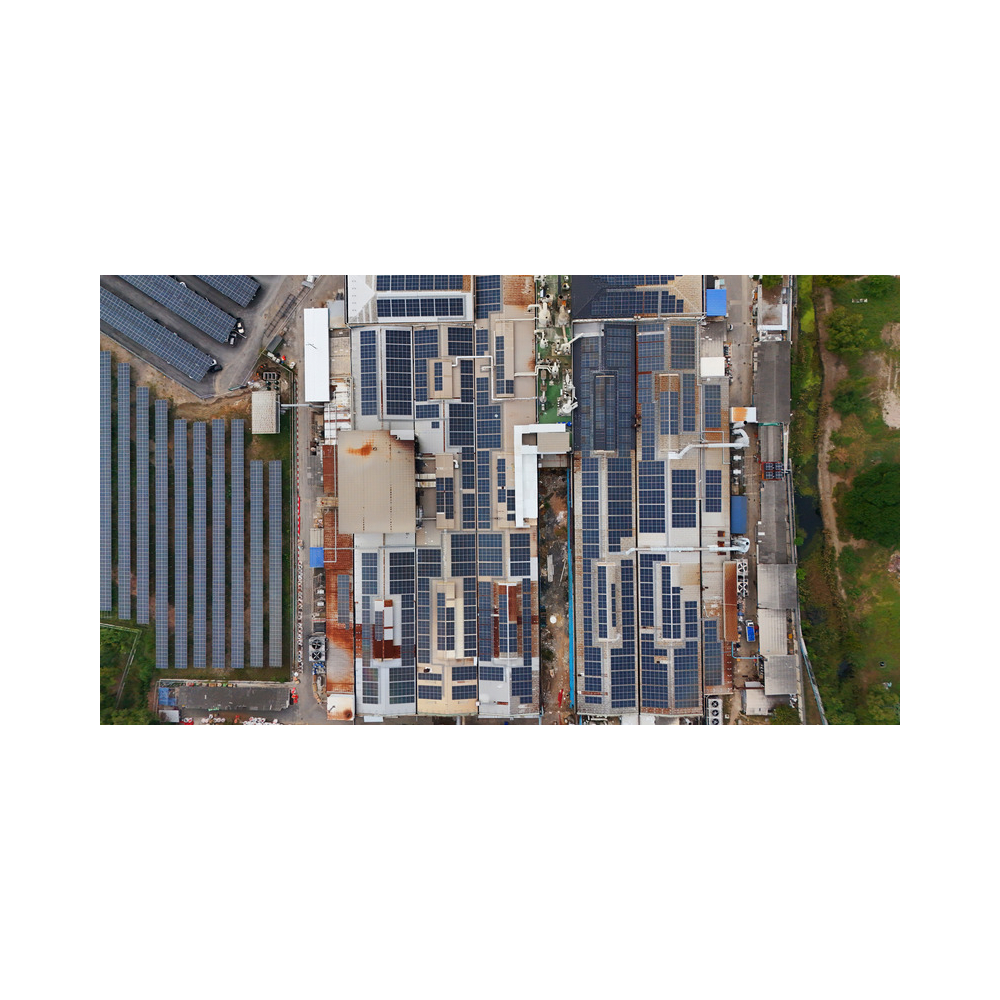
When we stop chasing more rural solar fields, we give those open spaces room to support:
• Thoughtful, regenerative livestock operations
• Guard animals doing their natural work
• Healthy soil through rotational grazing
• Wildlife that belongs on those public lands
This is the regenerative connection that feels like home to me. On our small Michigan homestead we manage risk ourselves — Lakota and the huskies, secure fencing, and learning from occasional real losses to foxes and hawks only when chickens free-range. We don’t get federal predator control or below-market forage. We invest in systems that work with nature. Urban-focused solar lets more land stay available for that same approach at larger scales.
Guard Animals Belong on Working Farms — Not Under Solar Panels
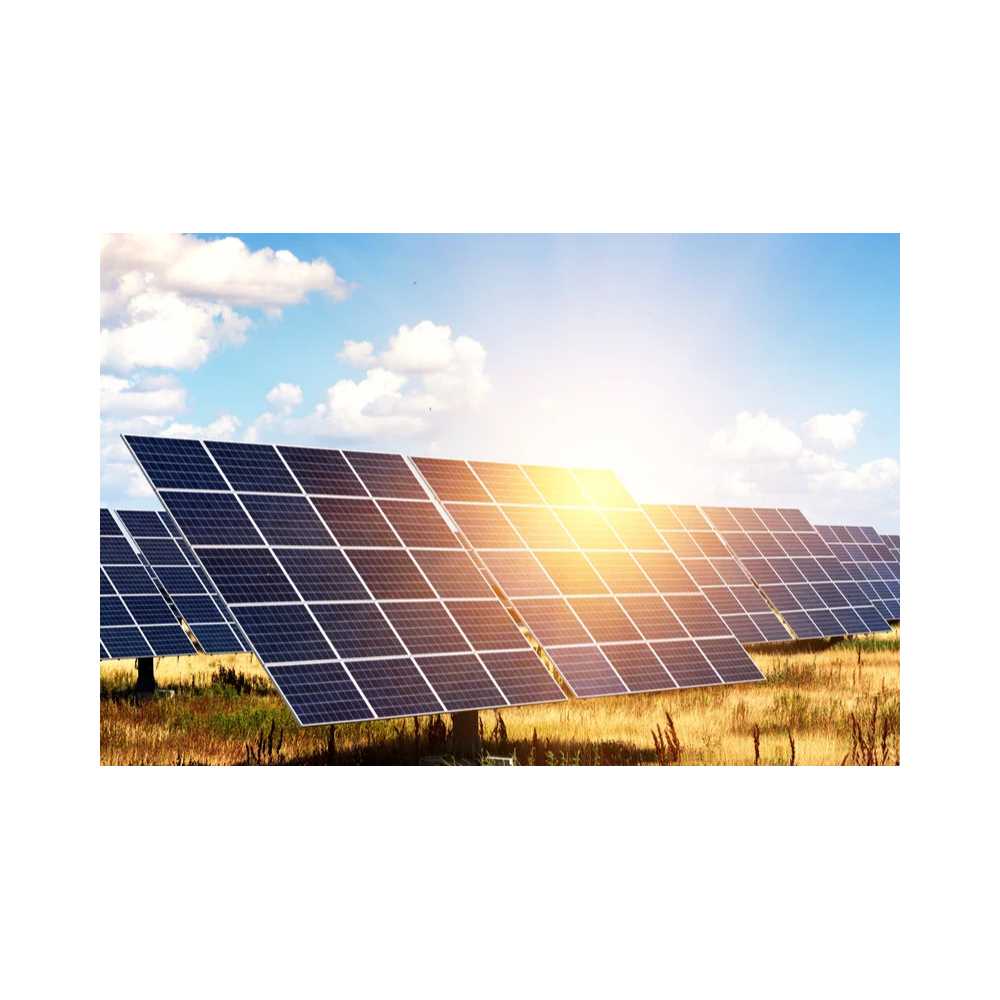
I know some folks talk about agrivoltaics — putting animals under solar panels. After seeing the concerns around electric EMF fields and the way those installations still lock up productive land, I’m not on board with turning more good farmland or grazing areas into dual-use solar sites for livestock. Guard animals like llamas thrive in open, natural conditions where they can do what they were made to do: bond with the herd, alert loudly, and deter predators with their presence.
Lakota proved this to us every single day. He wasn’t stressed by wires or fields full of panels — he was free to watch over our horses and other animals in open pasture. That’s the model that scales best: healthy animals on healthy land, not compromised environments.
We can agree that on already-installed or ruined fields there may be limited options. In those cases, planting pollinator habitats — native wildflowers, grasses, and flowering plants — could help revive and heal the land by supporting native bees, butterflies, birds, and other species. It’s a way to mitigate the new reality of those sites and bring back some biodiversity without trying to force livestock grazing underneath the panels. But the real priority must be stopping more farmland and rural destruction in the first place. Urban crowdsourcing helps us do exactly that.
Public Lands Freedom: More Room for Regeneration
As a Colorado native, I feel this deeply. The public lands we unpacked earlier — those vast Western spaces shaped by the Taylor Grazing Act and concentrated big operators — are under constant pressure. Adding more utility-scale solar only tightens the squeeze on wild horses, bison as soil builders, and ranchers trying to do things right.
Shifting solar heavily into cities and already-developed areas gives those public lands breathing room:
• More flexibility for balanced grazing that builds soil instead of degrading it
• Room for conservation uses like bison herds that actually improve prairie health
• Better coexistence with wildlife instead of defaulting to M-44s and heavy lethal control
• Space for smaller, regenerative operators who want to use guard animals and holistic practices
This isn’t anti-solar or anti-energy. It’s pro-smart solar. Use the built environment first. Let the countryside focus on food, fiber, soil, and wildlife — the things that sustain us long-term.
The Bigger Regenerative Picture
When we prioritize urban solar through crowdsourcing and smart policy, we reduce the false choice between clean energy and healthy rural life. We protect the open spaces where guard llamas like Lakota can thrive, where rotational grazing builds carbon-rich soil, and where public lands can truly serve multiple uses instead of being locked into one dominant model.
This aligns with the holistic life so many of us are building: working with nature, accepting managed risk, and leaving the land better than we found it. Urban solar done right supports that vision instead of undermining it.
What’s Coming Next
In Part 5 we’ll look at why this isn’t happening at scale yet — the economics, policy barriers, and a thoughtful take on the Elon/Tesla angle — plus real action steps we can all take.
I’d love to hear from you ladies. How do you feel about solar on rural land versus focusing on cities and parking lots? Do you run guard animals and worry about more land being taken for energy projects? What changes would you like to see?
Drop your thoughts and experiences below — I really do read every single comment. Let’s keep finding ways to live lighter on the land while still taking care of our families and animals.
With love and dirt under my nails,
Kara
Lange Girl Farms