Hey farm gals, it’s Kara from Lange Girl Farms here in Southeast Michigan.
This morning while I was out with the horses and missing our big, gentle guardian Lakota, I kept staring at the barn roof and asking myself the same question that’s been nagging at me through this series: if focusing solar on rooftops and parking lots makes so much sense for protecting rural land, why isn’t it the main path we’re taking?
We’ve covered the rural pressures, the huge untapped urban potential, and how crowdsourcing could unlock it. Now let’s talk straight about the real barriers holding this back — and what we can actually do instead of just complaining. Because understanding why it’s stalled is the only way we push it forward.
Economics: “Cheap” Rural Solar Wins on Paper, Loses on Reality
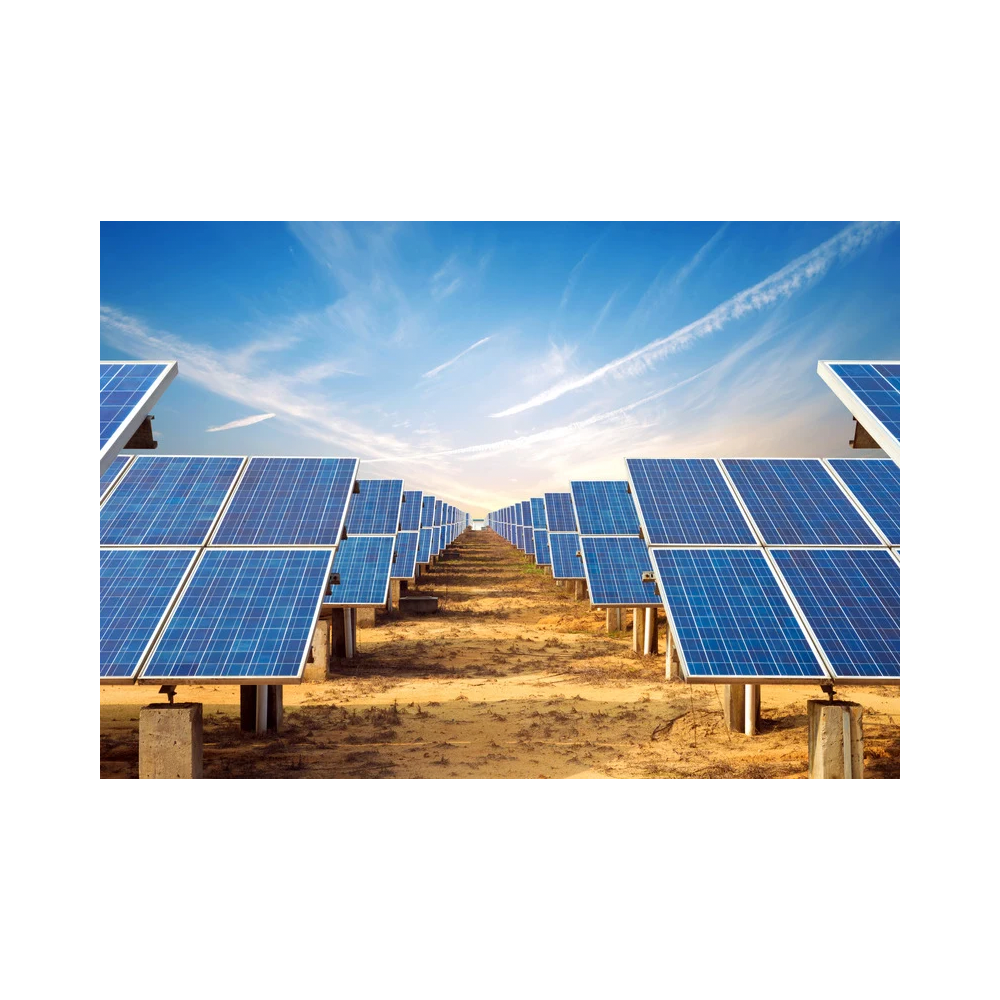
Utility-scale solar on flat open land is still the cheapest option at roughly $1 per watt installed. Rooftop retrofits and especially solar carports cost $3–4+ per watt because of the extra steel, foundations, engineering, and site-specific work. Developers and big utilities go where the numbers look easiest on a spreadsheet.
What those spreadsheets don’t show are the hidden costs: prime farmland taken out of production, more pressure on BLM grazing allotments, fragmented wildlife habitat, and the long-term loss of regenerative potential on those acres. We can agree that on already-installed or ruined solar fields there may be limited options. In those cases, planting pollinator habitats with native wildflowers, grasses, and flowering plants can help support bees, butterflies, birds, and other native species as the land tries to heal. But the real priority has to be stopping more good agricultural and rural land from being destroyed in the first place. Urban-first solar is the smarter, lower-impact route.
Policy and Incentives Keep Tilting Toward Big Rural Projects
Federal tax credits, state renewable mandates, and transmission planning are all set up to favor large ground-mounted arrays. It’s simply easier for a developer to build one giant project than to navigate local permitting for hundreds or thousands of smaller urban installs. Net metering rules — which let you sell excess power back to the grid — are strong in some places and weak or capped in others. Many utilities actively slow-walk distributed solar because it challenges their traditional centralized model.
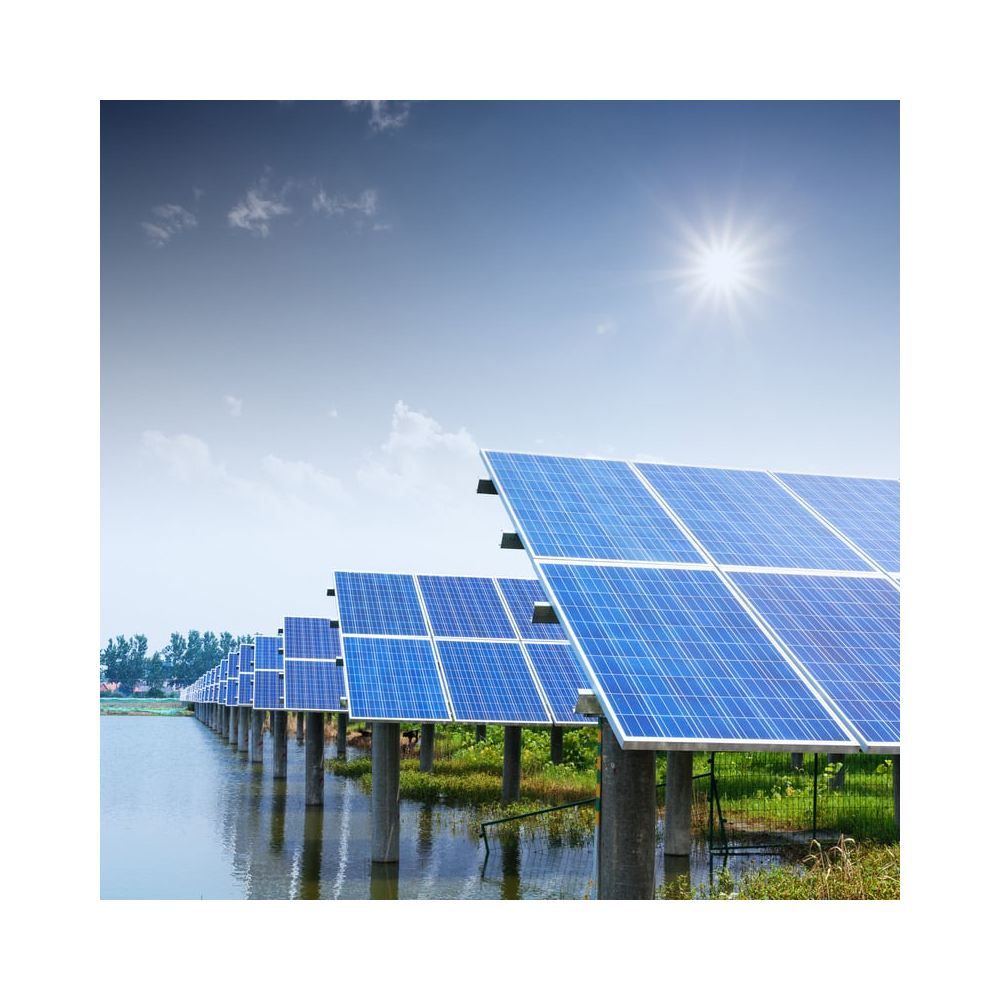
This policy tilt keeps pushing solar onto rural landscapes even when the land-use consequences are obvious and painful.
The Elon/Tesla Angle: A Natural Fit, With Important Caution
This crowdsourced urban approach feels like it could align powerfully with Elon Musk’s vision for energy abundance. Tesla has long pushed Solar Roof, Powerwall, virtual power plants, and the goal of making clean energy practical and widespread for humanity. A serious effort to map and develop millions of existing rooftops and parking lots would supercharge that mission by unlocking built infrastructure at almost zero extra land cost — exactly the kind of scalable, abundance-focused thinking that drives so much of his work.
At the same time, we have to be realistic and careful. Data from millions of homes and businesses is incredibly valuable. We’ve seen how personal information collected for one purpose can shift in ownership and control (as happened with Ring cameras and their partnerships). Any platform doing this at scale would need ironclad privacy protections, open-source elements where possible, and strong user-owned data controls from the beginning. Done right, it could be a real win for clean energy without the rural trade-offs or data risks.
Real Action Steps We Can Take Right Now
We don’t have to wait for perfect national policy. Here’s what we can do today:
On Your Own Place
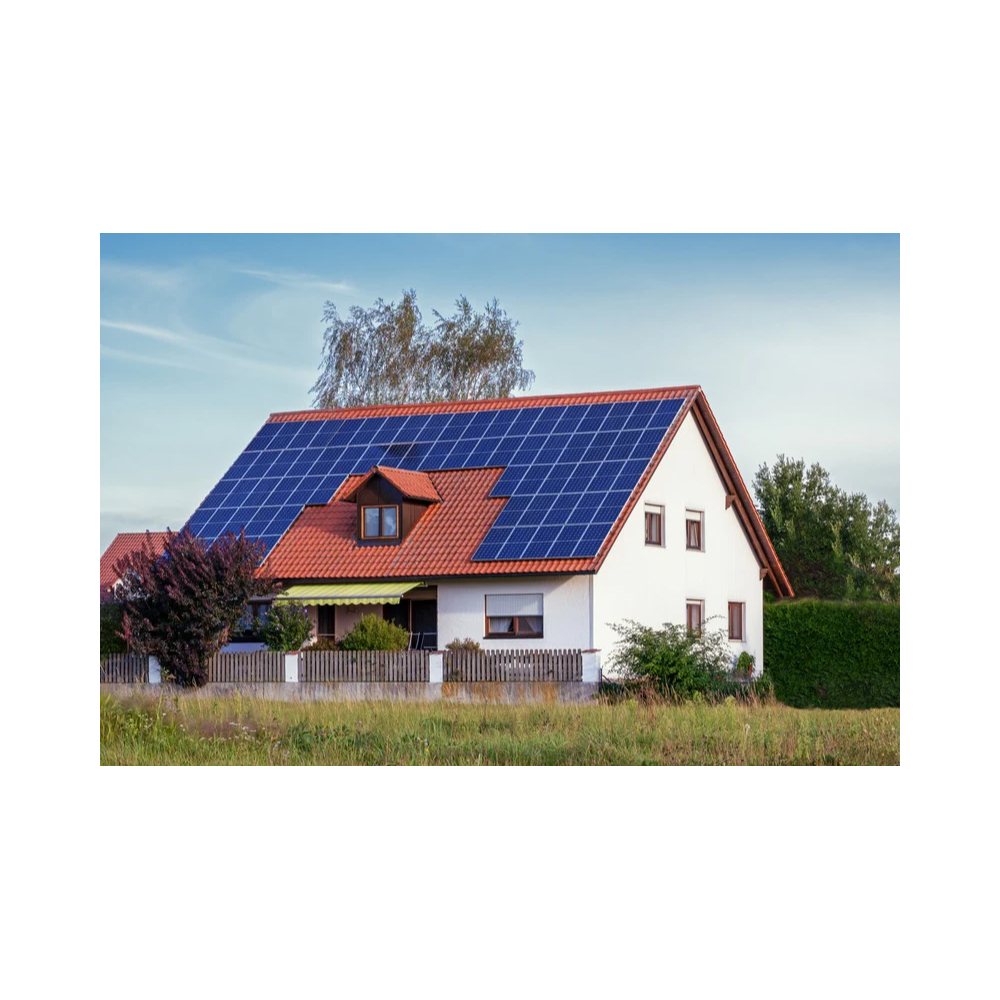
• Map your roof or barn this week using free tools like Google Project Sunroof.
• Start small with a few panels and a battery for critical loads (well pump, coop lights, etc.).
• If you’re replacing a roof soon, build solar into the plan from the start.
In Your Community
• Notice big parking lots at stores or churches and start a conversation about carports.
• Organize or join a local mapping effort — turn it into a fun group project.
• Show up at planning meetings and speak up for incentives that prioritize already-developed land.
Bigger Picture
• Contact your representatives about updating incentives to favor urban/distributed solar.
• Support policies like parking lot mandates (with flexibility) and strong net metering.
• Keep the conversation alive — share this series and keep the focus on stopping more rural land loss.
Every mapped roof, every local conversation, and every informed comment adds real pressure in the right direction. We protect the open spaces where guard llamas like Lakota can do their job naturally and where regenerative grazing builds healthy soil.
What’s Coming Next (Final Part)
In Part 6 we’ll bring it all home with your farm/homestead playbook — small-scale versions and ideas you can start right now on your own place.
I’d love to hear from you ladies. What barriers to urban solar have you run into in your area? Have you taken any small steps yet? What one change would make the biggest difference for you?
Drop your thoughts and experiences below — I really do read every single comment. Let’s keep finding ways to live lighter on the land while still taking care of our families and animals.
With love and dirt under my nails,
Kara
Lange Girl Farms