Hey farm gals, it’s Kara from Lange Girl Farms!
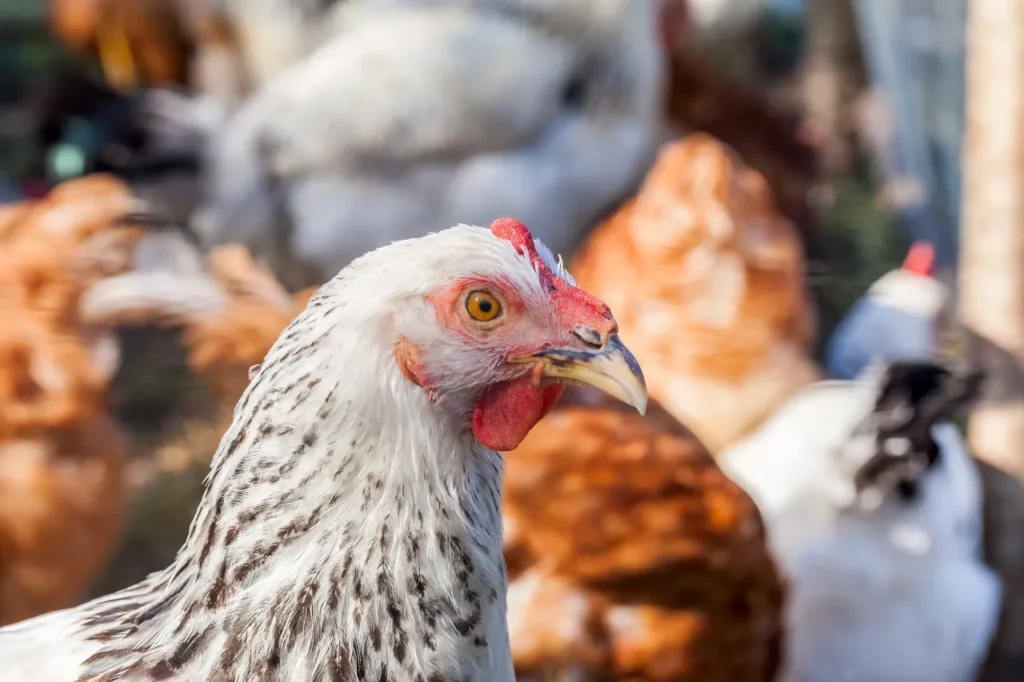
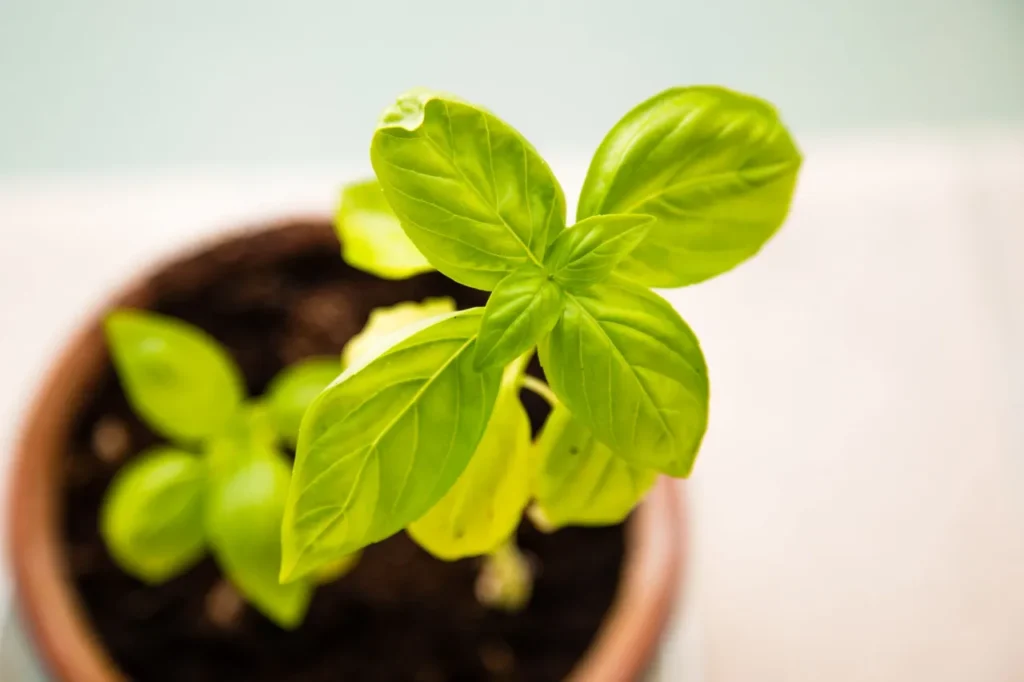
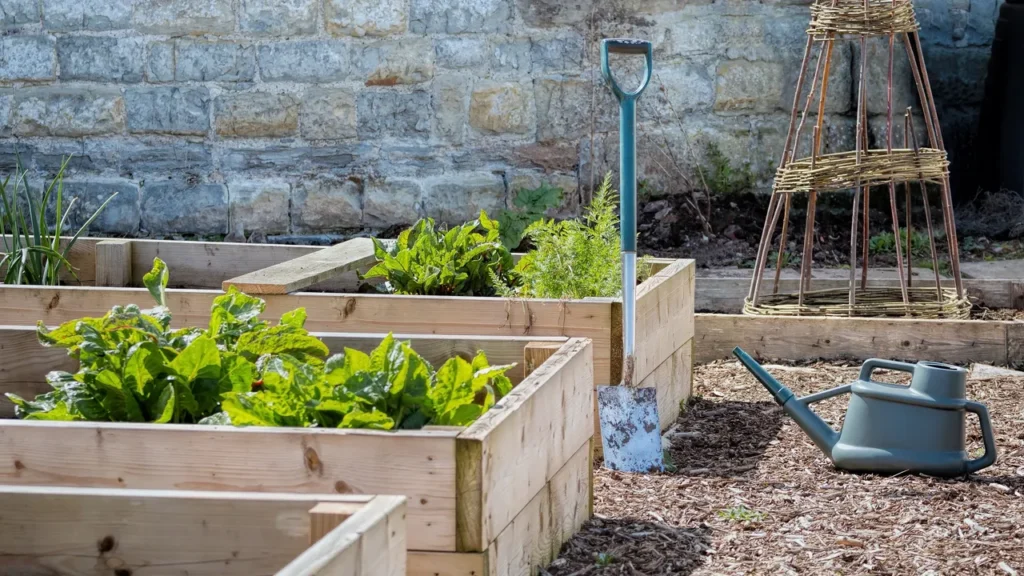
I spent a good part of the morning hand-weeding around the microgreens and torching a few early weed patches along the fence before they could take hold. My pregnant mini mare is getting plenty of calm attention these days — fresh pasture, quiet routines, and forage we know is completely clean so nothing can reach her or her growing foal. The Siberian huskies were racing around in their own safe space, the llamas and alpacas kept their steady watch, and the chickens and ducks stayed busy scratching and splashing in their secure run. These quiet mornings without any chemical interference are what keep me going. They remind me why we choose the harder path on this regenerative homestead.
In Part 1 we looked at the wake-up call — how neonic seed treatments coat nearly every corn and soybean seed in the Midwest and the widespread harm they cause to pollinators, birds, and waterways. Now in Part 2 we’re going full nerd on what neonicotinoids actually are, how they work inside the plant and the insect nervous system, why they’re used as prophylactic seed coatings, and how they end up persisting in pollen, nectar, dust, and water. This is the foundation so you understand exactly why we refuse them entirely.
What Are Neonicotinoids?
Neonicotinoids (commonly called “neonics”) are synthetic insecticides chemically similar to nicotine. The most common ones used in agriculture are:
• Imidacloprid
• Clothianidin
• Thiamethoxam
• Dinotefuran
• Acetamiprid
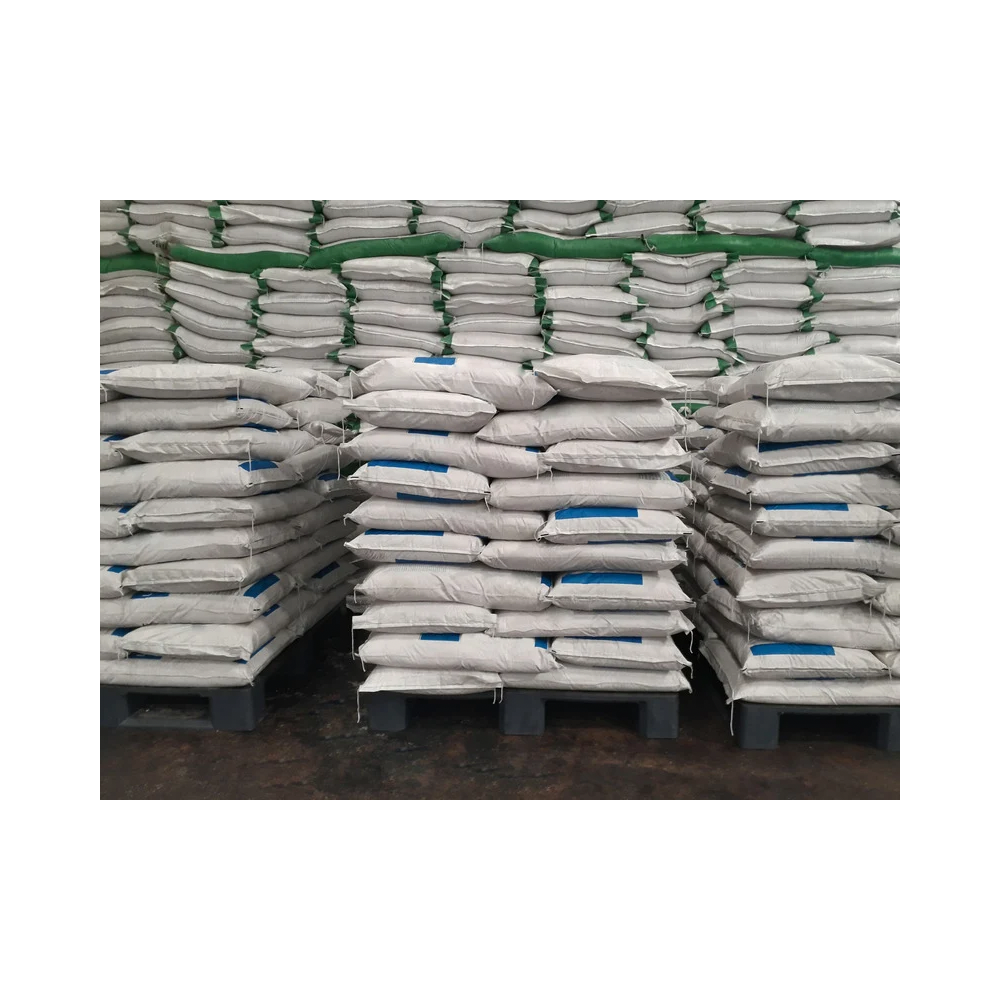
They were developed in the 1980s–1990s by companies like Bayer and Shell (later Syngenta) as a “safer” replacement for older, more acutely toxic insecticides like organophosphates. They quickly became popular because they are highly effective at very low doses and can be applied as seed coatings.
How They Work: Targeting the Insect Nervous System
Neonics act as nicotinic acetylcholine receptor agonists. Here’s the step-by-step mechanism:
1. Absorption and systemic movement: When the seed is coated and planted, the neonic is absorbed by the seedling roots and translocated throughout the growing plant via the xylem and phloem. It ends up in leaves, stems, flowers, pollen, and nectar.
2. Binding to receptors: In insects, neonics bind to nicotinic acetylcholine receptors (nAChRs) in the central nervous system. These receptors normally respond to the neurotransmitter acetylcholine.
3. Overstimulation: The binding causes continuous nerve firing — overstimulation of the nervous system. This leads to paralysis, tremors, and eventually death of the insect.
4. Selectivity claim: Manufacturers originally said neonics were more toxic to insects than to mammals because insect nAChRs are slightly different. However, at field-realistic doses they still affect mammals, birds, and aquatic life, especially with chronic exposure.
Because they are systemic, even tiny amounts on the seed can protect the plant for weeks to months — but this also means constant low-level exposure for any insect (or bird) that interacts with the crop.
Why Seed Treatments Are So Problematic
• Prophylactic use: The seed is coated whether pests are present or not — a “just in case” approach that drives massive overuse.
• Persistence: Neonics are water-soluble and can remain active in soil for months to years in some conditions. They leach easily into groundwater and surface water.
• Off-target movement: During planting, coated seeds create dust that drifts onto nearby flowers and hedges. Pollen and nectar from treated crops carry the chemical to bees. Guttation droplets (plant “sweat”) can be highly concentrated and toxic.
This is why neonics have been linked to colony collapse disorder in honeybees and sharp declines in wild pollinators and farmland birds.
How Neonics Compare to the Other Chemicals We’ve Covered
• Glyphosate: Systemic enzyme inhibitor (shikimate pathway), slower action, strong soil binding.
• Paraquat: Fast contact killer via redox cycling, extremely acute toxicity, little translocation.
• Atrazine: Photosystem II inhibitor, residual soil activity, highly mobile in water.
• 2,4-D / Dicamba: Synthetic auxins causing uncontrolled growth, volatile, selective on broadleaves.
• Neonics: Systemic nervous system toxins, used prophylactically as seed coatings, highly persistent in pollen/nectar/water, extremely toxic to insects and aquatic invertebrates.
The big difference with neonics is their prophylactic, systemic nature — the poison is built into the plant from day one, exposing everything that touches it.
Why “Convenient” Seed Treatments Don’t Fit Regenerative Homesteads
Big ag loves neonics because they simplify pest management and reduce the need for foliar sprays. On our homestead we refuse them entirely. We hand-weed, torch weeds, plant cover crops, and support beneficial insects because those methods build a balanced ecosystem instead of poisoning it from the seed upward. Our pregnant mini mare grazes clean pasture we’ve built without systemic insecticides. Our huskies, llamas, alpacas, chickens, and ducks live without the neurological risks that come with contaminated environments or feed.
The shift to seed treatments turned a targeted tool into a blanket exposure for entire landscapes — exactly why we choose the regenerative path.
Series Roadmap – What’s Coming Next
Part 3: The devastating toll on pollinators (bee colony collapse), birds, aquatic life, and broader ecosystems.
Part 4: On our plates – residues in crops, animal products, and the cumulative load from neonic-treated systems.
Part 5: Follow the money – major manufacturers (Bayer, Syngenta, Corteva), lawsuits, and regulatory battles.
Part 6: The roots – discovery in the 1980s–1990s, rapid adoption as seed coatings, and the shift from spray to prophylactic use.
Part 7: Reclaiming our land – our exact holistic methods (hand-weeding, torch burning, mulch, cover crops, livestock grazing with our mini horses and llamas/alpacas), Michigan-specific tips, and how we support pollinators without neonics.
Pin this post and the series. Drop a comment: Have you seen fewer bees or birds on your property? Are you already sourcing untreated seeds? I read every comment.
If you want to support a farm refusing these chemicals entirely, swing by the shop for our wildcrafted salves (great after hand-weeding or torch work), herbal teas grown right here without sprays, or non-GMO seeds for your own regenerative garden. Every purchase helps us keep protecting our land and animals.
We don’t have to accept systemic poisons built into every seed. We can protect our pollinators and our future—one holistic choice at a time.
See you in Part 3, farm gals!
With love from the pasture,
Kara
Lange Girl Farms