Hey farm gals, it’s Kara from Lange Girl Farms here in Southeast Michigan.
This morning I was out early with the horses, missing our big, gentle guardian Lakota as the sun climbed higher and warmed the barn roof once again. That same sun we’ve been talking about through this entire series — the one we’re wasting on rooftops and parking lots while still pushing more utility-scale solar across rural fields and public grazing lands. As a Colorado native who grew up around those wide-open spaces, this series has been personal. I’ve spent years building a regenerative homestead with guard animals, rotational grazing, secure runs, and learning from occasional real losses to foxes and hawks only when chickens free-range. The lesson I keep coming back to is simple: we can do better with energy without sacrificing the rural life we love.
We’ve covered the rural tensions, the urban goldmine, the crowdsourcing blueprint, how shifting solar to cities protects guard animals and public lands, and why it’s not scaling yet. In this final part, I want to bring it all home to your place — practical, doable steps you can start right now, no matter if you have 5 acres, 50, or just a backyard. These are the things that fit the life we’re already living.
1. Start With What You Already Have – Map and Assess Your Roof
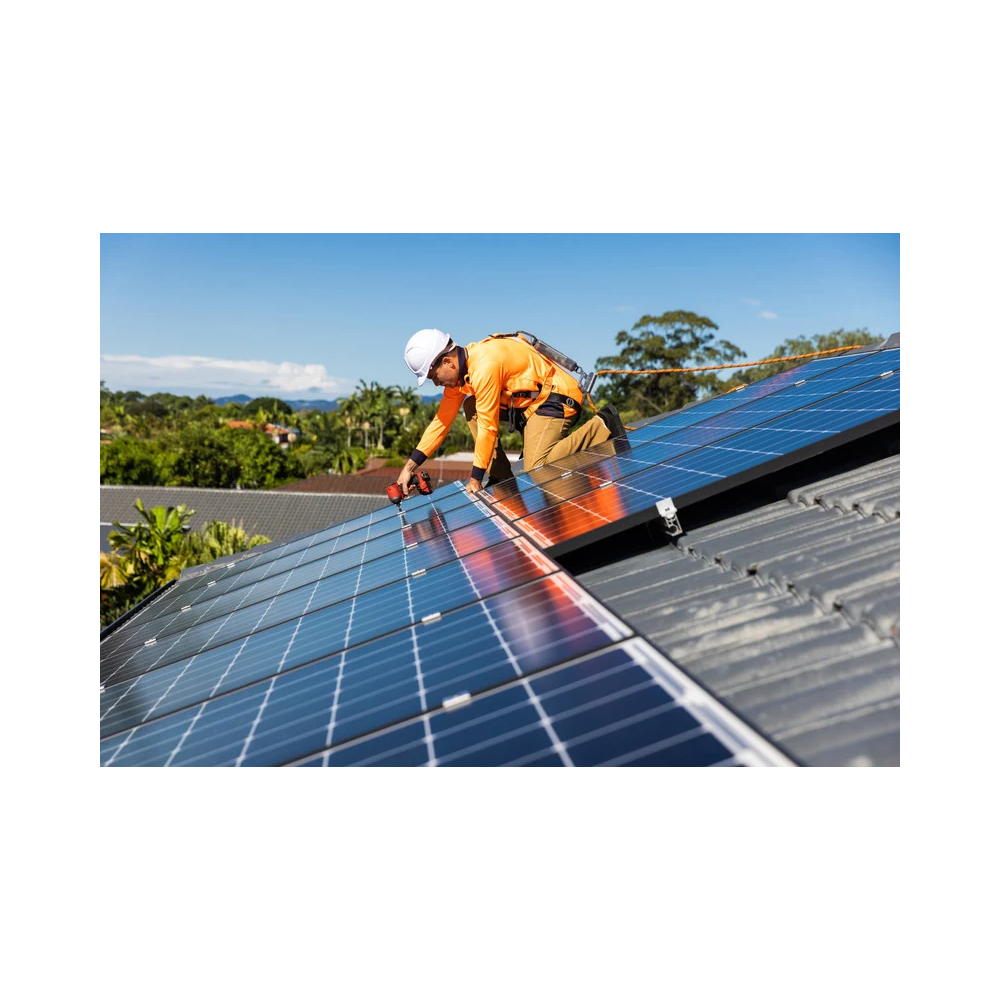
Don’t overthink it. Open your phone and pull up Google Project Sunroof (or your local utility’s solar tool) and enter your address. It will show you exactly how much your barn, house, garage, or shed roof could produce. On our place, even a modest setup on the barn could handle well pumps, coop lights, or the small fridge where I mix salves.
Walk around your buildings. Note south-facing roof space, any shading from trees, and the roof’s age and condition. If you’re due for a roof replacement anyway, that’s your golden window — many installers will bundle solar into the project. This is low-hanging fruit that adds resilience without taking one more acre of rural land.
2. Add Storage for Real Independence
Panels alone are helpful, but a battery makes it powerful. You store daytime energy for evenings, cloudy stretches, or outages. On our homestead this would mean the well and fences stay running even during Michigan storms or winter power loss.
You don’t need a huge system right away. Start with one or two panels and a smaller battery bank for your most critical loads. Over time, expand as it makes sense for your budget. This is regenerative energy in action: capturing what the sun gives us today instead of depending on far-away power plants or sacrificing more open countryside.
3. Look Around Your Community for Shared Opportunities
Don’t stop at your own roof. Drive through town and really see the massive parking lots at big-box stores, churches, schools, or community centers. Many owners are open to solar carports when someone brings them a solid idea — especially if it includes shade for customers and EV charging spots that bring in new revenue.
Start the conversation. You don’t have to finance or build it. Share simple numbers, connect them with local installers, or suggest a community solar subscription model. Every parking lot turned into a solar producer is one less rural field lost.
4. Advocate Locally to Protect Rural Land
This is where your voice as a homesteader carries real weight.
Show up at city council or county planning meetings and speak up for incentives that prioritize rooftops and parking lots first. Ask for parking canopy requirements on large lots (like France has done). Support strong net metering and simpler permitting for distributed solar. When a developer proposes another big rural solar field on farmland or near grazing land, be there to ask: “Why not urban first?”
On already-installed or ruined solar fields, planting pollinator habitats with native wildflowers, grasses, and flowering plants can help support bees, butterflies, birds, and other species as the land tries to heal. That’s a good mitigation step. But the real priority must be stopping more good agricultural and rural land from being destroyed in the first place. Urban crowdsourcing helps us do exactly that.
5. Keep Your Own Systems Strong – Guard Animals and Regenerative Practices
While we push for smarter energy policy, protect and strengthen what you already have on your land. Guard animals like llamas thrive in open pasture where they can see, move freely, and do their job naturally. Rotational grazing builds soil. Secure runs and coops keep losses minimal. The more we keep rural land available for these practices, the stronger our homesteads become.
This urban-first solar approach gives those open spaces room to breathe — more flexibility for thoughtful livestock, wildlife, and the kind of regenerative systems that actually improve the land over time.
You Don’t Need to Wait for Permission
You don’t need a perfect national policy or a shiny new app. Map your roof this week. Talk to one neighbor or business owner. Show up at one local meeting. Share this series with friends who care about regenerative farming and protecting rural land.
The sun is already shining on the solutions. We just have to choose to use what’s already built instead of taking more from the countryside. That’s how we leave the land better for the next generation — and for the animals who share it with us.
Thank you for walking through this whole series with me. It’s been a joy nerding out on these ideas together. I’ve learned so much, and I hope it’s given you new ways to think about energy, land, and the regenerative life we’re all building.
I’d love to hear from you ladies. What small step are you thinking about taking on your own place? Have you mapped your roof yet? Or what’s one change you’d like to see in your community?
Drop your thoughts and experiences below — I really do read every single comment. Let’s keep finding ways to live lighter on the land while still taking care of our families and animals.
With love and dirt under my nails,
Kara
Lange Girl Farms